
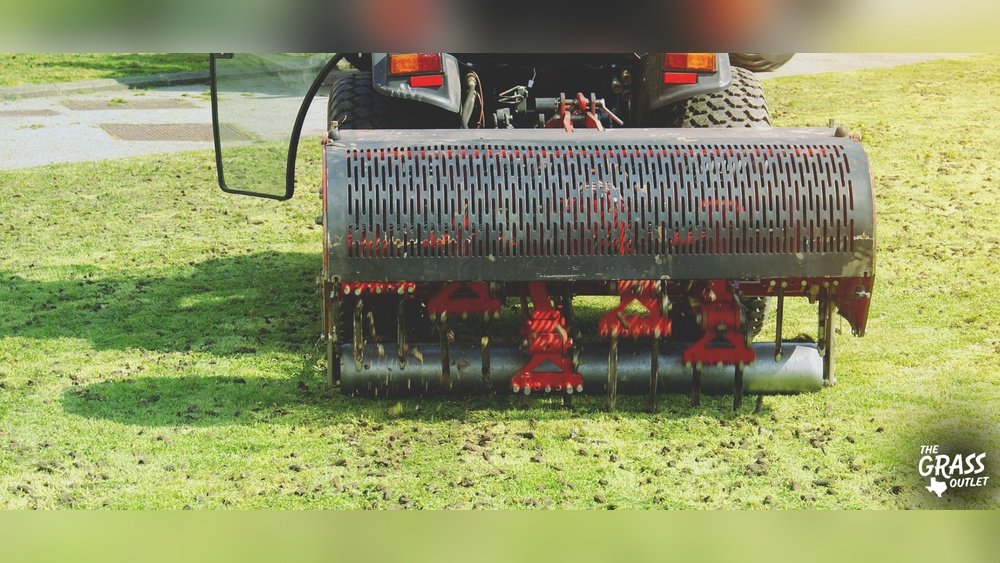
If your lawn looks tired, patchy, or struggles to stay green, aerating might be just what your grass needs to bounce back stronger. Aeration helps your lawn breathe by relieving soil compaction and allowing water, air, and nutrients to reach deep into the roots. Here are some essential lawn aeration tips to help you achieve a healthier lawn.
But how do you know when and how to aerate for the best results? In this guide, you’ll discover simple steps to aerate your lawn effectively so your grass can grow thick, healthy, and lush. Keep reading to unlock the secrets that will transform your lawn into the envy of your neighborhood.

Credit: www.walmart.com
Benefits Of Lawn Aeration
Aerating your lawn offers many important benefits. It helps grass roots grow stronger. It improves the overall health of your lawn. Lawn aeration is a simple step that leads to big changes. Healthy grass needs good soil conditions. Aeration makes the soil better for grass growth.
Improving Soil Compaction
Soil can get hard and compacted over time. Compacted soil stops roots from growing deep. Aeration creates small holes in the soil. These holes loosen the soil and reduce compaction. Loose soil lets roots spread easily. This makes the lawn more stable and healthy.
Enhancing Water And Nutrient Flow
Water and nutrients need to reach grass roots. Compacted soil blocks water and nutrients. Aeration opens pathways for water to move down. Nutrients flow better into the soil too. This helps grass get the food and moisture it needs. Your lawn will use water and fertilizer more efficiently.
Promoting Thicker Grass Growth
Thicker grass means a fuller, greener lawn. Aeration encourages new root growth and stronger plants. Grass grows faster after aeration. The lawn fills in bare or thin spots. Thicker grass also resists weeds and pests better. Aeration supports a lush, healthy lawn all year.
Signs Your Lawn Needs Aeration
Knowing the signs that your lawn needs aeration helps keep grass healthy and green. Aeration improves soil by letting air, water, and nutrients reach the roots. Without it, lawns can become weak and patchy. Watch for these key signs to decide when to aerate.
Thick Thatch Buildup
Thatch is a layer of dead grass and roots between soil and grass blades. A thin layer helps protect the lawn. But if thatch is thicker than half an inch, it blocks air and water from reaching roots. This can cause poor grass growth and make the lawn look unhealthy.
Patchy Or Yellowing Grass
Grass that grows unevenly or turns yellow may need aeration. Compacted soil stops roots from getting enough nutrients. Aeration loosens the soil and helps grass grow stronger and greener. Patchy spots often mean the grass struggles to survive.
Heavy Foot Traffic And Clay Soil
Lawns with heavy foot traffic often become compacted. Clay soil tends to be dense and holds water poorly. Both conditions reduce oxygen in the soil. Aeration breaks up the hard soil, allowing roots to breathe and absorb moisture better.
Time Since Last Aeration
Lawns usually need aeration once a year. If you have not aerated your lawn in over a year, it is time. Regular aeration keeps soil healthy and supports strong grass growth. Mark your calendar and check your lawn each season.
Best Timing For Aeration
Aerating your lawn at the right time boosts grass health and growth. Proper timing lets roots recover fast. It improves air, water, and nutrient flow. Knowing when to aerate depends on grass type and soil conditions. This section explains the best timing for aeration to get a lush lawn.
Peak Growing Seasons
Aerate during the grass’s peak growing season. This helps grass heal quickly after aeration. The soil is softer, making aeration easier.