

Sedge grass is one of the most frustrating weeds for lawn owners. Its thin, upright blades look similar to regular grass, but it grows faster and stands out, especially in a well-kept yard. If you’ve spotted patches of yellowish-green or bright green spikes, you’re probably dealing with sedge grass—and you’re not alone. Many homeowners struggle with this persistent weed, which can take over even healthy lawns if left unchecked.
Getting rid of sedge grass isn’t just about pulling a few stray blades. It often requires a mix of smart lawn care, targeted treatments, and ongoing prevention. Luckily, with the right approach, you can control and eliminate sedge grass without damaging your lawn.
This article explains everything you need to know, from identifying sedge grass to choosing the best removal methods and keeping it from coming back.
Understanding Sedge Grass
Before you can fight sedge grass, it’s important to know what you’re up against. Sedge grass isn’t a true grass—it’s a member of the Cyperaceae family. The most common types found in lawns are yellow nutsedge (*Cyperus esculentus*) and purple nutsedge (*Cyperus rotundus*).
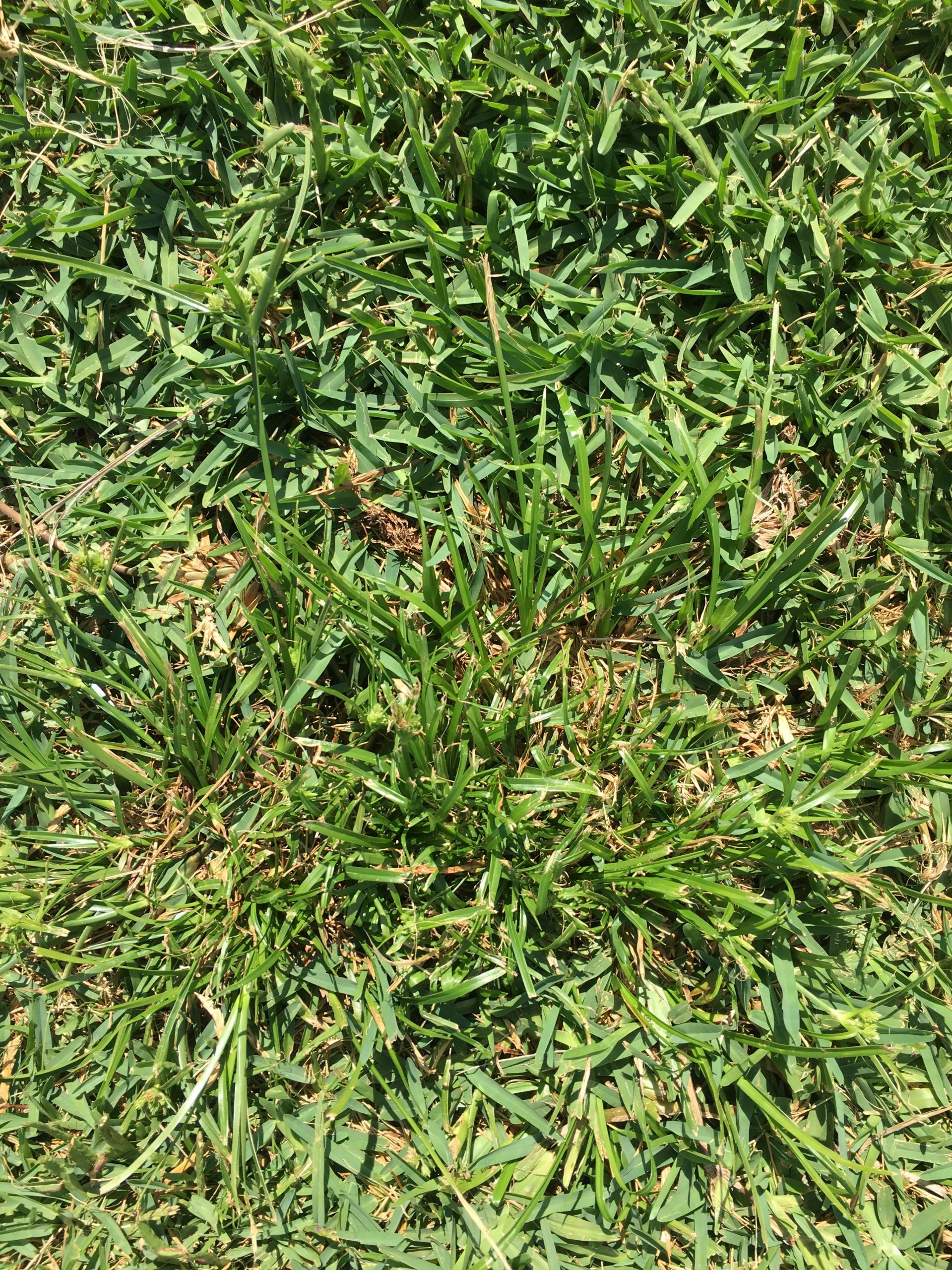
Sedges can be recognized by:
- Triangular stems (not round like real grasses)
- Waxy, upright leaves that are thicker than normal grass blades
- Light green or yellow-green color that often stands out from the rest of your lawn
- Rapid, upright growth, especially after mowing
Sedges spread both by seed and by underground tubers called nutlets. These nutlets make sedge grass hard to remove, as pulling the plant often leaves tubers behind, which regrow quickly.
Common Types Of Sedge Grass
Yellow nutsedge and purple nutsedge are the most troublesome in U.S. lawns. Here’s how they compare:
| Type | Color | Growth Habit | Key Features |
|---|---|---|---|
| Yellow Nutsedge | Light yellow-green | Upright, fast-spreading | Yellow flower spikes, pointed leaves |
| Purple Nutsedge | Darker green | Dense, aggressive | Purple-brown flower spikes, rounded leaves |
Purple nutsedge is considered the world’s worst weed by the University of Florida, thanks to its hardiness and ability to survive in many conditions.
Why Sedge Grass Invades Lawns
Sedge grass doesn’t appear randomly. It thrives in certain conditions that make your lawn vulnerable:
- Wet or poorly drained soil – Sedge loves moist spots, especially where water stands after rain.
- Compacted soil – Hard, compacted areas prevent turfgrass from rooting deeply, giving sedge an advantage.
- Thin or weak turf – Bare patches make it easy for sedge to establish.
- Over-watering or poor irrigation – Too much water creates ideal conditions for sedge tubers to sprout.
You’ll often see sedge around downspouts, low spots, or areas with heavy foot traffic.
How To Identify Sedge Grass
Many homeowners mistake sedge grass for crabgrass or other weeds. Correct identification is crucial, because most standard weed killers don’t work on sedges.
Key Identification Tips
- Check the stem – Roll the base of the plant between your fingers. Sedge grass has a triangular stem, while true grasses are round or flat.
- Observe the color and growth – Sedges are usually lighter or brighter green and grow faster than the rest of your lawn.
- Look for clusters – Sedge often grows in patches, not single plants.
- Flower spikes – Yellow nutsedge produces yellowish seed heads; purple nutsedge has reddish-purple ones.
Example: Spotting Sedge Grass
Imagine mowing your lawn and noticing some patches seem to “pop up” overnight, looking shinier and lighter. If you pull one out, you’ll see a three-sided stem and possibly small brown nutlets attached to the roots.
How Sedge Grass Spreads
Sedges are persistent because they multiply in several ways:
- Seeds – Carried by wind, water, and even lawnmowers.
- Nutlets – Underground tubers that can lie dormant and sprout new plants, sometimes years later.
- Rhizomes – Underground stems that spread horizontally, creating new shoots.
Research shows that a single yellow nutsedge plant can produce hundreds of nutlets in one season. These nutlets can survive drought, cold, and even some herbicides.
Quick Comparison: Sedge Vs. Crabgrass
| Feature | Sedge Grass | Crabgrass |
|---|---|---|
| Stem | Triangular | Flat |
| Growth Habit | Upright clusters | Spreading, low to ground |
| Flowering Time | Late spring–summer | Mid to late summer |
| Control Method | Sedge-specific herbicides | Grassy weed killers |
Understanding these differences helps you avoid wasting time and money on the wrong treatments.
Preparing For Sedge Grass Removal
Removing sedge grass is not a one-time task. It requires proper planning and the right tools:
Gather The Right Tools
- Gloves – For hand-pulling sedge.
- Hand trowel or weeder – To dig out plants and nutlets.
- Selective sedge herbicide – Not all weed killers work on sedges; you need products labeled for nutsedge.
- Lawn aerator – If your soil is compacted.
- Sprinkler or hose – To manage watering.
Timing Your Efforts
The best time to attack sedge grass is late spring to early summer, when sedges are growing actively but before they set seeds or form new nutlets. Trying to remove sedge in late summer is less effective, as nutlets may already be formed underground.
Non-obvious Insight
Many beginners overlook soil moisture before treatment. Watering your lawn lightly a day before pulling sedge makes the soil softer, allowing you to remove more nutlets with the root. Skipping this step can mean leaving tubers behind, which quickly regrow.
Manual Removal Methods
For small patches or new infestations, hand pulling is often the best first step. But it takes more care than most people realize.
How To Pull Sedge Grass By Hand
- Water the area lightly the day before to loosen soil.
- Wear gloves and use a trowel to dig at least 6 inches deep around the plant.
- Pull slowly from the base, trying to get the full root and attached nutlets.
- Check the hole for any remaining tubers and remove them.
- Dispose of sedge plants in the trash, not in compost, to prevent spreading.
When Hand Pulling Works
- Small patches (less than 3 feet across)
- Young sedge plants (before tubers multiply)
- After rain or irrigation (soil is softer)
Common Mistakes
- Breaking roots – If you snap the plant, nutlets stay in the soil and regrow.
- Pulling when dry – Hard soil usually leaves tubers behind.
- Not checking surrounding area – Sedge often grows in clusters; always inspect around the main patch.

Credit: www.youtube.com
Cultural Controls: Lawn Care Changes
Strong, healthy lawns are the best long-term defense against sedge grass. Improving your lawn’s health makes it hard for sedge to compete.
Improve Drainage
Sedges love wet soil. If you have puddles or consistently damp spots, improve drainage by:
- Aerating your lawn yearly to relieve soil compaction.
- Topdressing with sand or compost to level low spots.
- Redirecting downspouts away from the lawn.
- Installing French drains or similar solutions in problem areas.
Adjust Watering
Many people water their lawns too often. Sedges thrive in overwatered conditions. Instead:
- Water deeply, but less often (1–1.5 inches per week, including rain).
- Water early in the morning to let grass dry out during the day.
- Skip watering if rain is expected.
Thicken Your Turf
Dense grass leaves little room for sedge to take root. Encourage thick turf by:
- Fertilizing appropriately for your grass type.
- Overseeding thin patches in fall or spring.
- Mowing at the right height—taller grass shades out weeds.
Maintain Mower Blades
Sharp mower blades make cleaner cuts, reducing stress on your lawn. Dull blades tear grass, making it easier for sedge to invade.
Chemical Control: Selective Herbicides
Manual and cultural controls help, but sedge grass is tough. For larger or stubborn infestations, you may need herbicides designed specifically for sedge.
Choosing The Right Herbicide
Most broadleaf and grassy weed killers do NOT work on sedge. Look for products with active ingredients like:
- Halosulfuron (e.g., SedgeHammer)
- Sulfentrazone
- Imazosulfuron
- Bentazon
These chemicals target sedge without harming most lawn grasses. Always check the label to ensure it’s safe for your grass type (e. g. , Bermuda, fescue, zoysia).
How To Apply Sedge Herbicide
- Read the label for mixing and safety instructions.
- Apply when sedge is actively growing (late spring to midsummer).
- Spray on a calm day to avoid drift onto desirable plants.
- Treat only affected areas to reduce chemical use.
- Water after application only if the product label allows.
Comparison: Common Sedge Herbicides
| Herbicide | Main Ingredient | Effective Against | Safe for Lawns |
|---|---|---|---|
| SedgeHammer | Halosulfuron | Yellow & purple nutsedge | Most cool- & warm-season grasses |
| Dismiss | Sulfentrazone | Nutsedge, kyllinga | Most turfgrasses |
| Basagran | Bentazon | Nutsedge, some broadleaf weeds | Check label for grass type |
Tips For Best Results
- Repeat applications may be needed. Most sedge herbicides require a second treatment 4–6 weeks after the first.
- Don’t mow immediately before or after application. Let the sedge grow for a few days so it absorbs the herbicide.
- Don’t mix with other weed killers unless the label says it’s safe. Some combinations reduce effectiveness.
Non-obvious Insight
Many people don’t realize that adding a surfactant (a “spreader-sticker”) to your spray helps the herbicide coat the waxy sedge leaves, making it much more effective. Always check if your herbicide needs one—it can double your chances of success.
Organic And Natural Sedge Control
If you prefer not to use chemicals, there are some natural methods. Be aware: these usually work best for small areas or as part of a larger prevention plan.
Boiling Water
Pouring boiling water directly on sedge plants can kill them by cooking the leaves and roots. This method is safe for the environment but may damage nearby grass. Use only for isolated patches.
Vinegar-based Sprays
Some people use strong vinegar (20% acetic acid) to burn sedge leaves. However, this rarely kills the nutlets. It’s also non-selective, so it will harm your grass.
Solarization
For heavily infested areas (especially before reseeding), cover the ground with clear plastic for 4–6 weeks in summer. The heat kills sedge, seeds, and nutlets.
Corn Gluten Meal
This acts as a natural pre-emergent herbicide. It can prevent sedge seeds from sprouting, but won’t affect established plants or nutlets.
Limitations Of Natural Methods
- Slow results – May take several seasons.
- Not effective for large lawns – Better for garden beds or small patches.
- Won’t kill nutlets – Most natural methods only affect above-ground growth.
Preventing Sedge Grass From Returning
Once you control sedge, prevention is key. Sedge grass is persistent; if conditions are right, it will return.
Key Prevention Strategies
- Fix drainage and compacted soil – Sedges need wet, poorly drained spots to thrive.
- Keep your lawn thick – Overseed and fertilize as needed.
- Mow at the correct height – Don’t scalp your lawn, as short grass invites weeds.
- Clean your equipment – Sedge seeds and tubers can stick to mower blades and shoes. Clean them to prevent spreading.
- Monitor regularly – Walk your lawn every few weeks and pull any new sedge by hand.
Overseeding After Sedge Removal
If you’ve cleared a large area of sedge, you may have bare spots. Reseed these quickly to prevent sedge or other weeds from moving in.
- Choose the right grass seed for your climate and lawn type.
- Prepare the soil by raking and lightly topdressing.
- Keep the area moist until new grass is established.
Credit: www.myhometurf.com.au
When To Call A Professional
Sometimes sedge infestations are too large or persistent for DIY methods. Professional lawn care companies have access to stronger herbicides and equipment.
Consider hiring a pro if:
- More than 20% of your lawn is infested.
- Previous treatments haven’t worked after a full season.
- You have difficult soil or drainage issues you can’t fix yourself.
- You want to avoid handling chemicals.
Professionals can identify the exact sedge species and create a custom treatment plan.
Common Sedge Grass Myths
There’s a lot of bad advice about sedge grass. Here are some myths—and the facts:
- “Mowing short will remove sedge.” False. Sedge grows faster than grass and cutting short only weakens your turf.
- “All weed killers work on sedge.” False. Most standard weed killers don’t touch sedge grass.
- “Pulling sedge always works.” Only if you get all the nutlets—otherwise, it regrows.
- “Sedge is a sign of a healthy lawn.” Not true. Sedge usually signals water or soil problems.
- “Sedge dies in winter.” In cold climates, tops die but nutlets survive and sprout again in spring.
Credit: www.fertilizewithalm.com
Environmental Impact Of Sedge Control
Controlling sedge grass is important, but so is protecting your environment. Here’s how to minimize your impact:
- Use herbicides sparingly. Treat only the areas that need it.
- Follow label directions. Never use more than recommended.
- Choose selective herbicides. These target sedge, not desirable plants.
- Avoid spraying near water bodies. Sedge killers can harm aquatic life if they wash into ponds or streams.
Real-world Example: Sedge Grass Eradication
Consider a homeowner in Georgia with a Bermuda grass lawn. He notices yellow-green patches that grow faster after each mowing. A local extension agent identifies it as yellow nutsedge.
He tries pulling it by hand but finds it returns quickly. The agent recommends improving drainage and using SedgeHammer. After two applications, most sedge dies. Overseeding and regular mowing at a higher height help the Bermuda grass fill in.
One year later, only a few sedge plants appear, which are quickly pulled by hand. The lawn stays healthy and green.
Top Mistakes To Avoid When Fighting Sedge Grass
- Using the wrong herbicide. Read labels and choose products for sedge.
- Ignoring drainage. Wet spots guarantee sedge will return.
- Pulling when soil is dry. Nutlets break off and regrow.
- Skipping overseeding. Bare spots invite more weeds.
- Mowing too short. Weak grass can’t compete with sedge.
- Not repeating treatments. Sedge often needs more than one application.
- Letting patches get too big. Small patches are much easier to handle.
Frequently Asked Questions
What Is The Difference Between Sedge Grass And Regular Lawn Grass?
Sedge grass is not a true grass. Its stems are triangular, not round, and it usually grows faster and stands out in color. Regular lawn grass has round or flat stems and blends in evenly. Sedge also spreads by underground nutlets, making it harder to control.
Can I Get Rid Of Sedge Grass Without Chemicals?
Yes, but it’s challenging. Hand-pulling works on small patches if you get all the nutlets. Boiling water or solarization can kill sedge in small areas. For large lawns, though, chemical herbicides are usually more effective.
How Long Does It Take To Remove Sedge Grass Completely?
It depends on the size of the infestation and your methods. Small patches can be removed in a few weeks. Large or established areas may take one or two growing seasons with repeated treatments and lawn care changes.
Will Mowing My Lawn More Often Help With Sedge Grass?
Frequent mowing does not control sedge grass. In fact, sedge often grows faster after mowing. It’s better to mow at the recommended height for your grass type and focus on other control methods.
Where Can I Learn More About Sedge Grass And Its Control?
A trusted resource is university extension services. For example, University of Florida IFAS Extension offers detailed information on sedge identification and management.
Sedge grass can be stubborn, but with the right mix of manual, chemical, and cultural controls, you can reclaim your lawn. Address drainage and soil problems, choose the right herbicide, and keep your turf thick and healthy. Regular attention is the key—ignore sedge, and it will spread.
Take action now, and you’ll enjoy a stronger, greener lawn with fewer weeds for years to come.