
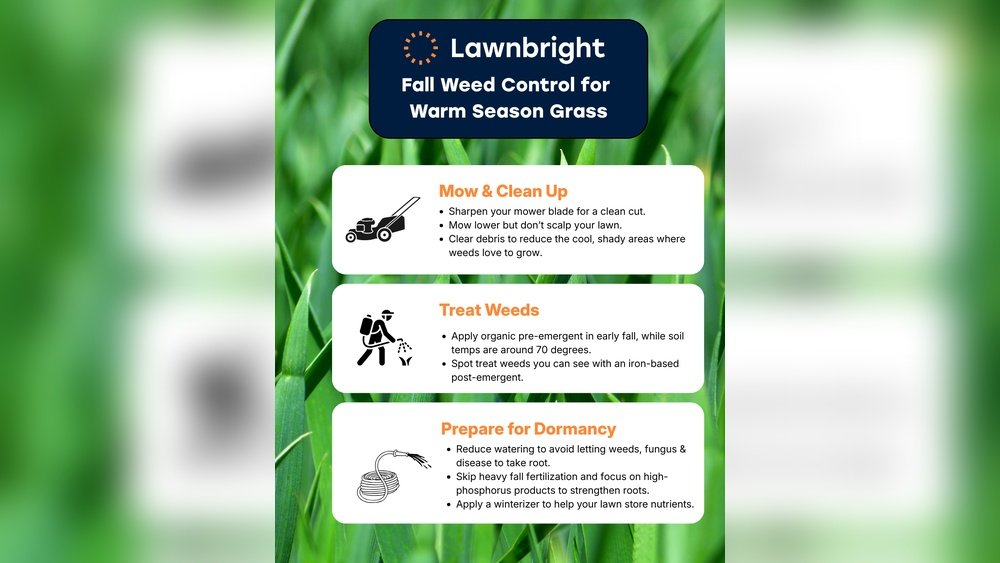
Are stubborn weeds taking over your lawn, making it look patchy and unkempt? You’re not alone—and the good news is, you can take control.
Using post-emergent herbicides is a powerful way to target and eliminate those unwanted weeds that have already sprouted. But to get the best results without harming your grass, you need to know exactly how and when to apply these herbicides.
You’ll discover simple, step-by-step tips that will help you use post-emergent herbicides safely and effectively, so your lawn can thrive and stay weed-free. Ready to transform your yard? Let’s dive in!
Choosing The Right Herbicide
Choosing the right herbicide is key to effective weed control on your lawn. The wrong choice can harm your grass or fail to remove weeds. Understanding different herbicides helps you pick the best one for your needs. Consider the type of weeds, your lawn grass, and how herbicides work.
Selective Vs Non-selective Herbicides
Selective herbicides target specific weed types without harming grass. Use these for common lawn weeds like dandelions or clover. Non-selective herbicides kill all plants they touch. They are best for clearing areas before planting or removing tough weeds. Choose selective herbicides for regular lawn care to protect your grass.
Identifying Target Weeds
Know which weeds are in your lawn before choosing a herbicide. Broadleaf weeds and grassy weeds need different treatments. Check weed leaves and growth patterns carefully. Correct identification ensures you use the herbicide that works best. Misidentifying weeds can lead to poor results or damage to your lawn.
Considering Lawn Grass Type
Different grasses respond differently to herbicides. Some herbicides work well on cool-season grasses like fescue. Others suit warm-season grasses like Bermuda or zoysia. Using the wrong herbicide may harm your grass or reduce its growth. Always read labels to confirm the herbicide matches your lawn grass type.

Credit: greenkeeperaz.com
Optimal Timing For Application
Timing is key to using post-emergent herbicides effectively on your lawn. Applying these herbicides at the right time ensures they target weeds without harming your grass. Proper timing also improves the herbicide’s absorption and overall success. Understanding the best seasons, avoiding harsh weather, and knowing how often to apply will help your lawn stay healthy and weed-free.
Best Seasons To Spray
Spring and early fall are the best seasons to apply post-emergent herbicides. During these times, weeds are actively growing and more vulnerable. Warm temperatures help the herbicide absorb into the weed’s system. Avoid applying in summer when heat can stress plants and reduce effectiveness. Winter is usually too cold for most herbicides to work well.
Avoiding Frost And Extreme Temperatures
Do not spray if frost is expected within 24 hours. Frost can reduce herbicide absorption and damage your grass. Avoid spraying during very hot days above 85°F (29°C). Extreme heat can cause the herbicide to evaporate quickly. Aim for calm, mild days with temperatures between 60°F and 80°F (15°C to 27°C).
Frequency Of Applications
Most lawns need more than one application each growing season. Follow the product label’s instructions on frequency. Usually, you can reapply every 2 to 4 weeks. Do not overapply, as this can harm your lawn. Monitor weed growth and only spray when new weeds appear or existing ones grow stronger.
Preparation Before Application
Preparing your lawn before applying post-emergent herbicides helps ensure the best results. Proper preparation protects your grass and makes the herbicide work more effectively. Follow simple steps to get ready for safe and efficient application.
Gathering Necessary Tools
Collect all tools needed for the herbicide application. You will need a sprayer or spreader, measuring cup, gloves, and protective clothing. Have clean water ready for mixing and rinsing. Prepare these items before starting to avoid delays and mistakes.
Reading And Following Label Instructions
Read the herbicide label carefully. It has important details about how to mix, apply, and store the product. Follow all safety warnings and recommended application rates. Ignoring the label can harm your lawn or cause poor weed control.
Lawn Mowing And Watering Tips
Mow your lawn a few days before applying the herbicide. Keep grass height moderate for better herbicide contact with weeds. Avoid watering the lawn for at least 24 hours before application to prevent washing away the herbicide. After applying, wait at least 24 hours before watering again to help the herbicide soak in.
Application Techniques
Applying post-emergent herbicides correctly is key to effective weed control on your lawn. Proper techniques ensure the herbicide targets weeds without harming your grass. This section explains the best application methods for success.
Using Sprayers And Spreaders
Choose the right equipment to apply herbicides evenly. Sprayers deliver liquid herbicides directly on weeds. They allow for precise control and reduce waste. Spreaders work well for granulated herbicides. They distribute granules uniformly over the lawn. Always calibrate your sprayer or spreader before use. This prevents uneven application and wasted product.
Proper Coverage And Avoiding Overuse
Cover all weed areas without overlapping too much. Excess herbicide can harm your grass and the environment. Apply herbicide only to affected spots if possible. Avoid spraying on windy days to reduce drift. Follow label instructions for the correct amount. Overusing herbicides does not improve results. It can cause lawn damage and increase costs.
Activating Herbicides With Water
Water helps herbicides move into the weeds’ roots. Some post-emergent herbicides need watering after application. Use a gentle spray to avoid washing away the herbicide. Check product instructions to know if watering is required. Proper activation improves herbicide effectiveness and speeds weed control.
Post-application Care
Proper post-application care is crucial after using post-emergent herbicides on your lawn. It helps the herbicide work effectively and protects your grass. Taking care of your lawn after treatment ensures better weed control and a healthier yard. Follow simple steps to support your lawn during this recovery period.
Watering Guidelines
Water your lawn lightly after applying the herbicide, unless the product label says otherwise. Avoid heavy watering for at least 24 hours to let the herbicide absorb into the weeds. Overwatering too soon can wash away the chemical and reduce its effectiveness. After this period, water as usual to keep your lawn healthy.
Avoiding Traffic On Treated Areas
Keep foot traffic and pets off treated areas for at least one day. Walking on the lawn too soon can spread the herbicide to unwanted spots or reduce its weed-killing action. Give the herbicide time to settle and work without disturbance. This helps protect both your grass and the environment.
Monitoring Weed And Lawn Response
Watch your lawn closely in the weeks after treatment. Notice how the weeds react—brown, wilted, or dying weeds show the herbicide is working. Check your grass for any signs of stress or damage. If you see problems, adjust your care routine or contact a lawn expert for advice. Regular monitoring helps maintain a strong, weed-free lawn.

Credit: sodsolutions.com
Safety Measures
Using post-emergent herbicides on your lawn requires careful attention to safety. These chemicals can harm your skin, eyes, and lungs if handled carelessly. Taking proper safety measures protects you and those around you. It also helps prevent damage to the environment.
Protective Gear Recommendations
Always wear protective gear before applying herbicides. Use gloves made of chemical-resistant material. Put on long sleeves and long pants to cover your skin. Wear safety goggles to protect your eyes from splashes. A mask or respirator helps prevent inhaling harmful fumes. Proper footwear keeps your feet safe from spills.
Safe Storage And Disposal
Store herbicides in a cool, dry place out of children’s reach. Keep containers tightly closed to prevent leaks. Avoid storing near food or pet supplies. Dispose of empty containers according to local regulations. Never pour leftover herbicide into drains or water sources. Proper disposal reduces risks to health and nature.
Environmental Considerations
Apply herbicides carefully to avoid harming plants and animals nearby. Do not spray on windy days to prevent drift. Avoid applying before rain to reduce runoff. Use only the recommended amount to protect soil and water quality. Follow label instructions strictly for the best environmental care.
Troubleshooting Common Issues
Troubleshooting common issues helps keep your lawn healthy after applying post-emergent herbicides. Understanding problems early prevents bigger damage. You can fix most issues with simple steps. Knowing what to do saves time and money. Below are key tips for common challenges.
Dealing With Herbicide Damage
Yellow or brown spots on grass may show herbicide damage. Avoid watering immediately after spraying. Water stress can worsen damage. Use plenty of water to help wash off chemicals. Mow carefully to avoid stressing the lawn. New grass growth will replace damaged areas over time.
Handling Resistant Weeds
Some weeds may not die after treatment. They might be resistant to the herbicide used. Try a different product with a new active ingredient. Follow label instructions exactly for best results. Pull stubborn weeds by hand if needed. Keep monitoring your lawn regularly for new weed growth.
When To Reapply Or Change Products
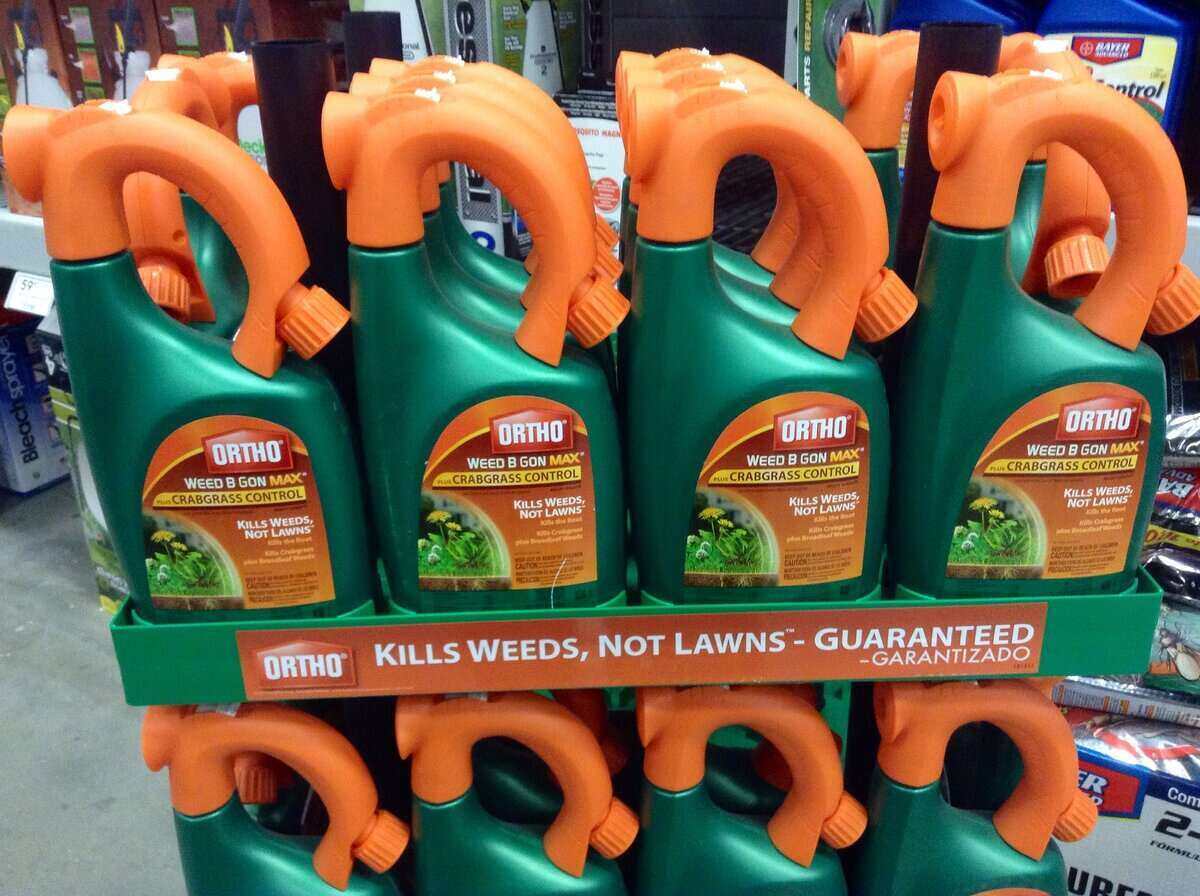
Wait at least two weeks before reapplying herbicide. Check the product label for specific timing. If weeds persist after two treatments, try a different herbicide. Avoid using multiple products at once to prevent lawn damage. Changing products can target different weed types more effectively.
Credit: www.lawnstarter.com
Frequently Asked Questions
What Is The Best Time To Spray Post-emergent Herbicide?
Spray post-emergent herbicide when weeds are actively growing and temperatures are between 60-85°F. Apply during calm, dry weather.
How To Apply Post-emergent Herbicides?
Apply post-emergent herbicides on dry weeds during calm weather. Use a sprayer for even coverage. Water lawn lightly afterward. Repeat as directed on the label for effective weed control. Avoid spraying before rain or extreme heat to prevent damage.
Will Post-emergent Herbicide Kill My Grass?
Selective post-emergent herbicides target weeds without harming grass. Non-selective types can kill grass and other plants. Always choose the right herbicide for your lawn type.
Is October Too Late To Spray For Weeds?
October is a good time to spray weeds, as herbicides move to roots before winter. Avoid spraying after frost or leaf damage.
Conclusion
Using post-emergent herbicides helps control weeds already in your lawn. Apply the herbicide carefully and follow instructions. Water the lawn as needed to activate the product. Repeat treatments may be necessary for stubborn weeds. Always avoid spraying on windy days to prevent drift.
Monitor your lawn’s health after application. This approach keeps your grass healthy and weed-free. Regular care leads to a greener, stronger lawn. Stay patient and consistent for the best results.