
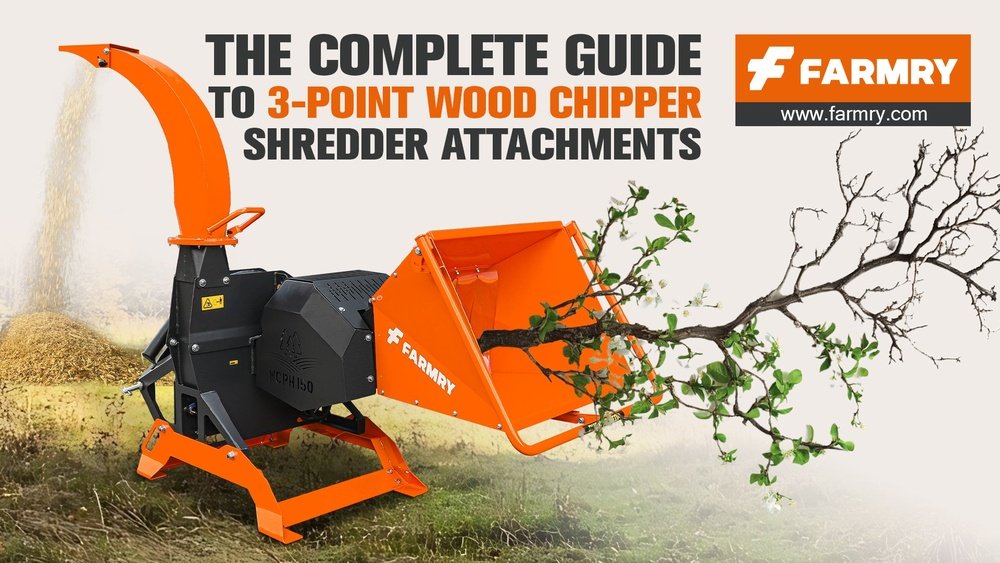
When you look at a pile of branches, leaves, and garden debris, it can feel overwhelming. A wood chipper shredder turns this mess into useful mulch or chips, making yard work easier and greener. Learning to use a wood chipper safely and efficiently is important for every homeowner, gardener, or landscaper. This guide covers everything you need to know about operating, maintaining, and getting the best results from your wood chipper shredder. You’ll find practical advice, safety tips, and expert insights that help you handle this powerful machine with confidence.
Understanding Wood Chipper Shredders
A wood chipper shredder is a machine designed to break down organic material like branches, leaves, and twigs. It uses sharp blades and strong motors to cut and shred debris into smaller pieces. These machines come in different types and sizes, suitable for residential gardens or professional landscaping.
Types Of Wood Chipper Shredders
There are several types of wood chipper shredders, each with unique features:
| Type | Power Source | Typical Use | Max Branch Size |
|---|---|---|---|
| Electric | Plug-in (120V) | Small yards | 1.5 inches |
| Gas-Powered | Gasoline engine | Medium to large yards | 3-5 inches |
| PTO (Tractor) | Tractor power take-off | Farms, estates | Up to 6 inches |
Electric models are best for small jobs and are quieter. Gas-powered models are more powerful and handle thicker branches. PTO chippers attach to tractors and are used for heavy-duty work on large properties. In recent years, battery-powered models have also appeared, but these are mostly suitable for very light work and may not handle thick branches well.
Key Parts And How They Work
A chipper shredder has several important parts:
- Hopper: Where you feed in branches and leaves.
- Cutting Blades: Sharp knives that slice the material.
- Shredder Flails: Used for softer material like leaves.
- Discharge Chute: Where the chips or mulch come out.
- Engine/Motor: Powers the blades.
Some larger machines include safety bars or automatic feed rollers. Understanding these features helps you use your machine more efficiently and safely. For example, automatic feed rollers can reduce effort but require extra attention to safety.
Knowing these parts helps you understand how the machine works and what to check during maintenance. Always refer to your manual for the exact location and shape of these parts on your model, as designs can vary.
Safety Tips Before You Start
Wood chipper shredders are powerful machines with sharp blades. Always follow safety steps before operating to avoid accidents.
Essential Safety Gear
Wear the right gear every time you use your chipper:
- Safety goggles: Protects your eyes from flying debris.
- Hearing protection: Chippers are loud, so use earplugs or earmuffs.
- Gloves: Thick, sturdy gloves guard your hands.
- Work boots: Steel-toe boots are best for safety.
- Long sleeves and pants: Prevent scratches and cuts.
Never wear loose clothing or jewelry that could get caught in the machine. If you have long hair, tie it back securely. Even a scarf or hoodie string can be dangerous near spinning blades.
A dust mask is also helpful, especially when shredding dry leaves or material that creates fine particles. Breathing in dust or tiny plant particles can cause irritation over time.
Preparing Your Work Area
Clear the area around your chipper shredder:
- Remove rocks, metal, and other non-organic objects.
- Keep children and pets away.
- Place the machine on level ground to avoid tipping.
- Make sure the discharge chute is not blocked.
Give yourself plenty of room to move material from pile to chipper. If you’re working with a helper, establish clear signals or communication to avoid misunderstandings. It’s also a good idea to keep a basic first aid kit nearby—better safe than sorry.
Machine Inspection Checklist
Before starting, inspect your chipper:
- Check oil and fuel levels (for gas models).
- Inspect blades for sharpness and damage.
- Look for loose bolts or screws.
- Test safety switches and emergency stops.
Take a quick look for any cracked or frayed wiring (on electric models), or fuel leaks (on gas models). A small problem, like a loose bolt or worn belt, can quickly turn into a bigger issue if ignored.
Regular inspections prevent breakdowns and keep the machine safe. Many problems are caught early just by doing a two-minute walk-around before each use.

Credit: www.farmry.com
Setting Up Your Wood Chipper Shredder
Proper setup is key for safe and efficient operation.
Assembling The Machine
Most chipper shredders arrive partially assembled. Follow your manual to:
- Attach the hopper and discharge chute.
- Secure all bolts and fasteners.
- Connect power (plug in or fill with gas).
Double-check each step to avoid mistakes. Some models require you to install safety shields or attach wheels. Take your time during assembly—the extra minutes spent here can prevent future issues.
If you’re unsure about any step, look up a video tutorial for your model. Watching someone assemble the same machine can clear up confusion.
Positioning For Best Results
Place your chipper shredder where you have enough space to move around. Point the discharge chute away from people, cars, or buildings. If possible, set up near your compost pile or garden beds to save time moving mulch.
Try to position the machine so you don’t have to turn or lift heavy branches far. This reduces fatigue and the risk of dropping material. On windy days, stand upwind of the discharge chute to avoid getting sprayed by chips or dust.
Weather Considerations
Avoid using your chipper in wet or icy conditions. Wet material can clog the blades and make the machine harder to control. Dry days are best for chipping and shredding.
If you must chip after rain, let branches dry for a few hours in the sun before starting. Not only will this help prevent clogs, but chips from dry wood are also more uniform and less likely to clump together.
How To Feed Material Into The Chipper
Knowing how to feed material correctly improves both safety and efficiency.
Best Practices For Feeding Branches
- Feed branches slowly, one at a time.
- Hold the branch firmly and guide it into the hopper.
- Let the machine pull the branch in—never force it.
- Stand to the side, not directly in front of the hopper.
If the branch is too thick or hard, cut it to size first. Most chippers have a maximum branch diameter—check your manual for limits.
Remove side branches, knots, or thick leaves before feeding. Straight branches feed more smoothly and are less likely to jam. If you feel resistance or hear the machine slowing, pause and clear any blockage before continuing.
Handling Leaves And Soft Material
Leaves, grass, and soft trimmings can clog the machine if fed all at once. Mix leaves with small twigs for better shredding. If your chipper has a separate shredder hopper, use it for softer material.
For best results, feed leaves in small handfuls rather than dumping a whole pile at once. Mixing dry and slightly moist leaves helps avoid dust clouds and promotes even shredding.
What Not To Put In A Chipper
Never put these items in your wood chipper shredder:
- Stones or rocks
- Metal objects
- Plastic or glass
- Wet, muddy material
- Large logs beyond the machine’s limit
These can damage the blades or cause dangerous jams.
Also avoid vines, fibrous plants, or stringy material like palm fronds unless your machine manual says it can handle them. These materials can wrap around blades and cause tough clogs that are hard to remove.
Common Mistakes And How To Avoid Them
Even experienced users make mistakes. Avoid these to get better results and stay safe.
- Overloading the hopper: Feeding too much at once can jam the machine.
- Ignoring maintenance: Dull blades or dirty filters reduce performance.
- Using the wrong material: Only chip dry, organic material within size limits.
- Not wearing safety gear: Always use goggles and gloves.
- Standing too close: Stay clear of the discharge chute and hopper opening.
A simple habit: check your machine and gear every time before use.
Another common mistake is not paying attention to the sound of the machine. Unusual noises often mean a jam is forming or a part is loose. Stop and investigate before continuing.
Maintaining Your Wood Chipper Shredder
Keeping your chipper in good shape extends its life and improves results.
Cleaning After Each Use
Remove debris from the hopper and discharge chute. Wipe down the exterior with a damp cloth. If you used the machine on wet material, let it dry before storing.
Use a brush or a stick (never your hands) to clear stuck material near the blades. Periodically check underneath the machine for chips or buildup that can cause rust or mold.
Blade Sharpening And Replacement
Blades dull over time. For best results, sharpen them every 10–15 hours of use or replace as needed. Some users sharpen blades themselves, but most find it easier to use a local service.
If you do sharpen at home, use a proper file or sharpening stone. Always disconnect the power and follow all safety instructions when working near blades. Keep a spare blade on hand so you can swap quickly if you hit a stone or other hard object.
Engine And Motor Care
- Gas models: Change oil every 20–30 hours of use. Check spark plugs and air filters.
- Electric models: Inspect cords for damage.
A clogged air filter or a dirty spark plug can make the engine hard to start or run rough. Clean or replace these parts as recommended in your manual. For electric models, check that the extension cord is rated for outdoor use and matches the power needs of your chipper.
Regular maintenance prevents breakdowns and saves money.
Seasonal Storage
Before storing your chipper for winter:
- Clean and dry all parts.
- Drain fuel (for gas models) or unplug.
- Store in a dry, sheltered area.
Cover the machine to protect from dust and moisture.
If you live in a humid area, adding a packet of silica gel or a moisture absorber in the storage cover can help prevent rust. Run the machine for a few minutes every month in the off-season to keep parts lubricated.
Getting The Most From Your Wood Chipper Shredder
A chipper shredder does more than just clean up your yard. Learn how to use the mulch and chips for gardening and landscaping.
Using Mulch In The Garden
Mulch made from chipped branches helps retain soil moisture, prevent weeds, and improve soil health. Spread a 2–3 inch layer around trees, shrubs, and flower beds. Avoid piling mulch against plant stems or trunks.
Fresh mulch can sometimes be too acidic for some plants. Letting it age for a few weeks helps balance the pH. As mulch breaks down, it adds organic matter to the soil, which improves drainage and encourages earthworms and beneficial microbes.
Creating Compost
Shredded leaves and twigs break down quickly in compost piles. Mix with grass clippings and kitchen waste for rich, fertile compost. The smaller the pieces, the faster they decompose.
Turn your compost pile every few weeks to add oxygen and speed up the process. Use a ratio of roughly two parts brown material (chipped branches, dry leaves) to one part green material (grass clippings, food scraps) for best results.
Landscaping Paths And Play Areas
Wood chips make excellent paths or play surfaces. They are soft, natural, and help prevent mud. Rake chips to an even depth and top up as needed.
Chips also suppress weeds along paths and create a clean, finished look. For play areas, use chips at least 4–6 inches deep for better cushioning.
Saving Money And Reducing Waste
Using a wood chipper shredder saves disposal fees and reduces landfill waste. You also save money by making your own mulch and compost instead of buying them.
If you have extra chips, offer them to neighbors or local community gardens. Some cities even have programs to pick up wood chips for public spaces.
Comparing Wood Chipper Shredders: Which Is Right For You?
Choosing the right chipper shredder depends on your needs, budget, and yard size.
| Model | Power | Capacity | Noise Level | Price Range |
|---|---|---|---|---|
| Sun Joe CJ601E | Electric | 1.5-inch | Low | $130–$170 |
| Champion 3-Inch | Gas | 3-inch | Medium | $550–$650 |
| Landworks PTO Chipper | Tractor PTO | Up to 6-inch | High | $1,200–$1,800 |
Electric models are quieter and easier to maintain, but limited in branch size. Gas models offer more power and capacity. PTO models are expensive but perfect for large properties.
Noise level and portability also matter. Electric models can be moved by one person and stored easily. Gas and PTO models are heavier and may require a trailer or tractor to move.
Advanced Usage Tips For Experienced Users
Once you’re comfortable using your chipper, you can try more advanced techniques.
Speeding Up Chipping
Cut branches to 3–4 foot lengths. Remove side shoots and leaves before feeding. This prevents jams and allows blades to work faster.
Stack branches with thicker ends first, so the chipper processes the hardest part before the smaller twigs. If you have a lot of material, sort by size and feed similar pieces together for smoother operation.
Preventing Clogs
If you notice frequent clogs:
- Alternate feeding dry and moist material.
- Pause between feedings to let the blades clear.
- Keep blades sharp and clean.
Taking a few seconds between each branch allows the machine to fully process material and reduces the risk of blockages.
Blade Maintenance Schedule
Keep a log of use hours. Sharpen blades after 10–15 hours, even if they look sharp. Clean blades with oil to prevent rust.
If you notice the machine vibrating more or producing uneven chips, inspect the blades. Balanced, sharp blades reduce wear and tear on the engine.
Machine Upgrades
Some chipper shredders allow for blade upgrades or extra attachments. Check your manual for compatible parts. Upgrading blades can improve performance and extend machine life.
There are also aftermarket attachments for collecting chips directly into bags or carts. These accessories can save you time and help keep your work area tidy.
Troubleshooting Common Wood Chipper Shredder Problems
Problems can happen, but most are easy to fix if you know what to look for.
Machine Won’t Start
- Check power source (plug or gas).
- Inspect spark plugs on gas models.
- Look for blown fuses or tripped breakers.
- Make sure safety switches are engaged.
Sometimes, a clogged air filter or old fuel causes startup problems. Replace fuel that’s been sitting for months and clean filters regularly.
Jamming Or Clogging
- Turn off and unplug the machine before clearing.
- Remove stuck branches carefully.
- Clean hopper and discharge chute.
If jams are frequent, check if you’re feeding material too quickly or using wood that’s too wet or fibrous.
Uneven Mulch Output
- Sharpen or replace blades.
- Feed material at a steady rate.
Consistent feeding and sharp blades give you uniform mulch, which is best for gardening and landscaping.
Excessive Vibration
- Check for loose bolts.
- Inspect blades for damage.
- Place machine on level ground.
Vibration can also mean a bent or unbalanced blade. Replace damaged blades as soon as possible.
Overheating
- Let the machine cool every 30–45 minutes.
- Clean vents and air filters.
On hot days, give the machine more frequent breaks. If overheating continues, check for hidden blockages or worn belts.
If problems persist, contact the manufacturer or a repair shop.
Environmental Benefits And Local Regulations
Using a chipper shredder is good for the environment, but you must follow local rules.
Reducing Waste
Chipping and shredding turn yard waste into useful material. This keeps organic matter out of landfills and reduces greenhouse gases.
By reusing wood chips and mulch in your garden, you’re also recycling nutrients and supporting soil health. It’s a simple way to help your local ecosystem.
Local Disposal Laws
Many cities have rules about yard waste disposal. Some require chipping before pickup or ban burning debris. Check your local regulations to avoid fines.
Some communities offer free drop-off sites for wood chips or compost material. Participating in these programs can help your neighborhood stay green and clean.
Noise Restrictions
Gas-powered chippers can be noisy. Some areas limit noise levels or hours of operation. Use quieter electric models if you live in a city.
If you must use a gas model, try to work during mid-morning or afternoon hours to avoid disturbing neighbors.
Fire Safety
Avoid using your chipper during dry, windy weather. Sparks from the engine can start fires. Keep a fire extinguisher nearby.
Clear dry leaves and flammable material from around your work area before starting. For more information on environmental regulations and safe disposal, visit EPA Recycling.
Wood Chipper Shredder Tips For Beginners
If you’re new to wood chippers, start slow and follow these tips:
- Read the manual: Every machine is different.
- Start with small branches: Get used to feeding and operation.
- Keep children and pets away: Safety comes first.
- Use mulch immediately: It is freshest and most effective.
- Clean after every use: Keeps your chipper in good shape.
Take short breaks to check the machine and clear your work area. It’s better to go slowly and learn than rush and risk a jam or injury.
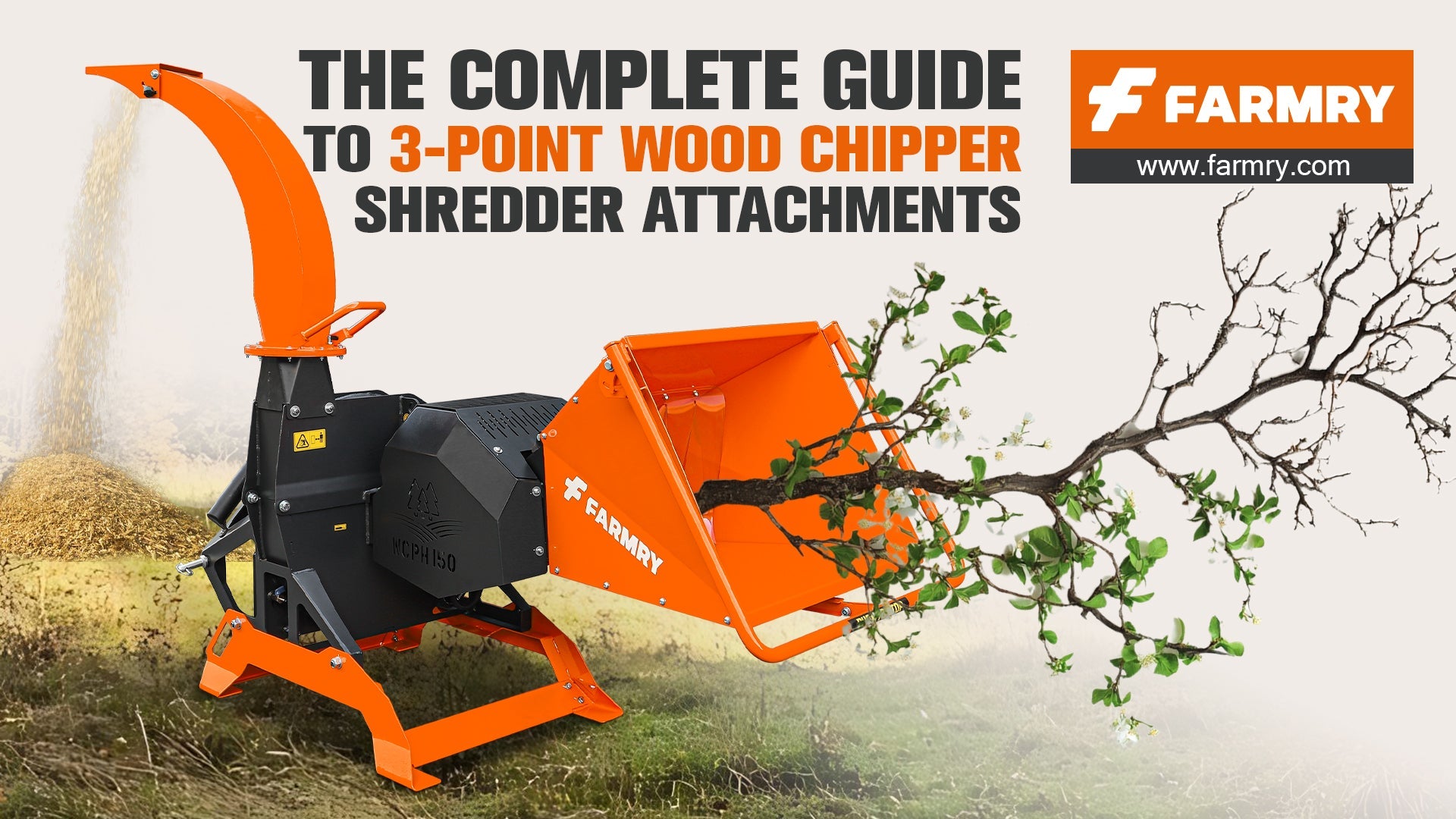
Credit: www.farmry.com
Real Examples: Chipper Shredders In Everyday Life
Let’s look at how people use wood chipper shredders:
- Home gardeners: Turn pruned branches into mulch for flower beds.
- Landscapers: Save time and money by making their own chips.
- Farmers: Create compost from crop waste for richer soil.
- City dwellers: Manage small yards with electric chippers.
One homeowner reported reducing landfill trips by 80% after getting a chipper shredder. Another user found their garden healthier after adding chipped mulch.
Community gardens often share one chipper among members, turning neighborhood cleanups into useful mulch for everyone. Some schools use chipped wood for safe, soft playground surfaces.
Comparing Wood Chipper Shredders: Electric Vs Gas Vs Pto
Here’s a quick comparison to help you choose:
| Feature | Electric | Gas | PTO |
|---|---|---|---|
| Power | Low | Medium | High |
| Noise | Low | High | High |
| Maintenance | Easy | Moderate | Difficult |
| Cost | Low | Medium | High |
| Best For | Small yards | Large yards | Farms |
Choose based on your yard size, budget, and maintenance comfort.
Extra Insights Most Beginners Miss
Many users overlook these important points:
- Blade alignment: Misaligned blades cause uneven chipping. Check alignment after every sharpening.
- Branch moisture: Dry branches chip better. Wet wood can clog the machine and dull blades faster.
- Material sorting: Sort material before chipping. Mixing types (e.g., leaves with branches) improves efficiency and reduces jams.
Also, remember to check for nails or wire in branches from old fences or construction. Even a small piece of metal can ruin blades quickly.
Frequently Asked Questions
What Size Branches Can I Put In A Wood Chipper Shredder?
Most residential chippers handle branches up to 1.5–3 inches thick. Larger, professional models can handle up to 6 inches. Always check your machine’s manual for exact limits.
How Often Should I Sharpen The Blades?
Sharpen blades every 10–15 hours of use, or sooner if you notice poor performance. Dull blades cause jams and uneven chips.
Is It Safe To Use A Chipper Shredder Alone?
Yes, but follow all safety precautions. Wear safety gear, keep children and pets away, and never reach into the hopper while the machine is running.
Can I Put Wet Leaves Or Grass In The Chipper?
Avoid putting wet material in the chipper. It can clog the blades and reduce efficiency. Let leaves and grass dry before shredding.
How Do I Store My Wood Chipper Shredder For Winter?
Clean the machine, drain fuel (for gas models), unplug electric models, and store in a dry, sheltered area. Cover to protect from dust and moisture.
Wood chipper shredders are powerful tools that make yard cleanup easier and greener. With the right machine, proper safety, and smart maintenance, you can turn garden waste into valuable mulch and compost. Follow these tips and best practices to get the most from your chipper, protect your investment, and help your garden thrive.

Credit: www.farmry.com