
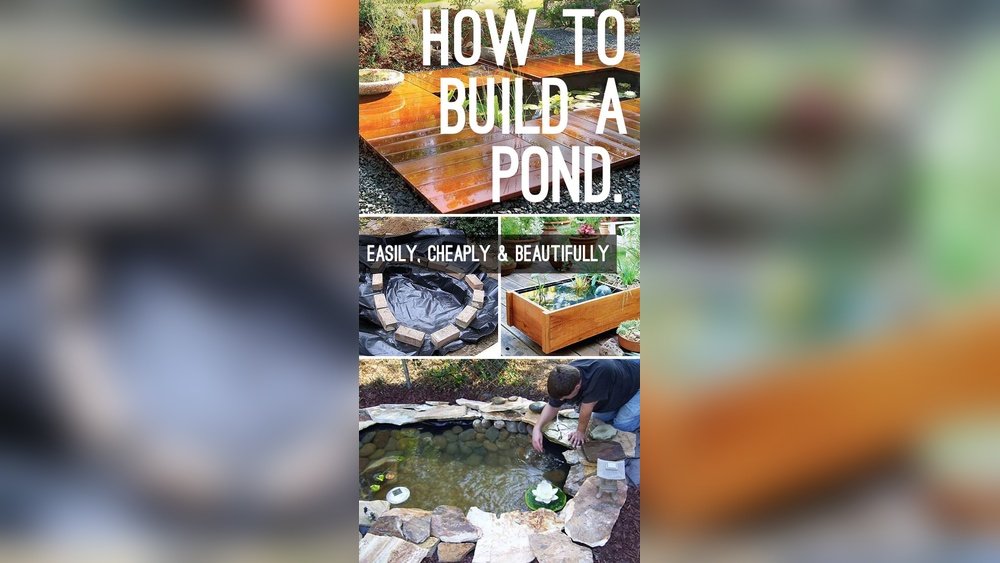
A backyard pond can transform any outdoor space. The sound of water, the sight of fish, and the lush greenery create a peaceful retreat right at home. But many people think building a pond is too expensive or too hard for beginners.
The truth is, you can create a beautiful backyard pond on a tight budget, using basic materials and simple techniques. Whether you dream of a small water garden or a lively koi pond, this guide will walk you through everything you need to know—without breaking the bank.
Why Build A Backyard Pond?
A backyard pond offers more than just good looks. Ponds attract birds, frogs, butterflies, and beneficial insects, making your garden come alive. They help cool your yard, increase humidity around plants, and can even raise your home’s value. For families, a pond offers a hands-on way to teach kids about nature and ecology.
If you love gardening, a pond lets you grow aquatic plants like lilies and lotuses. If you enjoy fish, a pond is a low-cost way to keep goldfish or koi. Even a small water feature can turn a dull corner into your favorite part of the yard.
Planning Your Cheap Backyard Pond
Before you start digging, planning is key. Good planning prevents costly mistakes and helps you get the best results for your budget.
Choosing The Right Spot
Sunlight is important for most pond plants, but too much sun can lead to algae blooms. Aim for a spot with 4–6 hours of sunlight each day. Avoid areas under large trees. Tree roots are hard to dig through, and falling leaves will dirty your pond.
Flat ground makes construction much easier. Avoid placing your pond at the lowest point in your yard, where rainwater might flood it with mud or fertilizer.
Deciding On Size And Shape
Smaller ponds are cheaper and easier to build, but larger ponds support more plants and fish. For most backyards, a pond of 3 to 6 feet wide and 18 to 24 inches deep is ideal. Round or oval shapes are simplest to dig and line, but you can get creative with curves if you like.
Pro Tip: Many beginners underestimate the work of digging. Mark your pond outline with a rope or garden hose and see how it fits in your yard.
Permits And Local Laws
Some cities or states require permits for ponds deeper than 18 inches or larger than a certain size. Check your local building codes before you start. If you plan to keep fish, make sure your pond is legal and safe for animals.
Setting A Realistic Budget
A cheap backyard pond can cost as little as $100–$500 if you use DIY methods and recycled materials. More elaborate ponds with pumps, waterfalls, and fish may cost up to $1,000. Setting a clear budget helps you choose the right size and features.
Tools And Materials: What You Really Need
You don’t need expensive equipment to build a backyard pond. Most tools are common garden items, and many materials can be found at hardware stores or even recycled.
Essential Tools
- Shovel or spade: For digging your pond shape
- Level: To ensure pond edges are even
- Utility knife or scissors: For trimming liner material
- Wheelbarrow: For moving soil (optional but helpful)
Materials On A Budget
- Pond liner: The main waterproof layer. Flexible PVC or EPDM liners are best, but thick plastic sheeting can work for small ponds.
- Underlayment: Old carpet, sand, or newspapers protect the liner from sharp stones.
- Rocks and stones: For the pond edge and decoration. Collect from your yard or buy in bulk.
- Gravel: For the pond bottom, to anchor plants and hide the liner.
- Water plants: Choose hardy, low-cost varieties.
- Pump (optional): For water movement and filtration; solar options are cheapest.
- Filter (optional): For cleaner water if you add fish.
- Aquatic soil: For potting pond plants.
- Netting: To keep leaves out, if needed.
Saving Money On Materials
- Look for second-hand liners or pond kits online.
- Check landscaping supply yards for free or cheap rocks.
- Ask friends or neighbors for extra pond plants—they often need thinning.
How To Build A Backyard Pond Step By Step
The process can seem daunting, but breaking it into steps makes it manageable. Here’s how to do it yourself, even if you have no experience.
Step 1: Mark Out Your Pond Shape
Lay a garden hose or rope in the shape you want. Use spray paint or flour to outline the shape on the grass. Stand back and check the size from different angles.
Step 2: Start Digging
Dig to your planned depth, making the sides slope gently so liner fits well. For small ponds, 18–24 inches deep is enough. If you want to keep fish, aim for at least 24 inches to protect them from temperature swings.
Non-obvious tip: Dig a small shelf (about 12 inches deep and 8 inches wide) around the edge for pond plants that like shallow water.
Step 3: Remove Rocks And Level The Edges
Clear out sharp stones or roots from the hole. Use a level to make sure the pond edges are even all around—this prevents water from spilling out on one side.
Step 4: Lay Down The Underlayment
Spread a layer of old carpet, sand, or newspapers in the bottom and up the sides. This protects your pond liner from punctures.
Step 5: Place The Pond Liner
Lay the liner loosely in the hole, smoothing it into corners and folds. Leave at least 12 inches of extra liner around the edge. Don’t trim yet—you’ll adjust it after adding water.
Liner Material Comparison
Here’s a quick comparison of common pond liners:
| Liner Type | Cost (per sq. ft.) | Durability | Flexibility | Best For |
|---|---|---|---|---|
| PVC Sheet | $0.50–$1.00 | 5–10 years | Good | Small ponds |
| EPDM Rubber | $1.00–$2.00 | 20+ years | Excellent | Any size |
| Thick Plastic Tarp | $0.20–$0.50 | 2–5 years | Fair | Temporary ponds |
Step 6: Fill The Pond With Water
Start filling the pond with a garden hose. As it fills, gently pull and adjust the liner to remove wrinkles. When the pond is full, let the liner settle for a day.
Step 7: Trim And Secure The Edges
Cut off extra liner, leaving at least 6–8 inches all around. Hide the edges by folding them under soil, rocks, or turf.
Step 8: Add Rocks, Gravel, And Plants
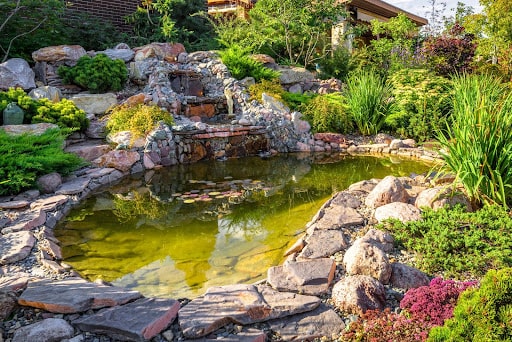
Place rocks around the edge to hide the liner and create a natural look. Add a layer of gravel to the bottom for a clean appearance and plant anchoring. Arrange water plants on the shelf and deeper areas.
Step 9: Install A Pump Or Filter (optional)
If you want moving water or plan to keep fish, add a small pump. Solar pumps are easiest for beginners and cost little to run. Place the pump so water flows over rocks or a small waterfall for natural filtration.
Step 10: Add Fish And Finish Up
If you want fish, let your pond settle for a week before adding them. Start with hardy types like goldfish or shubunkins. Avoid overstocking—a few fish per 100 gallons is best.
Extra Tip: Always treat tap water with a dechlorinator before adding fish.
Backyard Pond Ideas For Small Budgets
Building cheap doesn’t mean boring. Here are creative ways to make a unique pond without spending much:
- Use a preformed pond liner: These hard plastic shells are often cheaper than flexible liners for small ponds. Look for used ones online.
- Repurpose old bathtubs or livestock tanks: Paint them black for a natural look, bury partially in the ground, and decorate with stones.
- Create a container water garden: Use a large ceramic pot, whiskey barrel, or even a storage bin for a mini pond—no digging needed.
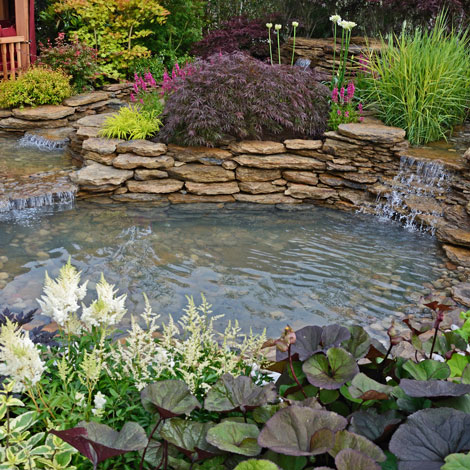
- Add a DIY waterfall: Stack flat rocks over a small pump for a simple waterfall feature.
- Use free or recycled materials: Old bricks, logs, and rocks can all be used to edge your pond.
Best Cheap Pond Plants To Grow
Plants help keep your pond healthy, oxygenate the water, and provide shade for fish. Many can be bought for a few dollars or even divided from friends’ ponds.
Top Choices For Cheap Backyard Ponds
- Water lilies: Classic floating flowers; small varieties suit tiny ponds.
- Hornwort: Fast-growing, oxygenates water, and floats freely.
- Water hyacinth: Floats on the surface, but check local laws—it’s invasive in some states.
- Iris: Grows in shallow water at the pond edge.
- Pickerel rush: Tall, blue-flowered plant for pond margins.
- Duckweed: Tiny, floating plant that multiplies quickly.
Insider tip: Ask at garden clubs—many pond owners give away extra plant cuttings for free.

Credit: www.youtube.com
Cheap Backyard Pond Maintenance Tips
A pond is low-maintenance compared to a pool, but a little care keeps it beautiful and clear.
Keeping Water Clean
- Remove dead leaves and debris weekly.
- Thin out fast-growing plants to prevent overgrowth.
- Use a small net to scoop out algae as needed.
Algae Control For Small Ponds
Algae can be a problem in sunny ponds, especially if there are few plants. The best defenses:
- Add floating plants for shade.
- Avoid overfeeding fish.
- Don’t use chemical fertilizers nearby.
Winter And Summer Care
- In winter, if your pond freezes, use a floating ball to keep a small hole for gas exchange.
- In hot summer, top up the water level and add shade plants to keep fish cool.
Cheap Vs. Expensive Pond Care: What Really Matters
| Care Task | Cheap Solution | Expensive Solution | What Works Best? |
|---|---|---|---|
| Water Circulation | Solar pump ($30–$50) | Large electric pump ($100+) | Solar for small ponds, electric for big ponds |
| Algae Control | Shade plants, manual removal | UV filter ($100+) | Shade plants are enough for most small ponds |
| Fish Health | Partial water changes, dechlorinator | Automatic filters, heaters | Partial water changes work well |
Common Mistakes To Avoid With Diy Backyard Ponds
Many first-time pond builders make the same errors. Avoid these for a smoother experience:
- Going too shallow: A pond less than 18 inches deep heats up fast and may not support fish.
- Using cheap, thin liners: Thin plastic tears easily and leads to leaks—invest in the best liner you can afford.
- Poor leveling: If edges are not level, water will spill out, and you’ll see exposed liner.
- Overstocking with fish: Too many fish create excess waste and cloudy water.
- Not enough plants: Plants are nature’s filter—add plenty for clear water.
- Placing under large trees: Falling leaves quickly clog and dirty your pond.
Credit: www.thepondguy.com
How Much Does A Backyard Pond Cost? Budget Breakdown
Here’s a sample cost estimate for a basic DIY backyard pond (about 6 feet wide):
| Item | Average Cost | Money-Saving Tip |
|---|---|---|
| Pond liner (PVC) | $50–$100 | Buy offcuts or used |
| Underlayment (old carpet) | Free–$20 | Recycle carpet or blankets |
| Rocks and gravel | $30–$70 | Collect from nature (where legal) |
| Plants | $15–$50 | Swap with other gardeners |
| Pump (solar) | $30–$60 | Buy used or wait for sales |
| Fish (optional) | $10–$30 | Start with goldfish |
| Total | $135–$330 |
Costs can be even lower if you use recycled materials or skip the pump and fish.
Eco-friendly Tips For Cheap Backyard Ponds
Building a pond is great for the environment if you follow these eco-smart practices:
- Use native plants that support local wildlife and resist pests.
- Avoid introducing non-native fish or plants that could become invasive.
- Collect rainwater to fill your pond, reducing tap water use.
- Skip chemical additives—let nature balance your pond.
Credit: www.skh.com
Adding Fish: What To Know For Beginners
If you want to keep fish, start simple. Goldfish are tough, cheap, and colorful. Avoid koi in small ponds—they need space and strong filtration.
Feed fish only what they eat in a few minutes. Uneaten food leads to water problems. In winter, stop feeding when water drops below 50°F.
Never release unwanted fish into wild ponds or rivers. It’s illegal and harms local habitats.
Making Your Pond Look Natural
Use rocks, driftwood, and plants to blend your pond into the landscape. Avoid perfect circles or straight lines. Plant tall grasses or flowers nearby to soften the edges.
Expert tip: Hide the pump and cords behind rocks or plants for a clean look.
Safety Considerations For Backyard Ponds
Even a shallow pond can be a hazard for kids and pets. Here are smart safety steps:
- Place the pond where you can see it from the house.
- Add a fence or low barrier if young children visit.
- Use pond netting to keep pets out.
- For very small children, consider a container pond instead of a ground-level pond.
Regional Tips: Adapting Your Pond To Local Conditions
Climate, soil, and wildlife affect your pond design. Here’s how to adapt:
- In hot, dry areas, choose deep ponds to keep water cool.
- In cold regions, make the pond at least 24 inches deep to prevent freezing.
- In areas with lots of wildlife, use sturdy liners and cover young plants with netting until they’re established.
Geographic note: Research which plants are legal and safe in your state. Some popular pond plants are banned in certain regions due to their invasive nature.
Improving Pond Health For Less
Healthy ponds need a balance of plants, animals, and clean water. Here are budget-friendly ways to keep your pond thriving:
- Partial water changes: Replace 10–20% of water every few weeks.
- Add more plants: They absorb nutrients and outcompete algae.
- Use a DIY filter: A bucket filled with lava rocks and a small pump can work as a cheap filter.
Non-obvious insight: If your pond is cloudy, check for decaying plant matter at the bottom. Removing old leaves can clear water fast.
Enhancing Your Backyard Pond On A Budget
Once your pond is established, try these upgrades:
- Add floating solar lights for night-time beauty.
- Set up a small bench or stepping stones nearby.
- Try a homemade fountain using a bucket and a cheap pump.
- Create a “bog garden” area for moisture-loving plants at the pond’s edge.
Frequently Asked Questions
How Deep Should A Backyard Pond Be?
For most backyard ponds, 18 to 24 inches deep is perfect. If you want to keep fish year-round or live in a cold climate, aim for at least 24 inches. Shallow ponds heat up quickly and may dry out faster.
Can I Build A Pond Without A Pump Or Filter?
Yes, it’s possible to build a natural pond without a pump or filter, especially if it’s small and has plenty of plants. Plants and bacteria help keep the water clear. However, a small solar pump helps prevent stagnation and mosquitoes.
What Is The Cheapest Way To Line A Backyard Pond?
The cheapest pond liner is usually heavy-duty plastic sheeting or a recycled pool liner. These work for small ponds but may not last as long as PVC or EPDM liners. Always use an underlayment to prevent tears.
How Do I Keep My Pond Water Clear Without Chemicals?
To keep pond water clear naturally:
- Add plenty of plants (especially floating types)
- Remove dead leaves and debris often
- Avoid overfeeding fish
- Change part of the water every few weeks
Where Can I Find More Information On Backyard Pond Building?
For more details, visit the Wikipedia page on garden ponds for a deep dive into pond building, design ideas, and maintenance tips.
Building a backyard pond cheaply is not only possible—it’s rewarding and fun. With a bit of planning and some creativity, anyone can enjoy the relaxing sound and beauty of water right outside their door. Your pond will attract wildlife, delight your family, and become the centerpiece of your garden for years to come.