
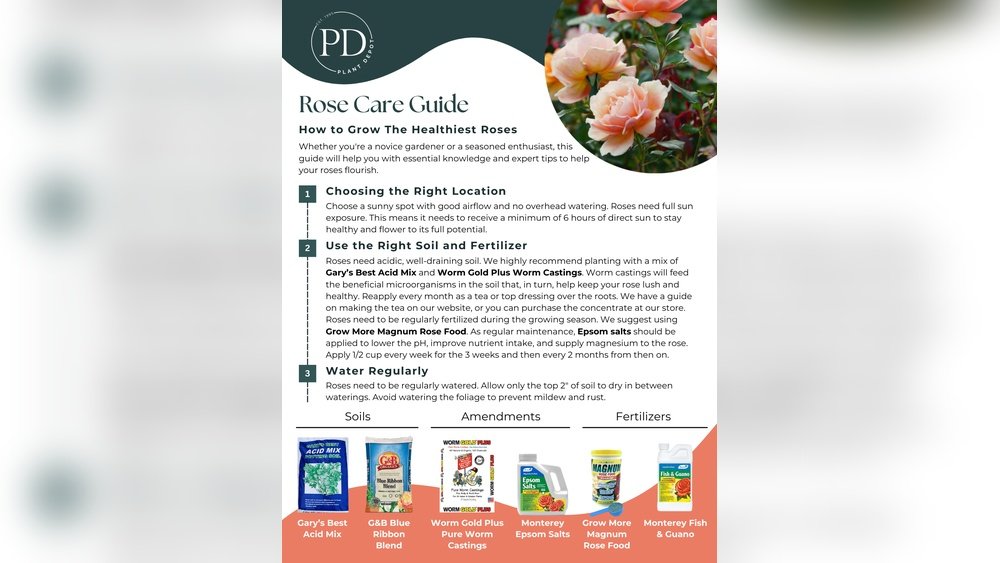
Roses are loved around the world for their beauty, fragrance, and ability to transform any garden. Whether you dream of a yard filled with classic red blooms or want a cheerful splash of yellow or pink, growing rose bushes can bring a lot of joy. But while roses are tough plants, they do need the right care to stay healthy and produce those famous flowers. Many people think roses are difficult, but with the right tips and understanding, anyone can enjoy a thriving rose garden.
This guide will show you how to care for rose bushes from planting to pruning. We’ll cover how to choose the right location, water properly, feed your roses, manage pests, and avoid common mistakes. Along the way, you’ll find practical advice, real examples, and two useful tables to compare varieties and fertilizers.
By the end, you’ll have the knowledge to keep your roses happy and blooming for years.
Choosing The Right Rose Bush
The first step to success is picking the right rose bush for your climate and garden style. There are thousands of varieties, but they fall into a few main types:
- Hybrid Teas – Famous for their large, single blooms on long stems. Great for cutting.
- Floribundas – Clustered blooms, very floriferous, and often hardy.
- Grandifloras – A cross between hybrid teas and floribundas.
- Climbing Roses – Ideal for trellises, fences, or arbors.
- Shrub Roses – Hardy, bushy, often disease-resistant.
- Miniature Roses – Small plants and blooms, perfect for pots.
Comparing Popular Rose Types
This table highlights some differences between common rose bush types:
| Type | Flower Size | Bloom Frequency | Hardiness | Best Use |
|---|---|---|---|---|
| Hybrid Tea | Large | Repeat | Moderate | Cut flowers |
| Floribunda | Medium | Continuous | High | Borders, beds |
| Grandiflora | Large | Repeat | Moderate | Mixed gardens |
| Climbing | Varies | Repeat/Once | Moderate | Walls, fences |
| Shrub | Medium/Large | Continuous | High | Hedges, mass planting |
| Miniature | Small | Continuous | High | Containers |
Non-obvious insight: Many beginners focus on flower color but forget to check disease resistance and local climate suitability. Ask your local garden center or extension office for varieties that do well in your area.
Planting Rose Bushes The Right Way
Proper planting gives roses a strong start. Roses can be planted in spring or fall, but in very cold areas, spring is best.
Location Matters
Roses need at least 6 hours of direct sunlight each day. Morning sun is better than afternoon sun, as it dries dew quickly and reduces disease risk. Avoid planting too close to large trees or dense shrubs, which can steal water and block sunlight.
Soil Preparation
Roses prefer slightly acidic soil (pH 6.0–6.5) that drains well but retains moisture. Heavy clay or sandy soils should be improved:
- For clay soils: Add compost, peat moss, or well-rotted manure to loosen soil.
- For sandy soils: Mix in organic matter to help retain water and nutrients.
Test your soil before planting. You can buy a simple soil test kit or ask your local extension office.
Planting Steps
- Dig a hole twice as wide and as deep as the rose’s root ball.
- Mix some compost or well-rotted manure into the removed soil.
- Make a small mound in the hole’s center.
- Place the rose bush on the mound. For grafted roses, keep the bud union (the swollen part near the base) about 1–2 inches above the soil in cold climates, or just at soil level in warmer zones.
- Spread roots gently over the mound.
- Fill the hole halfway with amended soil, water well, then finish filling.
- Water again, and press soil gently to remove air pockets.
- Add a 2–3 inch layer of mulch around the base, keeping it a few inches away from the stem.
Practical tip: Soak bare-root roses in a bucket of water for 6–24 hours before planting. This reduces transplant shock.

Credit: www.brecks.com
Watering For Healthy Growth
Watering is one of the most important parts of rose care. Roses need regular, deep watering—shallow, frequent watering encourages weak roots.
How Much Water?
Most established rose bushes need about 1–2 inches of water per week during the growing season. This can come from rain or irrigation.
- In hot weather, check soil moisture every few days.
- Stick your finger 2–3 inches into the soil: If it feels dry, it’s time to water.
Best Watering Methods
- Use a soaker hose or drip irrigation to water at the base. This keeps leaves dry and reduces disease risk.
- Water early in the morning so leaves dry quickly if they do get wet.
- Avoid overhead sprinklers if possible.
Non-obvious insight: Container roses dry out much faster than those in the ground. In hot climates, they may need water every day.
Feeding And Fertilizing Roses
To produce lots of flowers, roses are “hungry” plants and need regular feeding.
Main Nutrients Roses Need
- Nitrogen (N): For leafy growth.
- Phosphorus (P): For strong roots and blooms.
- Potassium (K): For overall health and disease resistance.
Fertilizer Types Compared
Here’s a quick comparison of common rose fertilizers:
| Fertilizer Type | Release Speed | How Often to Apply | Notes |
|---|---|---|---|
| Granular (slow-release) | Slow | Every 6–8 weeks | Easy, less frequent |
| Liquid | Fast | Every 2–4 weeks | Good for quick boost |
| Organic (compost, manure) | Slow | 2–3 times per season | Improves soil long-term |
| Foliar spray | Fast | Every 2–4 weeks | Absorbed through leaves |
When And How To Fertilize
- Start feeding when new growth appears in spring.
- Stop fertilizing 6–8 weeks before your first expected frost. This prevents tender new growth that can be damaged by cold.
- Water the soil before applying fertilizer to avoid burning roots.
- Scatter granular fertilizer around the drip line, not directly at the base.
Extra Tip
Add a handful of Epsom salts (magnesium sulfate) around each bush in spring. This can boost leaf color and flower production.
Common mistake: Over-fertilizing can burn roots and cause more harm than good. Follow package instructions carefully.
Mulching Matters
Mulch is one of the easiest and most effective ways to keep roses healthy.
Benefits Of Mulch
- Conserves soil moisture
- Regulates soil temperature
- Reduces weeds
- Adds organic matter as it breaks down
Best Mulch Materials
- Shredded bark
- Compost
- Cocoa hulls (avoid if you have pets)
- Pine needles (good for acidic soil)
Apply mulch 2–3 inches deep, keeping it a few inches from the stem to prevent rot. Refresh mulch each spring.
Practical tip: Don’t use stones or rubber mulch for roses. They don’t improve soil or retain moisture well.
Pruning Rose Bushes
Pruning keeps rose bushes healthy, encourages more flowers, and shapes the plant.
Why Prune?
- Removes dead, diseased, or weak branches (called “canes”)
- Improves air circulation
- Promotes new, vigorous growth
When To Prune
- In most climates: Prune in late winter or early spring when buds start to swell but before leaves appear.
- In very cold areas: Wait until severe cold is over.
Pruning Steps
- Use sharp, clean bypass pruners.
- Cut out all dead or blackened canes first.
- Remove thin, weak canes (smaller than a pencil).
- Shape the bush by cutting back 1/3 to 2/3 of old growth.
- Cut 1/4 inch above an outward-facing bud at a 45-degree angle.
- Remove any crossing branches that rub together.
Specific Pruning For Different Types
- Hybrid teas, grandifloras: Prune hard, leaving 3–5 strong canes.
- Floribundas, shrub roses: Prune more lightly, just removing old and weak growth.
- Climbing roses: Don’t prune heavily; just remove old or dead wood after blooming.
Non-obvious insight: Many new gardeners forget to disinfect pruners between bushes. This can spread disease. Wipe blades with alcohol or a 10% bleach solution.
Dealing With Common Rose Problems
Even well-cared-for roses can face pests and diseases. Early action keeps problems from getting out of control.
Pests To Watch For
- Aphids: Small green or black insects on new shoots and buds.
- Spider mites: Tiny, red or yellow, create webbing on leaves.
- Japanese beetles: Metallic beetles that chew leaves and flowers.
- Rose slugs: Small, green caterpillars that skeletonize leaves.
Natural Pest Control
- Spray with a strong jet of water to knock off aphids.
- Use insecticidal soap or neem oil (follow label directions).
- Encourage natural predators like ladybugs and lacewings.
Common Rose Diseases
- Black spot: Circular black spots on leaves, causing them to yellow and drop.
- Powdery mildew: White, powdery coating on leaves and buds.
- Rust: Orange or yellow spots on leaf undersides.
Disease Prevention
- Water at the base, not on leaves.
- Improve air flow by proper spacing and pruning.
- Remove and destroy infected leaves.
- Use disease-resistant varieties for less trouble.
Chemical Controls
If natural methods fail, use fungicides or pesticides as a last resort. Always follow label instructions and use personal protective equipment.
Extra tip: Clean up all fallen leaves and petals at the end of the season to reduce disease risk next year.
Seasonal Rose Care Calendar
Roses need different care at different times of the year. Here’s a quick calendar to keep you on track:
| Season | Main Tasks |
|---|---|
| Spring | Prune, fertilize, mulch, monitor new growth |
| Summer | Water deeply, feed, deadhead spent blooms, watch for pests/diseases |
| Fall | Stop fertilizing, reduce watering, clean up leaves, protect for winter |
| Winter | Mulch roots deeply, avoid pruning, check for animal damage |
Non-obvious insight: In cold climates, mound extra mulch or soil around the base of the bush after the first freeze to protect roots from temperature swings.
Deadheading And Encouraging More Blooms
Deadheading means removing faded flowers. This encourages more blooms and keeps bushes tidy.
How To Deadhead Roses
- Wait until petals start to drop.
- Cut just above the first set of 5 leaves below the flower.
- Use sharp, clean pruners.
- For cluster-flowering roses, remove the whole cluster once most blooms fade.
Why Deadheading Matters
- Plants focus energy on producing new blooms, not seeds.
- Reduces disease by removing decaying petals.
Exceptions
Some newer shrub roses are self-cleaning and don’t need deadheading. Check your variety.
Winter Protection For Roses
Roses can survive cold winters if protected properly.
Steps For Winterizing Roses
- Stop feeding in late summer to harden growth.
- Remove any diseased leaves or fallen debris.
- Mound 6–12 inches of soil or compost around the base after the first hard frost.
- Cover with straw, leaves, or evergreen boughs for extra insulation.
- For climbing roses, tie canes together and wrap with burlap.
Special Cases
- Container roses: Move pots to an unheated garage or bury them in the ground for winter.
- Mild climates: Less protection is needed, but mulch roots well.
Practical tip: Don’t remove winter protection too early. Wait until danger of frost has passed in spring.

Credit: www.pixiesgardens.com
Growing Roses In Containers
Not all gardens have space for rose beds. Luckily, many roses do well in pots.
Choosing Containers
- At least 15–18 inches wide and deep
- Drainage holes are essential
Potting Mix
Use a high-quality potting mix blended with compost. Avoid heavy garden soil.
Care Tips
- Water more often; pots dry quickly.
- Feed with a liquid fertilizer every 2–4 weeks.
- Place in a spot with at least 6 hours of sun.
Best Types For Pots
- Miniature roses
- Patio or compact shrub roses
- Some smaller floribundas
Non-obvious insight: Glazed ceramic or plastic pots retain water better than terracotta, which can dry out quickly.
Propagating Roses
Want to grow more roses from your favorite bush? You can propagate roses by cuttings.
Simple Propagation Steps
- In late spring or early summer, cut a healthy, non-flowering stem (6–8 inches).
- Remove the lower leaves.
- Dip the cut end in rooting hormone.
- Plant in a pot with moist, sterile potting mix.
- Cover with a clear plastic bag to keep humidity high.
- Place in bright, indirect light.
- Roots usually form in 4–8 weeks.
Not all cuttings will root, but it’s an inexpensive way to expand your garden.
Common Mistakes To Avoid
Learning from others’ mistakes can save time and frustration. Here are some pitfalls:
- Planting too deeply or too shallow – Check the bud union position for your climate.
- Overwatering or letting soil dry out – Both stress the plant.
- Fertilizing late in the season – Promotes growth that will be damaged by frost.
- Ignoring pruning – Leads to weak, tangled growth.
- Crowding roses – Poor air flow encourages disease.
- Using dull or dirty pruners – Injures plants and spreads problems.
- Not mulching – Misses out on moisture and weed control.
- Leaving old blooms – Reduces new flowers.
- Neglecting winter protection – Can kill roots and stems.
- Choosing the wrong variety – Not all roses thrive everywhere; check suitability.
Non-obvious insight: Many gardeners skip soil testing, not realizing that poor pH or nutrient imbalances can cause yellow leaves and weak growth.
Rose Varieties For Beginners
Not all roses are equally easy. If you’re just starting, try these reliable varieties:
- Knock Out – Disease-resistant, blooms all season, easy care.
- Carefree Beauty – Pink blooms, tough, little spraying needed.
- Flower Carpet – Low-growing, covers ground, blooms heavily.
- Iceberg – White floribunda, very floriferous.
- Bonica – Pink shrub rose, healthy and vigorous.
These roses perform well in many regions and require less fuss.

Credit: naturehills.com
Sustainable And Organic Rose Care
More gardeners want to grow roses with fewer chemicals. Here’s how:
- Use compost and organic fertilizers.
- Mulch with natural materials.
- Hand-pick pests or wash with water.
- Choose disease-resistant varieties.
- Encourage beneficial insects like bees and ladybugs.
- Use neem oil or insecticidal soap only as needed.
Extra tip: Plant companion plants like garlic, chives, or marigolds near roses. Some gardeners believe these can repel pests naturally.
For more on organic rose care, visit American Rose Society.
Frequently Asked Questions
How Often Should I Water My Rose Bushes?
Most roses need 1–2 inches of water per week. This can come from rain or your hose. In hot or windy weather, check soil moisture more often, especially for roses in containers. Always water at the base to keep leaves dry.
When Is The Best Time To Prune Roses?
Prune roses in late winter or very early spring, just as buds begin to swell. In cold climates, wait until severe cold is over. Remove dead, damaged, and weak wood, then shape the bush as needed.
What’s The Easiest Rose Variety For Beginners?
Knock Out roses are very popular for beginners. They resist disease, bloom all season, and need little special care. Other good choices include Flower Carpet, Bonica, and Carefree Beauty.
Why Are My Rose Leaves Turning Yellow?
Yellow leaves can have many causes, such as overwatering, underwatering, lack of nutrients, poor drainage, or disease. Check soil moisture, make sure your rose isn’t sitting in soggy soil, and feed regularly with a balanced fertilizer.
How Do I Protect My Roses From Black Spot Disease?
Plant disease-resistant varieties, space bushes for good air flow, prune regularly, and water at the base. Remove and destroy infected leaves. If needed, use a fungicide early in the season, following all label directions.
Growing rose bushes is a rewarding hobby that brings beauty and satisfaction to your garden. With the right care—good soil, sunlight, water, feeding, and a little routine maintenance—roses can thrive for decades. Don’t be discouraged by a few setbacks. Every gardener learns by trying, and the rewards are worth it. With these tips, even beginners can enjoy a garden full of healthy, blooming roses year after year.