
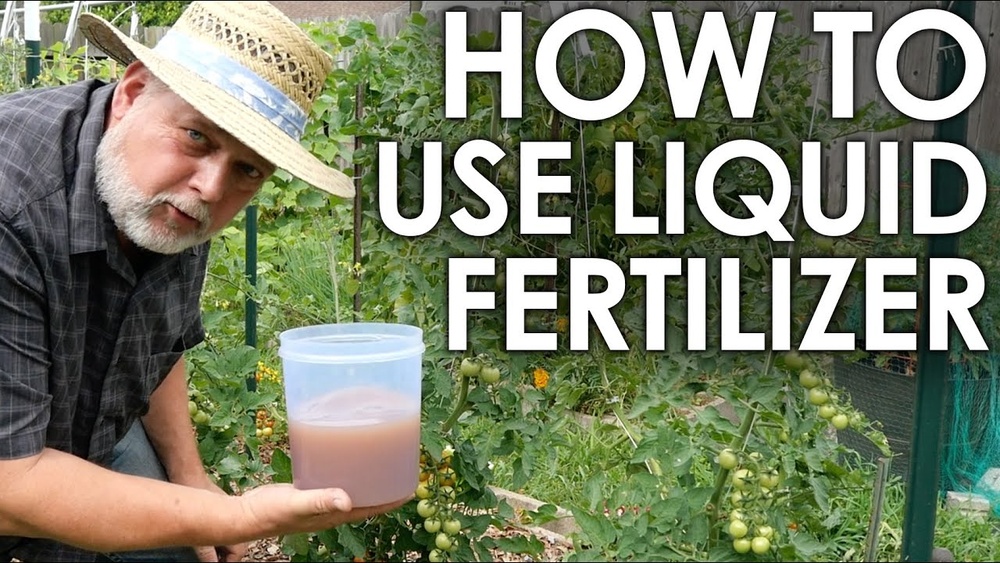
Are you looking to make your garden plants thrive like never before? Using liquid fertilizer might be the secret weapon you’ve been missing.
It’s quick, easy, and delivers nutrients straight to your plants, helping them grow stronger and healthier. But how do you use it correctly to get the best results? You’ll discover simple steps and expert tips that will turn your garden into a lush, vibrant oasis.
Keep reading to unlock the full potential of liquid fertilizer and watch your plants flourish!

Credit: www.amazon.com
Benefits Of Liquid Fertilizer
Liquid fertilizer offers many benefits for garden plants. It provides nutrients quickly and helps plants grow strong. Using liquid fertilizer can improve plant health and boost garden productivity. It is a popular choice among gardeners for its ease and efficiency.
Faster Nutrient Absorption
Plants absorb nutrients from liquid fertilizer faster than from solid types. The liquid form reaches roots and leaves quickly. This rapid uptake helps plants recover from stress faster. It also supports quick growth during the growing season.
Easy Application
Applying liquid fertilizer is simple and saves time. It mixes easily with water and sprays on plants. This method spreads nutrients evenly across the garden. It reduces waste and avoids over-fertilizing in one spot.
Versatility Across Plant Types
Liquid fertilizer suits many plants, including flowers, vegetables, and shrubs. It adapts well to different soil types and garden sizes. This flexibility makes it a practical choice for diverse gardens.
:strip_icc()/Fertilizing-plants-0440837aeee64749832645ba62572f95.jpg)
Credit: www.bhg.com
Choosing The Right Liquid Fertilizer
Choosing the right liquid fertilizer is key to healthy garden plants. The right product feeds plants well and supports strong growth. Different plants need different nutrients. The type of fertilizer affects how nutrients reach the roots. Understanding these factors helps pick the best option for your garden.
Organic Vs Synthetic Options
Organic liquid fertilizers come from natural sources like plants and animals. They improve soil health and release nutrients slowly. Synthetic fertilizers are made from chemicals. They provide nutrients quickly for fast plant growth. Organic options are gentle but slower. Synthetic options act fast but may harm soil over time. Choose based on your garden’s needs and care style.
Nutrient Ratios To Consider
Look at the N-P-K ratio on the fertilizer label. N stands for nitrogen, P for phosphorus, and K for potassium. Nitrogen helps leaves grow green and strong. Phosphorus supports roots and flowers. Potassium boosts overall plant health. Different plants need different ratios. Leafy greens need more nitrogen. Flowering plants need more phosphorus. Match the ratio to your plants’ growth stage and type.
Special Formulas For Specific Plants
Some liquid fertilizers are made for certain plants. For example, tomato fertilizers have extra calcium. Orchid formulas have balanced nutrients for delicate roots. Acid-loving plants like azaleas need fertilizers with extra iron. Using a special formula helps plants get exactly what they need. Check the label to find formulas designed for your garden plants.
Preparing Liquid Fertilizer Solution
Preparing the liquid fertilizer solution is the first step to feed your garden plants. It helps deliver nutrients directly to the roots and leaves. Mixing the right solution ensures plants get the proper nutrition without damage.
Follow simple steps to make a good liquid fertilizer mix. Use clear water and the correct amount of fertilizer. Mixing it well avoids clumps and ensures even feeding.
Dilution Guidelines
Check the fertilizer label for recommended dilution rates. Usually, a small amount of fertilizer goes into a large volume of water. Too strong a mix can burn plant roots or leaves. Too weak may not provide enough nutrients.
For most fertilizers, mix one tablespoon per gallon of water. Stir well until fully dissolved. Adjust the ratio based on plant type and growth stage. Always start with a weaker solution if unsure.
Tools Needed For Mixing
Use a clean watering can or bucket to mix the solution. A measuring spoon or cup helps add the right fertilizer amount. A stirring stick or spoon ensures even mixing.
Wear gloves to protect your hands from chemicals. Use clean water free from chlorine or impurities. Have a spray bottle ready if you plan to foliar feed plants.
Safety Precautions
Keep fertilizer away from children and pets. Store it in a cool, dry place. Avoid inhaling fertilizer dust or fumes during mixing.
Wear protective gloves and glasses to prevent skin and eye contact. Wash hands thoroughly after handling. Do not eat or drink while mixing fertilizer.
Application Techniques
Applying liquid fertilizer correctly helps plants absorb nutrients quickly. Different methods suit different plants and garden needs. Choose the right technique to boost plant health and growth.
Foliar Spraying
Foliar spraying means spraying liquid fertilizer directly on plant leaves. Leaves absorb nutrients fast through tiny pores. Use a spray bottle or garden sprayer for even coverage. Avoid spraying in strong sun or wind to prevent leaf burn. Early morning or late afternoon is best for spraying. This method works well for quick nutrient boosts.
Soil Drenching
Soil drenching involves pouring liquid fertilizer around the base of plants. Nutrients soak into the soil and reach roots directly. Use a watering can or hose attachment for easy application. Avoid overwatering; soil should be moist but not soggy. This technique supports steady and deep nutrient uptake. Good for all types of garden plants.
Frequency And Timing
Apply liquid fertilizer regularly but not too often. Too much can harm plants and soil life. Follow product instructions for safe intervals. Generally, feed plants every two to four weeks. Use liquid fertilizer during the growing season. Stop feeding plants before harvest or dormancy. Proper timing ensures strong and healthy plants.
Tips For Maximizing Growth
Maximizing growth with liquid fertilizer needs smart care and attention. Plants respond best when fertilizer fits well with other garden habits. Watching plants closely helps you know what they need next. Changing how you use fertilizer through seasons keeps plants strong year-round.
Combining With Other Garden Practices
Use liquid fertilizer along with good watering. Water helps nutrients spread through soil and reach roots. Keep soil loose and free of weeds. Healthy soil holds nutrients better. Mulch around plants to keep moisture and temperature steady. Healthy plants grow faster and resist pests easier.
Monitoring Plant Response
Check plants often after applying fertilizer. Look for brighter leaves and new growth. Watch out for signs of too much fertilizer like leaf burn or yellowing. Adjust the amount if plants look stressed. Small changes prevent damage and help plants thrive.
Adjusting Fertilizer Use Seasonally
Plants need different nutrients in spring, summer, and fall. Use more nitrogen in early growth to boost leaves. Switch to phosphorus and potassium later for flowers and fruits. Reduce fertilizer in cold months when plants grow slowly. Seasonal changes keep plants healthy and productive.
Common Mistakes To Avoid
Using liquid fertilizer on garden plants can boost growth and health. Avoiding common mistakes helps plants get the right care. This section explains key errors to watch for.
Overfertilizing Risks
Applying too much fertilizer can harm plants. It may burn roots and leaves. Overfertilizing also wastes money and resources. Follow the recommended dose on the label. Less is often better for healthy growth.
Ignoring Plant Specific Needs
Different plants need different nutrients. Using the same fertilizer for all plants can cause problems. Research each plant’s needs before applying fertilizer. Tailor the feeding to suit flowers, vegetables, or shrubs.
Improper Storage
Storing liquid fertilizer incorrectly reduces its effectiveness. Keep it in a cool, dark place away from children and pets. Avoid freezing or overheating the fertilizer. Proper storage keeps it safe and ready to use.
:strip_icc()/BHG-Types-of-Garden-Fertilizer-Fb-fTYGcqqK9y1MGOlfzOh-52e52c5904ad4418ba764013ab322c90.jpg)
Credit: www.bhg.com
Frequently Asked Questions
What Is The Best Time To Apply Liquid Fertilizer?
The best time to apply liquid fertilizer is early morning or late afternoon. This avoids leaf burn from the sun and maximizes nutrient absorption. Applying during cooler parts of the day ensures plants use nutrients effectively without stress.
How Often Should I Use Liquid Fertilizer On Garden Plants?
Use liquid fertilizer every 1 to 2 weeks during the growing season. Frequent feeding supports healthy growth and flowering. Overuse can harm plants, so follow label instructions carefully for the best results.
Can Liquid Fertilizer Harm My Plants?
Liquid fertilizer can harm plants if over-applied or too concentrated. Always dilute according to instructions and avoid applying during extreme heat. Proper use promotes growth without causing nutrient burn or root damage.
How Do I Dilute Liquid Fertilizer For Garden Plants?
Dilute liquid fertilizer with water as per the product label, usually 1-2 tablespoons per gallon. Proper dilution prevents nutrient overload and protects plant roots. Mix thoroughly before application for even nutrient distribution.
Conclusion
Using liquid fertilizer helps plants grow healthy and strong. Apply it carefully and follow instructions on the label. Water your plants before and after feeding to avoid burning roots. Regular feeding supports better blooms and greener leaves. Watch your plants for signs of overfeeding or lack of nutrients.
Simple steps can lead to a beautiful garden. Keep your routine consistent for best results. Happy gardening!