
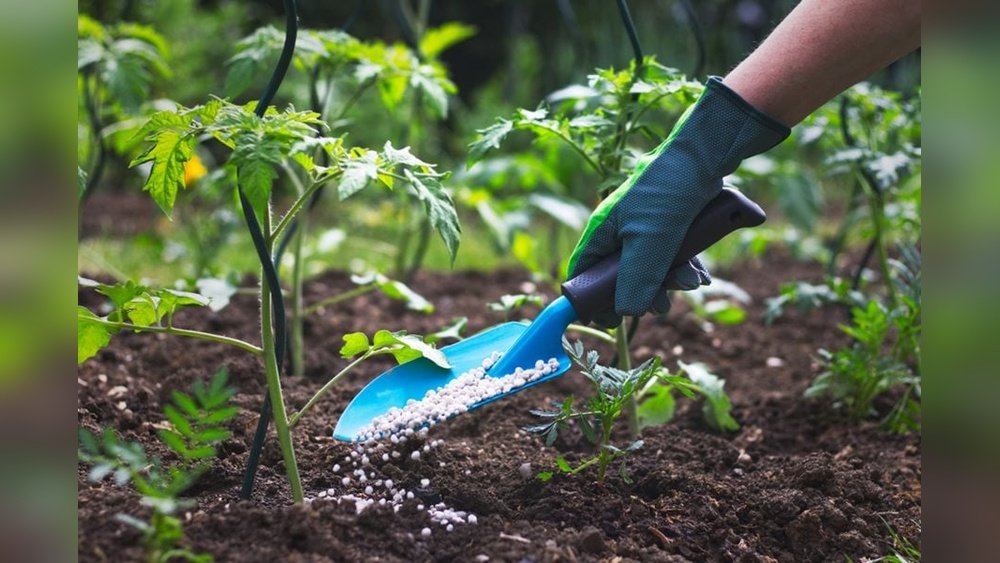
Spring is the perfect time to give your garden plants the boost they need to grow strong and healthy. But how do you know when and how to fertilize your plants?
If you want vibrant flowers, lush leaves, and a thriving garden, understanding the right fertilizing techniques is key. You’ll discover simple, effective ways to feed your garden plants this spring—helping you avoid common mistakes and get the best results. Keep reading, and your garden will thank you with a stunning display all season long.

Credit: www.epicgardening.com
Choosing The Right Fertilizer
Choosing the right fertilizer is key to healthy spring plants. Fertilizer gives plants the nutrients they need to grow strong. Different plants have different needs. Knowing what type of fertilizer to use helps your garden thrive.
Types Of Fertilizers
Fertilizers come in many forms. Granular fertilizers release nutrients slowly over time. Liquid fertilizers work fast and are easy to apply. There are also slow-release pellets that feed plants for weeks. Each type fits different gardening styles and plant needs.
Organic Vs. Synthetic Options
Organic fertilizers come from natural sources like compost or manure. They improve soil health and release nutrients slowly. Synthetic fertilizers are made from chemicals. They provide nutrients quickly but can harm soil if overused. Choose based on your garden’s needs and your care routine.
Nutrient Needs Of Spring Plants
Spring plants need nitrogen, phosphorus, and potassium. Nitrogen helps leaves grow green and strong. Phosphorus supports root and flower development. Potassium boosts overall plant health. Check your soil to see which nutrients are missing. Use fertilizer that fills those gaps for best results.
Credit: www.jacksonandperkins.com
Preparing Your Garden Soil
Preparing your garden soil is the first step to healthy plants in spring. Good soil helps plants grow strong roots and absorb nutrients. Before fertilizing, check the soil’s condition. This saves you time and money. It also ensures plants get exactly what they need.
Soil Testing Methods
Soil testing shows what nutrients your soil lacks. You can use a simple soil test kit from a garden store. Take samples from different spots in your garden. Mix them together and follow the kit instructions. Another option is sending soil samples to a local extension service. They provide detailed reports and advice. Testing helps avoid over-fertilizing or missing key nutrients.
Improving Soil Quality
Good soil holds water and air well. Add organic matter like compost or aged manure to improve soil texture. This makes it easier for roots to grow. Mix organic matter into the top 6 to 8 inches of soil. Avoid compacted soil by loosening it with a garden fork. Healthy soil encourages beneficial microbes that help plants.
Balancing Ph Levels
Soil pH affects nutrient availability to plants. Most garden plants prefer a pH between 6 and 7. Test soil pH using a simple kit or lab service. If soil is too acidic, add lime to raise pH. For alkaline soil, add sulfur or peat moss to lower pH. Adjusting pH helps plants absorb nutrients better and grow well.
Timing Your Fertilization
Timing your fertilization is key to healthy garden plants in spring. Applying fertilizer at the right moment helps plants absorb nutrients better. It also supports strong growth and vibrant blooms. Knowing when to feed plants prevents waste and protects the environment. Learn the best time to fertilize, how often to apply, and signs your plants need feeding.
Best Time In Spring
Start fertilizing after the last frost date in your area. Soil should be warm enough for roots to grow. Early spring is great for slow-release fertilizers. They provide nutrients steadily over weeks. For fast-acting fertilizers, apply when plants show new growth. Avoid fertilizing too early to prevent root damage.
Frequency Of Application
Most garden plants need feeding every four to six weeks. Use slow-release fertilizer once or twice in spring. Fast-acting types may need feeding every two weeks. Check fertilizer instructions for specific guidance. Over-fertilizing can harm plants and soil health. Stick to recommended amounts and intervals for best results.
Signs Your Plants Need Feeding
Look for pale or yellowing leaves. Slow growth and weak stems are warning signs. Flowers may be fewer or smaller than usual. Leaf edges turning brown can also indicate nutrient deficiency. If plants look dull or tired, feeding can help. Regularly check plants for these signs in spring.

Credit: www.plantshed.com
Application Techniques
Applying fertilizer correctly helps your garden plants grow strong and healthy. Different methods suit different plants and soil types. Choosing the right technique ensures nutrients reach the roots or leaves effectively. Here are some easy ways to apply fertilizer in spring.
Granular Fertilizer Tips
Granular fertilizer comes in solid form and spreads easily on soil. Sprinkle it evenly around the base of plants. Avoid piling fertilizer near stems to prevent burning. Water the soil after applying. This helps nutrients soak in and reach roots. Use a hand spreader for large areas. Granular types release nutrients slowly over time.
Liquid Fertilizer Methods
Liquid fertilizer dissolves in water for quick absorption. Mix it according to package instructions. Use a watering can or hose attachment to apply. Pour the solution directly onto soil around plants. Liquid fertilizers work fast and boost growth quickly. They are perfect for young or thirsty plants. Repeat applications every two weeks for best results.
Foliar Feeding Benefits
Foliar feeding means spraying fertilizer on leaves. Plants absorb nutrients through tiny leaf pores. This method works fast and fixes nutrient problems quickly. Use a fine spray to cover leaves lightly. Avoid spraying in hot sunlight to prevent leaf damage. Foliar feeding supports strong, green leaves and improves plant health.
Special Care For Different Plants
Different plants need different care in spring. Fertilizing each type properly helps them grow strong. Knowing what each plant needs makes your garden healthy and vibrant.
Flowering Plants
Use a fertilizer rich in phosphorus for flowering plants. Phosphorus helps flowers bloom beautifully. Apply it evenly around the base of the plant. Water the fertilizer well into the soil. Avoid over-fertilizing to prevent leaf growth instead of blooms.
Vegetables And Herbs
Choose a balanced fertilizer with nitrogen, phosphorus, and potassium. Nitrogen supports leaf and stem growth, important for vegetables and herbs. Spread fertilizer evenly and mix it into the soil. Water after applying to help nutrients reach roots quickly. Fertilize every few weeks for best results.
Trees And Shrubs
Trees and shrubs benefit from slow-release fertilizers. These provide nutrients over time without overwhelming roots. Spread fertilizer in a wide circle around the base. Keep it away from the trunk to avoid damage. Water deeply to help nutrients soak into the soil.
Avoiding Common Fertilizing Mistakes
Fertilizing garden plants in spring helps them grow strong and healthy. Mistakes during fertilizing can harm plants or waste fertilizer. Avoid these errors to get the best results and protect your garden.
Overfertilization Risks
Too much fertilizer can burn plant roots and stop growth. It can make plants grow too fast and weak. Overfertilized soil loses nutrients and harms beneficial microbes. Use the recommended amount on the fertilizer label only.
Watering Practices
Water plants before and after fertilizing to help nutrients soak in. Avoid watering too much or too little. Overwatering can wash fertilizer away. Underwatering keeps nutrients from reaching roots. Find a balance for best nutrient absorption.
Environmental Impact
Excess fertilizer can pollute nearby water sources. It causes algae growth that harms fish and plants. Fertilizer runoff also wastes money and resources. Apply fertilizer carefully and avoid windy or rainy days to reduce waste.
Frequently Asked Questions
What Is The Best Fertilizer For Spring Garden Plants?
The best fertilizer for spring plants is balanced, like 10-10-10 NPK. It promotes healthy root and leaf growth. Organic options like compost also improve soil quality and nutrient availability.
When Should I Start Fertilizing Garden Plants In Spring?
Start fertilizing garden plants as soon as soil thaws. Early spring feeding supports new growth and flower development. Avoid fertilizing too early to prevent root burn.
How Often Should I Fertilize My Garden In Spring?
Fertilize garden plants every 4-6 weeks during spring. This frequency ensures steady nutrient supply. Avoid over-fertilizing, which can harm plants and soil health.
Can I Use Homemade Compost As Fertilizer In Spring?
Yes, homemade compost is excellent for spring fertilizing. It enriches soil with nutrients and beneficial microbes. Compost improves soil structure and moisture retention naturally.
Conclusion
Fertilizing your garden plants in spring helps them grow strong. Use the right fertilizer for each plant type. Apply it evenly and avoid overfeeding. Water plants after fertilizing to help nutrients soak in. Watch your garden regularly for signs of growth.
Healthy plants bring colorful flowers and fresh vegetables. Enjoy the fruits of your careful care. Start early and keep your garden happy all season. Simple steps make a big difference in spring gardening.