
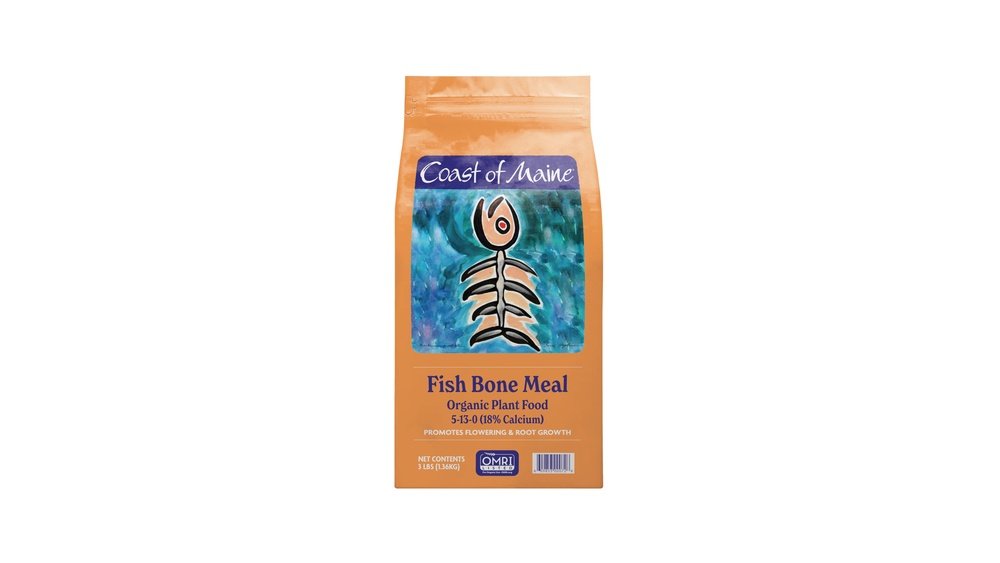
Are you struggling to give your plants the nutrients they need to thrive? Phosphorus is one of the key minerals that helps your garden grow strong roots and vibrant blooms.
But how do you make sure your soil has enough of it? Using bone meal as a soil amendment might be the simple solution you’ve been looking for. You’ll discover how bone meal can boost the phosphorus levels in your garden, why it works so well, and the best way to use it for healthy, flourishing plants.
Keep reading to unlock the secret to richer soil and a more bountiful garden.
Benefits Of Bone Meal For Plants
Bone meal is a natural fertilizer that helps plants grow strong and healthy. It provides key nutrients that plants need. Using bone meal can improve your garden’s soil and boost plant growth.
Plants absorb nutrients from the soil. Bone meal adds phosphorus, which many soils lack. This helps plants develop better roots and flowers. The benefits of bone meal make it a smart choice for gardeners.
Rich Source Of Phosphorus
Bone meal contains high levels of phosphorus. Phosphorus is a vital nutrient for plants. It helps plants convert energy from sunlight. This nutrient supports cell growth and repair. Many soils do not have enough phosphorus. Adding bone meal fixes this problem. It releases phosphorus slowly, feeding plants over time.
Improves Root Development
Strong roots help plants absorb water and nutrients. Bone meal encourages roots to grow deep and wide. Healthy roots make plants more stable. They also help plants survive dry conditions. Bone meal supports young plants during early growth. Better roots mean better overall plant health.
Supports Flower And Fruit Growth
Phosphorus from bone meal boosts flower and fruit production. Plants use phosphorus to create blooms and fruit. More flowers mean more fruits for harvest. Bone meal helps plants bloom faster and fuller. Gardeners see better yields and healthier plants. This makes it ideal for fruit and flower gardens.
Credit: waltsorganic.com
Choosing The Right Bone Meal
Choosing the right bone meal is important for healthy plants. Bone meal supplies phosphorus, which helps roots grow strong. Not all bone meal products are the same. Understanding the types and quality will help you pick the best one.
Types Of Bone Meal Available
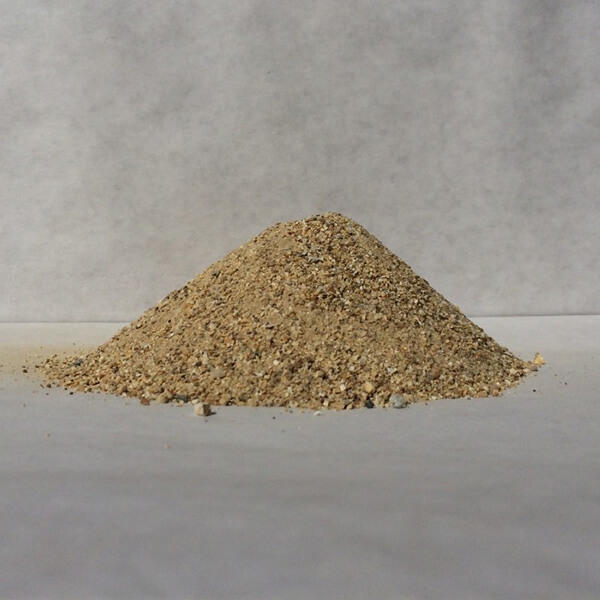
Bone meal comes in different forms. Powdered bone meal is the most common. It mixes easily into soil. Granulated bone meal breaks down slower, releasing nutrients over time. Some bone meal is raw, while others are steamed or cooked. Each type affects how fast plants get phosphorus.
Organic Vs. Synthetic Options
Organic bone meal comes from animal bones. It is natural and safe for the environment. Synthetic bone meal may contain added chemicals. Organic options improve soil health and feed microbes. Synthetic ones might act faster but can harm soil life. Choose based on your garden’s needs and values.
Quality Indicators To Look For
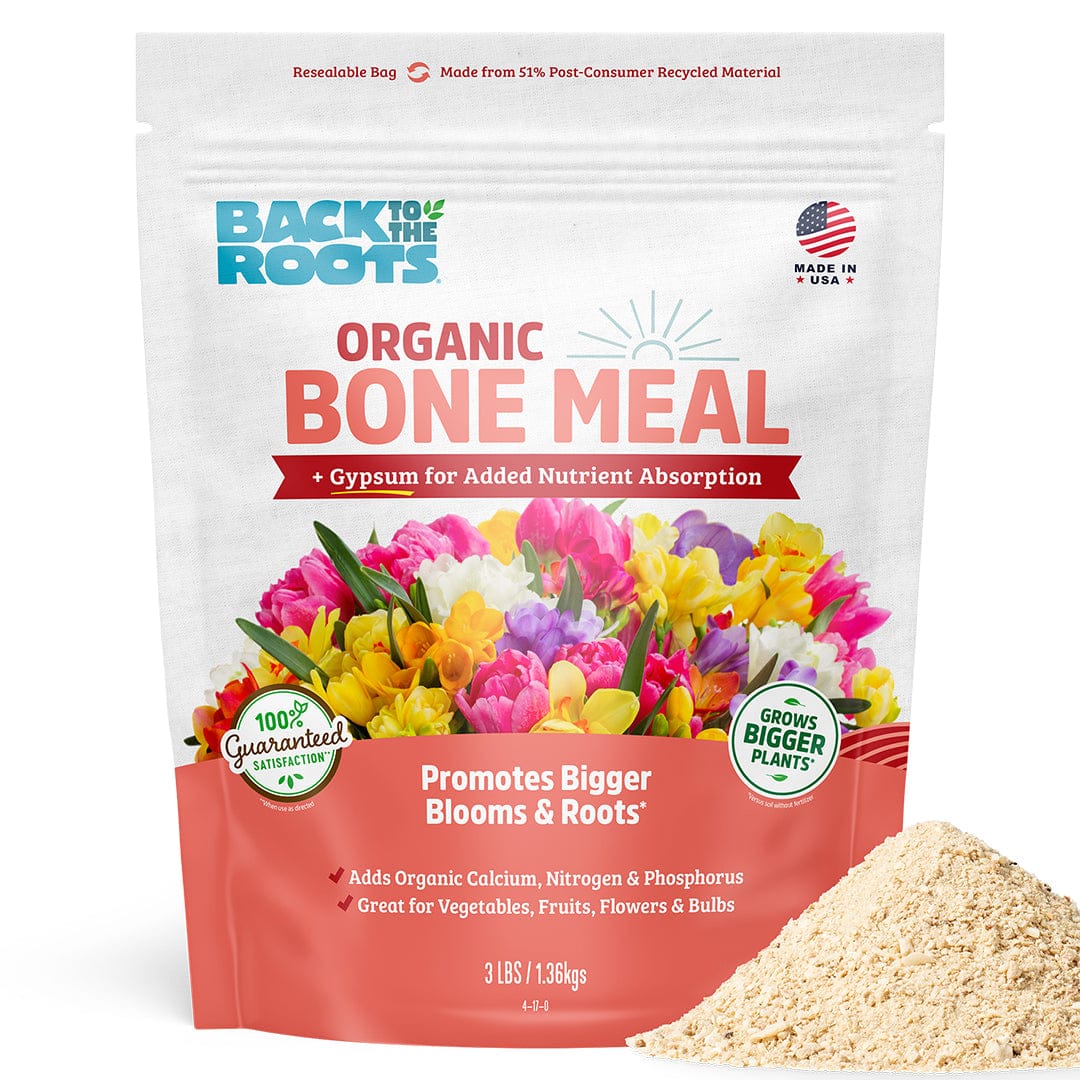
Check the label for phosphorus content. Higher phosphorus means better nutrition for plants. Look for bone meal that is finely ground for quick release. Avoid products with fillers or additives. Certified organic bone meal assures purity. Fresh bone meal smells neutral, not sour or strong.
How To Apply Bone Meal
Applying bone meal to your garden soil helps boost phosphorus levels. Phosphorus supports strong roots and flower growth. Using bone meal properly can improve plant health and yield. Follow these simple steps to apply bone meal effectively.
Soil Preparation Tips
Loosen the soil before adding bone meal. This helps nutrients reach plant roots. Remove weeds and debris from the area. Mix bone meal into the top 3 to 4 inches of soil. Water the soil well after application to activate nutrients.
Application Rates For Different Plants
Use 1 to 2 tablespoons of bone meal per plant for small flowers and herbs. For larger plants, like vegetables or shrubs, use 3 to 4 tablespoons. Spread bone meal evenly around the base of each plant. Avoid piling it up against stems to prevent damage.
Best Timing For Application
Apply bone meal before planting to prepare the soil. For established plants, add bone meal in early spring or fall. Avoid applying during hot, dry weather to reduce nutrient loss. Water plants after adding bone meal to help nutrients absorb faster.
Combining Bone Meal With Other Amendments
Combining bone meal with other soil amendments can improve your garden’s health. Bone meal is rich in phosphorus, which helps roots grow strong. Mixing it with other materials balances soil nutrients. This approach helps plants absorb nutrients better and grow healthier.
Balancing Nutrients
Bone meal provides phosphorus but lacks nitrogen and potassium. Adding compost or manure adds these missing nutrients. Balanced soil nutrition supports all parts of the plant. This prevents nutrient shortages that slow plant growth. Testing your soil helps decide the right mix of amendments.
Using With Compost And Manure
Compost and manure add organic matter and nutrients to the soil. They improve soil texture and water retention. Mixing bone meal with compost or manure creates a nutrient-rich blend. This blend feeds plants slowly and steadily. Spread them evenly around plants for the best effect.
Avoiding Over-fertilization
Too much bone meal can cause phosphorus buildup. Excess phosphorus harms plants and soil life. Use bone meal carefully and in recommended amounts. Combine it with other amendments to reduce risk. Regular soil tests help track nutrient levels and keep your garden healthy.
Monitoring Soil Phosphorus Levels
Monitoring soil phosphorus levels is important for healthy plant growth. Phosphorus helps plants build strong roots and produce flowers and fruits. Too little phosphorus slows growth. Too much can harm plants and the environment. Regular checks keep soil balanced and plants thriving.
Soil Testing Methods
Testing soil phosphorus is simple. Use a soil test kit from a garden store. Take samples from different garden spots. Mix them well and follow kit instructions. Send samples to a local extension office for detailed reports. Testing shows exact phosphorus levels. This helps decide how much bone meal to add.
Signs Of Phosphorus Deficiency
Plants with low phosphorus grow slowly. Leaves may turn dark green or purple. Roots stay small and weak. Flowers and fruits can be fewer or small. Watch plants closely for these signs. Early detection helps fix problems fast.
Adjusting Bone Meal Use Accordingly
Use soil test results to guide bone meal use. Add bone meal only if phosphorus is low. Follow package instructions for amounts. Avoid overuse to prevent nutrient buildup. Re-test soil every few months to track changes. Adjust bone meal application based on new results.

Credit: us.amazon.com
Common Mistakes To Avoid
Using bone meal as a phosphorus source can boost your garden’s health. Avoid common mistakes to get the best results. These errors can harm plants or waste your efforts. Learn what to watch out for to use bone meal safely and effectively.
Over-application Risks
Applying too much bone meal can harm plants. Excess phosphorus can block other nutrients. This leads to poor plant growth and yellow leaves. Overuse also risks phosphorus runoff, polluting nearby water. Follow package instructions carefully to prevent these problems.
Ignoring Soil Ph
Bone meal works best in certain soil pH ranges. It releases phosphorus well in neutral to slightly acidic soils. In very acidic or alkaline soils, phosphorus becomes less available. Test your soil pH before applying bone meal. Adjust soil pH if needed for better results.
Using Bone Meal In Inappropriate Conditions
Bone meal breaks down slowly and needs warm soil. Applying it in cold or dry soil reduces its effectiveness. Avoid using bone meal in wet or waterlogged areas. These conditions prevent proper nutrient release and absorption. Choose the right time and place for application.
Credit: backtotheroots.com
Frequently Asked Questions
What Is Bone Meal And How Does It Provide Phosphorus?
Bone meal is a natural fertilizer made from ground animal bones. It supplies phosphorus slowly, promoting root growth and flowering. It’s ideal for phosphorus-deficient soils and supports healthy plant development over time.
How Do I Apply Bone Meal For Phosphorus In Soil?
Apply bone meal by sprinkling it evenly on the soil surface or mixing it into the soil. Use about 10 pounds per 100 square feet. Water the area well to help release phosphorus into the soil.
Can Bone Meal Improve Soil Phosphorus Levels Quickly?
Bone meal releases phosphorus slowly, making it a long-term soil amendment. It does not provide quick phosphorus spikes but improves soil fertility gradually over weeks to months.
Is Bone Meal Safe For All Types Of Plants?
Bone meal is generally safe for most plants, especially flowering and fruiting ones. Avoid using it near acid-loving plants, as it can raise soil pH slightly.
Conclusion
Bone meal adds phosphorus to soil gently and naturally. It supports strong root growth and healthy plants. Use it in gardens, flower beds, or vegetable patches. Spread it evenly and water the soil after application. This helps plants absorb phosphorus better.
Bone meal works slowly, so patience is key. Regular use improves soil quality over time. Choose bone meal to nourish your garden safely and effectively.