
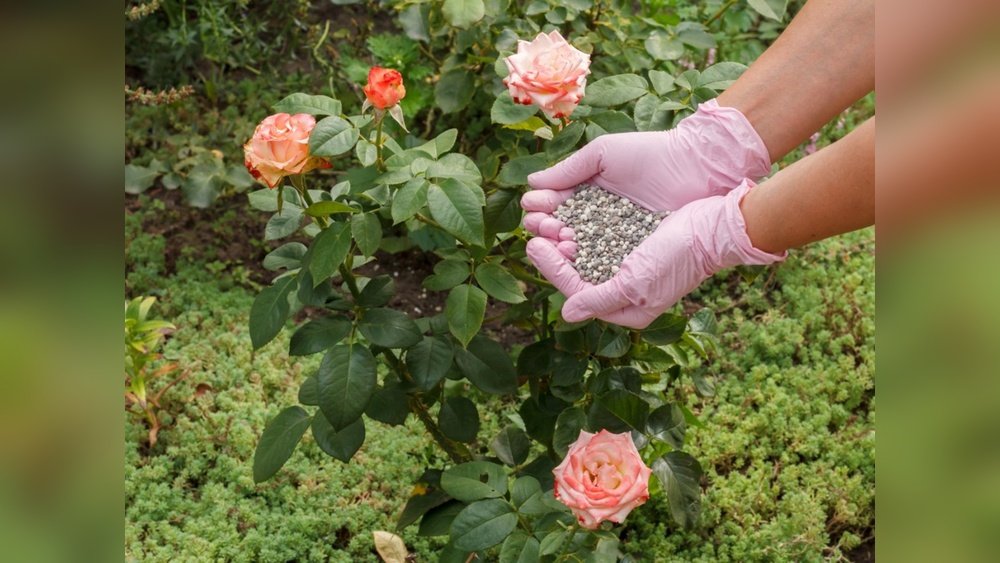
Are you struggling to keep your roses healthy and blooming beautifully? Choosing the right fertilizer can make all the difference in your rose garden’s success.
But with so many options out there, how do you know which one is best for your plants? You’ll discover simple tips to pick the perfect fertilizer that matches your roses’ needs. By the end, you’ll feel confident and ready to give your roses the boost they deserve.
Keep reading to unlock the secrets to thriving, vibrant roses!
Types Of Fertilizers For Roses
Choosing the right fertilizer helps roses grow healthy and bloom well. Roses need nutrients that support their strong stems and bright flowers. Fertilizers come in different types, each with unique benefits. Understanding these types makes feeding roses easier and more effective.
Organic Fertilizers
Organic fertilizers come from natural sources like compost, manure, or bone meal. They release nutrients slowly into the soil. This helps improve soil structure and supports beneficial microbes. Roses fed with organic fertilizers often grow stronger and more resistant to pests. They are safe for the environment and good for long-term garden health.
Synthetic Fertilizers
Synthetic fertilizers are made from chemical compounds. They provide nutrients quickly to plants. Roses show fast growth and bright blooms after using synthetic fertilizers. These fertilizers are easy to apply and precise in nutrient content. Use them carefully to avoid overfeeding and harming the plant or soil.
Slow-release Fertilizers
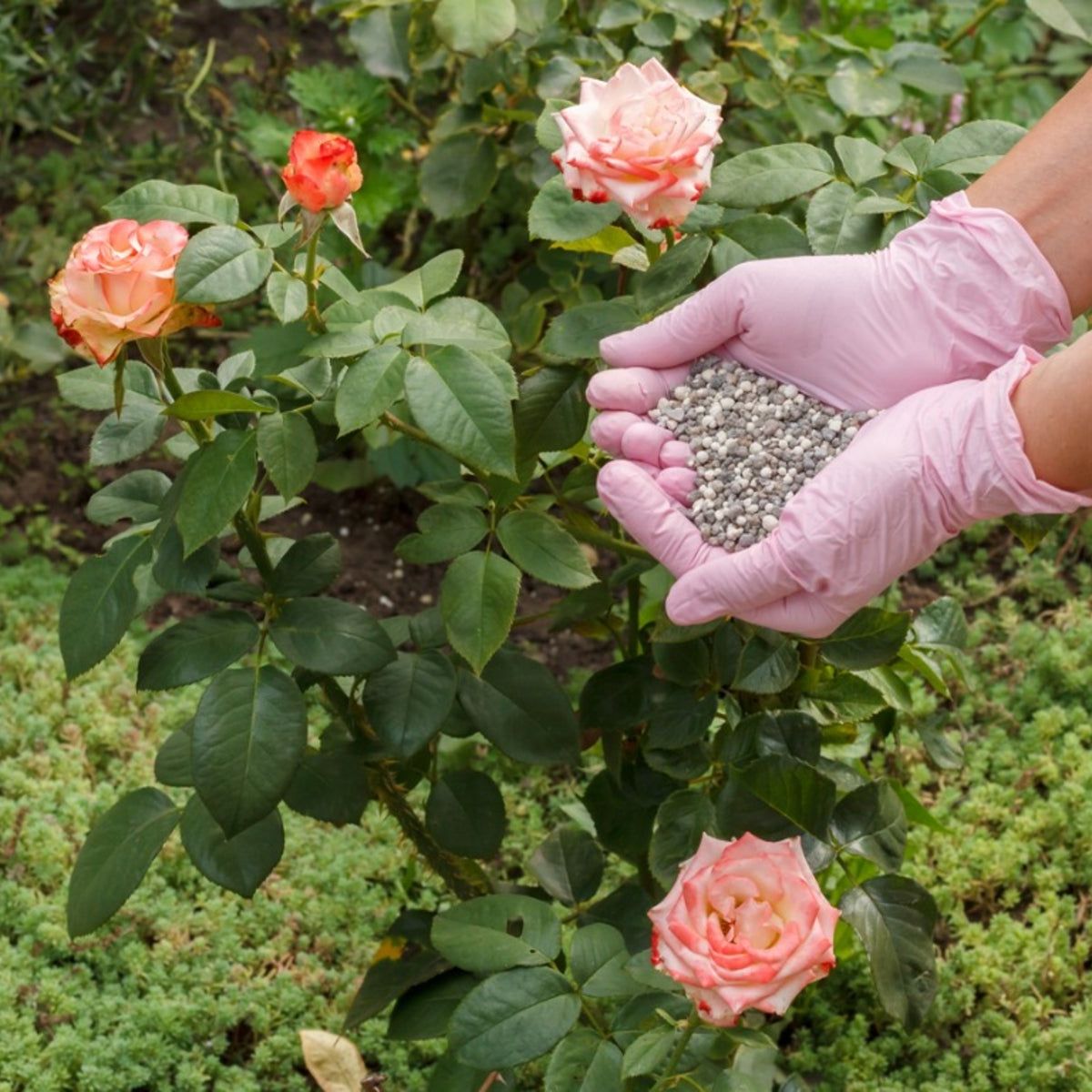
Slow-release fertilizers release nutrients over time. They reduce the need for frequent feeding. This type keeps roses nourished for weeks or months. It helps prevent nutrient loss due to rain or watering. Slow-release fertilizers save time and give roses steady nutrition.
Credit: www.gardeningknowhow.com
Key Nutrients For Healthy Roses
Roses need the right nutrients to grow strong and bloom beautifully. Knowing which nutrients are essential helps you pick the best fertilizer. Each nutrient plays a special role in the health of your roses. Understanding these nutrients leads to better care and more vibrant flowers.
Nitrogen Benefits
Nitrogen helps roses grow leaves and stems. It supports green, healthy foliage that captures sunlight well. Without enough nitrogen, roses may look pale and weak. This nutrient fuels overall plant growth and boosts energy for blooming.
Role Of Phosphorus
Phosphorus is key for root development and flower production. It strengthens the roots, so roses absorb water and nutrients better. Phosphorus also encourages more buds and larger blossoms. It is essential during the early growth stages and flowering period.
Importance Of Potassium
Potassium improves the rose’s resistance to diseases and stress. It helps regulate water inside the plant. This nutrient supports strong stems and bright petals. Potassium also aids in the production of essential oils and sugars in roses.
Micronutrients To Consider
Micronutrients like iron, magnesium, and calcium are vital in small amounts. Iron keeps leaves green and helps with photosynthesis. Magnesium supports chlorophyll production and energy transfer. Calcium strengthens cell walls and prevents damage. A balanced mix of these micronutrients ensures healthy roses.
Soil Testing And Its Importance
Soil testing is very important for growing healthy roses. It helps know what nutrients the soil has and what it lacks. Roses need the right nutrients to bloom well and stay strong. Testing soil stops guessing about fertilizer needs. It saves money and protects plants from damage. Healthy soil means healthy roses.
How To Test Your Soil
Get a soil test kit from a garden center or online. Take small samples from different spots near your roses. Mix these samples in a clean container. Follow the kit instructions to prepare the soil for testing. Send the soil sample to a lab if required. Some kits give instant results at home.
Interpreting Soil Test Results
Results show levels of nitrogen, phosphorus, potassium, and pH. Nitrogen helps leaves grow green and lush. Phosphorus supports root and flower development. Potassium strengthens the plant and disease resistance. pH tells if soil is acidic or alkaline. Roses prefer slightly acidic soil with pH 6.0 to 6.5.
Adjusting Fertilizer Choice Based On Soil
Choose fertilizer based on soil needs. Low nitrogen requires fertilizer high in nitrogen. If phosphorus is low, pick a fertilizer rich in phosphorus. For potassium deficiency, select fertilizer with more potassium. Adjust fertilizer type and amount to balance soil nutrients. Avoid over-fertilizing, as it can harm roses.
Fertilizer Application Tips
Applying fertilizer correctly helps roses grow strong and bloom beautifully. It ensures plants get the right nutrients without waste. Follow simple tips to feed your roses well and keep them healthy throughout the season.
Best Time To Fertilize
Fertilize roses early in spring when new growth starts. This gives energy for healthy leaves and buds. Avoid fertilizing late in fall; it may cause weak growth before winter. Morning or late afternoon is best for applying fertilizer. This helps prevent leaf burn from the sun.
Proper Application Techniques
Spread fertilizer evenly around the rose base. Keep it a few inches away from the stem to avoid damage. Lightly water the area after applying to help nutrients soak into the soil. Use slow-release fertilizers for steady feeding. Avoid over-fertilizing, which can harm the plant.
Frequency Of Fertilization
Feed roses every 4 to 6 weeks during the growing season. This keeps nutrients available for blooms and leaves. Stop fertilizing 6 weeks before the first frost to let roses prepare for dormancy. Adjust frequency if using organic or slow-release fertilizers, as they release nutrients slowly.
Common Mistakes To Avoid
Choosing the right fertilizer for roses is important. Many gardeners make common mistakes that harm their plants. Avoiding these errors helps roses grow healthy and bloom beautifully. Understanding what not to do saves time and effort.
Overfertilizing Risks
Too much fertilizer can burn rose roots. It causes leaf burn and weakens plants. Overfertilizing also leads to excessive leaf growth. This reduces flower production. Use fertilizer according to package instructions. Less is often better than more.
Ignoring Soil Ph
Soil pH affects nutrient absorption in roses. If pH is wrong, plants cannot take nutrients well. Roses prefer slightly acidic soil with pH 6.0 to 6.5. Test soil before adding fertilizer. Adjust pH with lime or sulfur if needed.
Using The Wrong Fertilizer Type
Not all fertilizers suit roses. Some have too much nitrogen or lack key nutrients. Roses need balanced fertilizer with nitrogen, phosphorus, and potassium. Choose fertilizer labeled for roses or flowering plants. This supports strong roots and vibrant blooms.

Credit: www.amazon.sa
Special Fertilizers For Different Rose Varieties
Different rose varieties need special fertilizers to grow well. Each type has unique nutrient needs. Choosing the right fertilizer helps roses bloom bright and stay healthy. This section covers fertilizers for popular rose types.
Fertilizers For Hybrid Tea Roses
Hybrid tea roses need fertilizers high in nitrogen and potassium. These nutrients help strong stems and big flowers. A balanced fertilizer with equal parts nitrogen, phosphorus, and potassium works well. Apply fertilizer every 4 to 6 weeks during growing season.
Feeding Climbing Roses
Climbing roses need fertilizers rich in phosphorus to boost root growth. Strong roots support heavy blooms and long canes. Use a fertilizer with a higher middle number, like 10-20-10. Feed climbing roses in early spring and after first bloom for best results.
Nutrients For Miniature Roses
Miniature roses prefer gentle feeding. Too much fertilizer can harm small plants. Use a balanced, slow-release fertilizer in small amounts. Feed every 6 to 8 weeks to keep these roses healthy and blooming.
Natural Alternatives And Homemade Fertilizers
Natural alternatives and homemade fertilizers offer a gentle way to feed roses. They improve soil health and support strong growth. These options reduce chemical use and save money. Many gardeners prefer these eco-friendly choices for their roses.
Compost And Mulch Benefits
Compost enriches soil with nutrients and organic matter. It helps roses absorb water better and grow healthy roots. Mulch keeps soil moist and controls weeds around rose bushes. Both improve soil structure and protect plants from temperature changes.
Diy Fertilizer Recipes
Simple ingredients from your kitchen can make good fertilizers. Mix banana peels with water for potassium and phosphorus. Boiled potato water adds starch and nutrients. Use diluted seaweed or fish emulsion for trace minerals. These recipes are easy and safe for roses.
Using Coffee Grounds And Eggshells
Used coffee grounds add nitrogen to the soil. They improve soil texture and attract earthworms. Crushed eggshells supply calcium, which strengthens rose stems. Both can be sprinkled around plants or added to compost. These scraps reduce waste and nourish roses naturally.
Signs Of Nutrient Deficiency In Roses
Roses need the right nutrients to grow healthy and strong. Signs of nutrient deficiency show when roses lack essential elements. Spotting these signs early helps fix problems fast. Watch your roses closely. They tell you when something is missing.
Yellowing Leaves
Yellow leaves often mean a nutrient problem. Nitrogen deficiency usually causes this. Leaves turn pale or yellow from the bottom up. This weakens the plant’s ability to make food. Without enough nitrogen, roses look tired and dull.
Poor Bloom Production
Roses need nutrients to produce flowers. Lack of phosphorus can reduce blooms. You may see fewer flowers or small buds. Blooms might drop before opening fully. Poor bloom production means the rose is stressed.
Weak Stems And Growth
Weak stems show lack of potassium or other minerals. Stems become thin and break easily. New growth may slow or stop altogether. Roses with weak stems cannot support heavy flowers. Strong stems are key for healthy rose plants.

Credit: www.jacksonandperkins.com
Frequently Asked Questions
What Is The Best Fertilizer Type For Roses?
The best fertilizer for roses is balanced with nitrogen, phosphorus, and potassium. Slow-release or organic fertilizers provide steady nutrients and promote healthy growth and blooms.
When Should I Apply Fertilizer To My Rose Plants?
Apply fertilizer in early spring when new growth starts. Repeat feeding every 4-6 weeks during the growing season for optimal blooms and plant health.
How Do I Choose Fertilizer Based On Rose Soil Type?
Test your soil pH before choosing fertilizer. Roses prefer slightly acidic soil (pH 6-6. 5). Use fertilizers that correct nutrient deficiencies specific to your soil.
Can Organic Fertilizers Improve Rose Plant Health?
Yes, organic fertilizers improve soil structure and provide nutrients naturally. They encourage beneficial microbes and reduce chemical buildup, promoting strong, vibrant rose plants.
Conclusion
Choosing the right fertilizer helps your roses grow strong and healthy. Check the nutrients your roses need most. Use fertilizers with balanced nitrogen, phosphorus, and potassium. Apply it at the right time and follow instructions carefully. Healthy roses bloom beautifully and live longer.
Keep learning about rose care for the best results. Your garden will thank you with bright, lovely flowers. Simple steps make a big difference in rose growth. Enjoy your gardening journey and watch roses thrive.