
Growing vegetables in containers can be a rewarding way to enjoy fresh, homegrown produce—even if you don’t have a big garden. But to get the best results, you need the right fertilizer.
Choosing the best fertilizer for your container vegetables isn’t as simple as grabbing the first bag you see. The wrong choice can stunt growth, reduce yield, and leave you frustrated. You’ll discover exactly how to pick the perfect fertilizer that matches your plants’ needs.
By the end, you’ll feel confident giving your veggies the boost they need to thrive and produce delicious, healthy food for you and your family. Keep reading to unlock the secrets to container gardening success!
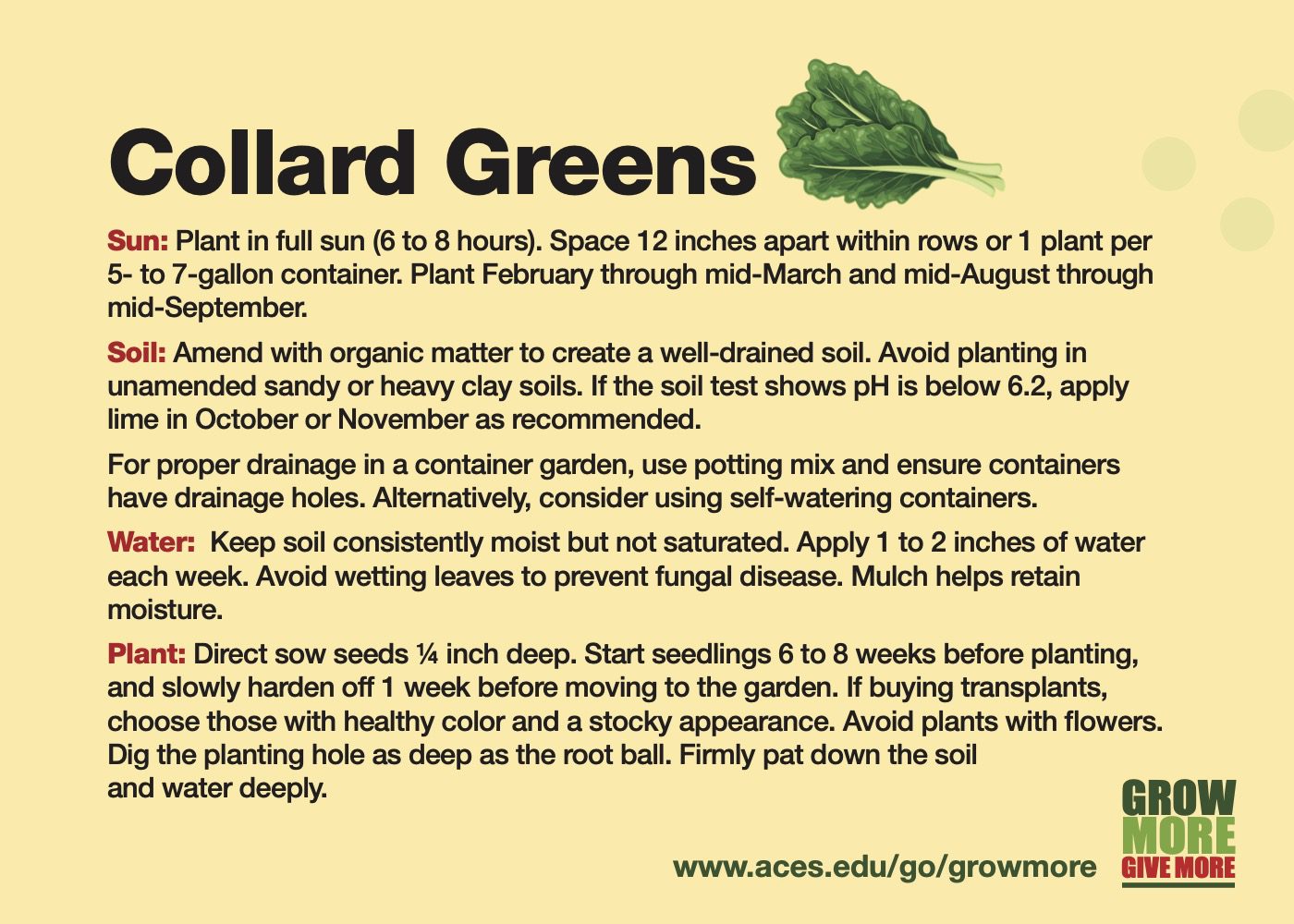
Credit: www.aces.edu
Types Of Fertilizers
Choosing the right fertilizer affects the health of your vegetable plants in containers. Fertilizers come in different types. Each type works differently to feed your plants. Knowing these types helps you pick the best one for your garden.
Organic Fertilizers
Organic fertilizers come from natural sources like compost, manure, and plant waste. They improve soil quality and add nutrients slowly. These fertilizers help beneficial microbes grow in the soil. They are safe for the environment and your plants. Organic options release nutrients over time, which keeps plants healthy longer.
Synthetic Fertilizers
Synthetic fertilizers are made from chemicals in factories. They provide nutrients quickly to plants. These fertilizers are easy to use and often come with precise nutrient mixes. They work well for fast-growing vegetables. But they can build up in soil and harm beneficial organisms if overused.
Slow-release Fertilizers
Slow-release fertilizers release nutrients gradually over weeks or months. They reduce the need for frequent feeding. This type helps maintain steady plant growth without spikes. Slow-release formulas come in both organic and synthetic forms. They are ideal for container gardening where nutrients can wash away quickly.
Nutrient Needs Of Container Vegetables
Growing vegetables in containers means meeting their nutrient needs carefully. Container soil holds fewer nutrients than garden soil. Plants must get all essential nutrients from the fertilizer. Knowing these needs helps pick the right fertilizer and ensures healthy growth.
Vegetables need a mix of large and small nutrients. Large amounts of some nutrients support leaf, stem, and root growth. Small amounts of others help with plant functions like disease resistance and fruit quality.
Essential Macronutrients
Macronutrients are needed in large amounts for vegetable growth. Nitrogen helps leaves grow green and strong. Phosphorus supports root development and flower production. Potassium improves overall plant health and fruit quality.
These three nutrients are often listed as N-P-K on fertilizers. Container vegetables need balanced amounts of these nutrients. Too much nitrogen can cause leafy plants with few fruits. Too little potassium can reduce fruit size and taste.
Micronutrient Requirements
Micronutrients are needed in tiny amounts but are very important. Iron helps plants make chlorophyll for green leaves. Zinc supports growth and helps plants resist stress. Calcium strengthens cell walls and prevents diseases.
Other micronutrients like manganese, copper, and boron also help plants grow well. Container soil may lack these nutrients, so a fertilizer with micronutrients is best. This prevents yellow leaves, poor growth, and weak plants.
Reading Fertilizer Labels
Understanding fertilizer labels helps you choose the right nutrients for your vegetable containers. These labels give clear info on what the fertilizer contains. Knowing how to read them saves time and money. It also helps your plants grow strong and healthy.
N-p-k Ratios
The N-P-K ratio shows the percentage of three main nutrients: nitrogen (N), phosphorus (P), and potassium (K). Nitrogen helps leaves grow green and lush. Phosphorus supports root and flower development. Potassium improves overall plant health and disease resistance.
For vegetables in containers, a balanced N-P-K ratio like 10-10-10 works well. Leafy greens might need more nitrogen. Fruiting vegetables like tomatoes benefit from higher phosphorus and potassium. Check these numbers to match your vegetable needs.
Additional Ingredients
Fertilizers often contain extra elements like calcium, magnesium, and iron. These trace minerals support plant growth and prevent deficiencies. Some fertilizers include slow-release formulas for steady feeding. Others may have organic matter to improve soil quality.
Look for these extras if your container soil lacks nutrients. Avoid fertilizers with too many chemicals or fillers. Choose products that suit your vegetable type and container size for best results.
Matching Fertilizer To Vegetable Types
Choosing the right fertilizer depends on the type of vegetable you grow. Different vegetables need different nutrients for healthy growth. Matching fertilizer to vegetable types helps plants get the exact food they need. This makes your container garden more productive and vibrant.
Leafy Greens
Leafy greens like lettuce and spinach need more nitrogen. Nitrogen helps leaves grow big and green. Use a fertilizer high in nitrogen for these plants. It supports lush, healthy leaves and fast growth. Avoid fertilizers with too much phosphorus or potassium here.
Fruiting Vegetables
Fruiting vegetables such as tomatoes and peppers need balanced nutrients. They require phosphorus and potassium to help fruits develop well. Look for fertilizers labeled for fruit or vegetable plants. These fertilizers boost flower and fruit production. Nitrogen should be moderate to avoid too many leaves.
Root Vegetables
Root vegetables like carrots and radishes need more phosphorus. Phosphorus supports strong root growth and development. Use fertilizer that is lower in nitrogen but higher in phosphorus. This encourages big, healthy roots instead of leafy tops. Potassium also helps with root strength and disease resistance.
Application Techniques
Applying fertilizer correctly helps your vegetable plants grow healthy and strong. Proper application puts nutrients right where plants need them. This boosts growth and improves vegetable yield. Follow simple steps to feed your container plants effectively.
Frequency And Timing
Feed your container vegetables regularly but avoid overfeeding. Most plants need fertilizer every two to four weeks. Use a balanced fertilizer for steady growth. Apply fertilizer early in the morning or late in the afternoon. This prevents nutrient loss from heat or direct sunlight. Watch your plants for signs of nutrient need. Yellow leaves or slow growth signal it is time to fertilize.
Methods For Container Plants
Liquid fertilizers work well for container vegetables. Mix fertilizer with water and pour it around the plant base. This method quickly delivers nutrients to roots. Slow-release fertilizers are another good option. They provide nutrients gradually over time. Sprinkle granules on soil surface and water deeply. Avoid getting fertilizer on leaves to prevent burns. Use a small watering can or bottle for precise application. Keep soil moist but not soggy to help nutrient absorption.
Credit: plantin.alibaba.com
Common Fertilizer Mistakes
Choosing the right fertilizer is important for container vegetables. Common mistakes with fertilizer can harm plant growth. Many gardeners either add too much or too little fertilizer. Both can cause problems and reduce your vegetable harvest. Knowing these common errors helps you avoid damage and keep your plants healthy.
Over-fertilizing Risks
Too much fertilizer can burn plant roots. It makes the soil salty, which stops water absorption. Leaves may turn yellow or brown and look dry. Over-fertilized plants often grow too fast but are weak. Fruits and vegetables may taste bad or fail to develop. Over-fertilizing also wastes money and harms the environment.
Under-fertilizing Signs
Plants without enough fertilizer grow slowly and look pale. Leaves may be smaller and lighter green than normal. Vegetable production can drop, with few or no fruits. Plants might wilt even when watered well. Lack of nutrients makes plants weak and more likely to get diseases. Regular feeding keeps plants strong and productive.
Tips For Sustainable Fertilizing
Sustainable fertilizing helps keep your container garden healthy. It protects the soil and plants. It also reduces waste and pollution. Choosing the right methods supports the environment. It saves money and time. Here are tips to fertilize your vegetables in containers the green way.
Using Compost And Mulch
Compost adds natural nutrients to the soil. It improves soil texture and water retention. Mulch helps keep moisture in the soil. It also stops weeds from growing. Both compost and mulch reduce the need for chemical fertilizers. Use kitchen scraps or garden waste to make your own compost. Spread mulch around the base of your plants to protect roots.
Eco-friendly Fertilizer Choices
Choose fertilizers made from natural ingredients. Organic fertilizers release nutrients slowly and safely. They improve soil health over time. Avoid synthetic fertilizers with harmful chemicals. Look for products labeled as organic or biodegradable. Use fish emulsion, seaweed, or bone meal for balanced nutrition. These options feed your plants gently and keep the environment clean.
:max_bytes(150000):strip_icc()/tips-for-growing-tomatoes-in-containers-848216-06-41ce3f715bd74adc94a18d6cbae3bf7c.jpg)
Credit: www.thespruce.com
Frequently Asked Questions
What Is The Best Fertilizer Type For Container Vegetables?
Balanced, water-soluble fertilizers with equal NPK ratios work best. They provide essential nutrients and are easy to apply in containers.
How Often Should I Fertilize Vegetables In Containers?
Fertilize every two to four weeks during the growing season. Regular feeding ensures consistent nutrient supply for healthy vegetable growth.
Can Organic Fertilizers Work Well In Container Gardening?
Yes, organic fertilizers improve soil health and release nutrients slowly. They are safe, eco-friendly, and support long-term container vegetable growth.
How Do I Know If My Container Vegetables Need Fertilizer?
Yellowing leaves or poor growth indicate nutrient deficiency. Regular monitoring helps determine when to add fertilizer for optimal plant health.
Conclusion
Choosing the right fertilizer helps your container vegetables grow strong. Check the labels for balanced nutrients like nitrogen, phosphorus, and potassium. Use fertilizers made for container plants to avoid overfeeding. Apply them regularly but follow the instructions carefully. Healthy soil and proper watering also support growth.
Small steps lead to big results in your garden. Enjoy fresh, tasty vegetables from your containers all season long. Keep learning and adjusting as your plants grow. Gardening is a simple joy anyone can do.