
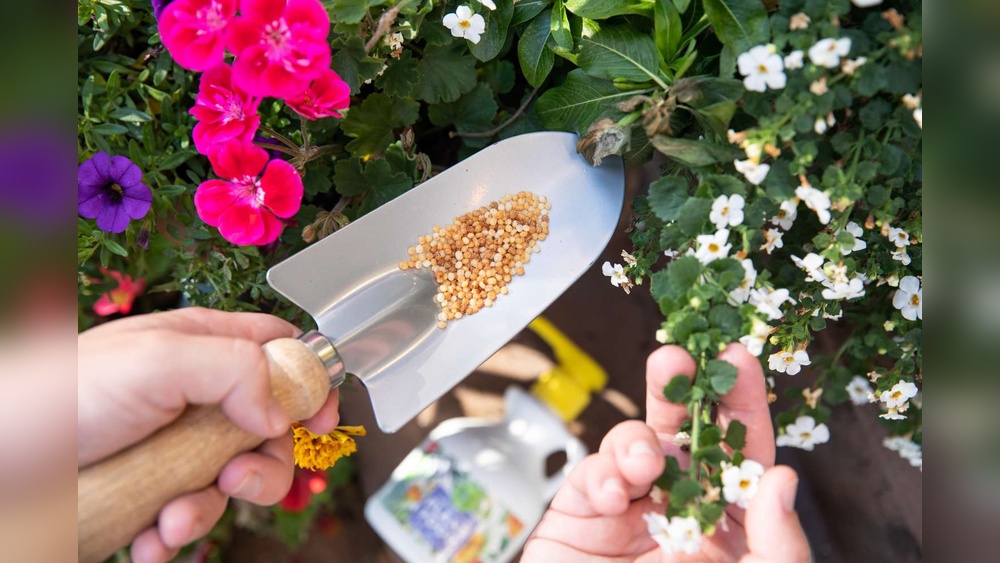
Choosing the right organic fertilizer for your flowers can make all the difference between a dull garden and a vibrant, blooming paradise. You want your flowers to thrive, not just survive, and using the wrong fertilizer might hold them back.
But with so many options out there, how do you know which one is best for your plants? This guide will help you cut through the confusion and find the perfect organic fertilizer that matches your flowers’ needs, so you can enjoy healthier, more beautiful blooms all season long.
Keep reading to discover simple tips that will transform your gardening experience.
:max_bytes(150000):strip_icc()/choose-right-flower-fertilizer-1315828-05-4b3f292e7a834ad0824b3a9b9ed9db01.jpg)
Credit: www.thespruce.com
Benefits Of Organic Fertilizers
Organic fertilizers offer many benefits for growing flowers. They improve the soil naturally and help plants grow strong. These fertilizers come from natural sources like compost, manure, and plant waste. Using organic fertilizers supports healthy flowers and a healthy garden.
Improved Soil Health
Organic fertilizers add nutrients slowly to the soil. This helps keep the soil rich and alive. They increase the number of helpful microbes in the soil. These microbes break down organic matter and make nutrients easy for flowers to absorb. Organic fertilizers also improve soil structure, making it easier for roots to grow. Good soil holds water better and prevents erosion.
Enhanced Flower Growth
Flowers fed with organic fertilizers tend to grow stronger and bloom longer. These fertilizers provide a steady supply of nutrients. This steady feeding avoids nutrient overload that can harm plants. Organic fertilizers improve flower color and fragrance. They support healthy roots and leaves. Healthy flowers resist diseases and pests better.
Environmental Impact
Organic fertilizers are safe for the environment. They reduce the risk of water pollution because they do not contain harsh chemicals. Organic fertilizers break down naturally and do not build up in the soil. They help reduce waste by using recycled natural materials. Using organic fertilizers supports sustainable gardening practices that protect nature.
Types Of Organic Fertilizers
Choosing the right organic fertilizer helps flowers grow healthy and strong. Different types provide various nutrients and benefits. Understanding these types makes it easier to pick the best one for your garden.
Compost
Compost is made from decomposed plant and kitchen waste. It enriches soil with nutrients and improves soil structure. It helps flowers retain water and supports beneficial microbes.
Manure
Manure comes from animal waste like cows or horses. It adds nitrogen and other nutrients to the soil. Well-aged manure is safe and boosts flower growth naturally.
Bone Meal
Bone meal is made from ground animal bones. It is rich in phosphorus, which supports strong roots and blooms. Use it to help flowers develop better flowers and seeds.
Seaweed Extract
Seaweed extract is a liquid fertilizer from ocean plants. It contains trace minerals and growth hormones. It helps flowers resist stress and grow more vigorously.
Worm Castings
Worm castings are worm droppings full of nutrients. They improve soil health and provide gentle fertilization. Castings help flowers absorb nutrients easily and grow well.
Key Nutrients For Flower Growth
Flowers need certain nutrients to grow strong and bloom beautifully. These nutrients come from the soil or fertilizers. Organic fertilizers supply these nutrients naturally. Knowing the key nutrients helps you pick the right fertilizer for your flowers. Each nutrient has a special role in flower growth and health.
Nitrogen
Nitrogen helps flowers grow leaves and stems. It is important for green, healthy plants. Without enough nitrogen, leaves turn yellow and plants look weak. Organic fertilizers like compost and manure provide nitrogen slowly. This keeps plants healthy for a long time.
Phosphorus
Phosphorus supports root growth and flower development. It helps flowers bloom with bright colors. Bone meal and rock phosphate are good organic sources of phosphorus. This nutrient encourages strong roots and beautiful petals. Flowers need phosphorus especially in the early growing stage.
Potassium
Potassium strengthens plants and improves disease resistance. It helps flowers survive heat and drought. Potassium also supports water movement inside the plant. Organic fertilizers like wood ash and kelp meal add potassium. This nutrient keeps flowers vibrant and healthy.
Micronutrients
Micronutrients include iron, zinc, and manganese. They are needed in small amounts but are very important. These nutrients help with photosynthesis and other plant functions. Organic fertilizers like compost contain many micronutrients. A good balance of micronutrients keeps flowers growing well.
Matching Fertilizer To Flower Types
Choosing the right organic fertilizer depends on the type of flowers you grow. Different flowers have different needs. Matching fertilizer to flower types helps them grow healthy and strong. Understanding these needs makes your garden flourish.
Annuals Vs Perennials
Annual flowers grow and bloom in one season. They need fertilizer that supports quick growth. Look for fertilizers rich in nitrogen and phosphorus. These nutrients help flowers bloom fast and bright.
Perennials return year after year. They need slow-release fertilizers. These provide steady nutrients over time. This helps roots grow deep and strong. Organic compost or manure works well for perennials.
Flowering Vs Foliage Plants
Flowering plants need more phosphorus. This nutrient helps flowers form and stay healthy. Choose organic fertilizers high in phosphorus for these plants.
Foliage plants focus on leaves and stems. They need more nitrogen to stay green and lush. Use fertilizers rich in nitrogen for foliage plants.
Native Vs Exotic Flowers
Native flowers adapt well to local soil and climate. They usually need less fertilizer. Use mild, balanced organic fertilizers to avoid overfeeding.
Exotic flowers come from different regions. They may need special nutrients to thrive. Check their specific needs and choose fertilizers accordingly.
Application Techniques
Applying organic fertilizer correctly is key to healthy flowers. The right technique helps plants absorb nutrients well. It also prevents waste and damage to roots. Understanding the steps makes your garden thrive.
Soil Preparation
Start by loosening the soil around your flowers. Remove weeds and debris for better nutrient access. Mix organic matter like compost into the soil. This step improves soil texture and nutrient holding. Well-prepared soil supports root growth and fertilizer absorption.
Timing And Frequency
Apply fertilizer during early morning or late afternoon. This avoids strong sun that can burn plants. Feed flowers once every two to four weeks. Regular feeding keeps nutrients steady without overloading. Adjust frequency based on plant type and growth stage.
Proper Dosage
Follow package instructions for the correct amount. Too much fertilizer can harm flowers and soil life. Use measuring tools for accuracy, like cups or spoons. Spread evenly around the base of plants. Water lightly after applying to help nutrients soak in.

Credit: yarafert.com
Common Mistakes To Avoid
Choosing the right organic fertilizer is important for healthy flowers. Many gardeners make avoidable mistakes. These errors can harm plants and waste money. Understanding common pitfalls helps you fertilize flowers correctly.
Here are some mistakes to watch out for when selecting and using organic fertilizers.
Over-fertilizing
Applying too much fertilizer can burn flower roots. Excess nutrients cause leaf burn and poor growth. More fertilizer does not mean better flowers. Follow the recommended amount on the package. Use fertilizer less often to avoid buildup. Over-fertilizing also harms beneficial soil microbes.
Ignoring Soil Ph
Soil pH affects how plants absorb nutrients. Fertilizers work best in the right pH range. Acidic or alkaline soil can block nutrient uptake. Test your soil pH before choosing fertilizer. Some fertilizers adjust pH, others do not. Ignoring pH can make flowers weak and dull.
Using Incompatible Fertilizers
Not all fertilizers suit every flower type. Some plants need more nitrogen, others need phosphorus. Using the wrong fertilizer leads to imbalanced nutrients. Check the fertilizer’s nutrient ratio (N-P-K) for your flowers. Avoid mixing different fertilizers without guidance. Incompatible fertilizers may harm your plants or soil health.
Tips For Organic Fertilizer Maintenance
Proper maintenance of organic fertilizer keeps it fresh and effective for flowers. Good care helps protect nutrients and prevents waste. Follow these tips to get the best results from your fertilizer.
Storage Guidelines
Store organic fertilizer in a cool, dry place away from sunlight. Moisture can cause clumps and reduce quality. Use sealed containers to keep out pests and air. Keep fertilizer off the ground to avoid dampness. Proper storage extends fertilizer life and maintains nutrient strength.
Shelf Life
Organic fertilizers have different shelf lives depending on ingredients. Compost and manure usually last about six months to a year. Liquid fertilizers may spoil faster, within a few months. Check the label for specific shelf life details. Use older fertilizer first to avoid loss of nutrients.
Mixing And Combining Fertilizers
Mix fertilizers carefully to avoid chemical reactions or nutrient loss. Avoid mixing organic fertilizers with synthetic ones unless instructions allow. Always test a small amount before applying to flowers. Use separate containers for different types to prevent contamination. Proper mixing ensures safe and effective feeding for plants.

Credit: empressofdirt.net
Frequently Asked Questions
What Are The Best Organic Fertilizers For Flowers?
The best organic fertilizers for flowers include compost, bone meal, and fish emulsion. These provide essential nutrients naturally. They improve soil health and promote vibrant blooms without harmful chemicals.
How Do I Choose Organic Fertilizer For Flowering Plants?
Choose organic fertilizer based on your plant’s nutrient needs. Check the N-P-K ratio and soil condition. Select slow-release options for steady feeding and avoid over-fertilizing to protect flower health.
When Is The Best Time To Apply Organic Fertilizer To Flowers?
Apply organic fertilizer early in the growing season, usually spring or early summer. This timing supports root growth and flower development. Reapply as needed during active growth periods for optimal results.
Can Organic Fertilizers Improve Flower Soil Quality?
Yes, organic fertilizers improve soil quality by adding organic matter and beneficial microbes. They enhance soil structure, water retention, and nutrient availability, leading to healthier flowers and sustainable garden growth.
Conclusion
Choosing the right organic fertilizer helps flowers grow healthy and strong. Know your flower type and soil needs first. Check the fertilizer’s nutrients and how they feed plants. Use natural products that improve soil without chemicals. Regular feeding keeps flowers blooming longer and looking bright.
Try small amounts at first to see how flowers react. Good care and proper fertilizer make your garden thrive. Keep learning and enjoy watching your flowers flourish every day.