
Are you ready to boost your vegetable garden’s health and harvest naturally? Using organic fertilizer can transform your soil, making your plants stronger and tastier without harmful chemicals.
But how do you use it the right way to get the best results? You’ll discover simple, effective steps to apply organic fertilizer that will help your garden thrive. Keep reading to unlock the secrets to growing vibrant, healthy vegetables you’ll be proud of.

Credit: drearth.com
Benefits Of Organic Fertilizer
Organic fertilizer offers many benefits for vegetable gardens. It helps plants grow strong and healthy. Using organic fertilizer supports the natural life in the soil. This creates a better environment for vegetables to thrive. Let’s explore the key benefits of organic fertilizer.
Improved Soil Health
Organic fertilizer enriches the soil with natural materials. It increases the amount of good bacteria and earthworms. These organisms break down organic matter into nutrients plants can use. The soil becomes softer and holds water better. Healthy soil encourages strong root growth and prevents erosion.
Enhanced Nutrient Availability
Organic fertilizer releases nutrients slowly over time. This steady supply helps vegetables absorb nutrients better. It contains nitrogen, phosphorus, and potassium in forms plants can easily take up. The slow release reduces the chance of nutrient loss. Plants get a balanced diet for steady growth.
Environmental Advantages
Organic fertilizer comes from natural sources, not chemicals. It reduces pollution and protects water quality. It lowers the risk of harmful runoff into rivers and lakes. Using organic fertilizer supports sustainable gardening practices. It helps maintain a healthy ecosystem around your garden.
Credit: www.farmersalmanac.com
Types Of Organic Fertilizers
Organic fertilizers nourish your vegetable garden naturally. They improve soil health and help plants grow strong. Different types of organic fertilizers offer various nutrients and benefits. Choosing the right one can boost your garden’s productivity.
Here are the main types of organic fertilizers you can use in your vegetable garden.
Compost And Compost Tea
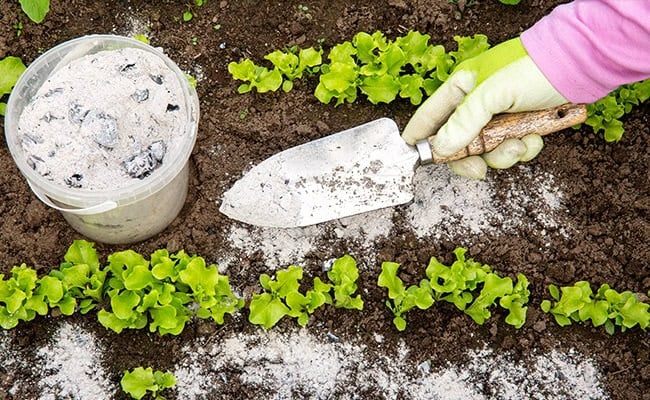
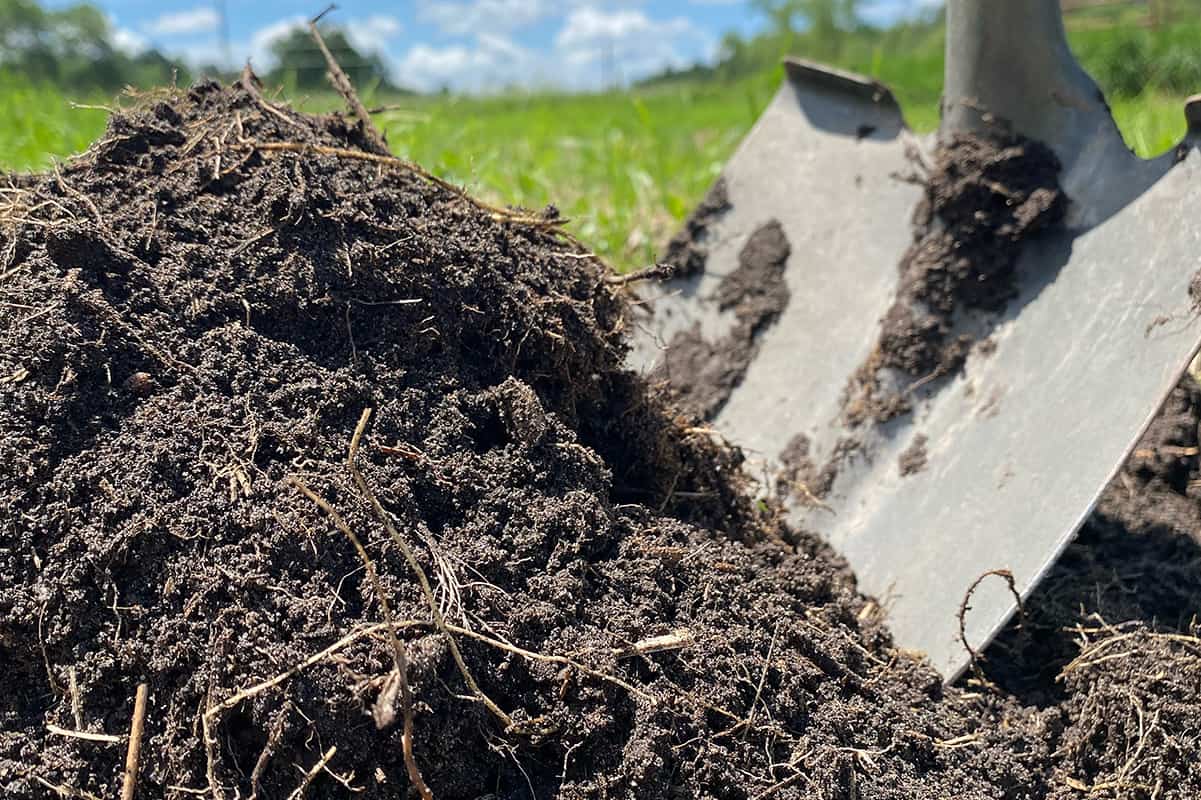
Compost is decomposed organic matter rich in nutrients. It improves soil texture and water retention. Compost tea is a liquid made by soaking compost in water. It delivers nutrients directly to plant roots and leaves. Both help build healthy soil and encourage plant growth.
Manure And Animal Byproducts
Manure comes from farm animals like cows, horses, and chickens. It is high in nitrogen and other nutrients plants need. Animal byproducts include bone meal and fish emulsion. These provide phosphorus and nitrogen. Use well-aged manure to avoid burning plants.
Plant-based Fertilizers
These fertilizers come from plants, such as seaweed or alfalfa meal. They supply essential minerals and trace elements. Plant-based fertilizers improve soil structure and microbial life. They release nutrients slowly, feeding plants over time.
Commercial Organic Options
Many stores sell ready-to-use organic fertilizers. These include pellets, powders, and liquids. They contain natural ingredients like bone meal or kelp. Commercial organic fertilizers are easy to apply and measured. Always follow package instructions for best results.
Choosing The Right Fertilizer For Vegetables
Choosing the right organic fertilizer for your vegetable garden is important. Different vegetables need different nutrients. The right fertilizer helps plants grow strong and healthy. It also improves the soil over time. Knowing what your plants and soil need will guide you to the best choice.
Matching Fertilizer To Plant Needs
Vegetables have unique nutrient needs. Leafy greens like spinach need more nitrogen for leaf growth. Root crops like carrots need phosphorus to build strong roots. Fruiting plants like tomatoes need potassium for fruit development. Choose fertilizer with the right balance of nitrogen, phosphorus, and potassium (N-P-K) for each vegetable type.
Considering Soil Conditions
Test your soil before adding fertilizer. Soil tests show nutrient levels and pH. Organic fertilizers work best when matched to soil needs. If soil lacks nitrogen, use compost or manure rich in nitrogen. For low phosphorus, bone meal is a good choice. Adjust fertilizer type based on soil test results to avoid nutrient waste.
Seasonal Fertilizer Selection
Use different fertilizers for each growing season. Early spring crops need fertilizers high in nitrogen to support leaf growth. Summer vegetables benefit from balanced fertilizers to support fruit and vegetable production. Late-season crops may need less fertilizer as growth slows. Adjust fertilizer types and amounts according to the plant growth stage and season.
Application Techniques
Using organic fertilizer correctly helps your vegetable garden grow strong and healthy. Proper application techniques ensure plants get the right nutrients at the right time. This section covers key ways to apply organic fertilizer effectively.
Pre-plant Soil Preparation
Start by mixing organic fertilizer into the soil before planting. Spread compost or well-rotted manure evenly over the garden bed. Use a garden fork or tiller to blend it into the top 6 to 8 inches of soil. This improves soil structure and adds nutrients. Let the soil rest for a few days before planting seeds or seedlings.
Side Dressing During Growth
Side dressing means adding fertilizer alongside growing plants. Apply organic fertilizer in a narrow band 2 to 3 inches away from plant stems. This prevents root damage and directs nutrients where roots can reach them. Use compost tea, aged manure, or granular organic fertilizer. Repeat this process every 3 to 4 weeks to support steady growth.
Foliar Feeding Methods
Foliar feeding delivers nutrients directly to plant leaves. Mix liquid organic fertilizer or compost tea with water in a spray bottle. Spray the mixture lightly on leaves during early morning or late afternoon. This helps plants absorb nutrients fast, especially during nutrient stress. Avoid spraying under hot sun to prevent leaf burn.
Timing For Best Results
Timing plays a big role in using organic fertilizer well. Applying it at the right moments helps plants grow strong. It also improves soil health over time. Knowing when to fertilize can boost your vegetable garden’s success.
Fertilizing At Planting
Apply organic fertilizer before or during planting. Mix it gently into the soil. This gives seedlings a good start. Nutrients will be ready as roots grow. Use compost or well-rotted manure for best results.
Mid-growth Applications
Feed plants again during their active growth. This keeps nutrients available for leaves and fruits. Use liquid organic fertilizers or compost tea for quick absorption. Avoid overfeeding to prevent burning plants.
Post-harvest Soil Care
After harvest, add organic fertilizer to the soil. It restores nutrients lost by crops. Spread compost or green manure and work it into the soil. This prepares your garden for the next planting season.
Common Mistakes To Avoid
Using organic fertilizer can improve your vegetable garden greatly. Yet, many gardeners make simple mistakes that reduce the benefits. Avoiding these common errors helps plants grow healthy and strong. Here are key mistakes to watch out for.
Over-fertilizing Risks
Too much fertilizer can harm your plants. It can burn roots and stop growth. Excess nutrients may cause leaves to grow fast but reduce fruit and vegetable quality. Over-fertilizing also wastes fertilizer and harms the environment. Use only the amount recommended for your plants.
Ignoring Soil Testing
Soil testing shows what nutrients your garden needs. Without testing, you may add the wrong nutrients or too much fertilizer. This can cause poor plant health. Testing helps you choose the right organic fertilizer and the correct amount. Test soil every season for best results.
Wrong Fertilizer Types
Not all organic fertilizers suit every plant. Some are high in nitrogen, while others have more phosphorus or potassium. Using the wrong type can lead to weak plants or poor vegetable production. Match the fertilizer type to your garden’s needs. Read labels and learn about nutrient contents before buying.
Boosting Growth With Organic Fertilizer
Organic fertilizer helps plants grow strong and healthy. It feeds the soil with natural nutrients. This creates a good environment for vegetables to thrive. Using organic fertilizer correctly can boost your garden’s growth. It improves soil structure and encourages beneficial organisms.
To get the best results, combine organic fertilizer with other garden practices. These methods work together to enhance nutrient availability and plant health.
Combining Fertilizers With Mulching
Mulching keeps soil moist and cool. It reduces weed growth and prevents nutrient loss. Spread organic mulch like straw or leaves over fertilized soil. This locks nutrients in the ground. Mulching also helps organic fertilizer break down slowly. It feeds plants over time instead of all at once.
Using Microbial Inoculants
Microbial inoculants are natural bacteria and fungi. They support organic fertilizer by improving nutrient absorption. These microbes break down organic matter faster. They also protect roots from harmful pests. Adding inoculants boosts soil life and plant growth. Use them with organic fertilizer for stronger plants.
Watering Strategies For Nutrient Uptake
Water helps dissolve organic fertilizer nutrients. It moves nutrients from soil to plant roots. Water deeply and less often to encourage strong roots. Avoid watering too much or too little. Proper watering ensures plants get the nutrients they need. This supports steady growth and healthy vegetables.
Credit: www.theprairiehomestead.com
Frequently Asked Questions
What Are The Benefits Of Using Organic Fertilizer?
Organic fertilizers improve soil health by adding nutrients naturally. They boost plant growth and increase vegetable yield. They also enhance soil structure and water retention, promoting sustainable gardening.
How Often Should I Apply Organic Fertilizer?
Apply organic fertilizer every 4 to 6 weeks during the growing season. Frequency depends on soil quality and plant needs. Regular feeding ensures steady nutrient supply for healthy vegetable growth.
Can Organic Fertilizer Prevent Pests And Diseases?
Organic fertilizers improve plant health, which helps resist pests and diseases. However, they do not directly kill pests. Combining organic fertilizer with good gardening practices offers better protection for your vegetables.
What Types Of Organic Fertilizers Work Best For Vegetables?
Compost, manure, bone meal, and worm castings are ideal organic fertilizers. These provide essential nutrients like nitrogen, phosphorus, and potassium. Choose based on your soil test results and vegetable requirements.
Conclusion
Using organic fertilizer helps your vegetable garden grow strong and healthy. It adds natural nutrients to the soil and improves its quality. You can feed your plants without chemicals or harm to the environment. Regular use keeps the soil rich and supports good plant growth.
Remember to apply it in the right amount and at the right time. Healthy soil means better vegetables for your family. Try organic fertilizer for a greener, safer garden. Your plants will thank you.