
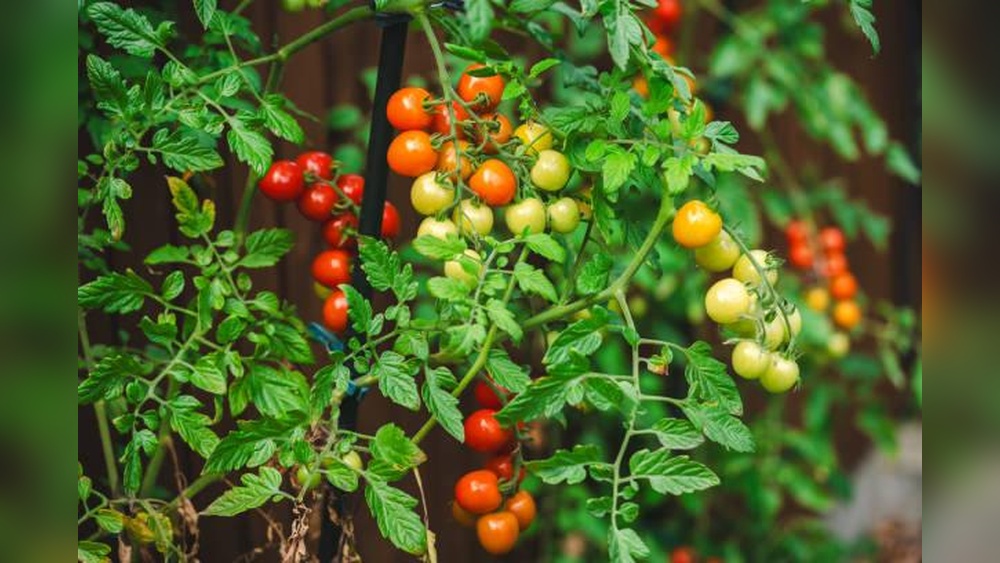
Are you tired of using chemical fertilizers and want a natural way to boost your tomato plants? Fertilizing your tomatoes using organic methods can help you grow healthier, tastier fruits while keeping your garden safe and eco-friendly. Organic tomato fertilizing is a sustainable approach that ensures your plants receive the nutrients they need without the use of harmful chemicals.
You’ll discover simple, effective techniques to nourish your tomato plants without harmful chemicals. By the end, you’ll know exactly how to feed your tomatoes the right way to enjoy a bountiful harvest. Keep reading to unlock the secrets of organic fertilizing that will transform your garden!

Credit: www.waysidegardens.com
Benefits Of Organic Fertilizing
Organic fertilizing offers many benefits for tomato plants and the garden soil. It supports natural growth without harsh chemicals. This method helps create a healthy, vibrant garden over time. The benefits go beyond just feeding the plants.
Improved Soil Health
Organic fertilizers improve soil structure and texture. They add nutrients slowly, feeding soil microbes and earthworms. This boosts the soil’s natural fertility and water retention. Healthy soil means stronger tomato plants with better root systems.
Safer For Environment
Organic fertilizers reduce pollution risks. They do not contain harmful chemicals that can leach into water. This protects nearby plants, animals, and groundwater. Using organic methods keeps your garden eco-friendly and safe“>eco-friendly and safe.
Enhanced Plant Growth
Organic nutrients release slowly, feeding plants steadily. Tomatoes develop richer flavors and better color with organic feeding. Plants grow stronger and resist diseases naturally. Organic fertilizing supports long-term plant health and productivity.
Choosing The Right Organic Fertilizers
Choosing the right organic fertilizers is key to healthy tomato plants. Organic fertilizers feed the soil and the plant at the same time. They improve soil structure and provide slow, steady nutrients. This helps tomatoes grow strong and produce tasty fruit. There are several types of organic fertilizers to consider. Each type offers unique benefits for your tomato garden.
Compost And Compost Tea
Compost is rich in nutrients and beneficial microbes. It improves soil texture and water retention. Mixing compost into the soil before planting boosts growth. Compost tea is a liquid form made by soaking compost in water. It can be sprayed on leaves or poured around plants. Compost tea provides quick nutrient uptake and helps fight diseases.
Manure Options
Animal manure is a powerful organic fertilizer. Well-aged manure adds nitrogen, phosphorus, and potassium to soil. Common types include cow, horse, and chicken manure. Fresh manure can burn plants and spread pathogens. Always use composted or aged manure for safety. Manure enriches the soil and encourages strong root systems.
Natural Amendments
Natural amendments like bone meal, blood meal, and fish emulsion supply key nutrients. Bone meal adds phosphorus for root and flower development. Blood meal provides nitrogen for leafy growth. Fish emulsion is a balanced fertilizer with trace minerals. These amendments boost soil fertility and support healthy tomato growth.
Preparing Soil For Tomato Plants
Preparing the soil is the first step to growing healthy tomato plants. Good soil helps plants get the nutrients they need. It also supports strong roots and keeps moisture in the ground. Taking time to prepare the soil sets the stage for a great harvest.
Testing Soil Nutrients
Start by checking the soil nutrients. A soil test kit can show what your soil lacks. Tomatoes need nitrogen, phosphorus, and potassium. These are key for growth and fruit development. Testing helps you add the right nutrients naturally.
Adjusting Ph Naturally
Tomatoes prefer soil pH between 6.0 and 6.8. Testing soil pH is simple with a kit. To raise pH, add crushed eggshells or lime. To lower
Implementing Organic Tomato Fertilizing Techniques
Implementing effective organic tomato fertilizing techniques ensures your plants thrive throughout the growing season. Understanding how to apply these methods will lead to a successful and sustainable harvest.
Timing and Application
Knowing when and how to apply organic fertilizers is crucial. Apply compost or manure before planting and continue with compost tea or natural amendments during the growing season. This ensures a steady supply of nutrients.
Monitoring Plant Health
Regularly check your tomato plants for signs of nutrient deficiencies or excesses. Adjust your fertilizing approach based on plant health and soil conditions to maintain optimal growth.