
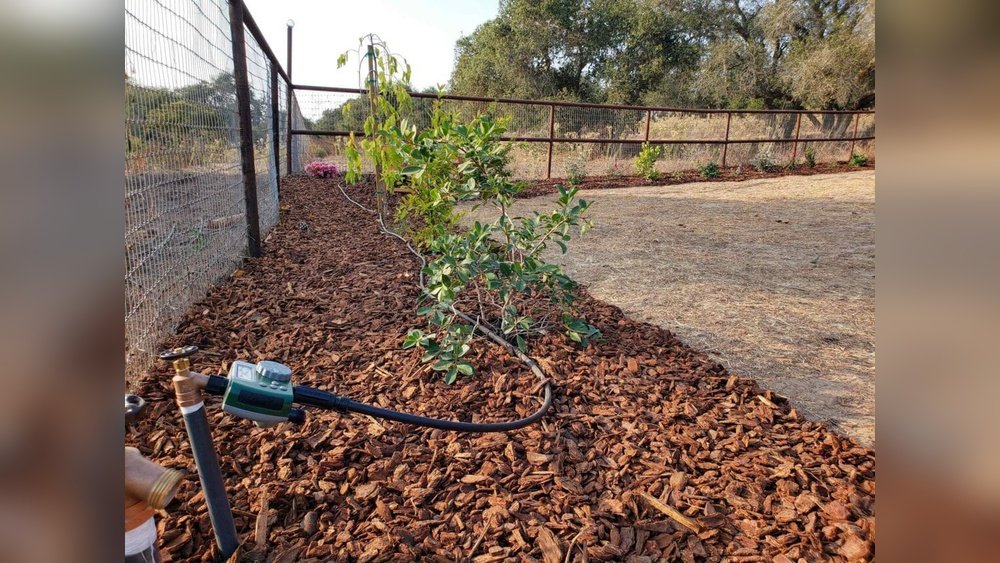
Are you tired of dragging your hose around every time you water your garden? Connecting a hose-end watering system to your garden faucet can make your life so much easier.
Imagine setting it up once and letting the system do the hard work for you—watering your plants evenly and efficiently. Whether you’re a beginner or just want a quick refresher, this simple guide will walk you through every step to get your watering system up and running in no time.
Keep reading, and you’ll be surprised how easy it is to save time, water, and effort while keeping your garden healthy and thriving!
Credit: www.rainbird.com
Gather Needed Tools
Gathering the right tools is the first step to connect your hose-end watering system. This step ensures a smooth and leak-free setup. Having everything ready saves time and avoids frustration during installation.
Check Hose-end System Components
Start by unpacking all parts of your watering system. Look for the hose, connectors, and any valves included. Make sure each piece is in good condition without cracks or damage. Check if washers or rubber seals are inside connectors. These prevent leaks and are essential for a tight fit. Confirm you have any adapters needed for your faucet type.
Prepare Garden Faucet Area
Clear the space around your garden faucet. Remove dirt, debris, or old hose pieces. Turn off the water supply before working. This avoids water spilling during connection. Inspect the faucet threads for rust or damage. Clean threads gently with a brush if needed. Have a cloth or towel handy to dry the faucet and your hands. This helps to grip connectors better and prevents slipping.
Credit: www.rainbird.com
Turn Off Water Supply
Turning off the water supply is the first important step before connecting a hose-end watering system. It stops water flow, making the process safe and easy. This step prevents leaks and water waste.
Always locate the main water valve near your garden faucet. This valve controls water flow to the faucet. Turning it off prepares the faucet for the hose connection.
Find The Main Water Valve
Look near your garden faucet for the main water valve. It is usually a round or lever handle. The valve might be close to the faucet or inside your home.
Turn The Valve Clockwise
Turn the valve handle clockwise until it stops. This action shuts off the water supply. Do not force it beyond the stop point.
Check For Water Flow
Open the garden faucet slightly. If no water comes out, the supply is off. If water flows, turn the valve more tightly until it stops.
Prepare For Hose Attachment
With the water off, the faucet is ready for the watering system. This step protects your garden and home from water damage.
Attach Adapter To Faucet
Attaching the adapter to your garden faucet is the first step to set up your hose-end watering system. This connection allows water to flow from the faucet into your watering system efficiently. Proper attachment prevents leaks and ensures a steady water supply for your plants.
Choose Correct Adapter Type
Select an adapter that fits your faucet’s size and shape. Faucets may have different thread types, such as male or female threads. Some adapters also include a quick-connect feature for easy hose attachment. Check your faucet before buying an adapter to avoid mismatches and leaks.
Secure Adapter Firmly
Place the adapter on the faucet threads carefully. Turn it clockwise by hand until snug. Use a wrench only if needed, but do not overtighten to avoid damage. A tight fit keeps water from leaking and maintains good pressure. Test the connection by turning on the water slowly and watching for drips.
Connect Hose-end System
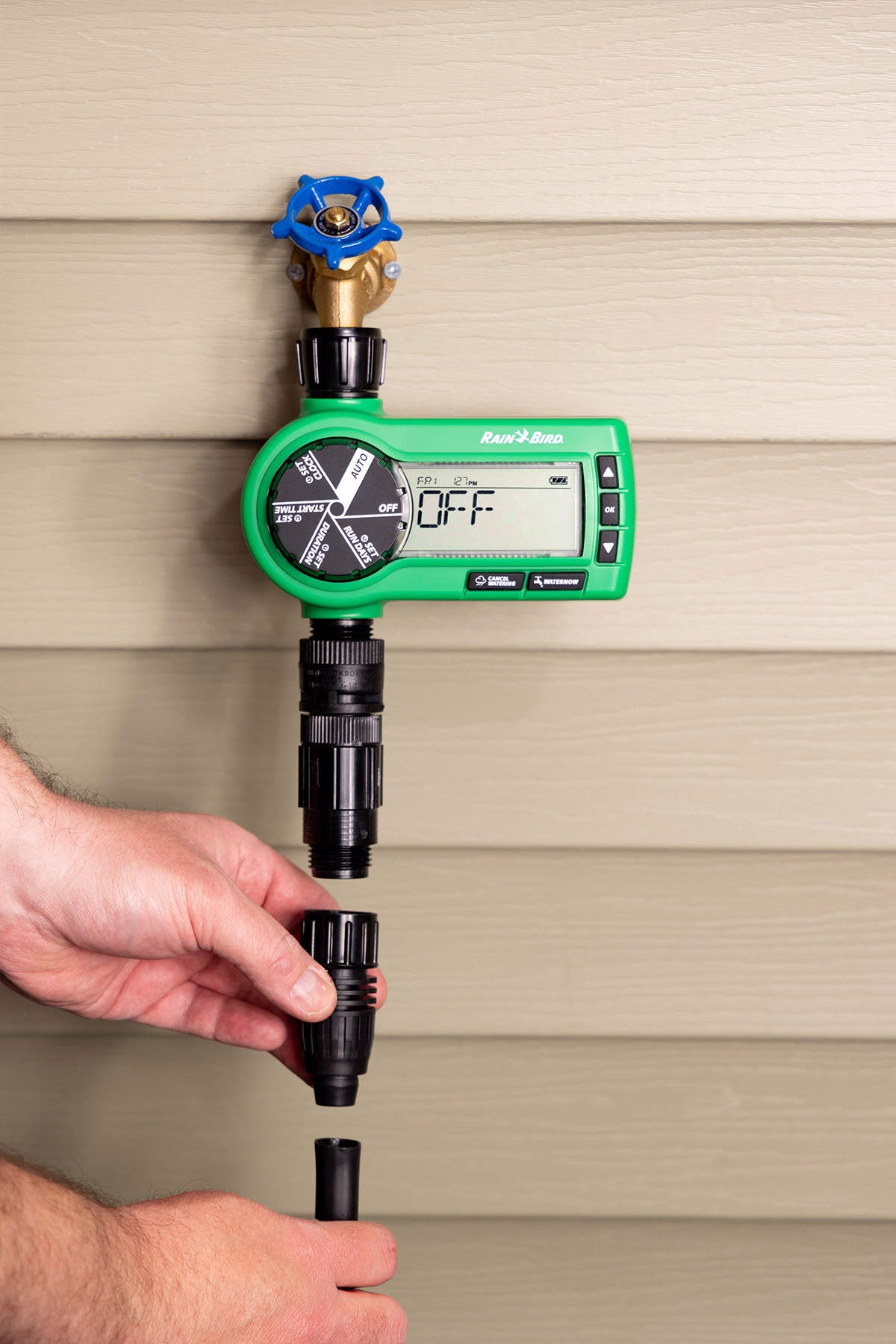
Connecting your hose-end watering system to the garden faucet is a simple process. It ensures water flows smoothly from the faucet into the system. Proper connection prevents leaks and keeps your garden hydrated.
Follow these easy steps to secure the hose-end system tightly. This will help you enjoy efficient watering without interruptions.
Align Hose Coupling
Start by holding the hose coupling near the faucet. Make sure the female end of the hose fits over the faucet’s male thread. Align the threads carefully to avoid cross-threading. Proper alignment helps create a tight seal and prevents water leaks.
Twist And Tighten Connection
Once aligned, twist the hose coupling clockwise by hand. Turn it until it feels snug against the faucet. Avoid using tools that might damage the coupling. Tighten just enough to stop any water from escaping. A secure connection keeps your watering system working well.
Check For Leaks
Checking for leaks is a key step after connecting your hose-end watering system. Leaks waste water and reduce pressure. Finding leaks early helps protect your garden and save water. Follow simple steps to ensure your connections are tight and secure.
Turn On Water Slowly
Open your garden faucet slowly. A gentle flow prevents sudden pressure that may cause leaks. Watch the hose connection carefully as water starts to flow. Slow water flow helps you spot even small drips early. If you see water escaping, turn off the faucet and tighten the connection.
Inspect Connection Points
Check all places where the hose meets the faucet and the watering system. Look for wet spots or water droplets. Pay close attention to washers and threads. These parts often cause leaks if not fitted properly. Tighten any loose fittings by hand, but avoid over-tightening. Replace damaged washers to ensure a good seal.
Adjust Water Flow
Adjusting the water flow is key to efficient watering. It controls how much water your plants get. Proper flow helps avoid overwatering or underwatering. It also saves water and prevents damage to your garden.
Use Timer Or Valve Settings
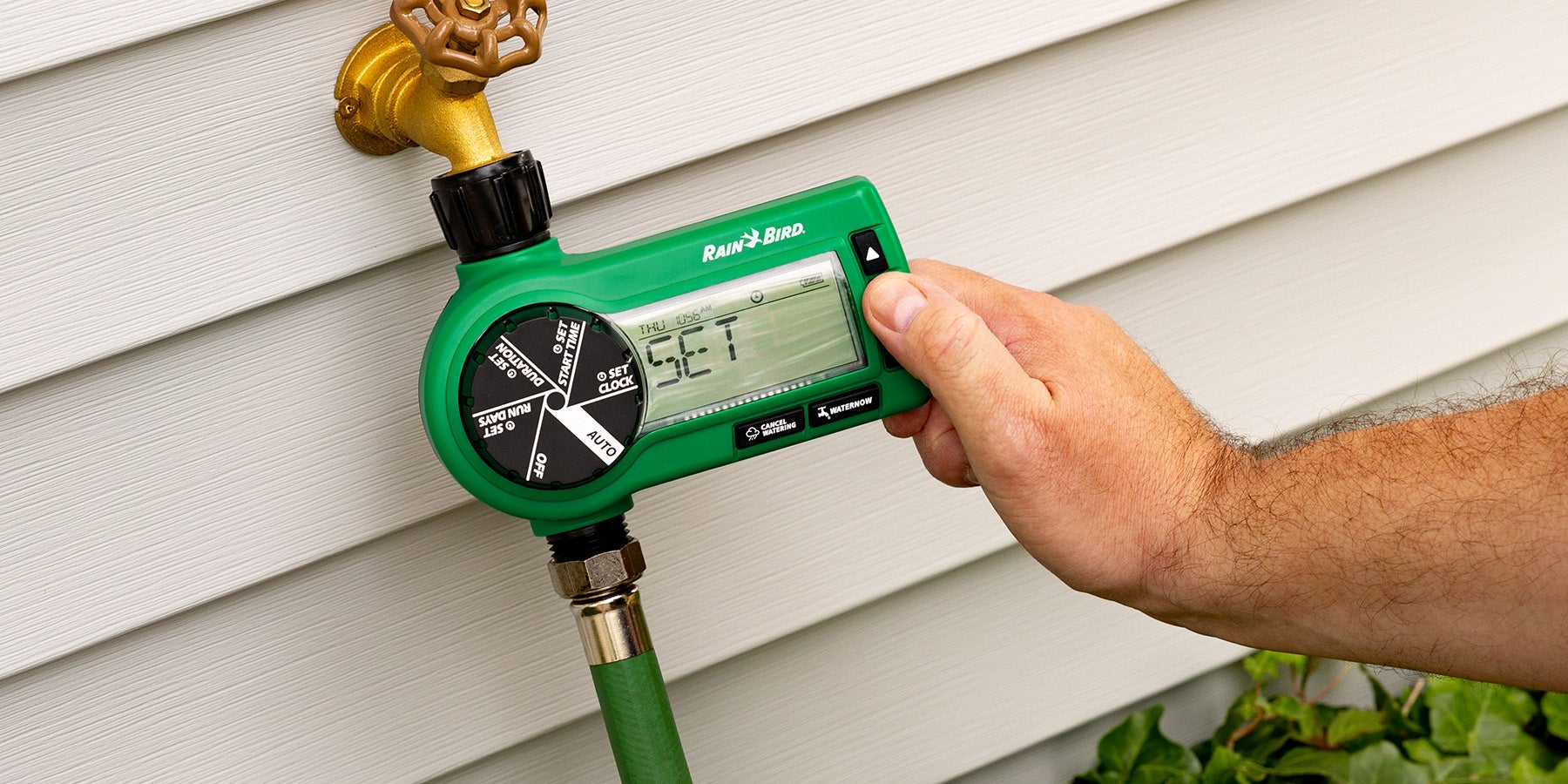
Many hose-end watering systems come with timers or valves. These let you control water flow easily. Turn the valve to increase or decrease water. Timers can set automatic flow for specific periods. This way, you don’t need to watch the faucet all the time. Use these tools to keep water flow steady and suited to your plants.
Set Desired Watering Schedule
Set a watering schedule based on your garden’s needs. Choose times when plants absorb water best, like early morning or late evening. Avoid watering during the heat of the day to reduce evaporation. Use your timer to set how long and how often water flows. Adjust as seasons change for healthy growth. Regular watering keeps your garden thriving with less waste.
Maintain System Regularly
Maintaining your hose-end watering system keeps it working well. Regular care prevents clogs and leaks. It also extends the system’s life. Simple steps can save money and water.
Clean Filters And Emitters
Check filters often to remove dirt and debris. Clean filters by rinsing them under running water. Use a soft brush for stubborn dirt. Emitters can clog from mineral buildup. Soak emitters in vinegar for a few hours. Then flush with water to clear blockages. Clean parts help water flow evenly to plants.
Store System During Winter
Winter can damage your watering system. Drain all water before storing to avoid freezing. Remove hoses and parts from the faucet. Store them in a dry, sheltered place. Keep the system away from cold and moisture. Proper storage stops cracks and leaks. Prepare your system ready for spring use.

Credit: homesteadandchill.com
Frequently Asked Questions
How Do You Connect A Garden Hose To An Outdoor Faucet?
Place the garden hose’s female coupling onto the outdoor faucet’s male thread. Twist clockwise by hand until tight. Ensure the washer is seated properly to prevent leaks. Turn on the faucet and check for water flow and leaks. Tighten slightly if needed.
How Do You Connect A Garden Hose To A Faucet Supply Line?
Attach the garden hose’s female coupling to the faucet’s male thread. Twist clockwise firmly until tight. Ensure the hose washer is in place. Turn on the water to check for leaks. Tighten if needed.
How To Connect Drip System To Hose?
Attach a hose-end adapter to your water source. Connect the drip system tubing to the adapter. Secure all fittings tightly. Turn on water to test for leaks. Adjust emitters as needed for proper watering.
Can I Connect A Garden Hose To A Tap?
Yes, you can connect a garden hose to a tap using a compatible hose connector. Twist the hose’s female coupling onto the tap’s male thread until secure. Ensure the washer is in place to prevent leaks. Turn the tap on and check for water flow.
Conclusion
Connecting a hose-end watering system to your garden faucet is simple and quick. Follow the steps carefully for a secure fit. Make sure all connections are tight to avoid leaks. Use washers and adapters as needed for your faucet type.
Test the system before regular use to ensure proper water flow. This setup saves time and helps keep your garden healthy. Enjoy easy watering with less effort every day.