
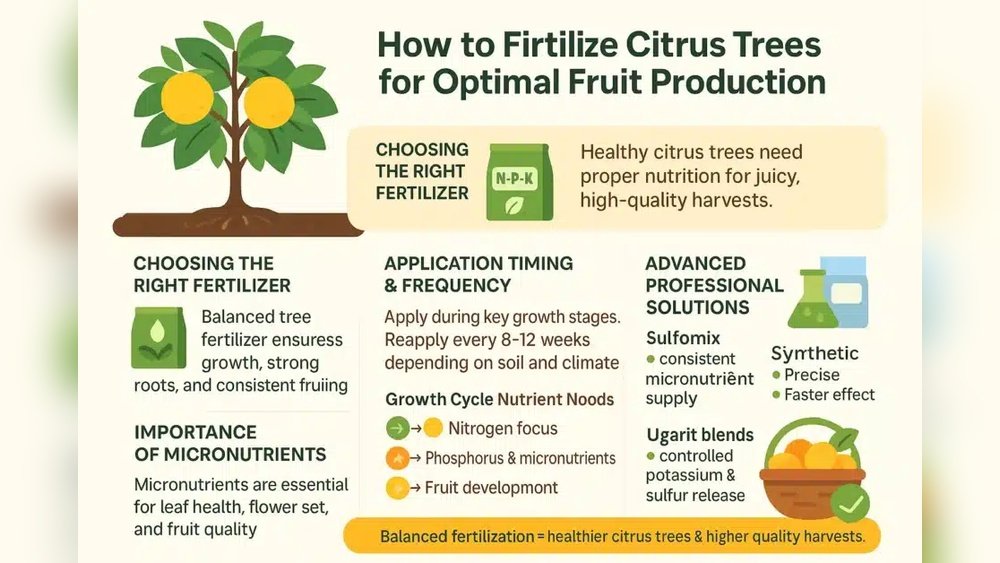
Are you struggling to find the right fertilizer to boost your plants’ growth? Choosing the perfect fertilizer with high nitrogen content can make all the difference in achieving lush, green, and healthy plants.
But with so many options out there, how do you know which one suits your garden’s unique needs? You’ll discover simple, practical tips to pick the best high-nitrogen fertilizer, helping your plants thrive like never before. Keep reading to unlock the secret to vibrant growth and a flourishing garden!

Credit: www.keystonebioag.com
Why Nitrogen Matters
Nitrogen is a vital nutrient for plants. It plays a key part in their growth and health. Choosing the right fertilizer means knowing why nitrogen matters. Understanding nitrogen helps you pick the best fertilizer for your plants’ needs.
Role Of Nitrogen In Plant Growth
Nitrogen helps plants make proteins. Proteins build leaves, stems, and roots. It also supports photosynthesis, the process plants use to make food. More nitrogen means stronger, greener plants. It helps plants grow fast and stay healthy.
Signs Of Nitrogen Deficiency
Plants need nitrogen to stay green. Yellowing leaves often show nitrogen is low. Older leaves turn pale first. Growth slows down, and plants look weak. Leaves may drop early. Spotting these signs helps you act fast. Adding the right fertilizer brings plants back to life.

Credit: yarafert.com
Types Of High-nitrogen Fertilizers
Choosing the right high-nitrogen fertilizer helps plants grow strong leaves and stems. Nitrogen is a key nutrient for healthy plant growth. Different fertilizers supply nitrogen in various ways. Some come from man-made sources, while others come from natural materials. Understanding these types can help match the fertilizer to your garden’s needs.
Each type has its own advantages. Some release nitrogen quickly, while others provide it slowly over time. Knowing these differences makes it easier to pick the best option for your plants.
Synthetic Options
Synthetic fertilizers contain nitrogen made through chemical processes. They often have high nitrogen content. These fertilizers work fast and give plants a quick boost. Common types include urea, ammonium nitrate, and ammonium sulfate.
Synthetic fertilizers dissolve easily in water. This helps plants absorb nitrogen quickly. They are useful for gardens needing rapid growth. Use them carefully to avoid overfeeding plants or harming the soil.
Organic Alternatives
Organic fertilizers come from natural sources like plants and animals. Examples include compost, manure, and blood meal. These fertilizers release nitrogen slowly. This slow release feeds plants over time.
Organic options improve soil health and add nutrients. They help build strong soil structure. They suit gardens focused on long-term growth. Organic fertilizers are safer for the environment and reduce chemical buildup in soil.
Matching Fertilizer To Plant Needs
Choosing the right fertilizer depends on the specific needs of your plants. Different plants require different amounts of nitrogen. Matching fertilizer to plant needs helps them grow strong and healthy. Nitrogen supports leaf and stem growth, but too much can harm some plants.
Vegetables And Fruits
Vegetables and fruits need high nitrogen during early growth. This boosts leafy greens and helps fruit plants develop better. Use fertilizers with balanced nitrogen, phosphorus, and potassium. Too much nitrogen can reduce fruit production. Choose fertilizers labeled for vegetable or fruit gardens.
Lawns And Turf
Lawns demand nitrogen for lush, green grass. High-nitrogen fertilizers keep turf thick and healthy. Use slow-release nitrogen to avoid burning the grass. Apply fertilizer evenly to prevent patchy growth. Regular feeding supports year-round lawn health.
Flowering Plants
Flowering plants need nitrogen but less than leafy plants. Excess nitrogen can cause more leaves, fewer flowers. Use fertilizers with lower nitrogen and higher phosphorus for blooms. This balance helps flowers grow vibrant and strong. Pick fertilizers made for flowering plants.
Reading Fertilizer Labels
Understanding fertilizer labels is key to choosing the right product for high-nitrogen needs. These labels provide important information about the nutrients inside. Learning to read them helps you pick a fertilizer that matches your plant’s requirements.
N-p-k Ratios Explained
Fertilizer labels show three numbers separated by dashes. These numbers represent nitrogen (N), phosphorus (P), and potassium (K) percentages. Nitrogen helps leaves grow green and strong. Phosphorus supports root and flower development. Potassium improves overall plant health.
For example, a label reading 20-10-10 means 20% nitrogen, 10% phosphorus, and 10% potassium. The first number is always nitrogen. Higher first numbers mean more nitrogen in the fertilizer.
Identifying High-nitrogen Formulas
Choose fertilizers with a high first number in the N-P-K ratio for nitrogen needs. Look for formulas like 30-10-10 or 24-8-16. These have more nitrogen than phosphorus and potassium.
High-nitrogen fertilizers suit leafy vegetables, lawns, and plants needing strong green growth. Avoid fertilizers with low nitrogen numbers if you want fast, lush foliage growth. Always check the label before buying to ensure it fits your needs.
Application Tips For Best Results
Applying fertilizer correctly is key to getting the most from high-nitrogen products. Proper application helps plants absorb nutrients better. It also prevents waste and damage to the environment. Follow these tips to apply fertilizer effectively and support strong, healthy growth.
Timing And Frequency
Apply fertilizer during the active growing season for best results. This is when plants need nitrogen the most. Early morning or late afternoon are ideal times to avoid heat stress. Avoid fertilizing before heavy rain to prevent runoff. Apply in small, regular doses rather than one large amount. This keeps nitrogen available to plants longer and reduces nutrient loss.
Proper Dosage And Techniques
Follow label instructions for correct fertilizer amounts. Too much nitrogen can harm plants and soil. Spread fertilizer evenly to avoid burning roots. Use tools like spreaders or measuring cups for accuracy. Water the area lightly after applying to help nutrients soak in. Avoid applying fertilizer directly on plant leaves to prevent damage.
Environmental Considerations
Choosing a fertilizer for high-nitrogen needs requires thought about the environment. Fertilizers affect soil, water, and air quality. Using the right amount protects nature and keeps plants healthy. Careful choices help reduce pollution and save resources. Understanding environmental impacts guides better fertilizer use.
Avoiding Over-fertilization
Too much fertilizer harms plants and the environment. Excess nitrogen can wash into rivers and lakes. This causes algae blooms that kill fish and plants. Over-fertilizing also wastes money and effort. Use only the amount your plants need. Follow package instructions and test your soil first.
Sustainable Fertilizer Practices
Choose fertilizers that release nutrients slowly. This lowers the risk of runoff and pollution. Organic fertilizers improve soil health over time. They add nutrients and help soil hold water. Rotate crops and use cover plants to protect soil. These steps reduce fertilizer needs and keep soil strong.
Common Mistakes To Avoid
Choosing the right fertilizer for high-nitrogen needs can be tricky. Many gardeners make mistakes that affect plant health and growth. Avoiding these common errors helps plants thrive and saves money.
Misjudging Plant Needs
Plants need different amounts of nitrogen. Some need a lot, while others need less. Giving too much nitrogen can burn plants or cause weak stems. Too little nitrogen slows growth and leaves plants yellow. Always check the type of plant before buying fertilizer.
Not all plants show clear signs of nitrogen deficiency. Sometimes, symptoms look like other problems. Test plants carefully or ask for advice. Correct nitrogen levels boost leaf growth and overall health.
Ignoring Soil Conditions
Soil affects how plants use fertilizer. Some soils already have enough nitrogen. Adding more can harm plants and pollute water. Other soils need more nitrogen to help plants grow well.
Testing soil before fertilizing is important. A soil test shows nutrient levels and pH balance. This helps pick the right fertilizer and avoid waste. Remember, healthy soil means healthy plants.

Credit: lotusnutrients.com
Frequently Asked Questions
What Is The Best Fertilizer For High-nitrogen Needs?
The best fertilizer for high-nitrogen needs contains 20-30% nitrogen. Look for products labeled as nitrogen-rich or with high N values, like urea or ammonium nitrate. These promote lush, green plant growth and support leafy plants.
How Do I Determine Nitrogen Content In Fertilizer?
Check the fertilizer label for three numbers (N-P-K). The first number represents nitrogen content. A higher first number means more nitrogen. For example, 30-10-10 means 30% nitrogen, ideal for high-nitrogen needs.
When Should I Apply High-nitrogen Fertilizer?
Apply high-nitrogen fertilizer during early growth stages for leafy plants. Spring and early summer are best times. Avoid late-season application to prevent excessive leaf growth over fruit or flower production.
Can High-nitrogen Fertilizer Harm Plants?
Yes, too much nitrogen can burn plants or cause weak stems. Overuse leads to excessive leaf growth and fewer flowers or fruits. Always follow recommended application rates for safe use.
Conclusion
Choosing the right fertilizer helps plants grow strong and healthy. Focus on fertilizers with high nitrogen for green, leafy growth. Check the label carefully to match your plant’s needs. Use the right amount to avoid damage. Remember, good soil and watering also matter a lot.
With the right fertilizer, your garden will thrive. Keep learning and adjusting for the best results. Simple steps lead to a lush, green garden.