
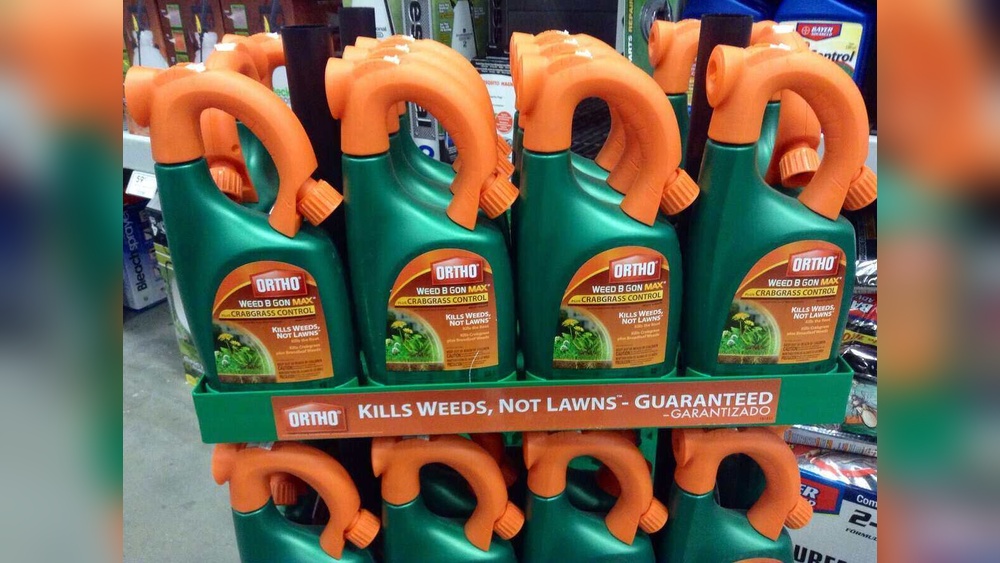
Weeds can quickly take over your garden, stealing nutrients and ruining the look you’ve worked hard to create. If you’re tired of seeing those stubborn plants pop up, it’s time to take action with a post-emergent weed killer.
But applying it the right way is key to making sure your garden stays healthy and weed-free. In this guide, you’ll learn simple, effective steps to apply post-emergent weed killer that targets the weeds without harming your plants. Keep reading, and you’ll discover how to protect your garden and enjoy a cleaner, greener space all season long.
Choosing The Right Weed Killer
Choosing the right post-emergent weed killer is key to a healthy garden. It ensures weeds die without harming your plants. Understanding the different types and options helps you pick the best product. This guide breaks down how to select the correct herbicide for your garden.
Types Of Post-emergent Herbicides
Post-emergent herbicides target weeds after they grow. Some kill broadleaf weeds, while others focus on grassy weeds. There are selective herbicides that only kill specific weeds. Non-selective types kill all plants they touch. Choose based on the weeds you want to control.
Selecting Based On Weed Type
Identify your garden weeds first. Broadleaf weeds like dandelions need different treatment than grassy weeds. Use broadleaf herbicides for broadleaf weeds only. For grassy weeds, pick a herbicide made for grasses. Spot treatments work well for small weed patches.
Organic Vs Chemical Options
Organic weed killers use natural ingredients. They are safer for pets and children. Organic options may take longer to work. Chemical herbicides act faster and often kill weeds completely. They need careful use to avoid harming other plants. Choose the option that fits your garden care style.
Preparing Your Garden
Preparing your garden before applying post-emergent weed killer is crucial. It helps the product work better and protects your plants. Taking time to get the garden ready can prevent mistakes and damage. Here are some key steps to prepare your garden for a safe and effective weed treatment.
Clearing Debris And Mowing
Remove leaves, sticks, and any garden debris first. This clears the area and helps the weed killer reach the weeds directly. Mow your lawn before spraying, but not too short. Keep grass at a moderate height so the herbicide can be absorbed well.
Checking Weather Conditions
Choose a calm day to apply the weed killer. Avoid windy days to prevent spray drift onto other plants. Also, check for rain. Do not spray if rain is expected soon. Rain can wash away the product before it works.
Protecting Desirable Plants
Cover flowers, vegetables, and other good plants near weeds. Use plastic sheets or cardboard to shield them from spray drift. Be careful while spraying to avoid hitting these plants. This protects your garden’s healthy plants from harm.
Mixing The Herbicide
Mixing the herbicide correctly is key to effective weed control. It ensures the right strength and coverage. Too strong or too weak solutions can harm your plants or fail to kill weeds. Follow simple steps to mix safely and accurately.
Reading The Product Label
Start by carefully reading the herbicide label. It shows the exact mixing ratio and safety tips. Every product differs, so follow instructions closely. The label also lists necessary protective gear and environmental warnings. Never guess the dose; it protects your plants and health.
Proper Dilution Techniques
Use clean water for dilution. Measure herbicide and water precisely using a measuring cup or container. Pour water into the spray tank first, then add the herbicide. Stir or shake gently to mix evenly. Avoid mixing more than needed to keep the solution fresh and active.
Using The Right Equipment
Choose a sprayer designed for garden herbicides. Check for leaks and clean it before use. Use gloves and eye protection when handling chemicals. Adjust the nozzle to get a fine spray for even coverage. Proper equipment helps apply the herbicide safely and effectively.

Credit: www.youtube.com
Applying The Weed Killer
Applying post-emergent weed killer correctly helps protect your garden plants. It targets weeds after they appear, stopping them from growing further. Proper application ensures the product works well and avoids damage to your desired plants. Follow clear steps to spray with care and precision.
Best Time Of Day To Spray
Choose early morning or late afternoon to spray weed killer. These times have cooler temperatures and less wind. Avoid spraying under direct sunlight to prevent quick evaporation. Calm weather helps the spray settle on weeds better. This timing reduces the risk of harming nearby plants.
Spraying Techniques For Even Coverage
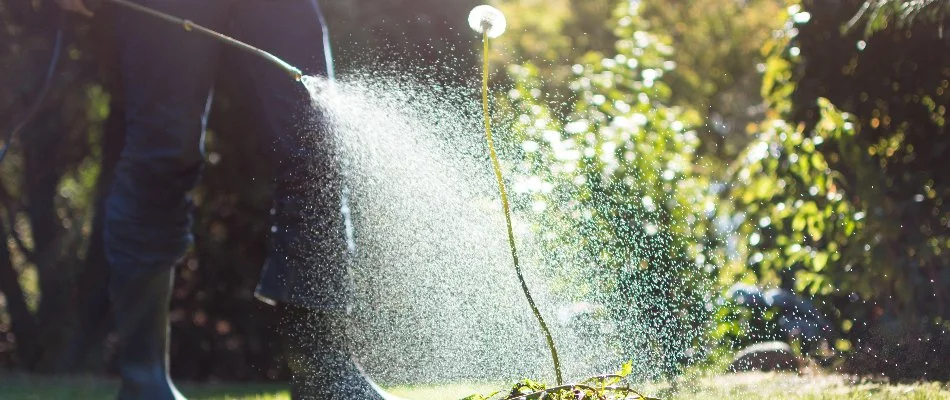
Hold the spray nozzle close to the weeds for good control. Move steadily and keep a consistent speed to cover all leaves. Overlap each spray pass slightly to avoid missed spots. Avoid spraying so much that the weed leaves drip or run off. Even coverage helps the herbicide work efficiently.
Spot Treatment Vs Broad Application
Spot treatment targets only visible weeds. Aim the spray directly and cover the weed leaves fully. This method saves product and protects nearby plants. Broad application covers large garden areas with many weeds. Use it when weeds grow in patches or spread widely. Choose the method based on weed size and spread.
Post-application Care
After applying post-emergent weed killer, proper care is essential for the best results. This phase helps the herbicide work effectively and protects your garden plants. Follow these simple steps to maintain your garden’s health and ensure weeds are eliminated.
Watering Guidelines
Check the product label for watering instructions. Some herbicides need watering to activate them. Others require dry leaves for several hours. Water gently if needed, avoiding runoff. Proper watering helps the weed killer reach the roots.
Avoiding Mowing After Application
Do not mow the lawn right after spraying. Mowing can remove treated leaves and reduce effectiveness. Wait at least 2 to 3 days before mowing. This gives the herbicide time to work fully.
Monitoring Weed Response
Watch your garden for signs of weed damage. Leaves may yellow or wilt within days. Some weeds take longer to die. If weeds persist after two weeks, consider a second treatment. Keep notes to track progress and adjust care as needed.
Safety Tips
Applying post-emergent weed killer requires care and attention to safety. Proper safety measures protect you, your garden, and the environment. Following simple safety tips ensures effective weed control without harm.
Using Protective Gear
Wear gloves to protect your hands from chemicals. Use long sleeves and pants to cover your skin. Safety goggles shield your eyes from splashes. A mask helps avoid inhaling fumes. Always dress fully before starting the application.
Handling And Storage
Keep the weed killer in its original container. Store it in a cool, dry place away from children and pets. Avoid mixing it with other chemicals. Read the label instructions carefully before use. Dispose of empty containers properly to prevent accidents.
Environmental Precautions
Do not spray on windy days to avoid drift. Avoid applying near water sources or vegetable gardens. Use only the recommended amount to reduce pollution. Keep pets and wildlife away from treated areas until dry. Protect beneficial plants by spraying carefully and only on weeds.
Troubleshooting Common Issues
Applying post-emergent weed killer can sometimes bring challenges. Knowing how to solve these problems keeps your garden healthy. This section covers common issues and easy fixes. Use these tips to maintain a strong, green lawn.
Dealing With Resistant Weeds
Some weeds may not die after the first spray. They might be resistant to the herbicide used. Try switching to a different type with a new active ingredient. Spot treat tough weeds instead of spraying the whole area. Pull out stubborn weeds by hand to prevent spread. Keep an eye on the garden for new resistant weed growth.
Preventing Damage To Lawn
Post-emergent weed killers can harm grass if not used carefully. Avoid spraying on windy days to reduce drift. Use a shield or spray carefully to protect nearby plants. Always follow the product instructions for the right amount. Water the lawn only if the label says to do so. Keep pets and children off the treated area until it is dry.
When To Reapply
Sometimes one application is not enough for full control. Check the treated area after two weeks. If weeds remain green and healthy, consider a second application. Do not spray more often than the product label allows. Reapply only to areas with active weed growth. Avoid overuse to protect your lawn and the environment.

Credit: www.getlawnbright.com
Credit: www.hoffmanslawncare.com
Frequently Asked Questions
How Do You Apply Post-emergent Weed Killer?
Mix the weed killer as per label instructions. Spray directly onto actively growing weeds. Avoid windy days. Walk steadily in straight rows for even coverage. Follow watering guidelines on the product label after application.
Does Post-emergent Need To Be Watered In?
Some post-emergent herbicides require watering in; others need to dry. Always follow the product label instructions carefully.
What To Do After Spraying Post-emergent?
After spraying post-emergent, avoid watering unless label instructs. Keep pets and children off treated area. Monitor weed progress and reapply if needed.
What Is The Best Time To Spray Post-emergent Herbicide?
Spray post-emergent herbicide during active weed growth, preferably in calm, dry weather. Apply in the morning or late afternoon for best results. Avoid windy or rainy conditions to ensure effectiveness.
Conclusion
Applying post-emergent weed killer helps keep your garden healthy. Spray on calm, dry days for best results. Target weeds directly and avoid over-spraying your plants. Follow product instructions carefully to protect your lawn and flowers. Water only if the label says it is necessary.
Regular care and timely treatment prevent weed growth effectively. Your garden will look cleaner and grow stronger. Simple steps make weed control easy and successful. Keep watching your garden and repeat treatment as needed. Enjoy a weed-free garden all season long.