
If you want to grow healthier plants and boost your garden’s productivity, improving your soil is the first step. But how do you do that without relying on harsh chemicals?
The answer lies in organic amendments. By adding natural materials to your soil, you can unlock its full potential, making it richer, more fertile, and better at retaining water. You’ll discover simple, effective ways to apply organic amendments that will transform your soil—and your garden.
Keep reading, and you’ll learn exactly what to do to give your plants the healthy foundation they deserve.
Benefits Of Organic Amendments
Organic amendments bring many benefits to soil health. They help soil become richer and more alive. Using natural materials supports plants and the environment. Soil improves step by step with these simple additions. Here are some key benefits of using organic amendments.
Enhancing Soil Fertility
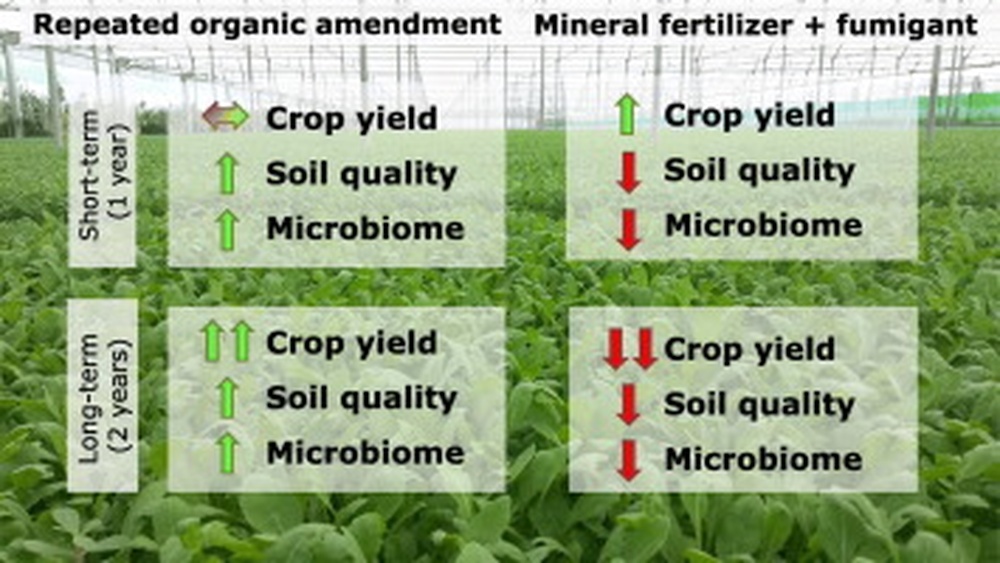
Organic amendments add nutrients that plants need. They release nutrients slowly over time. This steady supply helps plants grow strong. The soil holds more nutrients for longer. It supports healthy roots and higher yields.
Boosting Microbial Activity
Organic matter feeds soil microbes. These tiny organisms break down materials into nutrients. They create a lively ecosystem underground. Microbes help protect plants from diseases. Active microbes make soil more fertile and balanced.
Improving Soil Structure
Organic amendments help soil particles stick together. This creates good soil crumb or texture. Well-structured soil allows roots to grow easily. It also improves air flow and drainage. Plants find it easier to take up water and nutrients.
Increasing Water Retention
Adding organic matter helps soil hold water better. It acts like a sponge during dry times. This reduces the need for frequent watering. Moist soil supports plant health and growth. Water stays longer, helping plants survive droughts.
Types Of Organic Amendments
Organic amendments improve soil by adding nutrients and boosting soil life. They help soil hold water and air better. Different types of organic materials serve unique roles in soil health. Understanding these types helps you choose the right one for your garden or farm.
Compost
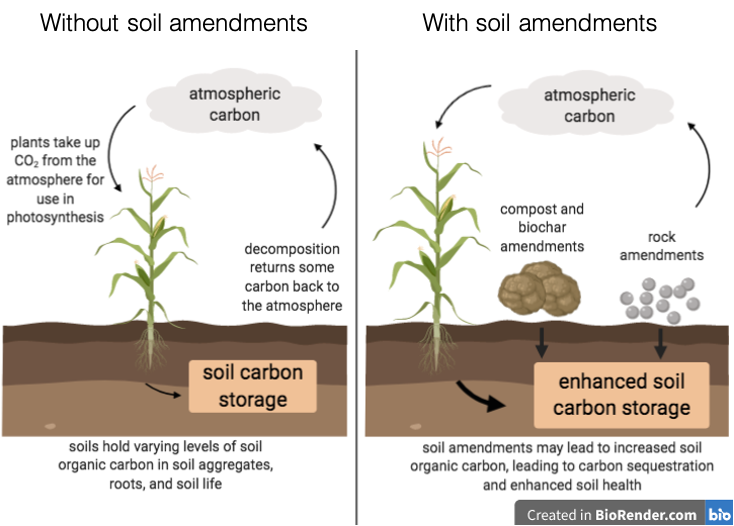
Compost is decomposed organic matter. It contains nutrients plants need to grow. Compost improves soil texture and moisture retention. It feeds beneficial microbes that keep soil alive. Use compost by mixing it into topsoil before planting.
Manure
Manure comes from animals like cows, horses, and chickens. It is rich in nitrogen and other nutrients. Fresh manure can burn plants, so it needs to be aged or composted first. Applying manure boosts soil fertility and plant growth.
Cover Crops
Cover crops are plants grown to protect soil. They prevent erosion and add organic matter. Some cover crops fix nitrogen, making it available for future plants. Plant cover crops during off-season or between crop cycles.
Mulch
Mulch is a layer of organic material placed on soil surface. It keeps soil moist and cool. Mulch reduces weeds and stops soil erosion. Common mulches include straw, leaves, and wood chips. Mulch slowly breaks down and enriches soil.
Biochar
Biochar is charcoal made from plant materials. It improves soil structure and water retention. Biochar also holds nutrients in soil longer. Adding biochar helps soil microbes thrive. It is a long-lasting soil amendment with many benefits.
Choosing The Right Amendment
Choosing the right organic amendment is key for healthy soil. Different soils need different nutrients and materials. Using the right amendment helps plants grow strong and healthy. It also improves soil structure and water retention. This section explains how to pick the best organic amendment.
Assessing Soil Needs
Start by testing your soil. Check its pH, nutrient levels, and texture. This shows what your soil lacks. Some soils need more nitrogen, others need more organic matter. Knowing the soil’s condition helps you pick the right amendment. Avoid adding too much of one nutrient. Balance is important for soil health.
Considering Crop Requirements
Different crops need different nutrients. Leafy vegetables often need more nitrogen. Root crops may benefit from phosphorus-rich amendments. Fruit plants might need potassium. Match the amendment to the crop’s needs. This helps plants absorb nutrients better. It also improves crop yield and quality.
Availability And Cost
Choose amendments that are easy to find locally. Some organic materials may be expensive or hard to get. Use what fits your budget and is available nearby. Common options include compost, manure, and green manure. These are often affordable and effective. Avoid costly amendments that do not suit your soil or crops.
Application Methods
Applying organic amendments correctly helps improve soil health effectively. Different methods serve different purposes and crops. Choosing the right method can boost nutrient uptake and soil structure. Here are some common ways to apply organic materials to your soil.
Incorporation Into Soil
Mix organic amendments directly into the soil. Use a shovel, tiller, or hoe to work the material into the top few inches. This method improves soil aeration and nutrient availability. It helps beneficial microbes break down the organic matter faster. Incorporation is best before planting or during soil preparation.
Top Dressing
Spread organic amendments evenly on the soil surface. This approach adds nutrients slowly as materials break down over time. It protects soil from erosion and reduces moisture loss. Top dressing works well for lawns, gardens, and established plants. Avoid deep mixing to keep the soil structure intact.
Mulching
Use organic materials like straw, leaves, or compost as mulch around plants. Mulching suppresses weeds and keeps the soil moist. It also adds nutrients gradually as it decomposes. Place mulch in a layer 2 to 4 inches thick. Keep mulch a few inches away from plant stems to prevent rot.
Liquid Application
Prepare liquid extracts or compost teas to feed plants and soil microbes. Apply liquids by spraying or watering directly onto the soil or leaves. This method delivers nutrients quickly and promotes microbial activity. Use liquid application during the growing season for a nutrient boost. Avoid over-application to prevent nutrient runoff.
Timing And Frequency
Applying organic amendments at the right time and frequency helps soil stay healthy and fertile. Timing affects how well plants absorb nutrients and how the soil microbes work. Proper frequency keeps the soil balanced without overloading it. Knowing when and how often to apply organic materials makes a big difference in soil health.
Seasonal Considerations
Spring and fall are the best seasons for adding organic amendments. Soil is active in these seasons, helping break down organic matter quickly. Summer heat can dry out amendments, reducing their effectiveness. Winter is often too cold for microbes to work well. Matching application with the soil’s natural cycles boosts nutrient release.
Application Intervals
Apply organic amendments every few months, not all at once. This keeps nutrients steady and avoids sudden changes in soil chemistry. Spreading out applications helps plants get a regular supply of nutrients. For gardens, two to three times a year is usually enough. More frequent applications may be needed for heavy feeders or poor soils.
Avoiding Over-application
Too much organic amendment can harm soil and plants. Excess nutrients can wash away, polluting water sources. Overloading soil also disrupts microbial balance. Follow recommended amounts on product labels or consult local guidelines. Less is often better than too much. Watch plants and soil for signs of stress or buildup.

Credit: www.sciencedirect.com
Precautions And Best Practices
Applying organic amendments can greatly improve soil health. Taking the right precautions ensures safety and better results. Following best practices helps protect the soil and plants.
Avoiding Contamination
Use clean, uncontaminated organic materials only. Avoid using waste with chemicals or heavy metals. Keep animal manure well composted to kill harmful pathogens. Prevent mixing soil with trash or plastic. Clean tools and equipment before use to stop spreading diseases.
Proper Storage
Store organic amendments in a dry, shaded area. Keep materials covered to avoid rainwater contamination. Separate different types of amendments to prevent mixing. Use containers or pallets to keep them off the ground. Check stored materials regularly for signs of mold or pests.
Monitoring Soil Health
Test soil regularly to track changes in nutrients and pH. Observe plant growth for signs of nutrient deficiency or toxicity. Keep records of amendment types and application dates. Adjust amendment amounts based on soil test results. Monitor moisture levels to maintain good soil structure.
Measuring Improvement
Measuring the improvement of soil health is important after applying organic amendments. It helps you see if the soil is becoming richer and more fertile. Checking the soil in different ways gives a clear idea about the changes happening beneath the surface. This section explains simple methods to track soil health effectively.
Soil Testing
Soil testing shows the nutrients and pH levels in your soil. Collect samples from different spots in your garden or field. Use a soil test kit or send samples to a lab for detailed analysis. The results tell you if organic amendments raise nutrient levels. Regular soil testing helps guide future soil care efforts.
Plant Growth Indicators
Healthy plants reflect healthy soil. Observe plant color, size, and leaf shape closely. Strong, green plants suggest good nutrient supply and soil moisture. Poor growth or yellow leaves may mean the soil needs more work. Watching plants grow over time offers clues about soil improvement.
Long-term Soil Monitoring
Soil health changes slowly. Keep records of soil tests and plant growth each season. Take photos and write notes about soil texture and moisture. Long-term tracking shows trends and helps spot problems early. This steady approach ensures lasting soil health and better crop yields.
Credit: www.climatehubs.usda.gov

Credit: extension.umd.edu
Frequently Asked Questions
What Are Organic Amendments For Soil Health?
Organic amendments are natural materials like compost, manure, and mulch. They improve soil structure, nutrient content, and microbial activity for better plant growth.
How Often Should Organic Amendments Be Applied?
Apply organic amendments once or twice a year, preferably during planting or before the growing season. This maintains nutrient levels and soil vitality.
Can Organic Amendments Prevent Soil Erosion?
Yes, organic amendments enhance soil structure and moisture retention. This reduces erosion by stabilizing soil and promoting plant root growth.
What Types Of Organic Amendments Improve Soil Fertility?
Compost, manure, green manure, and biochar are top organic amendments. They supply nutrients, increase organic matter, and support beneficial microbes.
Conclusion
Applying organic amendments boosts soil health and plant growth. Healthy soil holds water and nutrients better. It supports beneficial microbes that help plants thrive. Regular use improves soil texture and fertility over time. Choose the right amendment for your soil type and needs.
Spread evenly and mix well for best results. Watch your garden grow stronger and more resilient. Keep caring for your soil to enjoy long-term benefits. Simple steps lead to healthier soil and better harvests. Soil health matters—give it the attention it deserves.