
Are you tired of seeing your plants droop or get root rot despite watering them regularly? Choosing the right watering system can make all the difference in keeping your plants healthy without drowning them.
But how do you find a system that delivers just the right amount of water—enough to nourish your plants but not so much that it causes over-watering? You’ll discover simple, effective ways to pick a watering method that matches your garden’s needs.
By the end, you’ll feel confident in creating a watering routine that helps your plants thrive and saves you from the frustration of over-watering. Keep reading to unlock the secrets to perfectly watered plants every time!
Credit: water.unl.edu
Choosing The Right Watering System
Choosing the right watering system is key to keeping plants healthy and hydrated. A good system delivers water efficiently without causing over-watering. This helps roots grow strong and prevents plant diseases. Different systems fit different garden sizes and plant types. Understanding each option helps you pick what works best.
Drip Irrigation Benefits
Drip irrigation sends water directly to plant roots. This reduces water waste and evaporation. It keeps leaves dry, lowering disease risk. The slow, steady flow helps soil absorb water deeply. Drip systems work well for vegetable gardens and flower beds. They save water and encourage strong root growth.
Soaker Hoses Advantages
Soaker hoses release water slowly along their length. They are easy to install and move around. Soaker hoses wet the soil evenly, reducing runoff. They work well under mulch to keep moisture in. This system suits gardens with closely spaced plants. Soaker hoses help keep soil moist without flooding.
Sprinkler Systems Overview
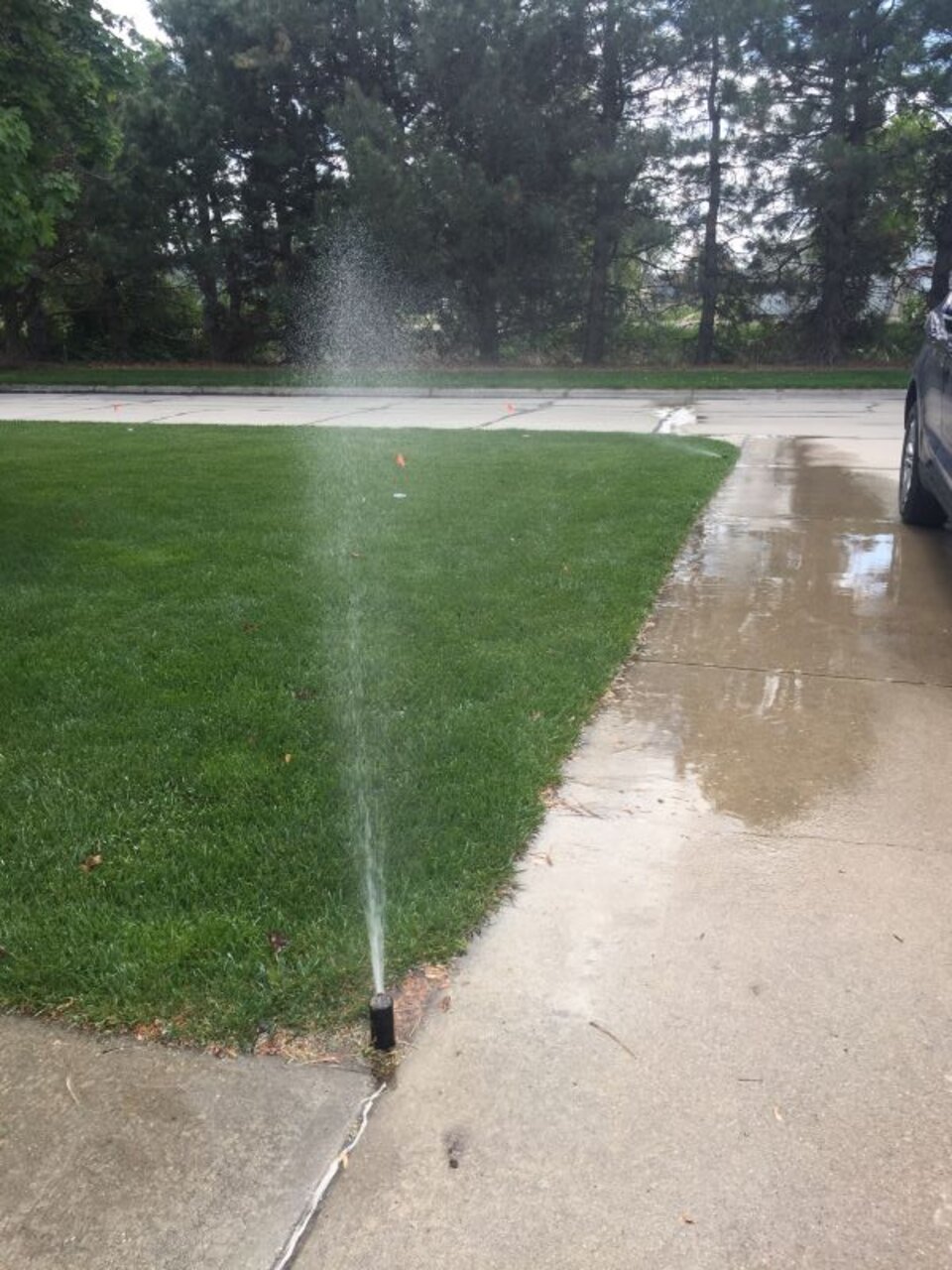
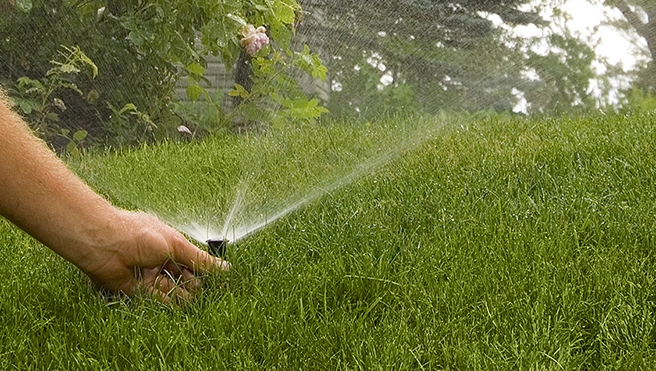
Sprinklers spray water over a wide area. They can cover lawns and larger garden spaces. Some sprinklers adjust spray patterns and distance. Sprinklers may cause water to land on leaves. This can increase disease risk if overused. Proper timing and control are needed to avoid over-watering.
Manual Vs Automated Options
Manual watering gives full control over water amount. You can check soil moisture before watering. This helps avoid over-watering. Automated systems use timers and sensors to water plants. They save time and deliver consistent moisture. Sensors can stop watering if soil is wet. Choosing manual or automated depends on your garden size and schedule.

Credit: www.vulcantermite.com
Preventing Overwatering
Preventing overwatering is key to keeping plants healthy. Too much water can harm roots and cause diseases. Choosing the right watering system helps avoid these problems. Understanding how to check soil and manage watering times is vital.
Checking Soil Moisture
Soil moisture tells if plants need water or not. Use a moisture meter or stick your finger into the soil. If the soil feels damp two inches down, wait before watering. Checking soil prevents watering when plants already have enough moisture.
Cycle And Soak Technique
This method waters plants in short bursts with breaks in between. Water for a few minutes, then pause to let soil absorb moisture. Repeat this cycle two or three times. It helps water soak deeply and stops runoff or puddles on the surface.
Adjusting Watering Frequency
Water needs change with weather and seasons. Reduce watering during rainy or cooler days. Increase it in hot, dry periods. Watch the plants and soil closely to decide how often to water. Adjusting frequency keeps plants from getting too wet or too dry.
Timing Your Watering
Water early in the morning or late in the evening. This reduces water loss from evaporation. Avoid watering in the heat of the day. Proper timing ensures plants absorb more water and stay hydrated longer.
Tailoring To Plant Types
Choosing the right watering system depends on the types of plants you grow. Each plant has unique water needs. Matching your system to these needs helps prevent over-watering. It also ensures your plants stay healthy and thrive. Understanding different plant categories guides your watering choices.
Native Plants Needs
Native plants usually require less water. They are adapted to local climate and soil. A drip irrigation system with low flow works well. Water deeply but infrequently to encourage strong roots. Avoid frequent shallow watering that leads to weak growth.
Vegetable Garden Requirements
Vegetables need consistent moisture for good production. Use soaker hoses or drip lines for even watering. Water early in the day to reduce evaporation. Check soil moisture regularly to avoid waterlogging. Mulch helps keep soil moist and cool.
Cottage Garden Considerations
Cottage gardens mix flowers, herbs, and shrubs. Their watering needs vary widely. Group plants with similar water needs together. Use adjustable drip emitters to tailor water amounts. This method saves water and supports plant diversity.
Pollinator-friendly Choices
Pollinator plants need balanced watering to thrive. Too much water harms nectar and pollen quality. Use drip irrigation with timers to control watering duration. Water at soil level to protect flowers. Healthy pollinator plants attract bees and butterflies.
Credit: www.groundsguys.com
Managing Water Distribution
Managing water distribution is key to watering plants properly without over-watering. Even water spread helps plants get the moisture they need. Uneven watering can cause some plants to stay dry while others get too much water. Proper water management saves water and keeps plants healthy. This section explains how to handle water flow, cover all areas, and keep moisture balanced.
Overcoming Friction Loss
Friction loss happens when water moves through pipes or hoses. It reduces water pressure and flow at the end of the line. To overcome this, use wider pipes or shorter hose lengths. Avoid sharp bends or kinks that slow down water. Check the system pressure to ensure steady water delivery. Proper design keeps water flowing evenly to all plants.
Ensuring Even Coverage
Plants need water spread evenly over their roots. Place sprinklers or drip emitters so water overlaps slightly. Avoid watering only one spot or missing areas. Test the system by running it for a short time. Adjust heads or emitters to fix dry or wet spots. Even coverage stops over-watering in some areas and under-watering in others.
Dealing With Slopes
Water runs downhill quickly on slopes, causing runoff and dry spots uphill. Use low-flow emitters or drip lines to apply water slowly. Water in cycles, letting soil soak between watering times. This method helps water soak deep without running off. Mulching slopes also slows water flow and keeps soil moist longer.
Using Mulch To Retain Moisture
Mulch is a layer of material placed on soil surface. It keeps moisture in the soil and reduces evaporation. Mulch also cools the soil and prevents weed growth. Use organic mulches like wood chips or straw for best results. Mulching helps plants use water more efficiently and reduces the need for frequent watering.
Seasonal Watering Adjustments
Adjusting watering based on seasons helps plants thrive without wasting water. Different times of the year need different watering amounts. Seasonal watering adjustments prevent over-watering and keep soil healthy. Careful attention to changes in weather and plant needs keeps gardens green and strong.
Spring And Fall Strategies
During spring and fall, plants need moderate watering. Soil tends to stay moist longer due to cooler temperatures. Water less frequently but deeply to encourage strong roots. Check soil moisture before watering to avoid excess water. Mulching helps retain soil moisture in these seasons.
Summer Watering Tips
Summer heat increases plant water needs. Water early in the morning to reduce evaporation. Use drip irrigation to deliver water directly to roots. Avoid watering in the afternoon to prevent leaf burns. Monitor soil dryness often to prevent plants from drying out.
Adapting For Weather Changes
Weather can change quickly during any season. Adjust watering schedules based on rainfall and temperature shifts. After heavy rain, skip watering to prevent soggy soil. During heatwaves, increase watering frequency but keep it light. Always observe plants for signs of over or under-watering.
Expert Tips For Efficiency
Efficiency is key when choosing a watering system for your plants. Efficient watering saves water and keeps plants healthy. It prevents over-watering, which can harm roots and waste resources. Follow expert tips to set up a system that works well and uses water wisely.
Warming Tubing Before Installation
Cold tubing can crack or kink during installation. Warm the tubing in the sun for about 30 minutes. This makes it flexible and easier to handle. Flexible tubing fits better around plants and reduces leaks. Proper installation helps deliver water efficiently to roots.
Grouping Plants For Impact
Group plants with similar water needs together. This allows you to water each group precisely. Avoids watering thirsty plants and drought-tolerant plants the same amount. Grouping reduces water waste and ensures all plants get the right moisture. It improves the overall health of your garden.
Avoiding Runoff And Waste
Water slowly to let soil absorb moisture deeply. Use drip irrigation or soaker hoses for steady delivery. Avoid watering on windy or hot days to reduce evaporation. Check soil moisture before watering to prevent excess water. These steps cut runoff and save water.
Reducing Plant Disease Risks
Water at the base of plants, not on leaves. Wet leaves increase risk of fungal diseases. Use drip systems or soaker hoses to keep foliage dry. Water in the early morning to allow leaves to dry quickly. Healthy plants resist disease and grow stronger.
Frequently Asked Questions
How To Water Plants Without Overwatering?
Water plants only when the top inch of soil feels dry. Use well-draining soil and water deeply but less often. Apply mulch to retain moisture and water early in the morning to reduce evaporation. Adjust watering frequency based on plant type and weather conditions.
What Is The 70 30 Rule For Gardening?
The 70 30 rule for gardening suggests planting 70% core plants for structure and 30% colorful or experimental plants for highlights. This balance creates a visually appealing, manageable garden with room for creativity.
What Is The 30/30 Rule For Irrigation?
The 30/30 rule for irrigation means watering plants for 30 minutes, then waiting 30 minutes before watering again. This prevents runoff and promotes deep soil absorption.
What Is The 1/2/3/2:1 Watering Method?
The 1/2/3/2:1 watering method means watering plants for 1 minute, resting 2 minutes, watering 3 minutes, resting 2 minutes, then watering 1 minute. This cycle improves water absorption and prevents runoff. It promotes deep root growth and efficient soil moisture retention.
Conclusion
Choosing the right watering system helps keep plants healthy and happy. Use simple tools like drip irrigation or soaker hoses. Always check soil moisture before watering to avoid excess water. Adjust watering schedules based on weather and plant needs. Mulching helps keep soil moist longer.
Remember, careful watering saves water and protects your plants. With these tips, your garden will thrive without over-watering. Take time to observe your plants and adjust as needed. Healthy watering habits lead to a beautiful, vibrant garden all year round.