
Are you struggling to grow healthy plants with deep, strong roots? The secret to a thriving garden starts below the surface—right in the roots.
How you apply fertilizer can make all the difference in helping your plants develop a sturdy foundation. Imagine your plants standing tall and resilient, weathering storms and droughts with ease. You’ll discover simple, effective steps to apply fertilizer the right way, boosting root growth and ensuring your garden flourishes like never before.
Keep reading to unlock the key to stronger roots and healthier plants!
Choosing The Right Fertilizer
Choosing the right fertilizer is key for strong root growth. The right nutrients help roots grow deep and healthy. Fertilizer type affects how well plants absorb nutrients. Soil type and plant needs guide your choice. Understanding fertilizer options makes a big difference for root development.
Types Of Fertilizers For Roots
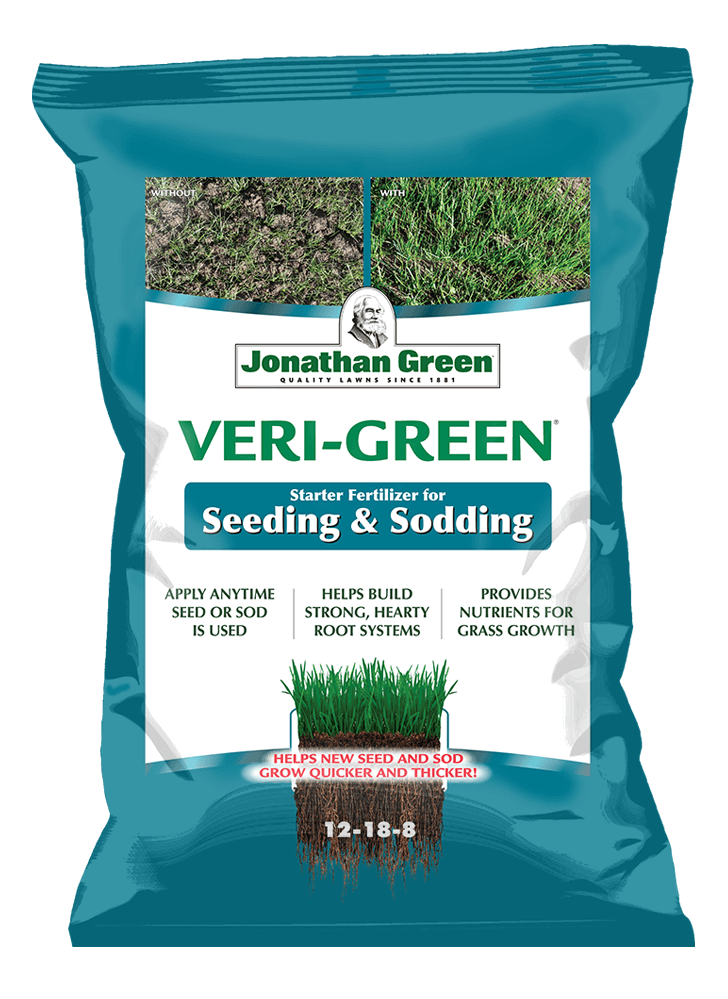
Fertilizers come in many forms. Granular fertilizers release nutrients slowly. Liquid fertilizers work fast and absorb quickly. Root stimulators contain special ingredients to boost root growth. Some fertilizers combine essential nutrients with growth enhancers. Choose a type that fits your plant’s needs and growing conditions.
Nutrient Composition To Focus On
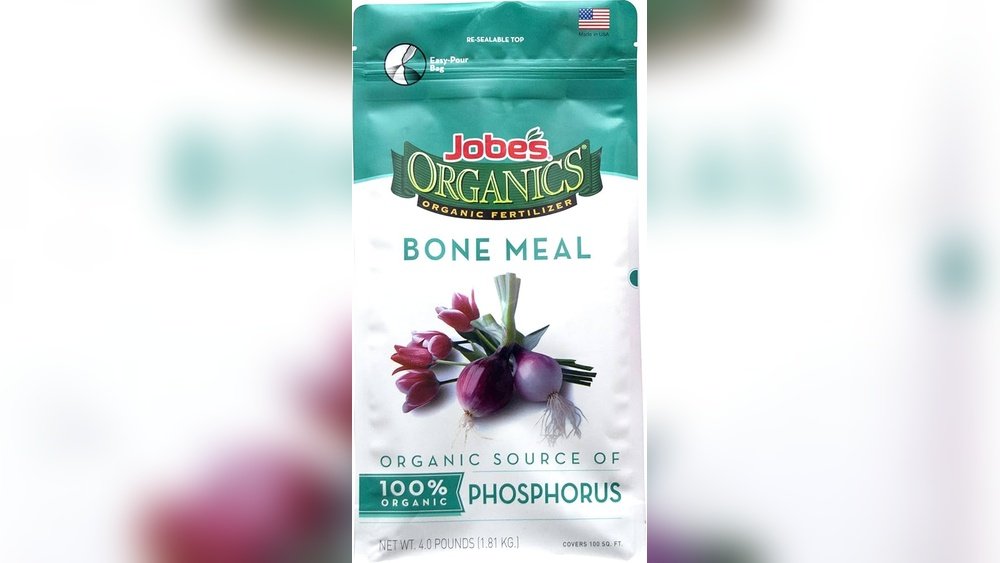
Phosphorus is vital for root development. It helps roots grow strong and spread wide. Nitrogen supports leaf and stem growth but too much can hurt roots. Potassium helps overall plant health and stress resistance. Look for fertilizers with higher phosphorus levels for root strength. Balanced nutrients support steady and healthy root growth.
Organic Vs. Synthetic Options
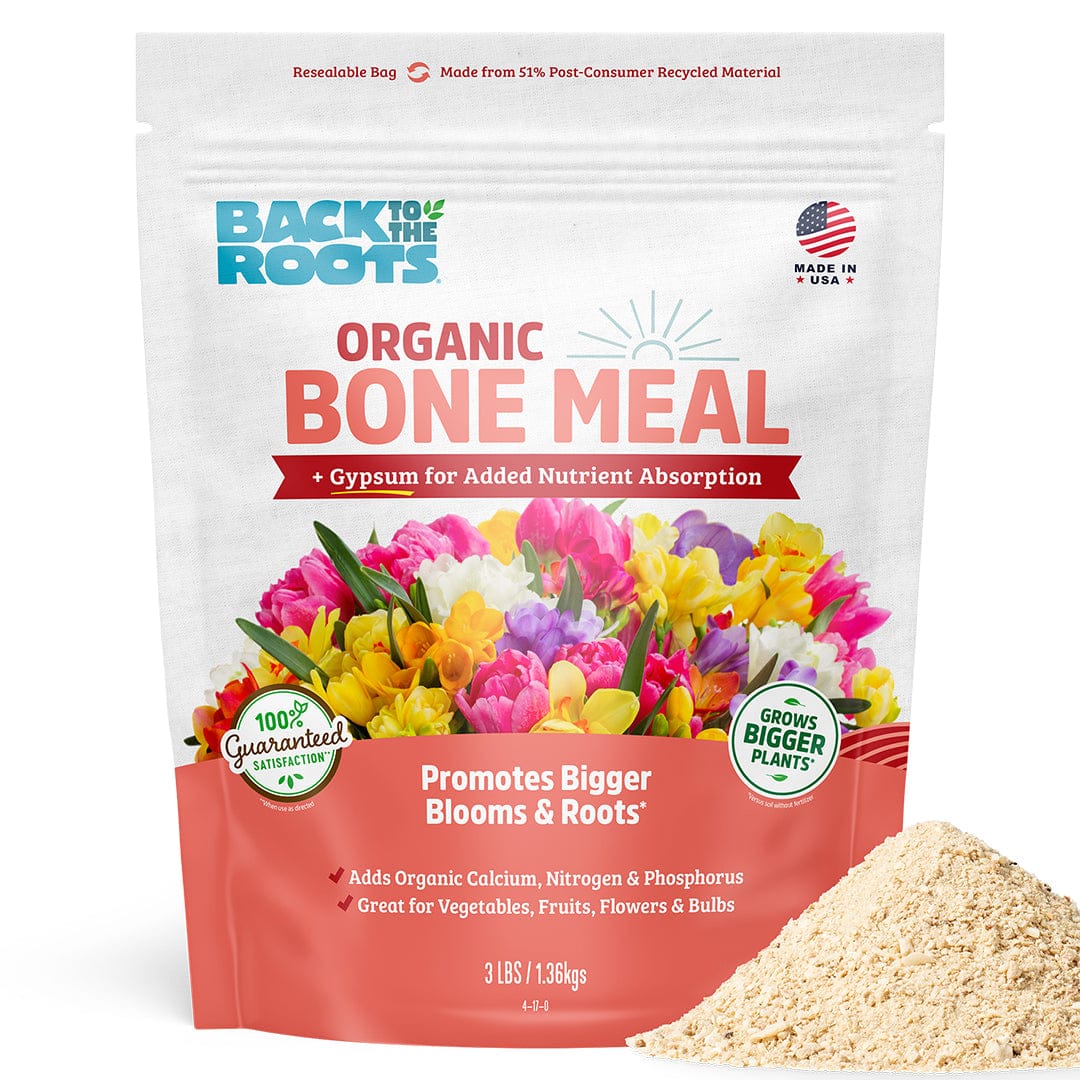
Organic fertilizers come from natural sources like compost and manure. They improve soil health and release nutrients slowly. Synthetic fertilizers are man-made and give nutrients quickly. They provide precise nutrient control but may harm soil life if overused. Choose organic for long-term soil health. Pick synthetic for quick nutrient boosts.
Credit: backtotheroots.com
Timing Fertilizer Application
Timing fertilizer application is key to growing strong roots. Applying fertilizer at the right time helps plants absorb nutrients better. It supports root growth and overall plant health. Knowing when to fertilize can boost your garden’s success.
Best Growth Stages For Application
Fertilize during early growth stages for best results. Young roots absorb nutrients quickly at this time. Apply fertilizer when seedlings start to grow leaves. Another good time is before flowering, to prepare roots for nutrient needs. Avoid fertilizing during dormancy or stress periods.
Seasonal Considerations
Spring is the ideal season to feed most plants. Soil warms up, and roots become active. Avoid fertilizing in extreme heat or cold. Fall fertilizing helps some plants store nutrients for winter. Adjust fertilizer type and amount based on season and plant type.
Frequency And Dosage
Apply fertilizer in small, regular doses. Over-fertilizing can harm roots and reduce growth. Follow product instructions for dosage. Typically, feeding every 3 to 4 weeks works well. Monitor plant health to adjust frequency as needed.
Application Techniques
Applying fertilizer correctly is key to stronger root growth. The right technique helps nutrients reach the roots effectively. This encourages healthy, deep roots that support the whole plant. Understanding different methods improves your chances of success.
Soil Vs. Foliar Feeding
Soil feeding places fertilizer directly in the soil. Roots absorb nutrients as they grow. This method supports long-term root development. Foliar feeding sprays nutrients on leaves. Plants absorb these quickly through leaf pores. Foliar feeding works well for quick nutrient boosts. Combining both methods can help plants thrive.
Proper Placement Near Roots
Place fertilizer close to the root zone. This area contains tiny root hairs that take nutrients. Avoid piling fertilizer on the plant stem. Spread it evenly around the base instead. Water the fertilizer after applying. This helps dissolve nutrients and reach roots faster.
Using Tools For Precision
Tools make fertilizer application easier and more precise. Use a trowel or small shovel for digging shallow holes. Place fertilizer in holes near roots, then cover with soil. A fertilizer spreader helps distribute evenly over larger areas. Precision reduces waste and prevents fertilizer burn on roots.
Credit: www.jonathangreen.com
Soil Preparation For Fertilizer
Preparing soil before applying fertilizer is essential for stronger root growth. Healthy soil helps plants absorb nutrients easily. Poor soil can block nutrients, wasting fertilizer and slowing plant growth.
Good soil preparation creates a perfect environment for roots. It improves nutrient availability and water retention. This step makes fertilizer work better and supports strong, deep roots.
Testing Soil Nutrient Levels
Test soil to know its nutrient content. This shows what nutrients are missing or too high. Use a simple soil test kit or send samples to a lab. Testing helps choose the right fertilizer type and amount. Avoids over-fertilizing and saves money.
Improving Soil Structure
Soil structure affects root growth and nutrient absorption. Add organic matter like compost or peat moss. These improve soil texture and drainage. Loose soil lets roots spread easily. Avoid compacted soil that blocks roots and water. Well-structured soil supports healthy root systems.
Adjusting Ph For Nutrient Uptake
Soil pH affects how plants absorb nutrients. Most plants prefer pH between 6 and 7. Test soil pH with a kit. Add lime to raise pH if soil is too acidic. Add sulfur to lower pH if soil is too alkaline. Proper pH ensures fertilizer nutrients reach roots efficiently.
Watering Practices Post-fertilization
Watering after applying fertilizer is key for strong roots. Proper watering helps fertilizer reach the roots. It also prevents damage to plants. Balancing water is important for healthy growth. Too much or too little water can hurt plants. Follow these simple guidelines for best results.
Optimal Watering Amounts
Use enough water to soak the soil well. This helps fertilizer move into the root zone. Light watering will not carry nutrients deep. Too much water can wash fertilizer away. Aim for moist, not soggy, soil after watering.
Timing Watering With Fertilizer
Water right after spreading fertilizer. This activates nutrients and starts root absorption. Avoid waiting too long to water. Dry soil slows fertilizer uptake. Early morning watering reduces evaporation loss. It also helps plants use nutrients efficiently.
Avoiding Overwatering
Too much water causes root rot and nutrient loss. Water in moderation to keep roots healthy. Check soil moisture before watering again. Soil should feel damp, not wet. Proper drainage helps prevent water buildup around roots.
Monitoring Root Growth
Monitoring root growth is key to ensuring plants absorb nutrients well. Strong roots help plants stand firm and stay healthy. Watching roots closely helps gardeners adjust care and fertilizer use. It also prevents problems before they harm the plant.
Signs Of Healthy Root Development
Healthy roots are white or light tan. They look firm and spread wide in the soil. Roots should not be slimy or dark. New root tips show active growth. Roots that grow straight down or sideways find water well.
Using Tools To Check Root Health
Gardeners can use a small trowel to gently check roots. Clear pots show root growth without digging. Soil moisture meters help ensure roots get enough water. Root scanners or cameras provide a deeper look without harm. These tools make monitoring easier and less stressful for plants.
Adjusting Fertilizer Based On Results
Weak roots need lighter fertilizer doses. Strong roots can handle regular feeding. Yellow leaves or slow growth may mean too much fertilizer. Healthy roots allow for balanced nutrients. Always change fertilizer gradually to avoid shock. Careful adjustment supports steady root and plant growth.
Common Mistakes To Avoid
Applying fertilizer helps plants grow strong roots. Avoiding common mistakes can improve your results. These errors often harm plants more than help. Learn what to watch for to protect root health.
Overfertilization Risks
Too much fertilizer can burn plant roots. It causes nutrient buildup in the soil. This buildup stops roots from absorbing water. Plants may wilt or die from fertilizer burn. Use the correct amount for best results.
Ignoring Soil Conditions
Different soils need different fertilizers. Sandy soil drains quickly and loses nutrients fast. Clay soil holds water and nutrients longer. Test your soil before applying fertilizer. Adjust fertilizer type and amount to soil needs.
Neglecting Proper Application Methods
Applying fertilizer incorrectly reduces its effectiveness. Spread fertilizer evenly around the plant base. Avoid placing fertilizer directly on roots. Water after applying to help nutrients reach roots. Follow package instructions carefully for best results.

Credit: www.amazon.com
Frequently Asked Questions
What Is The Best Fertilizer For Root Development?
The best fertilizer for roots is high in phosphorus. Phosphorus promotes strong root growth and improves nutrient uptake. Balanced fertilizers with NPK ratios favoring phosphorus, like 10-20-10, work well. Organic options like bone meal also support root health naturally.
When Should I Apply Fertilizer For Root Growth?
Apply fertilizer during early plant growth stages. This timing encourages roots to establish deeply. Avoid over-fertilizing young plants, which can damage roots. For perennials, feed roots in early spring for best results.
How Much Fertilizer Is Needed For Strong Roots?
Use fertilizer according to package instructions for root strength. Over-application can harm roots and soil. Generally, a moderate amount ensures nutrients reach the roots effectively. Test soil to adjust fertilizer quantity precisely.
Can Liquid Fertilizers Improve Root Development?
Yes, liquid fertilizers deliver nutrients quickly to roots. They penetrate soil easily, promoting faster absorption. Use diluted liquid feeds every 2-3 weeks for steady root growth. They complement solid fertilizers well.
Conclusion
Applying fertilizer properly helps plants grow strong roots. Healthy roots absorb water and nutrients well. Use the right amount of fertilizer near the roots. Water the soil after applying fertilizer for best results. Avoid over-fertilizing to prevent root damage. Regular care and feeding lead to better plant health.
Strong roots support taller stems and more flowers. Keep learning and practicing for better gardening skills. Small steps make a big difference in plant growth. Happy gardening!