
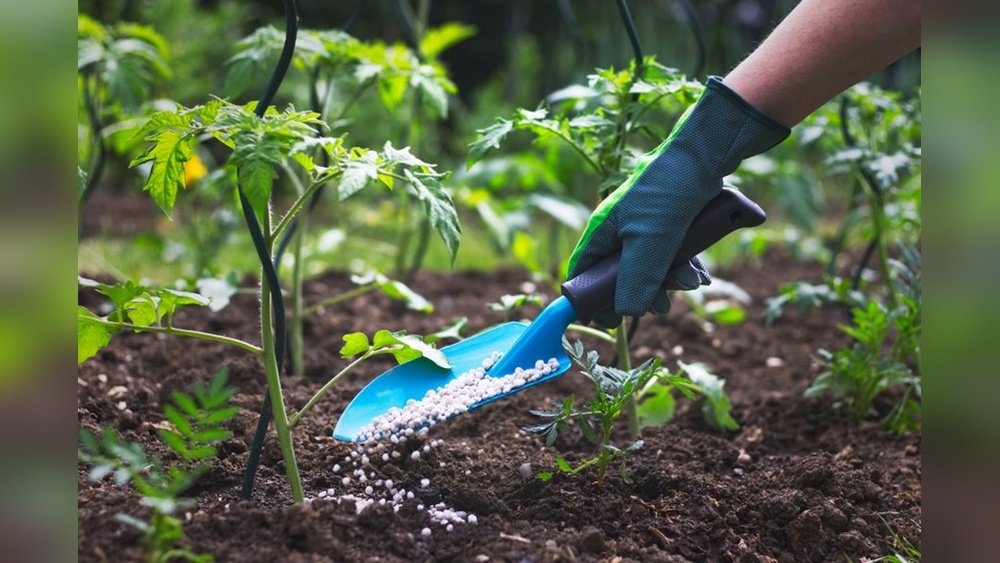
Spring is the perfect time to give your garden the boost it needs. Applying spring garden fertilizer the right way can help your plants grow stronger, bloom brighter, and stay healthier throughout the season.
But if you’re unsure how or when to fertilize, your efforts might not pay off—and your garden could suffer. You’ll learn simple, effective steps to apply fertilizer to your garden this spring. Follow these tips, and watch your garden thrive like never before.
Keep reading to discover how easy it is to get your plants off to a great start!

Credit: www.epicgardening.com
Choosing The Right Fertilizer
Choosing the right fertilizer is key to a healthy spring garden. Fertilizers give plants nutrients they need to grow strong. Using the wrong type can harm plants or waste money. Understanding fertilizer types and plant needs helps you pick the best option for your garden.
Types Of Fertilizers
Fertilizers come in three main types: granular, liquid, and slow-release. Granular fertilizers spread easily on soil and last several weeks. Liquid fertilizers dissolve in water and absorb quickly. Slow-release fertilizers feed plants over time, reducing how often you apply.
Organic Vs. Synthetic Options
Organic fertilizers come from natural sources like compost or manure. They improve soil health and release nutrients slowly. Synthetic fertilizers are made from chemicals. They work fast but may harm soil life if overused. Choose based on your garden’s needs and your care routine.
Nutrient Needs Of Common Plants
Different plants need different nutrients. Vegetables often need more nitrogen for leaves. Flowers may need phosphorus for blooms. Lawns usually require balanced nutrients for green grass. Check each plant’s needs to select the right fertilizer formula.
Preparing Your Garden Soil
Preparing your garden soil is the first and most important step for a healthy spring garden. Good soil helps plants grow strong and absorb nutrients better. Taking time to prepare your soil pays off with better flowers, fruits, and vegetables.
Soil Testing Methods
Soil testing shows what nutrients your garden needs. You can buy a soil test kit from garden stores. Follow the instructions to collect soil samples from different spots. Send samples to a lab or use a home kit to check nutrient levels. Testing helps avoid adding too much or too little fertilizer.
Improving Soil Texture
Soil texture affects water drainage and root growth. Sandy soil drains fast but loses nutrients. Clay soil holds water but can be heavy and hard. Mix organic matter like compost or peat moss to improve soil texture. This makes soil loose, soft, and easier for roots to grow.
Adjusting Ph Levels
Soil pH affects nutrient availability for plants. Most plants prefer a pH between 6.0 and 7.0. Use a soil test to check your soil’s pH. Add lime to raise pH if soil is too acidic. Add sulfur to lower pH if soil is too alkaline. Balanced pH helps plants absorb fertilizer better.
Timing Your Fertilizer Application
Applying fertilizer at the right time in spring helps plants grow strong. Timing affects how well plants absorb nutrients. Early or late application can reduce fertilizer benefits. Follow simple tips to pick the best moment for your garden’s health.
Best Time In Spring
Apply fertilizer after soil thaws and dries. This usually happens in early to mid-spring. Fertilize before plants start to grow fast. This timing gives roots a nutrient boost. Avoid applying too early on frozen ground.
Weather Considerations
Choose a dry day with mild temperatures. Avoid days with heavy rain forecasted. Rain can wash away fertilizer from soil. Very hot days can stress plants during fertilizing. Calm days prevent fertilizer from blowing away.
Frequency Of Application
Apply fertilizer once or twice in spring. Too much fertilizer can harm plants. Space applications to ensure optimal growth and health.
Maintaining Your Spring Garden
Regular maintenance is crucial for a thriving spring garden. Consistent care ensures that your plants continue to benefit from the nutrients provided by the spring garden fertilizer.
Watering Techniques
Proper watering is essential after applying fertilizer. Ensure that water reaches the roots without washing away the nutrients. Adjust your watering schedule based on weather conditions and plant needs.
Monitoring Plant Health
Keep an eye on your plants for signs of nutrient deficiency or over-fertilization. Yellowing leaves or stunted growth can indicate issues that need addressing. Regular checks help maintain a healthy garden.