
Are you tired of seeing your flowers struggle to stay vibrant and healthy? Applying fertilizer the right way can make all the difference.
Slow-release fertilizer is a smart choice because it feeds your plants gradually, giving them steady nutrients over time. But how do you apply it correctly to get the best results? You’ll discover simple, step-by-step tips to help your flower bed thrive like never before.
Keep reading, and you’ll soon have a blooming garden that turns heads all season long.
Choosing The Right Fertilizer
Choosing the right fertilizer is a key step in caring for your flower bed. The right fertilizer helps plants grow strong and bloom beautifully. Slow-release fertilizers feed plants over time. They prevent nutrient loss and reduce the need for frequent feeding. Understanding the types and matching them to your flowers can improve your garden’s health and beauty.
Types Of Slow-release Fertilizers
Slow-release fertilizers come in several forms. Granules are common and easy to spread. They release nutrients gradually as they break down in the soil. Another type is coated fertilizers. These have a special layer that controls nutrient release. Organic slow-release fertilizers use natural materials like compost or manure. They improve soil health while feeding plants. Choose a type based on your flower bed’s needs and your gardening style.
Matching Fertilizer To Flower Types
Different flowers need different nutrients. Some flowers thrive with more nitrogen for leafy growth. Others need more phosphorus to boost blooms. Read plant labels or guides to know their needs. Choose a fertilizer with the right nutrient balance. For example, roses often prefer fertilizers higher in phosphorus. Native wildflowers may do well with a balanced, gentle fertilizer. Matching fertilizer to flower type helps your plants grow healthy and strong.
:strip_icc()/Fertilizing-plants-0440837aeee64749832645ba62572f95.jpg)
Credit: www.bhg.com
Preparing Your Flower Bed
Preparing your flower bed is the first step to a healthy garden. This process helps your plants grow strong and bloom beautifully. A clean, well-prepared bed improves fertilizer absorption and soil health. Taking time to prepare ensures your slow-release fertilizer works well over time.
Clearing Debris And Weeds
Start by removing old leaves, sticks, and other debris. Clear out weeds and roots completely. Weeds steal nutrients and water from your flowers. Use a garden fork or hand tool to loosen the soil. This makes it easier to remove stubborn roots. A clean bed reduces pest problems and disease risks.
Soil Testing And Amendment
Test your soil to know its pH and nutrient levels. Simple soil test kits work well for home gardens. Adjust soil based on test results. Add lime to raise pH or sulfur to lower it. Mix in compost or organic matter to improve soil texture. Good soil helps slow-release fertilizer feed plants evenly.
Calculating The Proper Amount
Calculating the proper amount of slow-release fertilizer is key to healthy flowers and a thriving garden. Too little fertilizer means your plants may lack nutrients. Too much can harm them and waste your money. Understanding how to measure the right quantity helps you feed your flower bed efficiently and safely.
Reading Fertilizer Labels
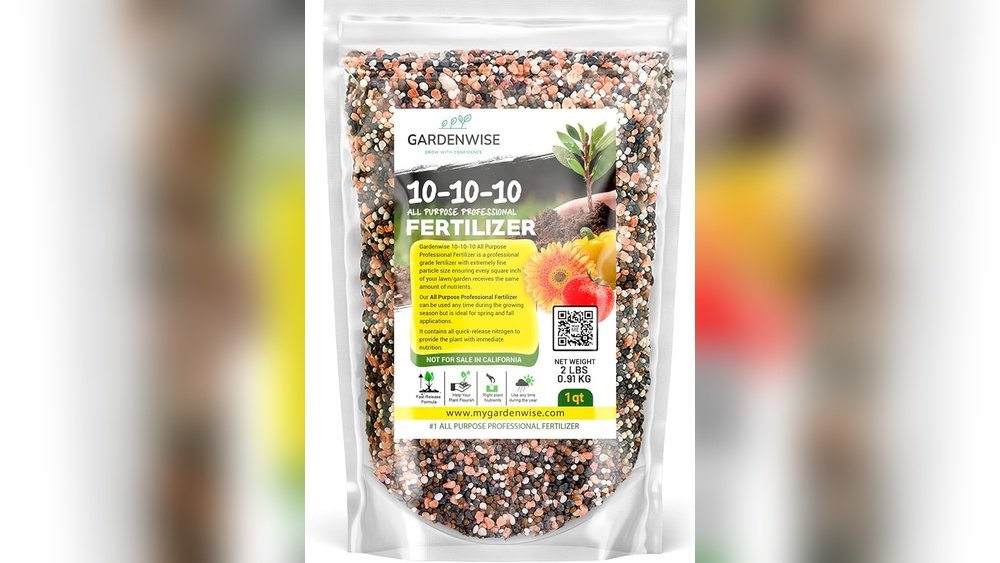
Fertilizer labels show three numbers, like 10-10-10. These numbers tell the percentage of nitrogen, phosphorus, and potassium. Each nutrient supports different plant functions. Nitrogen helps leaves grow. Phosphorus aids root and flower growth. Potassium improves overall plant health. Check the label to know what your fertilizer contains.
Labels also show how much fertilizer to use. This is often listed in pounds per 100 square feet. Follow these guidelines for safe and effective application. Look for any special instructions on the label too.
Determining Coverage Area
First, measure the size of your flower bed. Use a tape measure or ruler to find length and width. Multiply these numbers to get the total square feet. For irregular shapes, break the bed into smaller rectangles or circles. Add their areas together for the total coverage.
Once you know the area, use the fertilizer label’s recommended rate. Multiply this rate by your flower bed’s size. This gives the exact amount of fertilizer needed. Use a scale or measuring cup to apply the correct quantity. This careful measuring helps avoid under or overfeeding your flowers.

Credit: www.amazon.com
Applying Fertilizer Safely
Applying slow-release fertilizer safely protects your plants and the environment. It helps flowers get steady nutrients without harm. Spreading the right amount evenly keeps your flower bed healthy and vibrant.
Spreading Techniques
Use your hands or a spreader for even distribution. Walk slowly and sprinkle fertilizer in a grid pattern. Avoid piles or clumps to prevent burning plants. Lightly rake the fertilizer into the soil surface. Water the area after spreading to start nutrient release.
Avoiding Over-application
Check the fertilizer label for the recommended amount. Too much fertilizer can damage roots and leaves. Use a measuring cup or scale for accuracy. Spread fertilizer only once or twice per growing season. Excess nutrients can wash away and pollute water.
Watering After Application
Watering after applying slow-release fertilizer is a key step. It helps the nutrients reach plant roots. Without proper watering, fertilizer may stay on the surface. This limits its benefits and can cause waste. Proper watering makes sure your flower bed gets the full effect of the fertilizer.
Timing And Amount Of Water
Water the flower bed right after spreading the fertilizer. Use enough water to soak the soil about 6 inches deep. This depth helps dissolve the fertilizer granules. Avoid flooding the area, which can wash away nutrients. Light, steady watering works best to move nutrients down slowly.
Promoting Nutrient Absorption
Water helps dissolve fertilizer so roots can absorb nutrients. Slow-release fertilizer works over time, so keep soil moist but not wet. Regular watering encourages steady nutrient uptake. Dry soil can slow nutrient release and harm plants. Keep the soil damp to support healthy growth and vibrant flowers.
Maintaining Flower Bed Health
Maintaining flower bed health is key to keeping plants strong and vibrant. Slow-release fertilizer helps provide steady nutrients over time. This steady feeding supports growth without overloading the soil. Proper care also reduces stress on plants and helps prevent disease.
Regular checks and timely fertilizer applications keep your flower bed thriving. Watch your plants closely for signs of good health or stress. This helps you adjust care and feeding schedules as needed.
Monitoring Plant Growth
Look at your plants weekly. Healthy leaves are green and firm. New shoots and flowers show good growth. If plants look pale or weak, they may need more nutrients.
Measure plant height and leaf size. Compare with past weeks to see growth patterns. Slow-release fertilizer works gradually, so changes appear over time.
When To Reapply Fertilizer
Slow-release fertilizer lasts from one to three months. Check the product label for exact timing. Reapply before nutrients run low to avoid plant stress.
Signs to reapply include slower growth or yellowing leaves. Avoid over-fertilizing, which can harm roots. Follow a steady feeding schedule for best results.

Credit: sugarcreekgardens.com
Frequently Asked Questions
What Is Slow-release Fertilizer For Flower Beds?
Slow-release fertilizer gradually provides nutrients over time. It feeds plants consistently, reducing nutrient loss and frequent applications. This type improves flower health and growth while minimizing environmental impact.
How Often Should I Apply Slow-release Fertilizer?
Apply slow-release fertilizer once every 2 to 3 months. This timing ensures steady nutrient supply without overfeeding. Always follow product instructions for best results.
Can Slow-release Fertilizer Harm My Flowers?
When used properly, slow-release fertilizer is safe for flowers. Over-application may cause nutrient burn or damage. Always measure carefully and avoid excess fertilizer.
How Do I Apply Slow-release Fertilizer Correctly?
Evenly spread fertilizer around the flower bed’s base. Avoid direct contact with plant stems or leaves. Water the area thoroughly after application to activate nutrient release.
Conclusion
Applying slow-release fertilizer to your flower bed helps plants grow strong. Spread it evenly around the roots for best results. Water the soil lightly after applying to activate the nutrients. This method feeds flowers slowly and lasts longer than regular fertilizer.
It saves time and reduces the need for frequent feeding. Watch your flowers bloom with healthy leaves and bright colors. Keep your garden soil healthy with this simple step. Enjoy a beautiful flower bed all season long.