
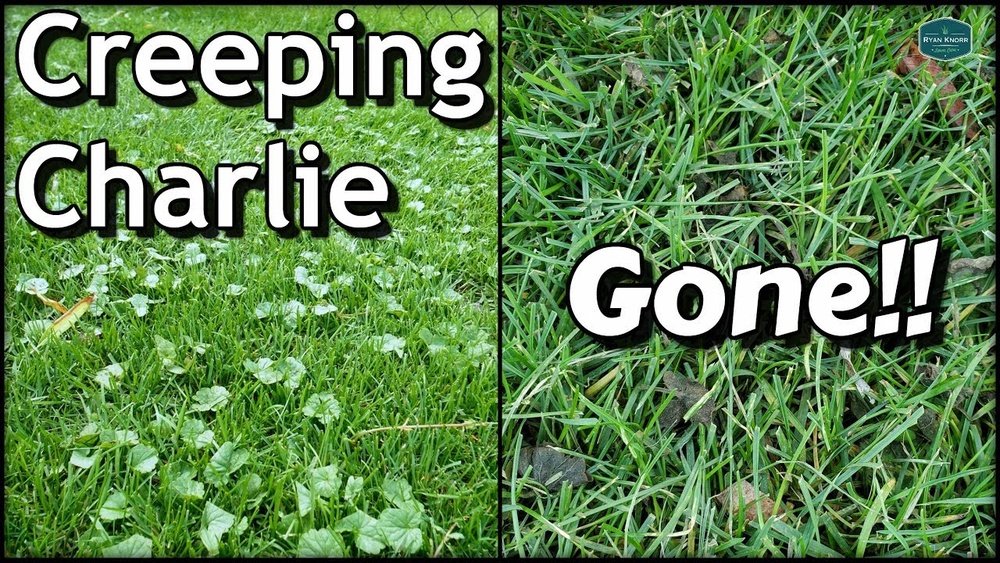
Creeping Charlie, also known as ground ivy, is a persistent weed that frustrates many homeowners. Its green, scalloped leaves and purple flowers may look pretty, but this plant spreads quickly and can take over your lawn if ignored. Learning how to control Creeping Charlie“>control Creeping Charlie in lawns is essential for a healthy, beautiful yard“>healthy, beautiful yard.
What Makes Creeping Charlie So Hard To Control?
Creeping Charlie is tough because it grows in thick mats and spreads through both seeds and creeping stems called stolons. These stems root easily, even if you break them while pulling by hand. The weed often hides under grass, making it hard to see until it covers large areas.
Unlike dandelions or crabgrass, Creeping Charlie thrives in shade and damp soil. Regular mowing and sunlight do not stop it. Instead, it uses these moist, shady spots to quickly crowd out your grass.
How To Identify Creeping Charlie
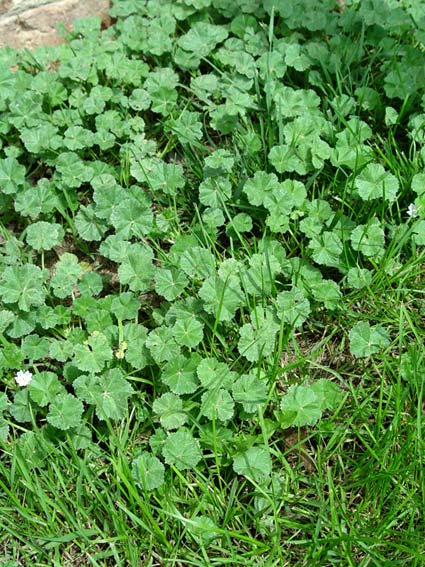
Before you try to control it, you must know what Creeping Charlie looks like. Many people mistake it for clover or wild violet.
Key features include:
- Round, scalloped leaves that are bright green and grow opposite each other
- Square stems (if you roll the stem between your fingers, it feels square)
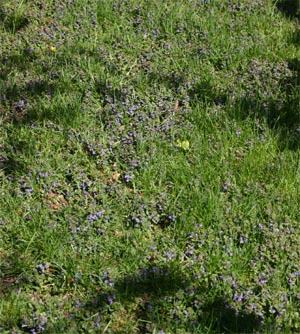
- Purple-blue flowers in spring to early summer
- Strong minty smell when crushed
Spotting these signs helps you target the right weed.

Credit: yardandgarden.extension.iastate.edu
Best Ways To Control Creeping Charlie
1. Manual Removal
Pulling Creeping Charlie by hand can help, especially for small patches. Try to do this when the soil is moist, as roots come out easier.
Steps for hand-pulling:
- Wear gloves.
- Loosen soil with a hand fork.
- Grab the plant close to the ground.
- Pull slowly to get as much root as possible.
Remember, missing any roots can lead to regrowth. Check the area weekly and remove new growth.
2. Smothering With Mulch Or Plastic
Creeping Charlie needs light to survive. In garden beds or under trees, cover the area with thick cardboard or black plastic, then add mulch on top. Leave this for several weeks.
This method works best in non-lawn areas, as it will also kill grass beneath the cover.
3. Adjust Lawn Care Practices
Healthy, dense grass makes it harder for Creeping Charlie to invade. Focus on:
- Mowing high: Set your mower to 3-4 inches.
- Watering deeply, not often: This encourages deep grass roots.
- Fertilizing properly: Use balanced fertilizer in spring and fall.
A strong lawn shades out weeds and fills bare spots, giving Creeping Charlie less room to spread.
4. Improve Drainage And Sunlight
Since Creeping Charlie loves moist, shady spots, reduce these conditions:
- Trim low branches to let in more sun.
- Aerate compacted soil to improve drainage.
- Fix areas with standing water.
Small changes can make your lawn less welcoming to this weed.
5. Use Herbicides Carefully
Sometimes, manual methods are not enough. Selective broadleaf herbicides are most effective. Look for products with triclopyr or dicamba—these target Creeping Charlie without killing grass.
Best practices:
- Apply in fall when the plant stores energy in roots.
- Avoid mowing right before or after spraying.
- Follow label instructions carefully.
Not all herbicides work the same. Compare options:
| Herbicide | Active Ingredient | Best Application Time | Grass Safety |
|---|---|---|---|
| Ortho Weed B Gon | Triclopyr | Fall | Safe for most lawns |
| BioAdvanced Weed Killer | Dicamba, Quinclorac | Fall | Safe for cool-season grasses |
| Roundup for Lawns | Triclopyr, Dicamba | Fall | Check label for grass type |
Never use non-selective weed killers (like classic Roundup) on lawns. They kill everything, including your grass.
6. Try Natural Remedies (with Caution)
Some people use borax or home mixes to kill Creeping Charlie. While borax (a mineral-based cleaner) can injure the weed, it also harms grass if used too much. Results are often inconsistent.
If you try this method, test on a small area first. Natural remedies rarely solve large problems and may even damage your lawn.
Preventing Creeping Charlie From Coming Back
Stopping new infestations is easier than fighting a full takeover. Prevention tips:
- Fix bare spots in your lawn by overseeding in fall.
- Keep grass thick and healthy.
- Avoid overwatering shaded areas.
- Check lawn edges and gardens for early signs of the weed.
Regular yard checks help you catch Creeping Charlie before it spreads.
Credit: www.greenviewfertilizer.com
What Most People Miss
Many homeowners only focus on killing visible weeds but ignore the reasons Creeping Charlie thrives. Improving sunlight, reducing moisture, and caring for your grass matter as much as weed control products.
Another common mistake: using too little herbicide or spraying at the wrong time. If you do not follow instructions exactly, the weed survives and gets stronger.
When To Call A Professional
If Creeping Charlie covers a large area or keeps returning, professional help may be worth it. Lawn care experts have access to stronger products and can recommend changes for your specific yard. Sometimes, a soil test or expert advice saves you time and money in the long run.
Credit: hort.extension.wisc.edu
Data: How Common Is Creeping Charlie?
Creeping Charlie is especially widespread in the Midwest and Northeast United States. Surveys show that up to 40% of lawns in these regions report moderate to heavy infestations.
A quick look at how it compares to other weeds:
| Weed | Most Common Regions | Growth Habit | Control Difficulty |
|---|---|---|---|
| Creeping Charlie | Midwest, Northeast US | Spreads by stolons | High |
| Dandelion | All US | Spreads by seeds | Moderate |
| Crabgrass | Warm regions | Spreads by seeds | Low |
This data shows why Creeping Charlie needs special attention compared to other common weeds.
Frequently Asked Questions
What Is The Best Time To Apply Herbicide For Creeping Charlie?
The best time is fall, when Creeping Charlie moves nutrients into its roots. This helps herbicide reach the root system, making control more effective.
Does Mowing Help Control Creeping Charlie?
Mowing does not kill Creeping Charlie, but keeping your grass taller (3-4 inches) shades out the weed and helps your lawn compete.
Is Creeping Charlie Dangerous To Pets?
Creeping Charlie is not considered highly toxic, but eating large amounts can upset a pet’s stomach. Always keep pets away from treated areas after using herbicides.
Can Creeping Charlie Grow Back After Removal?
Yes. If you leave behind roots or stems, Creeping Charlie can regrow. Regular checks and repeat removal are important.
Where Can I Learn More About Lawn Weed Control?
The University of Minnesota Extension offers helpful, science-backed tips on controlling Creeping Charlie and other weeds: University of Minnesota Extension.
A Creeping Charlie problem does not mean you failed as a lawn owner. With patience, the right tools, and good lawn care habits, you can reclaim your yard and keep it healthy for years to come.