
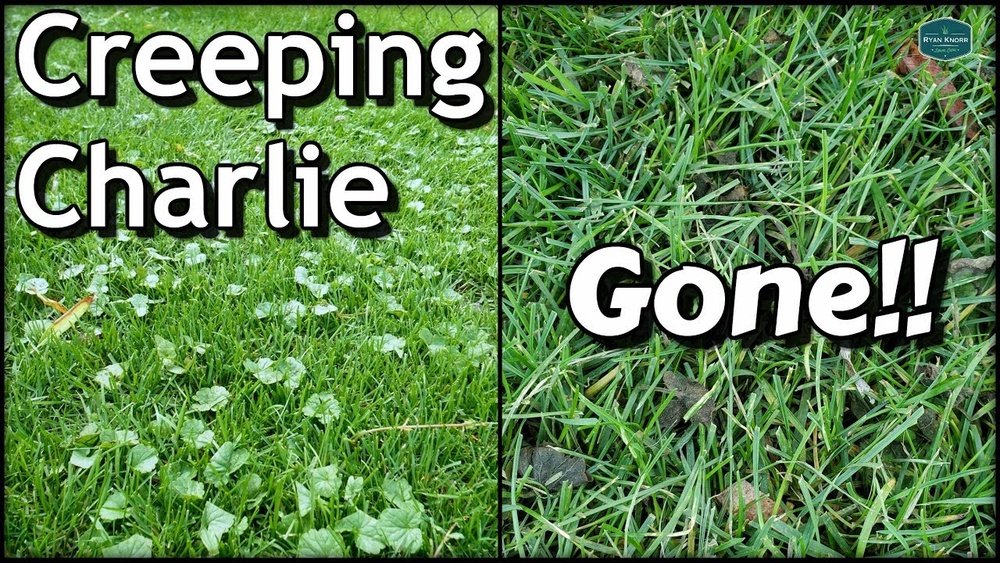
Is your lawn being taken over by creeping Charlie? This stubborn weed spreads fast and chokes out the healthy grass you worked so hard to grow.
If you’re tired of seeing those green patches creep across your yard, you’re in the right place. You’ll discover simple, effective ways to kill creeping Charlie and reclaim your lawn. From easy DIY methods to smart timing tips, you’ll learn how to stop this weed for good—without harming your grass.
Keep reading, and say goodbye to creeping Charlie once and for all!
Identifying Creeping Charlie
Identifying Creeping Charlie is the first step to controlling it in your lawn. This weed can spread fast and damage your grass. Knowing how to spot it helps you act early. Creeping Charlie has unique features that set it apart from other weeds.
Common Signs In Lawns
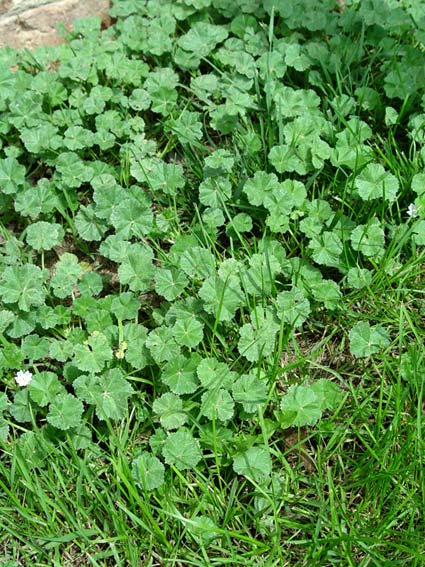
Creeping Charlie grows low to the ground in patches. Its leaves are round and scalloped with a bright green color. The plant spreads through runners that root at nodes. You might see small purple flowers in spring. It often forms thick mats that choke grass.
Preferred Growing Conditions
Creeping Charlie loves shady areas with moist soil. It thrives in lawns with poor drainage. Fertile soil with plenty of nutrients helps it grow fast. This weed can also survive in partial sun but prefers shade. Lawns with compacted soil are more vulnerable.
Differences From Similar Weeds
Creeping Charlie has round, scalloped leaves unlike clover’s three leaflets. Its leaves grow opposite each other on square stems. Ground ivy has a strong minty smell when crushed. Unlike dollarweed, it spreads by runners, not seeds. These traits help you identify Creeping Charlie correctly.
:strip_icc()/how-to-get-rid-of-creeping-charlie-05-Primary-85788c05d88240aead3b723d93d5fb9e.jpg)
Credit: www.bhg.com
Why Creeping Charlie Thrives
Creeping Charlie is a tough weed that spreads fast. It grows well in many lawn conditions, making it hard to control. Understanding why it thrives helps you fight it better. This weed likes certain soil, shade, and moisture levels. It also follows specific growth patterns through the seasons. Knowing these details can guide your lawn care efforts.
Soil And Shade Factors
Creeping Charlie grows best in fertile, rich soil. It prefers soil that holds nutrients well. This weed often appears in shady areas of your yard. Trees or buildings that block sunlight create perfect spots. In full sun, Creeping Charlie struggles to spread as quickly.
Moisture And Drainage Influence
This weed loves moist soil but not soggy ground. Poor drainage helps Creeping Charlie thrive by keeping soil wet. Wet soil helps its roots grow deep and spread wide. Dry or well-drained soil makes it harder for the weed to survive. Regular watering can sometimes help it grow faster.
Seasonal Growth Patterns
Creeping Charlie grows actively in cool seasons like spring and fall. It slows down during hot summer months. This weed stores nutrients in its roots during fall. It uses these nutrients to survive winter and grow again in spring. Timing your treatment during these cycles improves control success.
Manual Removal Techniques
Natural remedies offer gentle ways to fight creeping Charlie without harsh chemicals. These options work by targeting the weed while protecting your lawn and the environment. They suit gardeners who prefer organic methods and safer treatments around kids and pets.
Using household items and simple mixtures can reduce creeping Charlie’s spread. These remedies need patience and repeated use for best results. Understanding how to apply them correctly helps improve their success.
Vinegar-based Treatments
Vinegar contains acetic acid, which can burn creeping Charlie leaves. Use a vinegar solution of 10-20% acetic acid for stronger effect. Spray directly on leaves during dry, sunny days for best absorption. Avoid spraying on grass or desirable plants to prevent damage. Repeat every few days until the weed shows signs of dying.
Homemade Solutions
Mix common ingredients like salt, dish soap, and vinegar to create a natural weed killer. A typical recipe includes one cup vinegar, one tablespoon salt, and one teaspoon dish soap in a gallon of water. Salt helps dehydrate the weed, while soap improves spray coverage. Apply with a spray bottle, focusing on creeping Charlie patches. Test on a small area first to check for any lawn harm.
Limitations And Safety
Natural remedies may not kill creeping Charlie roots fully. Persistent use over weeks is necessary for better control. Avoid applying near flowers, shrubs, or vegetable gardens. Vinegar and salt can alter soil quality and harm other plants. Protect your skin and eyes during application by wearing gloves and goggles. Store homemade mixtures safely away from children and pets.
:max_bytes(150000):strip_icc()/how-to-kill-creeping-charlie-2131200-05-4083df2cebef46ab9c0f92476cc5c42b.jpg)
Credit: www.thespruce.com
Chemical Control Options
Resistant patches of Creeping Charlie can challenge your efforts to clear your lawn. These stubborn areas often survive initial treatments and spread quickly. Tackling them requires persistence and a smart approach.
Understanding how to manage these tough spots helps protect your lawn’s health and appearance. Focused efforts here can prevent the weed from taking over again.
Multiple Treatment Strategies
Use several treatment methods to target resistant Creeping Charlie patches. Spot-treat these areas with a strong herbicide made for broadleaf weeds. Apply it carefully to avoid harming your grass.
Hand-pulling can help, especially after watering when the soil is soft. Remove as much of the root system as possible to stop regrowth. Repeat treatments may be necessary over weeks to fully remove the weed.
Combining Methods For Success
Mix cultural practices with chemical treatments for better results. Improve lawn health by overseeding bare spots and mowing at the right height. Healthy grass competes well against weeds.
Water deeply but less often to encourage strong grass roots. Combine this with targeted herbicide use to weaken Creeping Charlie. This combined approach helps control resistant patches more effectively.
When To Seek Professional Help
Call a lawn care expert if resistant patches persist despite your efforts. Professionals can identify the best herbicides and treatment plans for your lawn type. They also have equipment for thorough weed control.
Expert help saves time and prevents damage to your grass. Acting early with professional advice stops Creeping Charlie from spreading further.
Credit: www.greenviewfertilizer.com
Frequently Asked Questions
Why Is My Lawn Full Of Creeping Charlie?
Your lawn has creeping Charlie due to shady, moist conditions and fertile soil. It spreads quickly by creeping along the ground.
Does Roundup Kill Creeping Charlie?
Roundup can kill creeping Charlie if applied correctly. Apply in early fall for best results, targeting active growth. Avoid spraying desirable lawn grasses to prevent damage. Repeat applications may be necessary for thorough control.
When’s The Best Time To Get Rid Of Creeping Charlie?
The best time to get rid of creeping Charlie is in fall, from late September to early October. Apply herbicide then, as the plant moves nutrients to its roots, making treatment more effective. Repeat applications may be needed for complete control.
Will 2,4-d Kill Creeping Charlie?
2,4-D can kill creeping Charlie but often requires multiple applications for effective control. Apply in fall for best results.
Conclusion
Controlling creeping Charlie takes patience and consistent effort. Apply herbicides in early fall for best results. Use spot treatments to protect your grass. Regular mowing and watering help keep weeds away. Hand-pulling small patches can reduce spread quickly. Stay persistent, and your lawn will improve over time.
Healthy grass grows stronger and blocks weeds naturally. Keep monitoring your lawn to catch new growth early. With steady care, you can win the battle against creeping Charlie.