
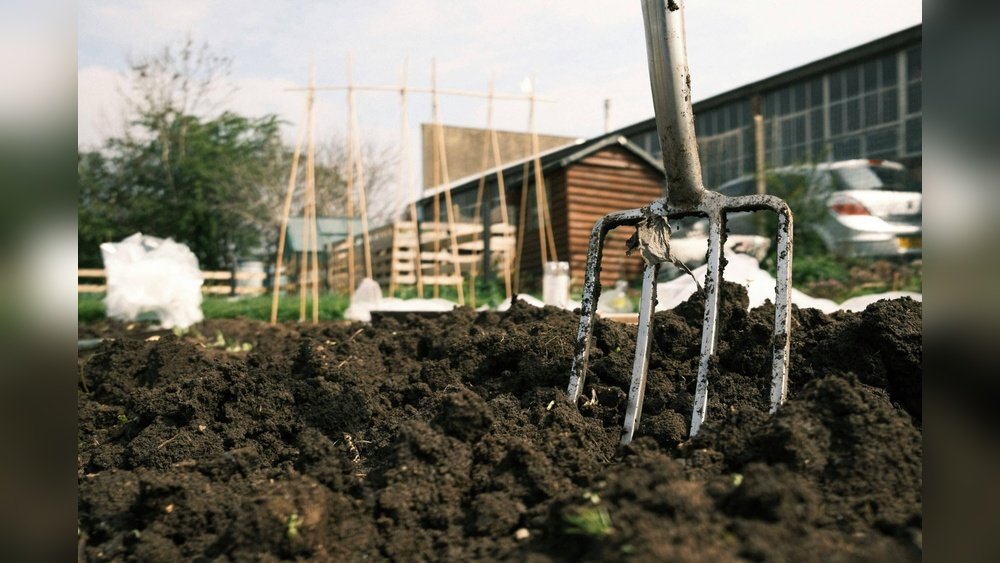
How to Use a Garden Fork to Aerate Soil: A Complete Local Guide
A garden fork is a simple but powerful tool for improving soil health. To garden fork aerate soil, push the fork into the ground, rock it back and forth, and pull it out—this creates small air channels that help roots breathe and water drain.
Aerating with a garden fork is easy, affordable, and can make a big difference for gardens in your local area.
Why Soil Aeration Matters For Your Garden
Healthy soil is the foundation of every good garden. When soil gets compacted, plant roots struggle to grow and absorb water or nutrients. Compacted soil is common in areas with heavy foot traffic, frequent rain, or clay-rich soils—conditions found in many local gardens. Aerating the soil with a garden fork breaks up this compaction, allowing air, water, and fertilizer to reach plant roots more easily.
In fact, studies show that aerated soil can boost root growth by up to 30% and increase water infiltration by 50%. This means stronger plants, better vegetable harvests, and more vibrant flowers. Gardeners in your local community often report fewer drainage problems and healthier lawns after regular aeration.
Choosing The Right Garden Fork
The type of garden fork you use matters. Not all forks are created equal, and the right one will save you time and effort.
| Fork Type | Best For | Main Features |
|---|---|---|
| Digging Fork | Heavy clay or compact soil | Thick, strong tines |
| Border Fork | Raised beds, small spaces | Lighter, shorter handle |
| Compost Fork | Turning compost | More tines, curved shape |
For most local gardens, a digging fork works best for soil aeration. Look for stainless steel tines—they resist rust and last longer. A comfortable handle, usually made of wood or reinforced plastic, will reduce hand fatigue. Local hardware stores or garden centers in your area often stock forks suited to your soil type.

Credit: www.easydigging.com
Step-by-step: How To Aerate Soil With A Garden Fork
Aerating your garden soil is simple if you follow these steps:
- Choose the right time: Aerate when the soil is moist, not soaked or bone dry. Spring and early autumn are best in most climates.
- Mark the area: Identify compacted spots or areas with poor drainage.
- Push the fork in: Insert the tines straight down about 6–8 inches deep. Use your foot if needed for extra pressure.
- Rock gently: Rock the handle back and forth to create small cracks and air pockets. Do not turn the soil over—just loosen it.
- Repeat: Pull out the fork and repeat every 6–8 inches across the area.
- Smooth the surface: After aerating, rake lightly to even out the soil.
Most local gardeners find that aerating twice a year keeps soil loose and healthy. For heavy clay soils, you may need to aerate more often.
Local Soil Types: What To Know
Your results will depend on your local soil type. Here’s how to adjust:
| Soil Type | Aeration Tips |
|---|---|
| Clay | Aerate more often, add organic matter |
| Sandy | Aerate less frequently, focus on adding compost |
| Loam | Twice a year is usually enough |
In many local neighborhoods, clay soil is common. After aerating, spread a layer of compost or organic mulch to help improve soil structure. This combination can dramatically improve plant health and growth.