
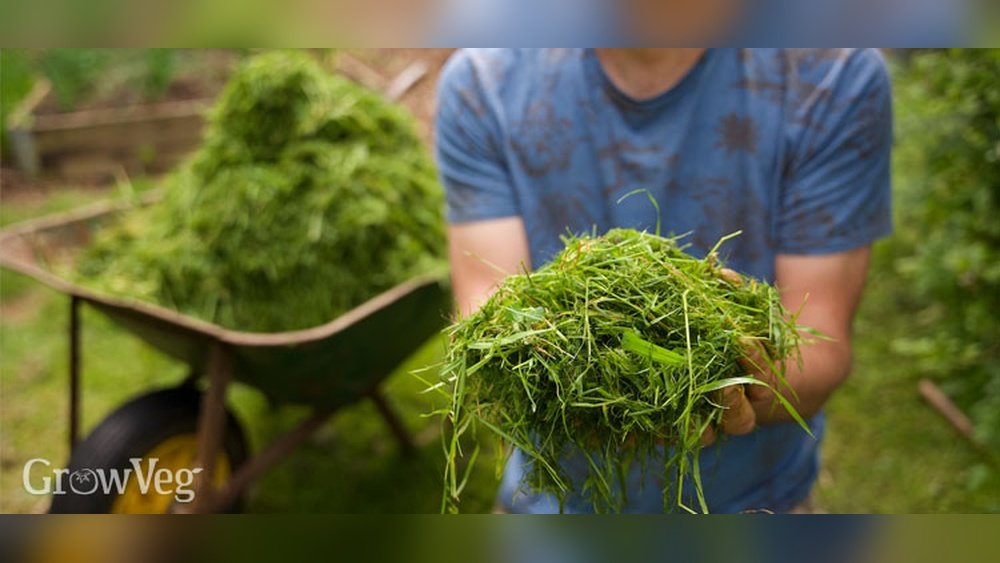
Grass clippings are often seen as just a garden waste. Many people simply bag them up and throw them away. But these green leftovers from mowing your lawn can actually play a big role in making your garden healthier and more productive. When used the right way, grass clippings can save you time, money, and effort in your garden. They are a natural resource that can improve your soil, feed your plants, and even reduce weeds.
In this article, you will learn how to use grass clippings in your garden, discover tips for safe and effective use, and see how simple changes can bring long-term benefits. From mulching to composting, every method is explained with practical advice.
Plus, you’ll find answers to common questions and a few ideas that even experienced gardeners may not know. Let’s get started with smart ways to use this free resource.
Why Use Grass Clippings In Your Garden?
Grass clippings are more than just green waste. They are a valuable source of nitrogen and other nutrients. When used correctly, they can:
- Enrich your soil naturally
- Reduce your need for chemical fertilizers
- Improve garden health
- Help recycle nutrients right in your yard
According to the U. S. Environmental Protection Agency, grass clippings can make up as much as 25% of a household’s yearly solid waste during the growing season. By using clippings in your garden, you help reduce landfill waste and support a more sustainable garden practice.
Best Ways To Use Grass Clippings
Gardeners often wonder how to use grass clippings without causing problems like matting or smells. Here are the most effective and safe methods.
1. Mulching Around Plants
Mulching is one of the simplest and best uses for grass clippings.
- Spread a thin layer (about 1–2 inches) around vegetables, flowers, or under shrubs.
- Keep mulch a few inches away from plant stems to prevent rot.
- Mulch helps retain soil moisture, suppresses weeds, and slowly adds nutrients to the soil.
*Pro tip:* Let clippings dry for a day before spreading to prevent matting.
2. Adding To Compost
Grass clippings are a “green” or high-nitrogen ingredient for compost.
- Mix with “brown” materials (like dried leaves, straw, or shredded paper) in a 1: 2 ratio (1 part green, 2 parts brown).
- Turn the pile regularly to avoid odors and speed up decomposition.
- Finished compost can be used to enrich garden beds.
*Beginner insight:* Never add large piles of fresh clippings alone; they can become slimy and smelly. Mix well for best results.
3. Lawn Top Dressing
You can spread a thin layer of clippings directly on your lawn after mowing.
- Use no more than 0.5 inch at a time.
- This feeds the lawn and helps the soil retain moisture.
- Clippings break down quickly and do not cause thatch when used correctly.
4. Making Liquid Fertilizer (grass Tea)
“Grass tea” is a natural, homemade fertilizer.
- Fill a bucket with clippings, add water, and let soak for 3–5 days.
- Strain and dilute the liquid (1 part tea to 10 parts water).
- Use to water vegetables or flowers for a quick nutrient boost.
5. Sheet Mulching For New Beds
Grass clippings can help start new garden beds.
- Lay cardboard or newspaper over the area.
- Add a layer of clippings, then cover with wood chips or straw.
- After a few months, the layers break down to create rich soil for planting.
6. Weed Suppression
A layer of dried clippings blocks sunlight and stops weed seeds from sprouting.
- Use in paths, between rows, or under shrubs.
- Keep the layer thin to prevent matting.
7. Feeding Hungry Plants
Heavy feeders like tomatoes, corn, and pumpkins love extra nitrogen.
- Mix a small amount of grass clippings into the soil around these plants.
- Do not bury thick layers; just a handful mixed in is enough.
8. Improving Clay Or Sandy Soils
Grass clippings help both heavy clay and very sandy soils.
- For clay: Clippings break up tight soil and improve drainage.
- For sand: They add organic matter and help hold water.
Mix clippings into the top few inches of soil for best results.
9. Making Paths And Walkways
Grass clippings can be used to make temporary, soft paths.
- Spread 1–2 inches on walking areas in the garden.
- They keep feet clean and help build soil as they decompose.
10. Growing Potatoes
Many gardeners grow potatoes by layering them with grass clippings.
- Place seed potatoes on soil.
- Cover with a mix of clippings and straw.
- Add more as plants grow. This method avoids digging and adds organic matter.
11. Creating Hugelkultur Beds
Hugelkultur is a method of building raised beds with layers of organic material.
- Add grass clippings as one of the layers, above sticks and branches.
- Cover with soil and plant on top.
- Clippings add quick-release nutrients as deeper materials break down slowly.
12. Mulching Fruit Trees
Fruit Trees Benefit From A “living Mulch.”
- Spread clippings in a wide circle under the tree, avoiding the trunk.
- This keeps roots cool, saves water, and feeds the tree.
13. Improving Flower Beds
A thin mulch of dried clippings keeps flower beds looking tidy and healthy.
- Use only untreated clippings to avoid chemical residue.
- Mix with other mulches for best texture.
14. Preventing Erosion
On slopes or bare areas, grass clippings help hold soil in place.
- Scatter lightly to cover exposed ground.
- Roots and organic matter anchor the soil and reduce runoff.
15. Boosting Worm Population
Earthworms love organic matter.
- Mix grass clippings into worm bins or garden beds.
- More worms mean better soil health and structure.

Credit: www.youtube.com
What To Avoid When Using Grass Clippings
Grass clippings are powerful, but they can also cause problems if misused. Here are common mistakes to avoid:
- Don’t use clippings from lawns treated with herbicides or pesticides within the last month. These chemicals can harm garden plants and soil life.
- Avoid thick, wet layers that can mat, smell bad, or block air and water. Always spread thinly or dry first.
- Don’t use clippings from lawns with weed seeds if you want to avoid spreading weeds.
- Never dump large piles of fresh clippings in one spot; they can create heat and damage plants.
How Grass Clippings Compare To Other Mulches
Choosing the right mulch depends on your garden needs, budget, and what’s available. Here’s a quick comparison:
| Mulch Type | Cost | Nutrient Value | Breakdown Speed | Weed Control |
|---|---|---|---|---|
| Grass Clippings | Free | High | Fast | Good |
| Wood Chips | Medium | Low | Slow | Excellent |
| Straw | Low | Medium | Medium | Good |
| Compost | Low-Medium | High | Medium | Good |
*Not obvious insight:* Grass clippings break down much faster than wood chips, which means they need to be replaced more often but provide nutrients quickly.

Credit: www.youtube.com
Tips For Safe And Effective Use
For best results, keep these practical tips in mind:
- Dry clippings before use as mulch to prevent odor and matting.
- Mix with other materials in compost or mulch for better texture and airflow.
- Test for chemicals if you use a lawn service or buy clippings. Some herbicides can last for months.
- Use only healthy, green clippings — avoid grass with disease or large amounts of weeds.
- Change locations each season to avoid build-up in one spot.
When Not To Use Grass Clippings
Sometimes, it’s better to avoid using grass clippings:
- If your grass was treated with chemicals recently
- If you see a lot of weed seeds in your lawn
- If you have fungal diseases in your grass
Real-world Examples And Success Stories
Many gardeners have improved their gardens using grass clippings. For example, a community garden in Oregon reported a 40% reduction in water use after mulching with grass clippings for one summer. Another example: a tomato grower in Texas saw double the harvest by using clippings as mulch and fertilizer, proving their value even in hot, dry climates.
How Much Grass Clippings Can Your Garden Use?
It depends on the size of your garden and your lawn. Here’s a simple estimate:
| Lawn Size (sq ft) | Clippings per Mow (lbs) | Garden Mulch Coverage (sq ft, 1 inch deep) |
|---|---|---|
| 1,000 | 20–25 | 40–50 |
| 2,500 | 50–60 | 100–125 |
| 5,000 | 100–120 | 200–250 |
This shows that even a small lawn can supply plenty of mulch or compost for a good-sized garden.
The Environmental Impact
Using grass clippings in your garden is not just good for your plants. It also helps the environment.
- Less yard waste goes to landfills.
- You save money on fertilizer and mulch.
- You support soil life and reduce chemical use.
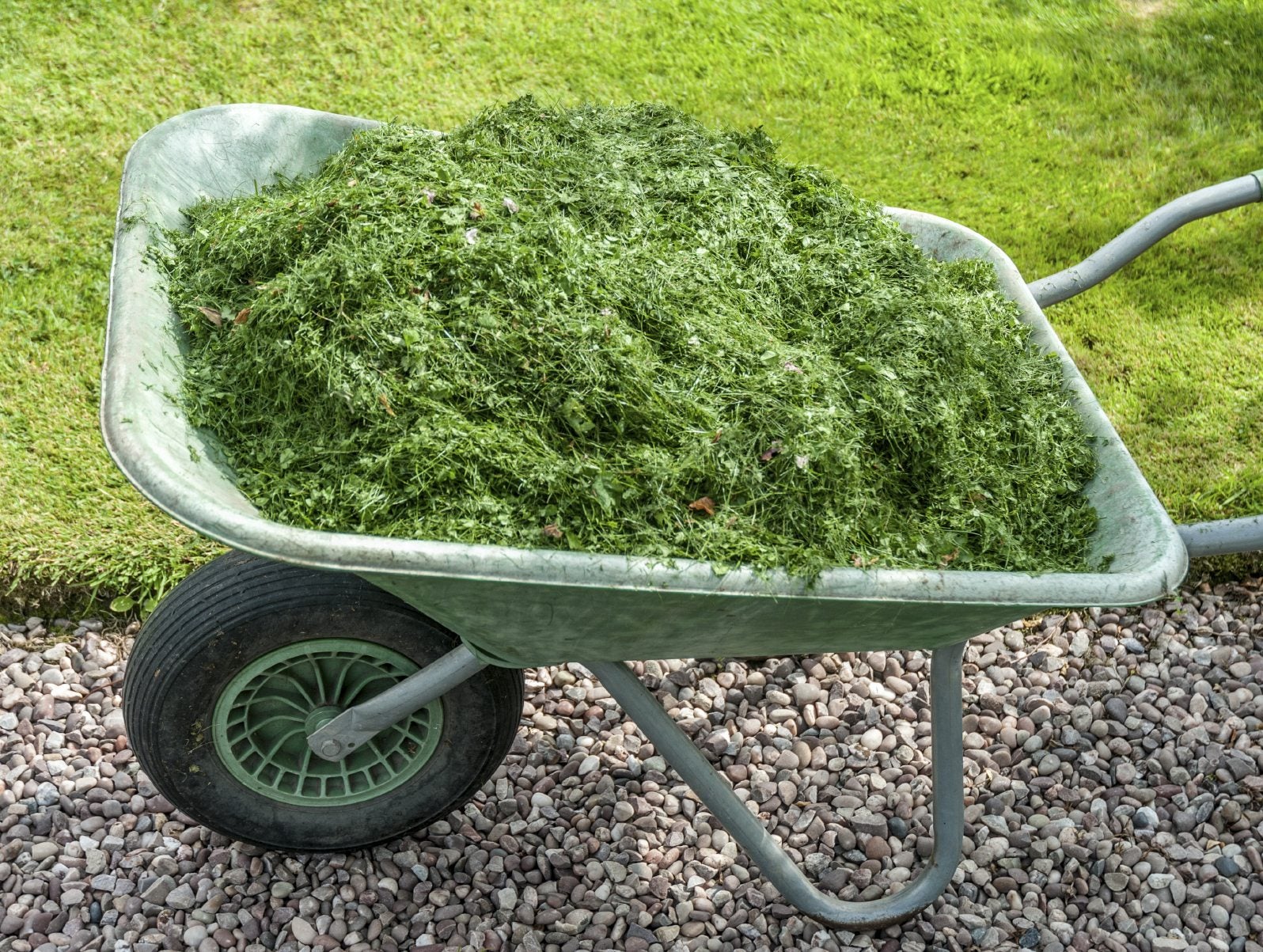
The University of California Agriculture and Natural Resources estimates that “grasscycling” (leaving clippings on the lawn) can save up to 50% of fertilizer needs over a year. This is a simple way for every gardener to make a positive impact.
Credit: www.gardeningknowhow.com
Frequently Asked Questions
Can I Use Grass Clippings If I Use Weed Killers On My Lawn?
It’s best to wait at least one mowing cycle after using weed killers before using clippings in your garden. Some chemicals can stay on clippings and harm garden plants. Always check the label of your product or visit EPA: Lawn and Garden Care for guidance.
Will Grass Clippings Cause Thatch In My Lawn Or Garden?
No, grass clippings do not cause thatch when spread thinly. Thatch is made mostly from roots and stems, not leaves. Clippings break down quickly if used correctly.
How Can I Stop Grass Clippings From Smelling Bad?
Let clippings dry in the sun for a few hours before using them as mulch. Avoid thick, wet piles, which can become slimy and smell.
Can I Use Grass Clippings As Animal Bedding?
It is better to use straw or wood shavings. Fresh grass may mold or ferment quickly. Only use clippings for bedding if they are dry, clean, and untreated by chemicals.
What Is The Best Way To Store Extra Grass Clippings?
Store clippings in a pile out of direct rain, and let them dry. Turn them every few days to prevent mold. Use within a few weeks for best results.
Using grass clippings in your garden is smart, sustainable, and easy. Whether you have a small flower bed or a large vegetable plot, these tips will help you make the most of every mowing. With a little care, you can turn what was once waste into a key part of your garden’s success.