
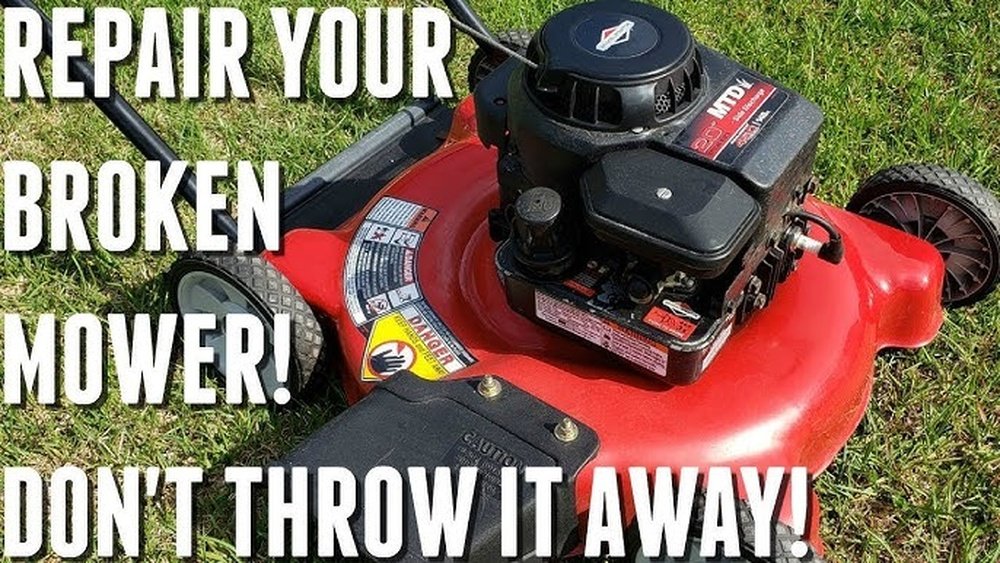
Many homeowners know the frustration of starting a lawn mower, only to have it sputter and die moments later. When your lawn mower won’t stay running, mowing the grass becomes a chore of endless restarts and wasted energy. The good news is that most causes are common and can be fixed at home with basic tools and a little patience. Whether you have a gas or a push mower, understanding what’s going wrong is the first step to getting your lawn looking neat again. This guide will walk you through all the key reasons your mower might not run smoothly—and exactly how to fix them, even if you’re a beginner.
Common Causes Why A Lawn Mower Won’t Stay Running
When a lawn mower refuses to keep running, the problem is often due to fuel, air, or spark issues. Let’s look at the most frequent causes:
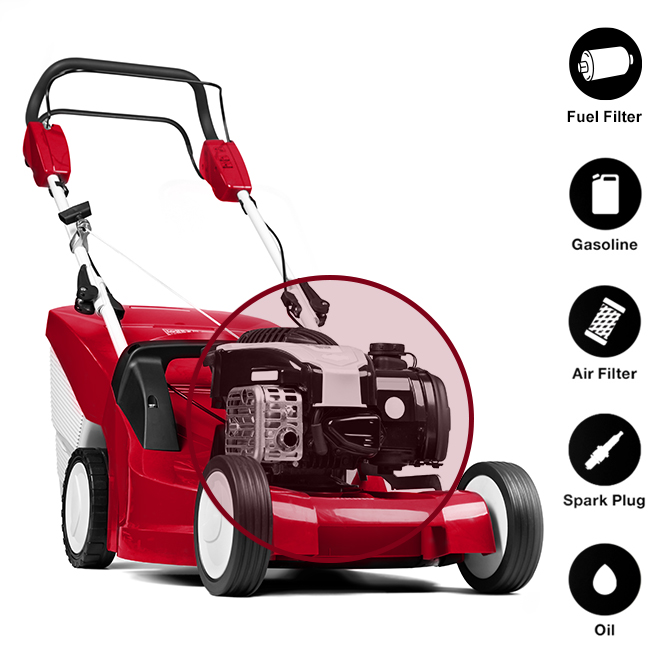
- Old or bad gasoline – Gasoline goes stale after 30 days, making it harder for the engine to run.
- Clogged carburetor – Dirt and gummy fuel block the carburetor, stopping proper fuel flow.
- Dirty or blocked air filter – Without enough air, the engine can’t run.
- Spark plug problems – A worn or dirty spark plug causes weak or no spark.
- Blocked fuel filter – Stops fuel from reaching the engine.
- Faulty or damaged fuel cap – If the vent is blocked, a vacuum forms in the tank.
- Choke or throttle issues – Wrong choke setting can flood or starve the engine.
- Bad ignition coil – Prevents the spark plug from firing.
- Blocked or damaged fuel line – Fuel can’t reach the engine.
- Dirty cooling fins – Engine overheats and stalls.
- Engine oil problems – Wrong or low oil causes the engine to shut off.
- Sheared flywheel key – Throws off ignition timing.
- Loose or broken parts – Vibration can cause screws or bolts to loosen.
- Operator error – Safety features like kill switches or levers not engaged.
Notice that most problems are about blocked paths for air, fuel, or spark. Let’s look at how to check and fix each issue.
Step-by-step Solutions To Fix A Lawn Mower That Won’t Stay Running
Before you start, disconnect the spark plug wire for safety. Always work on a cool engine. Here’s a practical approach:
1. Check And Replace Old Gasoline
Gasoline loses power as it ages. After one month, it begins to break down and won’t burn well.
- How to fix: Drain the old gas into a safe container. Refill with fresh, clean gasoline (use a fuel stabilizer if you only mow occasionally).
Tip: If you’re not sure about the gas age, always replace it.
2. Clean The Carburetor
A dirty carburetor is the most common reason a mower won’t stay running. Old fuel leaves sticky residue that blocks fuel flow.
- How to fix: Remove the air filter and carburetor bowl (follow your mower’s manual). Spray carburetor cleaner into jets and passages. Reassemble carefully.
Non-obvious insight: Even if the engine starts, a partially clogged carburetor will cause surging or stalling under load.
3. Inspect And Replace The Air Filter
A blocked air filter suffocates the engine.
- How to fix: Remove the filter (foam or paper). If dirty, tap it gently or wash foam types with soapy water and dry completely. Replace if it’s very dirty or torn.
4. Examine The Spark Plug
If the spark plug is dirty, wet, or worn, your mower won’t run well.
- How to fix: Remove the spark plug with a socket wrench. Clean the tip with a wire brush. If the porcelain is cracked or the electrode is worn, replace the plug.
Pro tip: Check the gap with a feeler gauge (see your manual for size).
5. Check The Fuel Filter
Not all mowers have a fuel filter, but if yours does, a clogged one will choke the engine.
- How to fix: Trace the fuel line from the tank. If you find a filter, replace it if it’s dirty or hard to blow through.
6. Inspect The Fuel Cap Vent
A blocked fuel cap vent creates a vacuum, stopping fuel flow.
- How to fix: Loosen the cap slightly and see if the mower runs longer. If yes, clean or replace the cap.
7. Adjust The Choke And Throttle
If the choke is stuck, your mower may flood (too much fuel) or starve (too little fuel).
- How to fix: Set the choke to the correct position for starting. After the engine warms, move it to “run.”
8. Test The Ignition Coil
If the coil is failing, the mower may run for a few seconds, then die.
- How to fix: Use a spark tester tool. If you see no spark, replace the coil.
9. Unblock Or Replace The Fuel Line
Kinks, cracks, or blockages in the fuel line starve the engine.
- How to fix: Inspect the line for bends or leaks. Replace if damaged.
10. Clean Cooling Fins
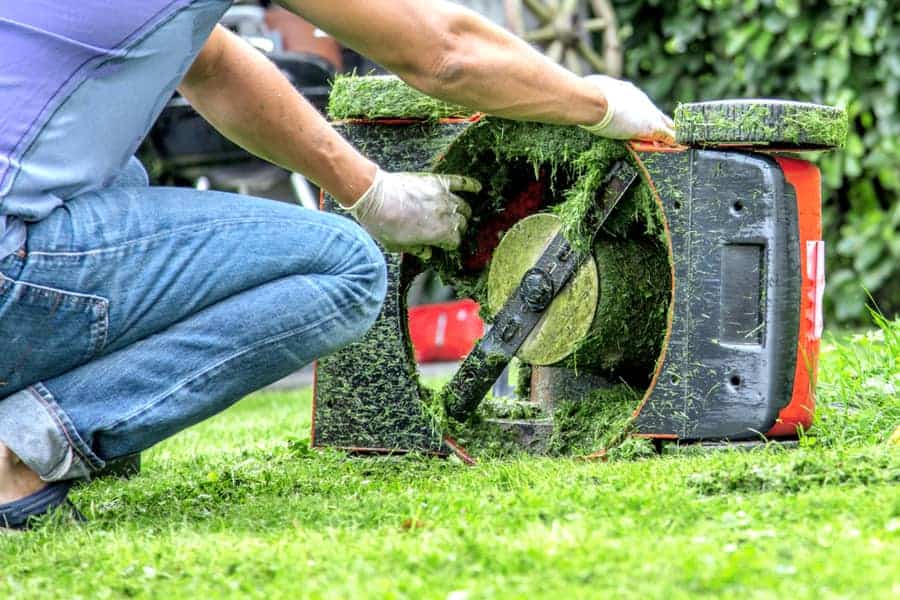
Grass and dirt can build up on the cooling fins, causing overheating and stalling.
- How to fix: Remove the engine cover and brush away debris.
11. Check Engine Oil
Low or wrong oil can trigger a sensor to shut off the engine.
- How to fix: Check the oil with the dipstick. Add or change oil as needed.
12. Inspect The Flywheel Key
A sheared flywheel key throws off timing, causing rough running or stalling.
- How to fix: Remove the flywheel and check the key. Replace if broken.
13. Tighten Loose Parts
Vibration can loosen carburetor bolts, causing air leaks.
- How to fix: Tighten all bolts and screws, especially around the carburetor.
14. Check Safety Features
Some mowers have safety bars or switches. If not held, the engine shuts off.
- How to fix: Make sure all safety levers and switches are properly engaged while starting and running the mower.

Credit: www.youtube.com
Signs And Symptoms: Diagnosing The Real Problem
Understanding what your mower is doing can help you fix it faster. Here are some examples:
- Starts, then dies in seconds: Usually fuel or air blockage.
- Runs rough, then stops under load: Carburetor or spark plug issue.
- Stalls after running for a while: Overheating, fuel cap, or ignition coil problem.
- Only runs with choke on: Carburetor is dirty or there’s an air leak.
Example Troubleshooting Table
Here’s a quick reference for matching symptoms to likely causes:
| Symptom | Possible Cause | Quick Fix |
|---|---|---|
| Starts then stops | Carburetor/fuel filter/old gas | Clean carb, replace fuel |
| Only runs with choke | Blocked carburetor jet | Clean carburetor |
| Stalls after heating up | Ignition coil or cooling fins | Replace coil, clean fins |
| Backfires, rough sound | Sheared flywheel key | Replace flywheel key |
Tools And Materials You’ll Need
To fix most running problems, you won’t need fancy tools. Here’s what helps:
- Socket set or wrench
- Screwdrivers (flat and Phillips)
- Pliers
- Carburetor cleaner spray
- Clean rags
- Replacement air filter, spark plug, fuel filter (optional)
- Fuel stabilizer
- Safety gloves and goggles
Non-obvious insight: A small, cheap spark tester tool can save a lot of time when diagnosing ignition problems.
Preventive Maintenance: Keep Your Mower Running Smoothly
Fixing problems is good, but preventing them is even better. Here’s how to keep your mower in top shape:
- Use fresh gasoline and add fuel stabilizer if storing for over 30 days.
- Clean or replace the air filter every 25 hours of use or at least once a season.
- Change the oil after every 25-50 hours of mowing (check your manual).
- Inspect and replace the spark plug every season.
- Check and clean the mower deck to prevent clogging.
- Store your mower in a dry place to avoid rust and corrosion.
- Run the engine dry at the end of the season to prevent old gas problems.
Maintenance Schedule Comparison
Here’s a simple chart to help you compare how often to do each task:
| Maintenance Task | Frequency | Why It Matters |
|---|---|---|
| Change oil | Every 25-50 hours | Prevents engine wear |
| Replace air filter | Seasonally | Ensures proper airflow |
| Check spark plug | Seasonally | Ensures good spark |
| Add fuel stabilizer | Before storage | Keeps fuel fresh |
When To Call A Professional
Most running problems can be fixed at home, but some cases need expert help. Call a service technician if:
- You see oil leaking from the engine.
- The engine makes loud knocking or grinding sounds.
- You’re not comfortable opening the engine or handling fuel.
- You’ve tried all basic fixes and the mower still won’t run.
Tip: Regular servicing by a pro once a year can extend your mower’s life and prevent breakdowns.
Credit: www.championautoparts.com
Safety Reminders
Never work on a hot engine. Always disconnect the spark plug before repairs. Dispose of old gasoline and oil safely—don’t pour them on the ground. If you use cleaning sprays, work in a well-ventilated area.
Frequently Asked Questions
What Is The Most Common Reason A Lawn Mower Won’t Stay Running?
The most common reason is a dirty carburetor caused by old fuel. Sticky residue blocks fuel flow, making the engine stall.
How Often Should I Change My Lawn Mower’s Air Filter?
Replace or clean the air filter every mowing season, or more often if you mow in dusty conditions. A blocked filter makes the engine run poorly.
Can I Use Car Gasoline In My Lawn Mower?
Yes, but make sure it’s fresh and contains no more than 10% ethanol. Old or high-ethanol gas can damage small engines.
My Mower Only Runs With The Choke On. What Does That Mean?
This usually means the carburetor is dirty or there is an air leak. The engine isn’t getting enough fuel without the choke.
Is It Safe To Clean A Carburetor Myself?
Yes, for most homeowners, cleaning a carburetor is safe if you follow instructions and disconnect the spark plug wire. If you’re unsure, consult your mower’s manual or a professional.
If you want more details about engine maintenance and safety, check out this helpful guide from Family Handyman.
Fixing a lawn mower that won’t stay running isn’t just about saving money—it’s about understanding your equipment. With these steps, you can solve most problems, keep your mower running longer, and enjoy a tidy yard without frustration.
Credit: lawn.com.au