
When your lawn mower starts perfectly, runs for a few seconds or minutes, then suddenly dies, it can be incredibly frustrating—especially on a sunny weekend when you just want to finish your yard work. This problem is common, and the good news is that you can often fix it yourself.
With some patience and basic tools, you can get your mower running smoothly again, saving both time and money. Let’s dive into why a lawn mower runs then dies, how to identify the real cause, and step-by-step instructions to solve it.
Understanding Why Lawn Mowers Run Then Die
A healthy mower should run steadily until you shut it off. When it cuts out mid-job, something is interrupting its normal operation. Most of the time, this happens because fuel, air, or spark is not getting to the engine the way it should. Sometimes, it’s a problem with safety switches or engine overheating. Understanding these basics makes it easier to find and fix the real problem.
Key Symptoms To Watch For
- Mower starts easily but stops after 5–30 seconds
- Runs rough just before dying
- Will not restart immediately, or restarts but dies again
- Sometimes backfires or gives off extra smoke
Noticing exactly when and how the mower stops can help you diagnose it faster.
Common Reasons Your Lawn Mower Runs Then Dies
Several issues can cause this frustrating problem. Here are the most frequent culprits:
- Dirty Carburetor
- Clogged Air Filter
- Old or Bad Fuel
- Blocked Fuel Cap Vent
- Faulty Spark Plug
- Blocked Fuel Line
- Choke Left On
- Bad Ignition Coil
- Dirty or Faulty Fuel Filter
- Faulty Safety Switch
- Overheating Engine
Let’s look at each one, why it matters, and how you can fix it.
1. Dirty Carburetor
The carburetor mixes air and fuel for the engine. If it’s dirty or clogged, your engine may start but won’t run well for long.
Fix:
- Remove the air filter to access the carburetor.
- Spray carburetor cleaner into the carburetor throat.
- Let it soak for 10–15 minutes.
- Start the engine. If it runs longer, the carburetor was likely the issue.
- For a deeper clean, remove the carburetor, take it apart, and clean all parts thoroughly.
Tip: Always wear gloves and work in a well-ventilated area. Some carburetors have tiny parts—keep track of everything you remove.
2. Clogged Air Filter
A dirty air filter restricts airflow, causing the engine to choke and die soon after starting.
Fix:
- Remove the air filter cover.
- Take out the filter and tap it on a hard surface to remove dust.
- If it’s paper and very dirty, replace it.
- For foam filters, wash with soapy water, rinse, dry, and add a drop of engine oil before reinstalling.
Insight: Many people forget to check the air filter. A clogged filter is a simple fix that often solves the problem immediately.
3. Old Or Bad Fuel
Gasoline starts to go bad after 30 days. Old fuel can gum up the carburetor or make the engine run rough and stall.
Fix:
- Drain the old gas from the tank.
- Add fresh, clean fuel (use a stabilizer if you store fuel for more than a month).
- Restart the mower.
Practical Tip: Always use fresh fuel at the start of each mowing season.
4. Blocked Fuel Cap Vent
The small hole in the fuel cap lets air into the tank as gas is used. If blocked, a vacuum forms, stopping fuel flow and killing the engine.
Fix:
- Loosen the fuel cap slightly and start the engine.
- If the mower runs normally, clean the cap vent with a pin or replace the cap.
Beginner Mistake: Many owners replace expensive parts without checking this simple cause.

Credit: www.eufy.com
5. Faulty Spark Plug
A spark plug that’s fouled, cracked, or worn won’t provide a good spark, leading to stalling.
Fix:
- Remove the spark plug with a spark plug socket.
- Check for black soot, cracks, or corrosion.
- Clean or replace as needed.
- Set the correct gap (usually 0.030 inches, but check your manual).
Advice: Always use the recommended spark plug for your mower model.
6. Blocked Fuel Line
A fuel line can get clogged with dirt or debris, restricting gas flow to the engine.
Fix:
- Disconnect the fuel line from the carburetor.
- Use compressed air or a thin wire to clear any blockage.
- Reconnect and check for leaks.
7. Choke Left On
The choke is for starting a cold engine. Leaving it on after starting causes too much fuel to enter the engine, making it stall.
Fix:
- Move the choke lever to “run” or “off” after the mower starts.
Insight: Some mowers have automatic chokes; if stuck, the mechanism may need cleaning or adjusting.
8. Bad Ignition Coil
The ignition coil sends electricity to the spark plug. If it fails when hot, the engine may start and then die.
Fix:
- Test with an ignition coil tester.
- If faulty, replace with a new coil.
Note: Ignition coil problems are more common in older mowers.
9. Dirty Or Faulty Fuel Filter
A fuel filter prevents dirt from entering the carburetor. If clogged, it starves the engine of fuel.
Fix:
- Find the filter between the fuel tank and carburetor.
- Remove and inspect for dirt or debris.
- Replace if necessary.
10. Faulty Safety Switch
Many mowers have a safety switch under the seat or handle. If it malfunctions or the wires are loose, the mower may cut out suddenly.
Fix:
- Inspect wires and connectors.
- Test the switch with a multimeter.
- Replace if faulty.
11. Overheating Engine
If your mower gets too hot, it may shut down to protect itself.
Fix:
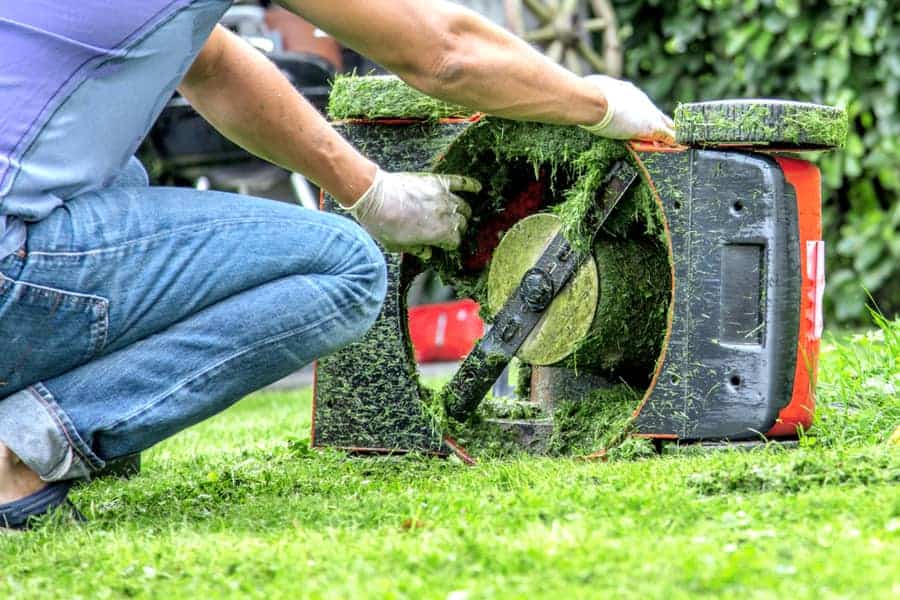
- Clean grass and debris from cooling fins and under the deck.
- Make sure the oil level is correct.
- Take breaks if mowing in very hot weather.
Bonus Tip: Never run your mower without the cover or cooling shrouds—they direct air to keep the engine cool.
How To Diagnose The Problem Step-by-step
Sometimes, more than one issue can cause a mower to start and stop. The best approach is to work methodically:
- Check the air filter. Clean or replace if dirty.
- Test with fresh fuel. Drain old gas, add new.
- Loosen the fuel cap slightly and run the mower.
- Inspect the spark plug for dirt or damage.
- Check the fuel line and filter for blockages.
- Spray carburetor cleaner into the carburetor.
- Watch for overheating or odd noises.
If you follow this order, you’ll fix the most common issues first and avoid wasting time or money on unnecessary repairs.
Here’s a helpful comparison of how different problems affect your mower:
| Problem | Typical Symptom | Quick Test |
|---|---|---|
| Dirty Carburetor | Starts, then dies after 5–20 seconds | Spray carb cleaner, restart |
| Clogged Air Filter | Engine struggles, dies under load | Remove filter, run without |
| Bad Fuel | Rough running, frequent dying | Drain and refill with fresh gas |
| Blocked Fuel Cap | Dies after a few minutes | Loosen cap, see if it runs longer |
| Faulty Spark Plug | Misfires, hard to start | Inspect and replace if needed |
Credit: lawn.com.au
Essential Tools And Supplies
You don’t need a professional workshop to fix most mower issues. Here’s what helps:
- Screwdrivers (flat and Phillips)
- Socket set or wrench
- Carburetor cleaner spray
- Replacement air and fuel filters
- Spark plug wrench and new spark plug
- Fuel line or tubing (optional)
- Clean rags and gloves
Pro Tip: Keeping a small maintenance kit for your mower saves time and keeps your equipment running longer.
How Regular Maintenance Prevents This Problem
Many mower issues come from poor maintenance. Spending 10–15 minutes at the start of each season can save hours of frustration later.
Maintenance Checklist
- Change the oil once a year or after every 25 hours of use.
- Clean or replace the air filter every season.
- Replace the spark plug every year.
- Use fuel stabilizer if storing gas for more than 30 days.
- Keep the mower deck clean to prevent overheating.
Here’s how often you should do basic tasks:
| Task | Frequency | Why It Matters |
|---|---|---|
| Change oil | Annually or 25 hrs | Lubricates engine, prevents wear |
| Clean/replace air filter | Annually or as needed | Ensures proper airflow |
| Replace spark plug | Annually | Maintains strong spark |
| Check fuel | Every fill-up | Prevents clogging, poor running |
Non-Obvious Insight: Many people overlook fuel stabilizer. Using it can double the life of your carburetor and prevent most fuel-related problems.

Credit: www.youtube.com
When To Call A Professional
If you’ve tried all the above and your mower still runs then dies, it may be time to seek help. Problems like internal engine damage, broken pistons, or serious electrical faults need expert attention. Most shops will give a cost estimate before repairs.
Red Flags:
- Loud knocking or metal noises
- Blue or black smoke from the exhaust
- Gas leaks or strong fuel smell
- The engine will not turn over at all
In these cases, do not continue to try starting the mower, as you could cause more damage.
Frequently Asked Questions
Why Does My Lawn Mower Start Then Die After A Few Seconds?
This usually happens because of a dirty carburetor, bad fuel, or a clogged air filter. The engine gets enough fuel to start but cannot keep running because something is blocking fuel or air flow.
How Do I Know If My Carburetor Is The Problem?
If spraying carburetor cleaner into the carburetor helps the mower run longer, the carburetor is likely dirty or clogged and needs cleaning or rebuilding.
Can I Use Car Gasoline In My Lawn Mower?
Yes, but always use fresh gasoline and avoid fuel with more than 10% ethanol. Old or stale fuel causes most mower problems. A fuel stabilizer helps if you store gas for more than a month.
What If My Mower Still Dies After Checking Everything?
If you’ve tried all the steps above, the issue might be a bad ignition coil, a faulty safety switch, or a serious engine problem. These often require professional repair.
How Often Should I Change My Air Filter And Spark Plug?
Change the air filter once per mowing season and the spark plug at least once a year. More frequent changes may be needed if you mow in very dusty areas.
Taking care of your mower is not just about getting a perfect lawn—it also saves money and frustration. With the right steps and regular care, you can fix the most common “runs then dies” problems yourself and keep your mower ready whenever you need it. For more detailed repair guides, you can visit the official Briggs & Stratton Support site. Happy mowing!