
Changing the oil in your riding mower is one of the most important tasks for keeping your machine running smoothly and lasting for years. Many people overlook this, but regular oil changes prevent engine damage, save money on repairs, and help your mower start easily every time.
If you want your mower to cut grass efficiently season after season, learning how to change the oil yourself is a skill worth having.
This guide will walk you through every step of the process, from gathering tools to disposing of old oil. Even if you’re new to lawn equipment maintenance, you’ll find clear instructions, practical tips, and advice for avoiding common mistakes. Let’s get started and make sure your riding mower stays in top shape.
Why Oil Changes Matter For Riding Mowers
The engine oil in your riding mower lubricates moving parts, keeps the engine cool, and helps remove dirt and carbon buildup. Over time, oil breaks down and collects debris. Dirty oil can cause:
- Overheating of engine parts
- Increased friction and wear
- Hard starting or loss of power
- Shorter engine lifespan
Manufacturers usually recommend changing the oil after the first 5-10 hours of use for a new mower, then every 25-50 hours or once per season. If you mow in dusty or tough conditions, change it more often.
Tools And Materials You’ll Need
Before starting, gather these items:
- Engine oil (check your manual for type and amount, usually SAE 30, 10W-30, or synthetic)
- Oil filter (if your mower uses one)
- Oil drain pan or container
- Wrench or socket set
- Oil funnel
- Shop rags or paper towels
- Gloves (optional but recommended)
- New oil filter gasket (if required)
- Plastic sheet or cardboard (to protect your garage floor)
Two items often missed by beginners are the correct oil type and a proper drain pan. Using the wrong oil or a pan that’s too small can create a big mess.

Credit: www.trigreenequipment.com
Preparing Your Riding Mower
Good preparation makes the oil change easier and cleaner.
- Warm the engine for 2-3 minutes. Warm oil flows out faster and removes more dirt.
- Park on a level surface and set the parking brake.
- Disconnect the spark plug wire. This prevents accidental starting.
- Clean around the oil fill and drain areas. Dirt near the oil cap or drain plug can fall into the engine.
Step-by-step Oil Change Process
Changing the oil is simple when you follow these steps.
1. Locate The Oil Drain Plug And Filter
Most riding mowers have the oil drain plug under the engine or on the side. The oil filter, if present, is usually on the engine block.
- Check your owner’s manual or look for a metal bolt or plug at the base of the engine.
- If your mower has an oil filter, note its position.
2. Place The Oil Drain Pan
Slide the pan under the drain plug. If your mower has a side drain, place the pan to catch the oil stream. Lay cardboard or plastic under the mower if you’re working on concrete.
3. Remove The Oil Fill Cap
Taking off the oil fill cap or dipstick lets air in and helps oil drain out faster.
4. Drain The Old Oil
- Use a wrench to loosen the drain plug. Turn slowly to avoid splashing.
- Let all oil drain into the pan. This may take 5-10 minutes.
- Wipe the drain plug clean and inspect the gasket. Replace the gasket if it’s cracked.
- Tighten the drain plug securely, but don’t over-tighten.
5. Remove And Replace The Oil Filter (if Equipped)
- Unscrew the old oil filter by hand. If it’s stuck, use an oil filter wrench.
- Wipe the filter mounting surface clean.
- Rub a thin layer of new oil on the gasket of the new filter. This helps it seal.
- Screw on the new filter by hand until snug, then tighten another 1/2 turn.
6. Add New Oil
- Place a funnel in the oil fill hole.
- Pour in the recommended type and amount of oil. Most riding mowers use 1.5 to 2 quarts (1.4–1.9 liters).
- Replace the oil cap.
7. Check Oil Level
- Wait a minute, then pull out the dipstick, wipe it clean, and reinsert.
- Remove again to check the level. Add oil if needed, but don’t overfill.
8. Run The Engine And Recheck
- Reconnect the spark plug wire.
- Start the engine and let it run for 2-3 minutes.
- Turn off and check for leaks.
- Recheck the oil level and top off if needed.
Used Oil Disposal
Never pour used oil down the drain or on the ground. Used oil is toxic and can pollute water sources. Instead:
- Pour old oil into a sealed container.
- Take it to a recycling center or auto parts store that accepts used oil.
- Used oil filters should also be recycled or disposed of properly.
You can find your nearest recycling location by checking with your local government or searching online.
How Often Should You Change Oil?
How often you change oil depends on your mower’s model and how you use it. Here’s a simple comparison:
| Condition | Hours Between Oil Changes |
|---|---|
| Normal Use | Every 50 hours or 1 season |
| Heavy/Dusty Use | Every 25 hours or 2-3 times per season |
| First Oil Change (New Mower) | After 5-10 hours |
If you use your mower less than 25 hours per year, change the oil at least once every spring.

Credit: sportt-tt.com
Choosing The Right Oil And Filter
Not all oils are the same. Check your mower’s manual for the recommended oil type. Here’s a quick guide to popular oil types for riding mowers:
| Oil Type | Best For | Temperature Range |
|---|---|---|
| SAE 30 | Most mowers (spring/summer) | Above 40°F (4°C) |
| 10W-30 | Variable temps, cold starts | 0–100°F (-18 to 38°C) |
| Synthetic 5W-30 | Extreme temps, longer life | -20 to 120°F (-29 to 49°C) |
For oil filters, always use the correct size and type. Using the wrong filter can cause leaks or poor oil flow.
Common Mistakes To Avoid
Many homeowners make simple errors when changing oil. Here are mistakes to watch out for:
- Using the wrong oil type – Always check your manual.
- Forgetting to tighten the drain plug – Leads to leaks or oil loss.
- Overfilling with oil – Too much oil can damage the engine.
- Not replacing a worn gasket – Causes slow leaks.
- Leaving old oil in the filter – If you don’t change the filter, dirty oil remains.
- Spilling oil on belts or pulleys – Clean any spills right away to avoid belt slipping.
A non-obvious tip: If your mower has a “quick drain” hose or valve, use it! It makes draining oil much cleaner.
Practical Tips For A Cleaner Oil Change
- Place a plastic bag over the oil filter before removing it. If oil spills, it falls into the bag.
- Use old milk jugs or detergent bottles to store used oil.
- Keep a log of oil changes, including date and hours used.
- If your mower sits all winter, change oil before storage to remove acids and moisture.
Signs You Need An Oil Change
Sometimes the oil needs changing even before the regular schedule. Watch for these signs:
- Oil looks black and gritty on the dipstick
- Engine runs louder or hotter than normal
- You see smoke from the exhaust
- Mower is hard to start
Ignoring these signs can cause major engine problems.
Oil Change For Different Riding Mower Brands
Most riding mowers use a similar oil change process, but there are small differences. For example:
- John Deere: Often uses a side oil drain valve. Some models have a “no tools” oil change system.
- Cub Cadet: Many have a drain tube. Some recommend 10W-30 oil for all climates.
- Husqvarna: Some models have a bottom drain plug; filters can be tight.
Always check the manual for your brand and model for details like oil capacity and filter type.
Environmental Impact And Safety
Used oil is one of the top sources of water pollution if not disposed of correctly. Just one gallon can pollute a million gallons of water. Always:
- Wear gloves to protect your skin
- Clean up spills immediately
- Store oil in a sealed container until recycling
If you’re new to this, check guidelines from the EPA or your local recycling center. For more details on oil recycling, visit the EPA’s official page.
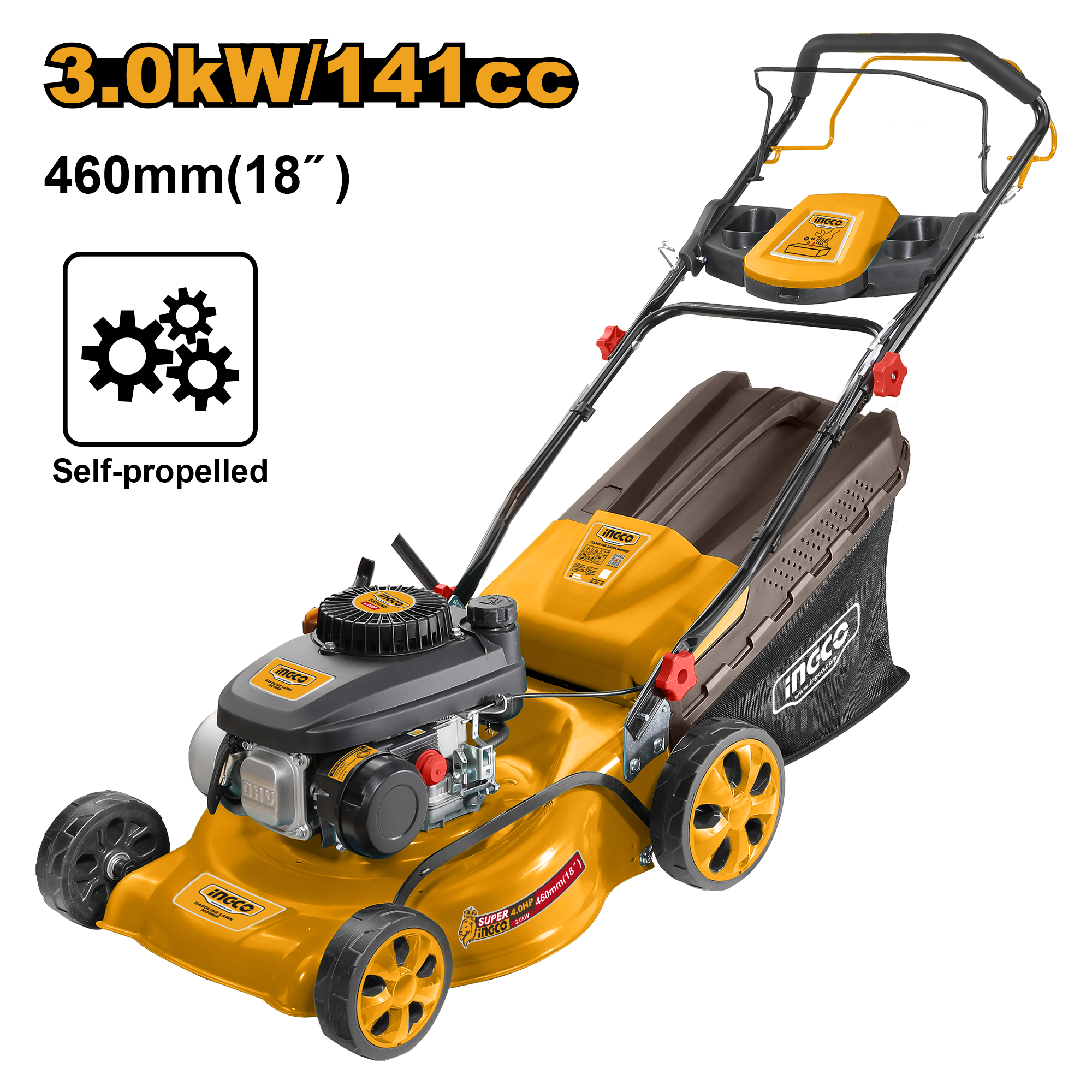
Credit: www.ingco.com
Frequently Asked Questions
How Do I Know Which Oil My Riding Mower Needs?
Check the owner’s manual or the label on your mower’s engine. Most riding mowers use SAE 30, 10W-30, or synthetic oils, but using the wrong oil can damage the engine.
What If I Overfill The Oil?
Drain out the excess oil immediately. Running the engine with too much oil can cause leaks, smoke, or even engine damage.
Can I Change The Oil Without Changing The Filter?
It’s possible, but not recommended. The oil filter traps dirt and metal particles. If you skip the filter, dirty oil will mix with the new oil.
How Long Does It Take To Change The Oil?
Plan about 20–30 minutes for the full process, including warming the engine, draining, refilling, and cleaning up.
Where Can I Dispose Of Used Oil?
Most auto parts stores and recycling centers accept used oil. Never pour it down the drain or in the trash. Find your local drop-off point by searching online or asking your city’s waste department.
Changing your riding mower’s oil isn’t hard, and it’s one of the best ways to protect your investment. With the right oil, tools, and a little time, you’ll keep your mower running strong for many seasons to come.