
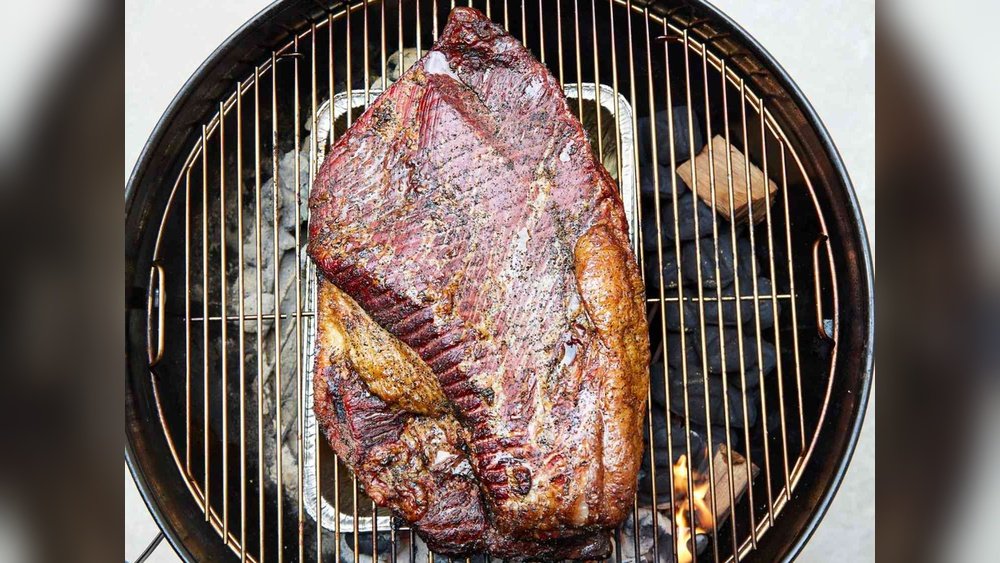
If you love the rich, smoky flavor of slow-cooked meat, learning how to smoke meat on a charcoal grill is a game-changer for your backyard cookouts. You don’t need fancy equipment—just your trusty charcoal grill and a few simple techniques to turn ordinary cuts into tender, mouthwatering masterpieces.
In this guide, you’ll discover step-by-step how to control the heat, add the perfect amount of smoke, and master the art of indirect cooking. Get ready to impress your friends and family with delicious smoked meat that’s packed with flavor and cooked to perfection.
Keep reading, and you’ll be smoking like a pro in no time!
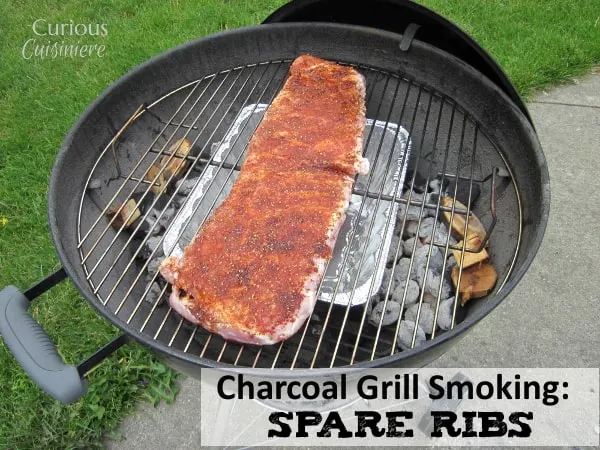
Credit: www.curiouscuisiniere.com
Choosing The Right Charcoal
Choosing the right charcoal is essential for smoking meat on a charcoal grill. The charcoal impacts heat, smoke flavor, and cooking time. Using the correct type of charcoal helps maintain steady temperatures and adds a rich smoky taste. It also affects how long your fire lasts during the smoking process.
Types Of Charcoal
Briquettes are common and easy to use. They burn evenly and last longer. Lump charcoal is made from pure wood. It burns hotter and produces less ash. Hardwood charcoal adds a natural flavor to meat. Avoid charcoal with fillers or chemicals. Natural lump charcoal is best for clean smoke and good heat.
How To Light Charcoal Properly
Start by arranging charcoal in a pile or chimney starter. Use a fire starter or newspaper under the charcoal. Light the fire starter and let the coals catch fire. Wait until the coals turn gray with ash. Spread the coals evenly for indirect heat. Avoid using lighter fluid to prevent chemical taste. Proper lighting helps control temperature and smoke quality.
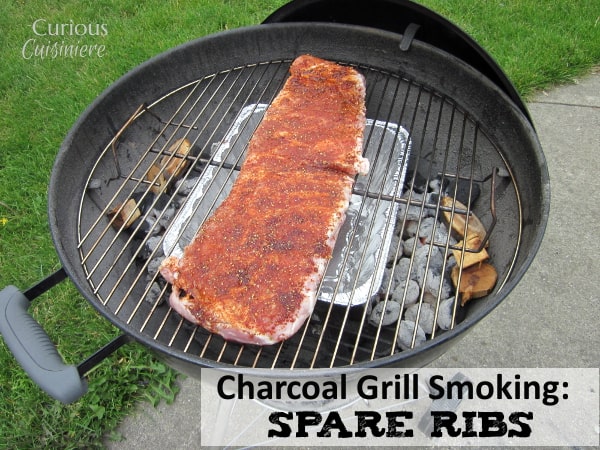
Credit: www.curiouscuisiniere.com
Preparing Your Grill For Smoking
Preparing your charcoal grill for smoking sets the stage for tender, flavorful meat. Proper setup controls heat and smoke flow. It helps maintain steady temperature during long cooking times. Follow these steps to prepare your grill correctly before adding the meat.
Setting Up Two-zone Heat
Create two heat zones inside your grill. Pile hot coals on one side for direct heat. Leave the other side empty for indirect heat. Place your meat on the cooler side. This avoids burning and cooks the meat slowly. Two-zone heat gives you control over cooking temperature.
Using The Snake Method
The snake method arranges coals in a curved line. Start with a small pile of lit coals at one end. Lay unlit coals in a chain around the grill’s edge. This setup burns slowly and evenly. It keeps the temperature steady for hours. Add wood chunks on top of the coals for smoke flavor.
Adding A Water Pan
Place a water pan above the coals, under the grill grate. Fill it with water or apple juice. The pan adds moisture to the cooking environment. This prevents the meat from drying out. It also helps stabilize the grill’s temperature. Keep the water pan filled during smoking for best results.
Selecting Smoking Wood
Choosing the right wood is key to smoking meat on a charcoal grill. Wood adds flavor and smoke that turns simple meat into a tasty treat. Different woods bring different tastes and aromas. Knowing which wood to pick helps you control the flavor of your smoked meat.
Popular Wood Choices
Hickory offers a strong, smoky flavor. It works well with pork and ribs. Applewood gives a mild, sweet smoke, good for chicken and fish. Cherry wood adds a fruity, gentle smoke. Mesquite burns hot and fast with an intense flavor, great for red meat. Oak provides a balanced, medium smoke, perfect for long cooks. Each wood creates a unique taste for your meat.
Soaking Wood Chunks Vs Dry
Many people soak wood chunks in water before smoking. Soaking slows down the burn and creates more smoke. Dry wood burns faster and hotter with less smoke. Using dry wood can increase the grill temperature quickly. Soaked wood helps keep the smoke steady over time. Choose soaked wood for longer cooks and dry wood for quick bursts of smoke.
Placing Wood On Charcoal
Place wood chunks directly on hot charcoal to start smoking. Put the wood on one side of the grill with the coals. This setup creates indirect heat and smoke for cooking meat evenly. Avoid placing wood too close to the meat. The smoke can burn the outside if it is too strong. Adjust wood placement to control smoke flow and cooking temperature.

Credit: www.youtube.com
Controlling Temperature And Smoke
Controlling temperature and smoke is essential for perfect smoked meat on a charcoal grill. Too much heat can dry out the meat. Too little smoke means missing flavor. Keeping both steady ensures tender, tasty results. You need to manage air flow, check temperature regularly, and keep smoke steady throughout the cooking process.
Adjusting Air Vents
Air vents control how much oxygen reaches the charcoal. Open vents increase heat by feeding oxygen to the coals. Close vents reduce oxygen and lower the temperature. Start with vents half-open to light coals. Adjust them slowly to keep the grill around 225°F to 250°F. Small changes in vents make big temperature differences.
Monitoring Grill Temperature
Use a reliable grill thermometer to check temperature often. Place it near the meat, not directly over coals. Keep the temperature steady for even cooking. Avoid opening the lid too much; it lets heat escape. Check temperature every 30 minutes or more. Adjust air vents or add charcoal to keep heat steady.
Maintaining Consistent Smoke
Use hardwood chunks or chips soaked in water for steady smoke. Place them on hot coals to create smoke without flare-ups. Avoid thick, white smoke; it can make meat bitter. Thin, blue smoke is best for flavor. Add wood pieces gradually to keep smoke flowing during the entire cooking time. Keep charcoal burning slowly for long-lasting smoke.
Preparing Meat For Smoking
Preparing meat for smoking is a key step that impacts the final flavor and texture. Proper preparation helps the meat absorb smoke and cook evenly. It also enhances tenderness and juiciness. Follow simple steps to get the best results from your charcoal grill.
Choosing The Right Cuts
Select cuts that handle long cooking times well. Tougher cuts like brisket, pork shoulder, and ribs are ideal. They become tender and flavorful with slow smoking. Avoid lean cuts; they dry out easily. Marbled meat with fat adds richness and moisture during smoking.
Applying Rubs And Marinades
Rubs add flavor and create a tasty crust on the meat. Use a mix of salt, sugar, spices, and herbs. Apply rubs generously and massage into the meat. Marinades add moisture and infuse flavor deeply. Soak meat in marinade for a few hours or overnight. Pat dry before placing on the grill to ensure good smoke absorption.
Brining And Resting Meat
Brining keeps meat juicy and tender. Soak meat in a saltwater solution for several hours. This helps the meat hold moisture during smoking. After brining or applying rubs, let the meat rest at room temperature. Resting allows even seasoning and prepares meat for cooking. Avoid placing cold meat directly on the grill.
Smoking Process Step-by-step
Smoking meat on a charcoal grill requires patience and attention. The process includes placing the meat, controlling the smoke time, and checking the meat’s temperature. Each step affects the final taste and texture. Follow these steps carefully for the best smoked meat.
Placing Meat On The Grill
Start by setting up your charcoal grill for indirect heat. Push the hot coals to one side. Place wood chunks on the coals for smoke. Put the meat on the grill grate, away from the coals. This keeps the meat from direct flames. The smoke will slowly cook and flavor the meat.
Managing Smoke Duration
Control the grill temperature between 225°F and 250°F. Add more charcoal or wood as needed to keep this range. Smoking can take several hours depending on meat type. Avoid opening the grill too often to keep heat steady. Let the smoke work its magic over time.
Using A Meat Thermometer
Insert a meat thermometer into the thickest part of the meat. Check the temperature regularly without moving the meat. The right temperature ensures the meat is safe and tender. Different meats require different target temperatures. Remove the meat once it reaches the ideal temperature.
Common Smoking Times And Temperatures
Smoking meat on a charcoal grill requires attention to time and temperature. These two factors affect the flavor, tenderness, and safety of the meat. Different types of meat need different smoking times and temperatures. Knowing the right range helps you plan and cook perfectly every time.
Beef Cuts
Beef brisket is best smoked low and slow. Keep the temperature around 225°F to 250°F. Smoking takes 10 to 14 hours depending on size. For ribs, maintain the same temperature range. Expect 5 to 6 hours of smoking time. Steaks can be smoked quicker, about 1 to 2 hours at 225°F.
Pork Cuts
Pork shoulder or butt needs a long smoking time. Keep the grill temperature steady at 225°F to 250°F. Smoking usually takes 8 to 12 hours. Pork ribs also do well in this range. Smoke for about 5 to 6 hours until tender. Smaller cuts like pork loin can take 2 to 3 hours.
Poultry
Smoking poultry requires a slightly higher heat. Set the grill to 275°F to 300°F. Whole chickens take about 3 to 4 hours to smoke. Turkey needs around 4 to 6 hours depending on weight. Always check for an internal temperature of 165°F to ensure safety.
Safety Tips And Temperature Zones
Smoking meat on a charcoal grill creates delicious flavors, but safety matters most. Knowing temperature zones and following safety tips keeps food safe and tasty. Controlling heat and handling meat properly prevents harmful bacteria growth. Learn how to avoid risks and enjoy smoked meat confidently.
Avoiding The Danger Zone
The danger zone is between 40°F and 140°F. Bacteria grow fast in this range. Keep smoked meat out of this zone as much as possible. Use a reliable grill thermometer to watch temperatures. Maintain the smoker heat at 225°F to 250°F for safe cooking. Avoid opening the grill too often to keep heat steady. Cool meat quickly after smoking to prevent bacteria.
Safe Handling Of Smoked Meat
Always wash hands before and after touching raw meat. Use separate utensils and plates for raw and cooked meat. Check the internal temperature with a meat thermometer. Poultry needs at least 165°F inside; beef and pork should reach 145°F. Store smoked meat in the fridge within two hours. Reheat leftovers to 165°F before eating. These steps reduce the chance of foodborne illness.
Troubleshooting Smoking Issues
Smoking meat on a charcoal grill can be rewarding but brings some challenges. Troubleshooting smoking issues helps ensure your meat turns out tender and flavorful. Knowing how to address common problems improves your grilling experience. Below are key tips to fix usual smoking troubles.
Dealing With Flare-ups
Flare-ups happen when fat drips on hot coals, causing sudden flames. Move meat away from direct fire to prevent burning. Keep a spray bottle with water handy to control small flames. Use indirect heat by placing coals to one side of the grill. Avoid opening the lid too often, which feeds oxygen to flames.
Fixing Temperature Fluctuations
Temperature swings cause uneven cooking and tough meat. Adjust air vents slowly to control airflow and heat. Add charcoal in small amounts to maintain steady heat. Use a grill thermometer to monitor temperature inside the grill. Keep the lid closed to keep heat consistent. Arrange coals in a snake or bank method for slow burn.
Handling Dry Or Bitter Smoke
Dry or bitter smoke ruins the taste of smoked meat. Use clean, dry wood chunks for smoke, not wet or green wood. Avoid using charcoal with chemical additives. Control airflow to ensure smoke moves steadily, not trapped inside the grill. Remove ashes regularly to keep good air circulation. Choose mild woods like apple or cherry for better flavor.
Cleaning And Maintenance After Smoking
Cleaning and maintenance after smoking meat on a charcoal grill keep your equipment in top shape. Proper care extends the grill’s life and ensures better flavor every time. It also prevents rust and buildup that can affect cooking.
Disposing Of Ashes
Let the ashes cool completely before handling. Hot ashes can start fires or cause burns. Use a metal scoop or brush to remove ashes from the grill. Dispose of ashes in a metal container with a lid. Avoid putting ashes in plastic or paper bins. Clean ashes regularly to keep airflow clear. Good airflow helps maintain consistent smoking temperature.
Cleaning Grill Grates
After smoking, brush the grill grates with a stiff wire brush. This removes stuck-on food and grease. For tough spots, soak grates in warm, soapy water. Rinse and dry completely to avoid rust. Apply a thin coat of cooking oil to grates. This protects metal and keeps food from sticking next time.
Storing Equipment
Store your grill and tools in a dry, covered area. Protect from rain and moisture to prevent rust. Use a grill cover if you keep it outdoors. Keep smoking wood and charcoal in sealed containers. This keeps them dry and ready for your next cook. Clean tools and accessories before storing. Organized storage saves time and effort later.
Frequently Asked Questions
How To Smoke On A Charcoal Grill For Beginners?
Control heat by placing coals on one side and meat on the opposite side for indirect smoking. Add wet wood chunks for smoke. Maintain low temperature and smoke until meat reaches desired doneness.
How Long Does It Take To Smoke Meat On A Grill?
Smoking meat on a grill takes 3 to 6 hours, depending on the type and thickness. Maintain 225-250°F for best results.
What Is The 4 Hour Rule For Smoking Meat?
The 4-hour rule for smoking meat limits time in the temperature danger zone (40°F-140°F) to prevent bacterial growth. Avoid leaving meat between these temps over four hours to ensure food safety during smoking.
How Do I Turn My Charcoal Grill Into A Smoker?
Arrange charcoal briquettes in a semicircle along the grill’s edge. Add wood chunks between coals for smoke. Place meat opposite coals for indirect heat. Control temperature by adjusting vents. Smoke until desired doneness and flavor develop.
Conclusion
Smoking meat on a charcoal grill takes patience and care. Keep the fire steady and use indirect heat. Add wood chunks for that rich, smoky flavor. Check the temperature often to cook meat safely and evenly. Remember, low and slow works best for tender results.
Enjoy the process and the delicious meals it brings. Practice will help you improve each time you grill. Happy smoking!