

Electric mowers fit most homeowners; gas models win on large, tough, or wet lawns.
If you are asking which is better gas or electric mower, you want a clear, honest path to the right choice. I have used both in tight city yards and on sprawling, rough turf. This guide blends hands-on lessons with data and expert insights so you can decide with confidence.
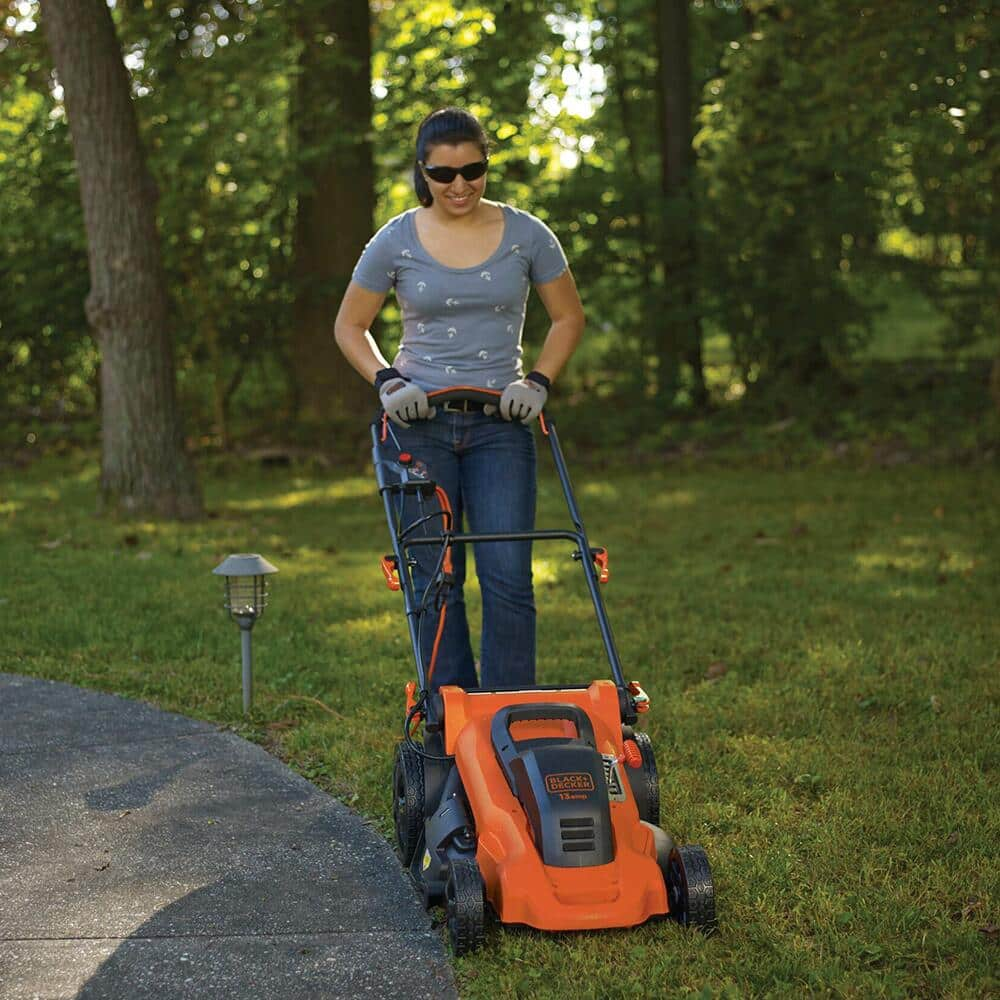
Gas vs Electric Mower at a Glance
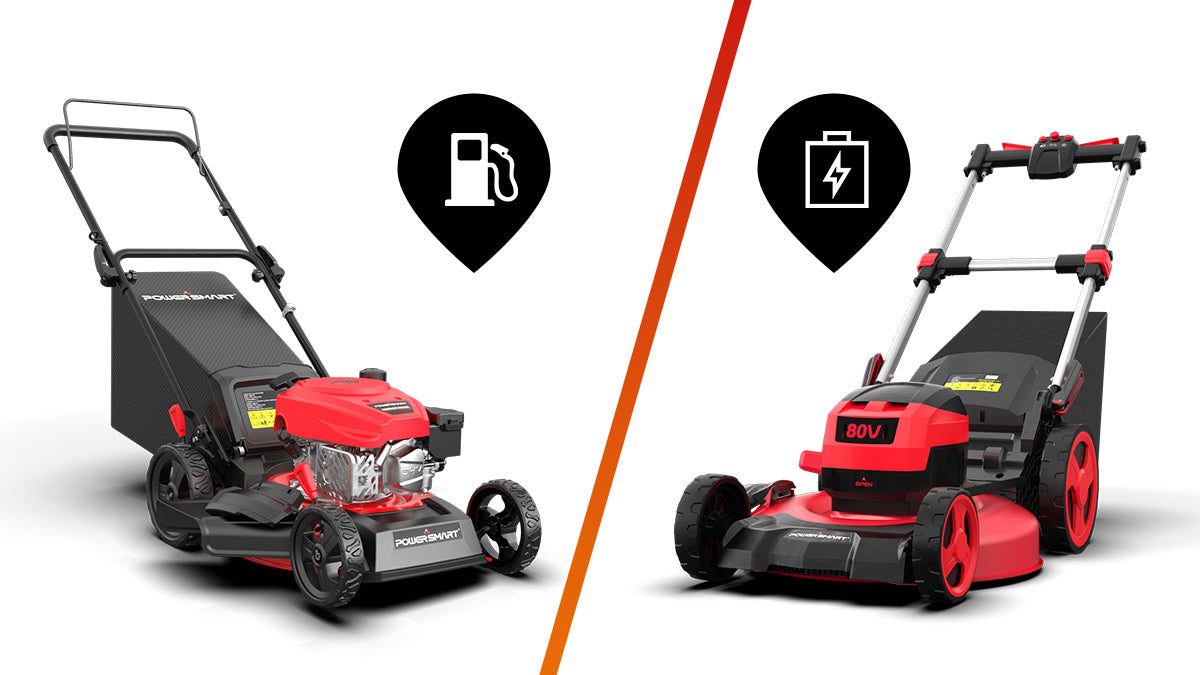
Choosing which is better gas or electric mower starts with a quick profile of each.
-
Electric mowers
- Best for small to medium lawns.
- Low noise and almost no routine maintenance.
- Push-button start and clean operation.
- Cordless models offer 30–60 minutes per battery, on average.
-
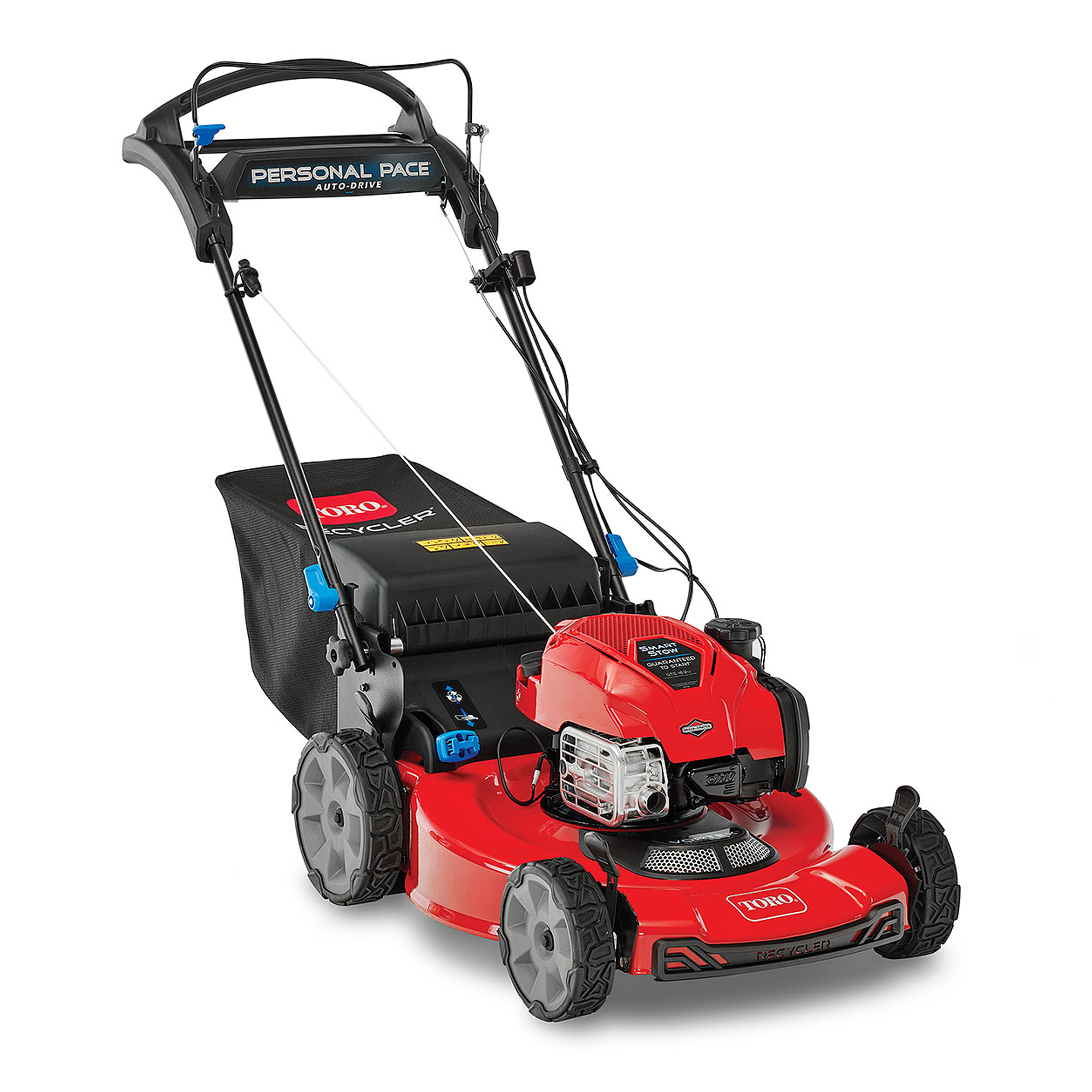
Gas mowers
- Best for thick or wet grass“>large areas and thick or wet grass.
- Strong, steady power with long runtime per tank.
- Heavier and louder but still king for raw torque.
- Needs fuel, oil, and seasonal care.
If your lawn is under 1/3 acre, an electric mower will likely feel easier, faster, and cleaner. Over 1/2 acre, or if your grass is dense and tall, gas still brings dependable power and pace.

How to Decide: Yard, Grass, and Use Cases
Your yard is the first filter when deciding which is better gas or electric mower.
- Under 1/4 acre with light to average grass
- Pick a cordless electric mower. You will finish in one battery.
- 1/4 to 1/2 acre with mixed conditions
- Electric still works if you own two batteries or a high-capacity pack.
- Gas is a safe pick if you cut less often or bag heavy clippings.
- Over 1/2 acre, uneven terrain, or tall, wet growth
- Gas saves time and avoids mid-mow charging.
- Many obstacles or tight gates
- Electric is lighter and easier to pivot around beds and trees.
- Steep slopes
- Self-propelled models help. Gas has more drive choices. Electric drive is improving fast.
Ask yourself each week: How long do you mow? How tall is the grass? Your honest answers point to which is better gas or electric mower for your yard.

Performance: Power, Cut Quality, and Runtime
Power decides cut quality. It also decides how quickly you finish.
- Torque and blade speed
- Gas engines deliver steady torque, even in heavy or wet grass.
- Modern brushless electric motors ramp power when load increases. Many now rival small gas engines on normal lawns.
- Runtime
- Cordless electric mowers often run 30–60 minutes per battery, depending on voltage, amp-hours, and grass height.
- Gas mowers can run 60–90 minutes on a tank and refuel in seconds.
- Cut quality
- In light to moderate grass, electric cuts clean and even.
- In thick spring growth, gas holds blade speed better and bags heavy clippings with less clogging.
- Mulching and bagging
- Both can mulch well with sharp blades and clear decks.
- Gas still has an edge in wet or overgrown conditions.
If runtime anxiety bothers you, that shapes which is better gas or electric mower. One extra battery can remove that worry for most homeowners.

Cost of Ownership: Upfront, Fuel, Battery, Maintenance
Price does not stop at the shelf. Look at five-year costs when you ask which is better gas or electric mower.
- Upfront price
- Electric ranges widely by voltage and features. Many mid-range kits include a battery and charger.
- Gas is often cheaper up front for basic models.
- Ongoing costs
- Electric
- Electricity is low cost per cut.
- Batteries may need replacement after 3–5 years, based on use and care.
- Gas
- Fuel, oil, spark plugs, filters, and winterizing add up each year.
- Electric
- Sample five-year view (estimates vary by region and habits)
- Electric: mower + one extra battery may equal the added fuel and service costs of gas.
- Gas: cheaper on day one, but higher running and service costs over time.
If you mow weekly, electric’s low running costs add up in your favor. If you mow a huge lot, gas’s quick refuel can still be cheaper in time saved.
Noise, Vibration, and Comfort
Noise and vibration shape the mowing experience more than many expect.
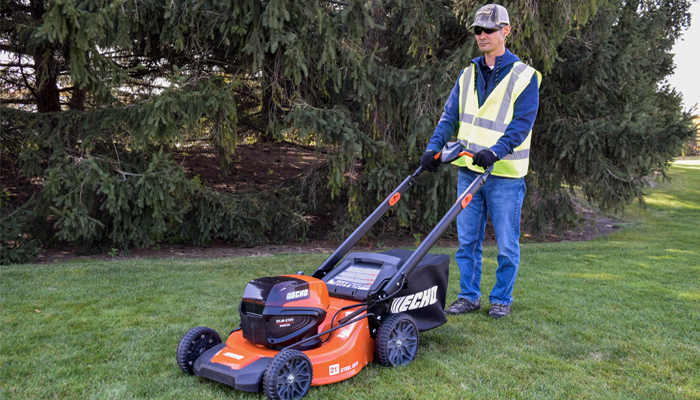
- Electric mowers are far quieter. You can talk while mowing. Early mornings disturb fewer neighbors.
- Gas mowers are loud and shake more. Hearing protection is wise for most users.
- Push-button start on electric saves strain. No cord pulls. No choke.
- Self-propel systems exist on both. Electric drive is smooth and easy to modulate.
If comfort matters, that pushes which is better gas or electric mower toward electric for most homes.
Environmental Impact and Regulations
This topic matters more each year, and it also guides which is better gas or electric mower.
- Emissions
- Studies from federal and state agencies show small gasoline engines emit high levels of pollutants per hour compared to cars with modern controls.
- Electric mowers have no tailpipe emissions. Grid power still has an impact, but total emissions are lower in most regions.
- Local rules
- Many cities limit noise. Some areas now restrict or plan to restrict new sales of gas lawn equipment.
- California has moved toward zero-emission small off-road equipment sales. Other states may follow.
- Waste and recycling
- Gas requires oil changes and fuel storage.
- Electric needs battery care and proper end-of-life recycling.
If sustainability is a priority, electric is the clear pick for most buyers.
:max_bytes(150000):strip_icc()/battery-vs-gas-lawn-mowers-4580382_V2-ad2d5611e531474aaec06954f79ff77e.gif)
Maintenance and Reliability
Care is simple on electric and regular on gas. This can decide which is better gas or electric mower for your routine.
- Electric maintenance
- Keep blades sharp. Clean the deck. Store batteries cool and dry.
- Avoid leaving packs on the charger for days. Partial charge for winter.
- Gas maintenance
- Change oil. Replace spark plug and air filter. Stabilize fuel before storage.
- Carburetors can gum up. Pull-start cords and belts wear over time.
From my own switch to a 56V brushless mower, the zero-oil life felt liberating. I went from 30 minutes of spring tune-ups to five minutes with a rag and a blade gauge.

Safety and Ease of Use
Safety is part of the answer to which is better gas or electric mower.
- Electric cordless
- No hot muffler. No fuel spills. Safety key helps block accidental starts.
- Mind battery care. Keep packs dry and undamaged.
- Corded electric
- Watch the cord path. Use a heavy-duty outdoor-rated extension cord.
- Gas
- Fuel is flammable. Cool the engine before storage. Store gas in a proper can.
- For all mowers
- Wear closed-toe shoes and eye protection. Remove the battery or unplug the spark plug before blade work.
If you value simple, low-risk starts, electric has a real edge.
Real-World Scenarios and Recommendations
Translating research to real lawns helps you decide which is better gas or electric mower.
- Townhouse or city lot, under 1/8 acre
- Cordless electric wins. Light, quiet, and done in 20 minutes.
- Suburban yard, 1/4 to 1/3 acre, weekly cuts
- Electric with a high-capacity battery works great. Keep a second pack for spring.
- 1/2 acre with tall fescue and spring surge
- Gas still saves time during heavy growth. Or choose a 60V-class electric with two large packs.
- Rural property over 3/4 acre
- Gas walk-behind or a riding mower is more practical. Electric walk-behind becomes a workout with too many swaps.
- My experience
- I ran a mid-range gas mower for years on a 1/3-acre lawn. It powered through wet leaves but was loud and needed carb work after winters.
- I moved to a 56V brushless model with two 5Ah packs. Mowing got quieter and faster, and storage was clean. Only in very wet, overgrown patches did I miss the gas torque.
If your weekly routine is tight and you want low fuss, electric will likely feel best. If you cut less often and tackle high, wet grass, gas remains the reliable bruiser.
Buyer’s Checklist
Use this list to settle which is better gas or electric mower for your yard.
- Lawn size in acres or square feet
- Grass type and growth rate
- Cutting frequency and preferred cut height
- Desire to bag, mulch, or side discharge
- Storage space and access to outlets
- Noise tolerance and neighbor comfort
- Slope and terrain
- Budget now and over five years
- Willingness to handle fuel and seasonal service
- Local rules on emissions or noise
Frequently Asked Questions of which is better gas or electric mower
Which is better gas or electric mower for small lawns?
Electric is better for small lawns. It is lighter, quieter, and needs little care.
Which is better gas or electric mower for thick or wet grass?
Gas is better for tough, wet grass. It holds blade speed and bags heavy clippings well.
Which is better gas or electric mower if I want low maintenance?
Electric is better. There is no oil, no spark plug, and almost no seasonal work.
Which is better gas or electric mower for long runtimes?
Gas is better for nonstop mowing. Refueling is fast and runtime is steady.
Which is better gas or electric mower for the environment?
Electric is better in most regions. It has no local emissions and lower total impact.
Which is better gas or electric mower for noise-sensitive areas?
Electric is better. It runs much quieter and is neighbor-friendly.
Which is better gas or electric mower if I skip weeks between cuts?
Gas is better if you often cut overgrown lawns. It powers through without bogging.
Conclusion
If your yard is small to mid-size and you mow weekly, electric is the smart, easy win. If your lawn is large, uneven, or often overgrown, gas still brings fast, confident cuts. Use your yard size, grass conditions, and routine to decide which is better gas or electric mower, then match features to that need.
Take action today. Measure your lawn, note your grass, and list what matters most. Then pick a model that fits your time, budget, and comfort. Want more help? Explore our buyer guides, ask a question, or share your setup in the comments.