
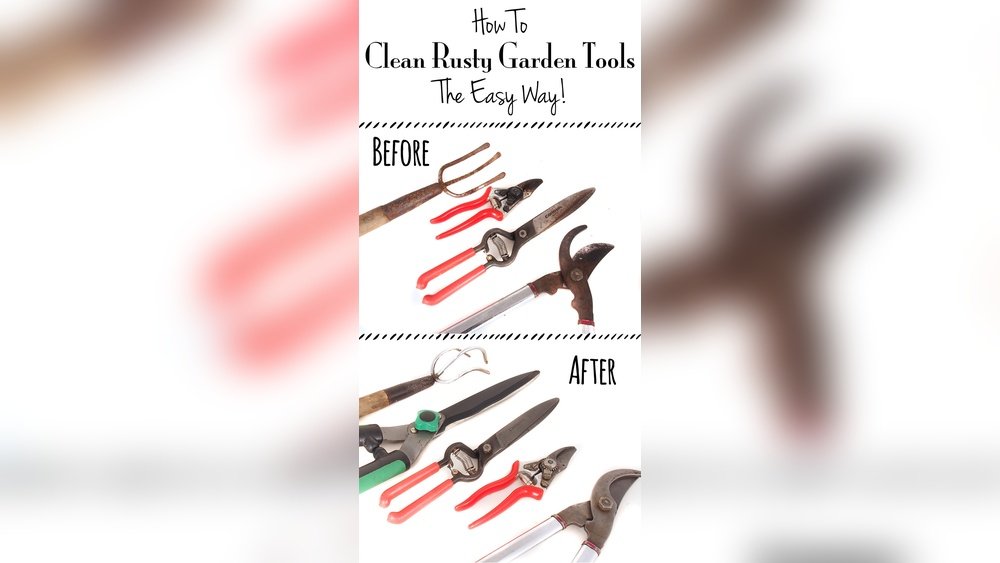
Rusty garden tools can turn your favorite outdoor tasks into frustrating chores. If you’ve noticed your pruners, shovels, or trowels looking dull and corroded, it’s time to take action.
You don’t have to buy new tools or spend a fortune on special cleaners. With a few simple steps and common household items, you can restore your tools to their former glory. Imagine how much easier and more enjoyable your gardening will be when your tools are sharp, clean, and rust-free.
Keep reading to discover easy, effective ways to clean rust off your garden tools and keep them in top shape season after season.
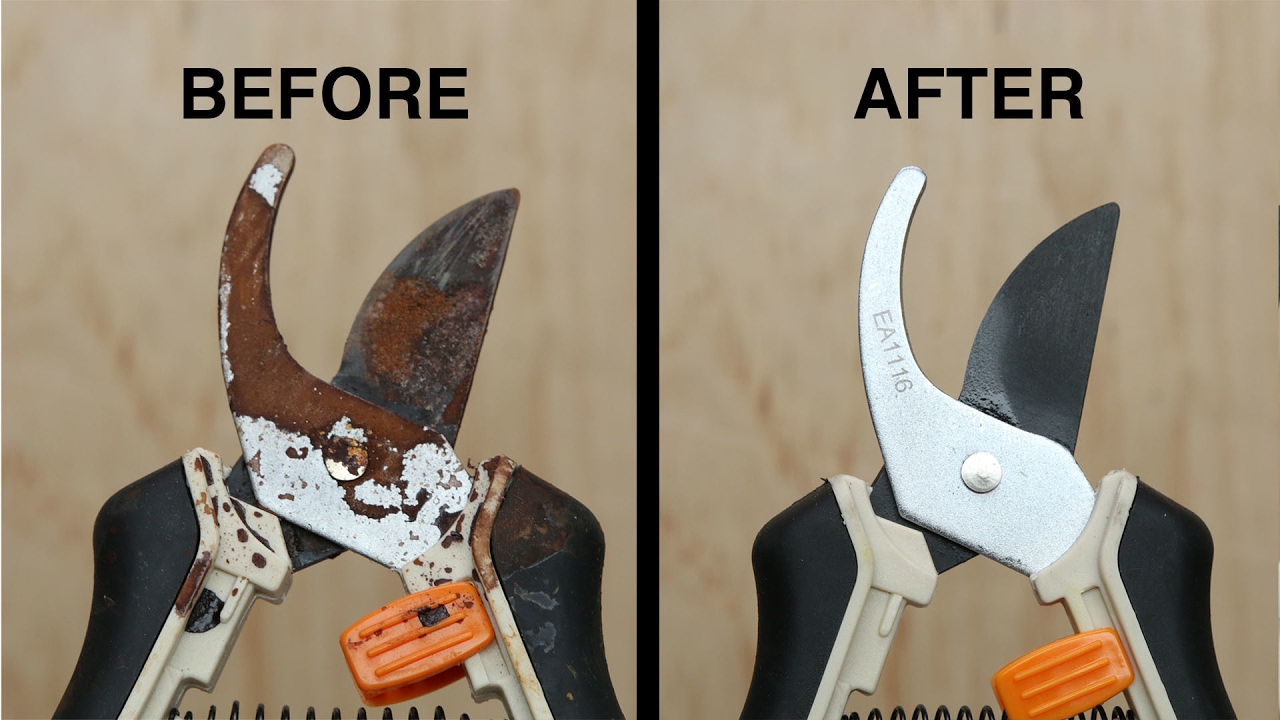
Credit: www.youtube.com
Rust Removal Basics
Rust forms when metal tools react with moisture and oxygen. It weakens the metal and makes tools hard to use. Cleaning rust keeps tools sharp and lasts longer. Removing rust is easy with the right steps and materials.
Rust removal starts with knowing the rust type. You need to be careful while cleaning. Safety matters to protect your hands and eyes. Use simple tools and safe methods to clean garden tools.
Types Of Rust On Tools
Rust appears in different forms on garden tools. Surface rust is light and easy to scrub off. It looks like orange or brown spots. Heavy rust covers large areas and may cause pitting. This rust needs stronger cleaning methods or soaking. Knowing rust type helps choose the best cleaning way.
Safety Tips For Cleaning
Wear gloves to protect your skin from sharp edges and chemicals. Use safety glasses to guard your eyes from dust and splashes. Work in a well-ventilated area to avoid breathing fumes. Keep tools steady while scrubbing to prevent injury. Clean tools carefully to avoid damage or accidents.
Tools And Materials Needed
Cleaning rust from garden tools requires the right tools and materials. Having these ready makes the process easier and more effective. Some items are common household goods. Others are specialized products designed for rust removal. Preparing these in advance saves time and effort.
Common Household Items
White vinegar works well to dissolve rust naturally. Baking soda creates a paste that scrubs rust off surfaces. Lemon juice also acts as a mild acid to break down rust. Steel wool or a wire brush helps scrub rust away. Old rags or cloths are needed to wipe tools clean. Dish soap removes grease and dirt before rust removal. Sandpaper smooths rough rust spots after soaking.
Specialized Rust Removers
Commercial rust removers contain chemicals for faster rust removal. These products come in liquid, gel, or spray forms. They work well on heavy rust or stubborn spots. Some popular brands include naval jelly and rust converter. Protective gloves and safety glasses are recommended when using these removers. A plastic container or tray is useful for soaking small tools. Follow product instructions carefully for best results.
Removing Light Rust
Removing light rust from garden tools keeps them effective and extends their life. Light rust appears as small orange or brown spots on metal surfaces. It can be cleaned easily at home with common materials. Regular cleaning prevents rust from worsening and damaging your tools.
Here are simple and safe ways to remove light rust quickly and gently.
Using Steel Wool Or Sandpaper
Steel wool and sandpaper work well for scrubbing off light rust. Choose fine-grit sandpaper or a soft steel wool pad to avoid scratching the metal. Rub the rusty areas gently but firmly. This removes the rust particles and smooths the surface. Wipe the tool clean with a dry cloth after scrubbing. Repeat if rust remains. Always wear gloves to protect your hands.
Dawn Dish Soap Techniques
Dawn dish soap helps loosen rust by cutting grease and dirt on tools. Mix warm water with a few drops of Dawn. Soak the rusty parts in the solution for 10 to 15 minutes. Use a scrub pad or steel wool to remove softened rust. Rinse the tools under clean water and dry them well. This method is mild and safe for light rust and regular cleaning.
Vinegar And Baking Soda Methods
White vinegar dissolves rust naturally without harsh chemicals. Soak the rusty tool parts in vinegar for 1 to 2 hours. After soaking, scrub gently with a brush or steel wool. Rinse the tool with water. For extra cleaning, sprinkle baking soda on the wet tool and scrub again. Baking soda acts as a gentle abrasive and neutralizes vinegar. Dry the tool completely to stop new rust from forming.
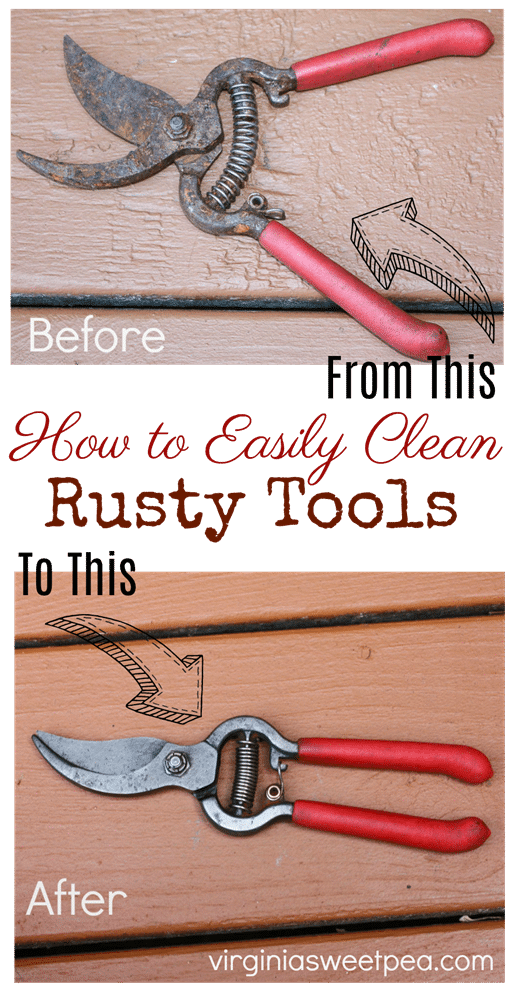
Credit: www.virginiasweetpea.com
Tackling Heavy Rust
Heavy rust on garden tools can make your work hard and damage the tools. It needs strong cleaning methods to remove the rust completely. Tackling heavy rust takes time and the right approach. Using natural acids or commercial removers can break down thick rust layers. After soaking, scrubbing helps restore the tool’s surface. Follow these steps to get your tools back in shape.
Soaking Tools In Vinegar
Place rusty tools in a container filled with white vinegar. Vinegar’s acid helps dissolve rust over several hours or overnight. Check the tools regularly to see the rust loosening. For very thick rust, leave the tools soaking for 24 hours. After soaking, the rust will be softer and easier to remove.
Using Citric Acid Or Commercial Removers
Citric acid is a natural option that works well against heavy rust. Mix citric acid powder with water to create a soaking solution. Dip the tools and leave them for a few hours. Commercial rust removers contain stronger chemicals to tackle tough rust. Follow the product instructions carefully for safe and effective use. Both methods help to break down rust fast.
Scrubbing And Rinsing Steps
After soaking, scrub the rusted areas with a wire brush or steel wool. Apply firm pressure to remove loosened rust. Rinse the tools thoroughly with clean water to wash away rust particles. Dry the tools completely to stop new rust from forming. For best results, apply a light coat of oil to protect the metal after cleaning.
Maintaining Rust-free Tools
Maintaining rust-free garden tools extends their life and improves performance. Rust weakens metal and makes tools harder to use. Simple habits prevent rust buildup and keep tools ready for work. Consistent care protects your investment and saves money over time.
Drying And Oiling Metal Parts
Always dry tools thoroughly after cleaning or use. Water left on metal causes rust quickly. Use a cloth to wipe all moisture from blades and handles. After drying, apply a thin layer of oil to metal parts. Use machine oil or vegetable oil to create a protective barrier. This prevents air and moisture from reaching the metal.
Proper Storage Tips
Store tools in a dry, sheltered place to avoid rust. Avoid leaving them outside or on damp ground. Use a toolbox, shed, or garage to keep tools safe. Hang tools on hooks to keep them off the floor. Good air circulation helps keep tools dry and rust-free.
Regular Cleaning Routines
Clean tools after every use to remove dirt and moisture. Use a brush or cloth to wipe off soil and plant residue. Rinse with water if needed, then dry completely. Check tools for any signs of rust regularly. Early removal of rust prevents it from spreading and damaging the tool.

Credit: www.youtube.com
Additional Tips And Tricks
Cleaning rust off garden tools can be simple with the right methods. Some extra tips and tricks make the process easier and keep your tools rust-free longer. These ideas use natural items and protective coatings to protect your tools.
Using Potatoes And Other Natural Remedies
Potatoes contain oxalic acid, which helps remove rust gently. Cut a potato in half and rub it on the rusty spots. Let it sit for a few minutes, then scrub with a brush.
Lemon juice and baking soda also work well. Mix lemon juice with baking soda to form a paste. Apply it to the rust and scrub after 10 minutes. These natural remedies are safe and eco-friendly.
Preventing Rust With Protective Coatings
After cleaning, protect your tools to stop rust from coming back. Apply a thin layer of vegetable oil or mineral oil on metal parts. This forms a barrier against moisture.
Store tools in a dry place. Using silica gel packs inside your tool storage helps absorb moisture. Regularly oil your tools, especially after use, to keep rust away longer.
Frequently Asked Questions
What Is The Best Way To Remove Rust From Garden Tools?
Scrub garden tools with steel wool or a wire brush to remove rust. Apply vinegar or a Dawn-vinegar paste for stubborn rust. Rinse and dry tools thoroughly to prevent further rusting. Regular cleaning keeps tools rust-free and ready for use.
Will Wd-40 Remove Rust From Tools?
WD-40 loosens rust and protects metal but does not fully remove rust. Use scrubbing tools and rust removers for cleaning.
Will Dawn Dish Soap Remove Rust?
Dawn dish soap helps remove light rust by cutting grease and lifting rust when scrubbed with pads. For heavy rust, combine it with vinegar or use stronger removers. Dawn works best as a cleaning agent before applying stronger rust treatments.
How To Get Rust Off Garden Tools Without Vinegar?
Scrub rust using steel wool, wire brush, or sandpaper. Apply baking soda paste or lemon juice. Rinse and dry tools thoroughly.
Conclusion
Cleaning rust off garden tools takes some effort but pays off well. Use simple materials like vinegar, steel wool, and dish soap to remove rust. Regular cleaning keeps tools sharp and lasting longer. Dry tools thoroughly after washing to stop rust from returning.
Proper care saves money and makes gardening easier. Keep your tools ready for every season with these easy steps. Rust-free tools help plants grow strong and healthy. Try these tips today and enjoy a cleaner, safer garden.