
You’ve planted your flower bulbs with care, dreaming of vibrant blooms brightening your garden. But what if fungus sneaks in and ruins all your hard work before your flowers even get a chance to grow?
Protecting your bulbs from fungal attacks isn’t just about luck—it’s about knowing the right steps to keep them healthy and strong. You’ll discover simple, effective ways to prevent fungus from attacking your flower bulbs so you can enjoy a flourishing garden season after season.
Ready to save your bulbs and grow beautiful flowers? Let’s dive in.
Credit: www.gardeningknowhow.com
Common Fungus Threats
Flower bulbs are vulnerable to various fungal infections. These fungi can cause serious damage and ruin your plants before they even bloom. Knowing the common fungus threats helps protect your bulbs effectively. Early detection and proper care reduce the risk of infection and keep your garden healthy.
Types Affecting Bulbs
Several fungi attack flower bulbs. Fusarium is a common one that causes bulb rot and wilting. Penicillium molds grow on bulbs stored in damp places. Botrytis, also called gray mold, infects bulbs in wet weather. Rhizoctonia attacks roots and can kill young shoots. Each fungus thrives under specific conditions like excess moisture or poor air flow.
Signs Of Infection
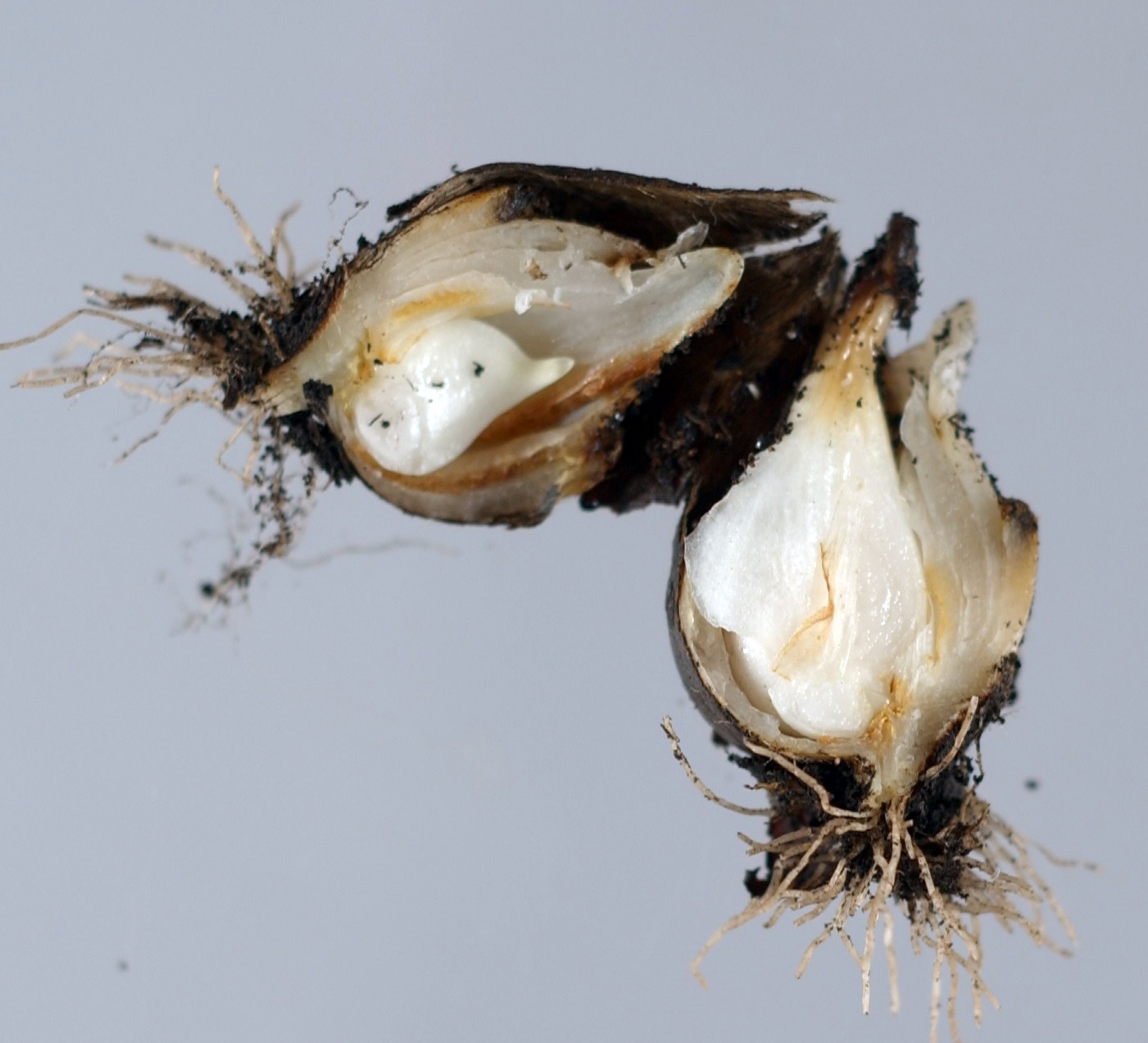
Look for soft, mushy spots on bulbs. Discolored patches or black streaks also indicate fungus. Bulbs may feel slimy or emit a foul smell. Above ground, leaves yellow and wilt quickly. Stunted growth and poor flowering also signal trouble. Catching these signs early allows quick treatment and saves your bulbs.

Credit: www.planetnatural.com
Bulb Selection Tips
Selecting the right flower bulbs is crucial to prevent fungus problems. Healthy bulbs resist diseases better and grow strong plants. Picking the best bulbs starts with knowing what to check for. Careful selection helps keep your garden vibrant and fungus-free.
Choosing Healthy Bulbs
Pick bulbs that feel firm and heavy for their size. Avoid bulbs that look dry or shriveled. Healthy bulbs have smooth, unbroken skin without soft spots. Choose bulbs with no signs of mold or discoloration. Look for bulbs with visible roots or shoots as signs of vitality.
Avoiding Damaged Stock
Reject bulbs with cuts, bruises, or cracks. Damaged bulbs invite fungal infections and rot quickly. Check for any slimy or wet areas on the bulb surface. Avoid bulbs with a bad smell, which signals decay. Handle bulbs gently to prevent creating wounds that fungi can enter.
Proper Planting Techniques
Proper planting techniques play a key role in stopping fungus from harming your flower bulbs. Planting bulbs right sets a strong foundation for healthy growth. This reduces the chance of fungal infections. Careful handling and correct planting help keep bulbs dry and well-ventilated. These conditions are less friendly to fungi.
Soil Preparation
Choose well-drained soil for planting flower bulbs. Poor drainage lets water collect, which encourages fungus growth. Before planting, loosen the soil to improve air flow. Mix in organic matter like compost to boost soil health. This helps the soil hold nutrients and drain well. Avoid heavy clay soils that stay wet. Good soil preparation gives bulbs the best start and lowers fungal risks.
Planting Depth And Spacing
Plant bulbs at the right depth to protect them from rot. A general rule is to plant bulbs two to three times as deep as their height. Too shallow planting exposes bulbs to temperature changes and fungus. Too deep planting can cause poor growth. Leave enough space between bulbs to improve air circulation. Crowded bulbs trap moisture, which helps fungus grow. Proper depth and spacing keep bulbs healthy and safe from fungal attacks.
Soil And Drainage Care
Soil and drainage care plays a key role in stopping fungus from harming your flower bulbs. Fungus thrives in wet, poorly drained soil. Maintaining the right soil conditions keeps your bulbs healthy and strong. Proper drainage prevents water from sitting around bulbs. This reduces the chance of rot and fungal infections. Let’s explore ways to improve drainage and amend soil for better bulb protection.
Improving Drainage
Good drainage helps water flow away from bulbs quickly. Avoid planting bulbs in low spots or heavy clay soil. Raised beds or mounds work well to lift bulbs above wet areas. You can add coarse sand or small gravel to the planting area. These materials create gaps in the soil for water to pass through. Installing drainage pipes or channels can also help in very wet spots. Keep soil loose and crumbly to allow air and water movement. Avoid compacting soil around bulbs during planting.
Soil Amendments
Adding organic matter improves soil texture and fertility. Compost, peat moss, or well-rotted manure enrich the soil and boost drainage. These amendments increase beneficial microbes that fight harmful fungi. Mix organic matter into the soil before planting bulbs. It also helps retain moisture without causing sogginess. Avoid fresh manure as it may burn bulbs or introduce pathogens. Test soil pH and adjust if needed. Most bulbs prefer slightly acidic to neutral soil for best growth.
Fungicide Applications
Fungicide applications play a crucial role in protecting your flower bulbs from fungal infections. These products help stop fungus from growing and spreading. Applying fungicides correctly can keep your bulbs healthy and vibrant. The timing and type of fungicide matter a lot. Choosing the right product ensures better protection and less damage to plants.
Preventative Sprays
Preventative sprays act before fungi infect your bulbs. Use them at planting time and during wet weather. These sprays create a protective barrier on the bulb surface. Choose fungicides labeled safe for bulbs and follow instructions. Spray evenly to cover all bulb parts. Repeat applications may be needed for long-lasting protection. Preventative sprays reduce the chance of rot and mold.
Safe Usage Guidelines
Always read the product label before use. Wear gloves and protective clothing to avoid skin contact. Use the recommended amount; more is not better. Apply fungicides in calm weather to prevent drift. Store fungicides in a cool, dry place away from children. Dispose of empty containers properly. Follow re-entry times to protect yourself after spraying.
Storage Practices
Proper storage practices are vital to stop fungus from harming your flower bulbs. Fungus thrives in damp, warm places. Bulbs stored incorrectly can quickly develop mold and rot. Following the right steps keeps bulbs healthy and ready for planting.
Drying Bulbs Before Storage
Drying bulbs before storage removes excess moisture. Wet bulbs invite fungal growth and decay. After digging up bulbs, let them air dry in a shaded, dry spot. Avoid direct sunlight, which can damage the bulbs. Wait until the outer skin feels papery and dry. This step strengthens bulbs and reduces the chance of fungus.
Cool And Ventilated Storage
Store bulbs in a cool, ventilated area to prevent mold. Ideal temperatures range from 40°F to 50°F (4°C to 10°C). Avoid warm or humid spots like basements or attics without airflow. Use breathable containers such as mesh bags, paper bags, or wooden crates. Good air circulation stops moisture buildup and keeps bulbs fresh. Check bulbs regularly for softness or mold during storage.
Watering Strategies
Proper watering is key to keeping flower bulbs healthy and fungus-free. Too much water creates damp conditions, perfect for fungus growth. Too little water stresses bulbs, making them vulnerable to disease. Adjust watering to balance moisture and air circulation. This helps bulbs grow strong and resist fungal attacks.
Avoiding Overwatering
Overwatering is the main cause of fungal problems in bulbs. Water only when the top inch of soil feels dry. Use well-draining soil to prevent water from pooling. Avoid watering late in the day to let soil dry overnight. Standing water around bulbs invites rot and fungus. Check soil moisture regularly and water moderately to keep bulbs safe.
Water Timing Tips
Water bulbs early in the morning for best results. Morning watering gives leaves and soil time to dry during the day. This reduces the chance of fungal spores growing. Avoid watering in the evening or at night when moisture stays longer. Consistent watering schedules help bulbs adapt and stay healthy. Remember, less frequent deep watering beats frequent shallow watering for root strength.
Credit: pnwhandbooks.org
Bulb Inspection And Maintenance
Proper inspection and maintenance of flower bulbs play a key role in preventing fungal infections. Regular care helps spot problems early and keeps bulbs healthy. Healthy bulbs produce strong, vibrant flowers that enhance your garden’s beauty. Simple steps like checking bulbs and removing infected ones reduce fungus risks significantly.
Regular Checks
Inspect bulbs regularly during planting and storage. Look for soft spots, discoloration, or mold growth. Healthy bulbs feel firm and dry. Use a bright light or magnifier to see small signs of fungus. Early detection stops fungus from spreading. Keep bulbs in a dry, cool place to avoid moisture buildup. Check bulbs every few weeks for any changes.
Removing Infected Bulbs
Remove any bulbs showing signs of infection immediately. Infected bulbs can spread fungus to healthy ones. Use clean tools or wear gloves to avoid contamination. Dispose of infected bulbs far from your garden. Do not compost them as fungus can survive. Removing bad bulbs protects the rest and keeps your garden safe. Always clean your storage area after removal.
Natural Prevention Methods
Preventing fungus from attacking your flower bulbs can be done naturally. Using natural methods helps protect your plants without harmful chemicals. These methods improve soil health and keep bulbs strong. Natural prevention focuses on creating a healthy environment where fungi cannot thrive.
Beneficial Microorganisms
Beneficial microorganisms fight harmful fungi in the soil. These good bacteria and fungi protect bulbs by competing for space and nutrients. They create a natural barrier that stops fungus from growing. Adding compost or organic matter introduces these helpful microbes. This improves soil structure and boosts bulb health.
Using products with mycorrhizal fungi can increase bulb resistance. These fungi form partnerships with bulb roots. They help bulbs absorb water and nutrients better. Stronger bulbs resist fungal infections more easily. Beneficial microorganisms keep the soil lively and balanced.
Organic Treatments
Organic treatments provide safe ways to prevent bulb fungus. Neem oil is a popular natural fungicide. Spraying neem oil on bulbs and soil stops fungal spores. It also repels pests that can spread fungus.
Another organic option is baking soda spray. Mixing baking soda with water creates a mild antifungal solution. Apply it to bulbs and surrounding soil to reduce fungus risk. Garlic and chamomile tea sprays also help fight fungal growth. These treatments are gentle and eco-friendly.
Using organic mulch around bulbs improves moisture control. It prevents water from staying on bulbs too long. Dry bulbs are less likely to get fungal diseases. Organic treatments support bulb health without harsh chemicals.
Protecting Against Pests
Pests can harm flower bulbs and invite fungal infections. Protecting bulbs from these pests helps keep fungus away. Using safe and effective methods stops pests from damaging bulbs. Healthy bulbs resist fungus better and grow strong flowers.
Physical Barriers
Physical barriers block pests from reaching bulbs. Use wire mesh or garden netting to cover bulb beds. Choose mesh with small holes to stop small animals. Bury mesh deep to prevent animals from digging under. Barriers also keep soil and moisture controlled around bulbs.
Repellents For Animals
Repellents discourage pests like rabbits, deer, and squirrels. Use natural sprays made from garlic, chili, or soap solutions. Apply repellents regularly, especially after rain. Some gardeners use commercial animal repellents safely. Repellents reduce pest visits and protect bulbs from damage.
Frequently Asked Questions
How To Keep Bulbs From Being Eaten?
Use deer and rabbit repellents like Liquid Fence; plant bulbs deeper to deter squirrels; protect bulbs with half-inch mesh cages against moles and voles.
What Fungicide Can I Apply To Bulbs Before Storing?
Apply a broad-spectrum fungicide like Captan or Thiram to bulbs before storing. This prevents fungal decay and mold growth. Ensure bulbs are dry and clean before treatment. Follow product instructions for safe and effective application. Store bulbs in a cool, dry place after fungicide application.
What Kills Fungus Completely?
Prescription oral antifungals like terbinafine and itraconazole kill fungus completely. Topical creams help mild cases. Laser therapy and nail removal assist persistent infections. Consistent treatment and prevention improve results.
Why Do My Plants Keep Getting Fungal Infections?
Plants get fungal infections due to excess moisture, poor air circulation, and contaminated soil or tools. Avoid overwatering and improve airflow.
Conclusion
Preventing fungus from attacking flower bulbs keeps plants healthy and vibrant. Clean bulbs before planting and use well-drained soil. Avoid overwatering to reduce moisture that fungi love. Rotate planting spots each year to stop fungus buildup. Treat bulbs with fungicide if needed to protect them.
Regular garden care helps bulbs grow strong and resist disease. These simple steps save your flowers from fungal damage. Healthy bulbs mean beautiful blooms every season.