
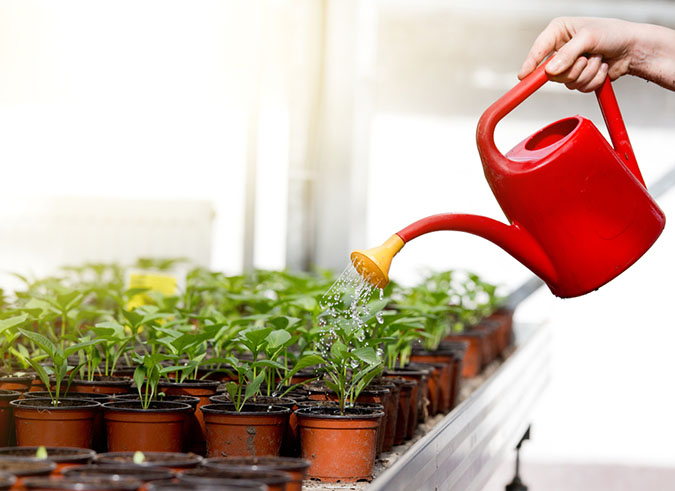
Are you looking to give your potted plants a boost and keep them healthy all year round? Applying liquid fertilizer is one of the easiest and most effective ways to do just that.
But if you’re unsure how much to use or when to apply it, you might be missing out on helping your plants thrive. You’ll discover simple, step-by-step tips to feed your potted plants the right way. By the end, you’ll feel confident turning your containers into lush, vibrant green spaces that brighten up your home or garden.
Keep reading to unlock the secret to happy, healthy plants!
Credit: thegrownetwork.com
Choosing The Right Liquid Fertilizer
Choosing the right liquid fertilizer is key to keeping potted plants healthy and thriving. Not all fertilizers work the same. Each plant type and pot size has unique needs. Understanding the types of fertilizers and the nutrients your plants require helps you pick the best option. This ensures your plants get the right food to grow strong and green.
Types Of Liquid Fertilizers
Liquid fertilizers come in many forms. Some dissolve quickly in water for fast feeding. Others release nutrients slowly over time. Common types include balanced fertilizers with equal nutrients, high-nitrogen for leaf growth, and bloom boosters for flowers. Choose a type based on what your plants need most.
Nutrient Needs For Potted Plants
Potted plants need a mix of nutrients to stay healthy. Nitrogen supports leaves and stems. Phosphorus helps roots and flowers grow. Potassium strengthens the plant’s overall health. Small pots dry out fast and lose nutrients quickly. Regular feeding with the right nutrients keeps plants happy and growing.
Organic Vs Synthetic Options
Organic liquid fertilizers come from natural sources like compost or seaweed. They improve soil health and release nutrients slowly. Synthetic fertilizers are made in labs and give nutrients quickly. Both types have pros and cons. Choose organic for steady growth and soil health. Use synthetic for fast results and specific nutrient needs.
Preparing Liquid Fertilizer Solutions
Preparing liquid fertilizer solutions is a key step for healthy potted plants. It ensures the plants get the right nutrients in the right amount. Proper preparation helps avoid overfeeding or underfeeding.
Taking time to prepare the solution correctly makes a big difference. It helps the fertilizer work well and keeps plants safe.
Correct Dilution Ratios
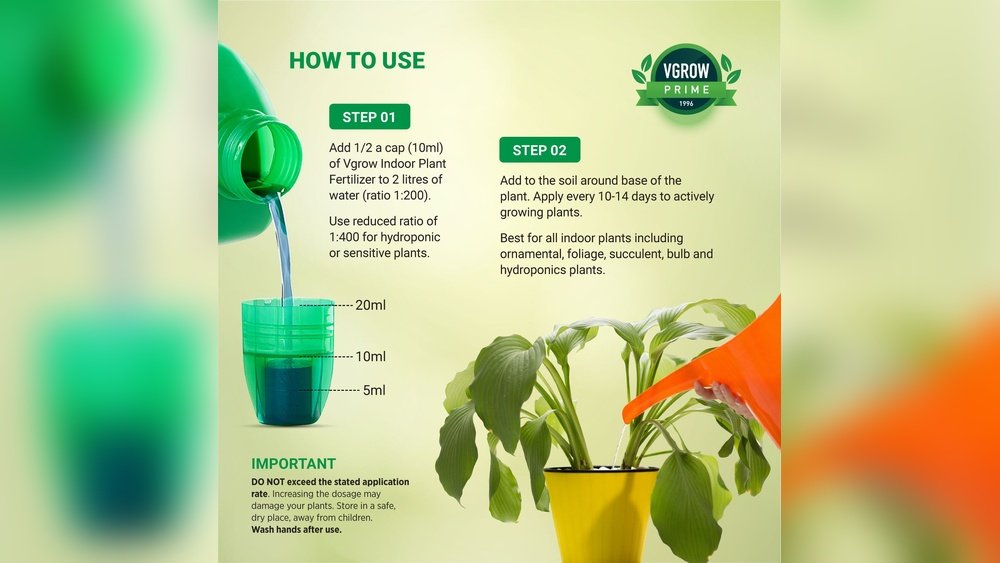
Follow the label instructions for dilution. Most fertilizers need to be mixed with water. Use a measuring cup or spoon for accuracy. Too much fertilizer can burn the roots. Too little might not feed the plant enough. Stick to the recommended ratio for best results.
Mixing Tips For Even Distribution
Pour fertilizer concentrate into water, not the other way around. Stir well to mix thoroughly. Use a clean stick or spoon for stirring. Make sure no clumps remain. Even mixing allows nutrients to spread evenly. This helps every part of the soil get fed.
Storage And Shelf Life
Store leftover fertilizer in a cool, dark place. Keep the container tightly closed. Avoid exposure to sunlight and heat. Check the expiration date before use. Most liquid fertilizers last several months if stored properly. Discard old or cloudy solutions to protect plants.
Timing Your Fertilizer Application
Timing plays a key role in applying liquid fertilizer to potted plants. Fertilizing at the right moment helps plants absorb nutrients better. It also prevents overfeeding, which can harm roots. Knowing the best seasons, how often to feed, and signs your plant needs food keeps your plants healthy and growing strong.
Best Seasons For Feeding
Spring and summer are the best seasons to feed potted plants. During these months, plants grow actively and need more nutrients. Avoid feeding in winter when many plants rest. Fall can be a time to reduce feeding as growth slows down. Adjust feeding times based on the type of plant and its growth cycle.
Frequency Guidelines
Most potted plants benefit from feeding every two to four weeks. Use a diluted liquid fertilizer to avoid burning the roots. Check the fertilizer label for specific instructions. Overfeeding can cause leaf burn and weak roots. Less frequent feeding is better than too much fertilizer.
Signs Your Plant Needs Feeding
Yellowing leaves can indicate a lack of nutrients. Slow or stunted growth is another sign. Leaves may turn pale or drop off. If your plant looks tired or dull, it likely needs feeding. Watch your plant closely to catch these signs early and feed it properly.

Credit: www.walmart.com
Applying Liquid Fertilizer Safely
Applying liquid fertilizer safely is key to healthy potted plants. It helps plants get nutrients without harm. Proper methods avoid common problems like root burn or overwatering. Safe application keeps plants strong and growing well.
Using The Right Tools
Choose tools that fit your plant size. Use a watering can with a narrow spout for control. A spray bottle works for small doses. Avoid large containers that pour too fast. Proper tools help apply fertilizer evenly and gently.
Avoiding Overwatering And Root Damage
Do not pour too much liquid at once. Excess water can drown roots and cause rot. Wait for the soil to dry slightly before next feeding. Use small amounts often instead of one big dose. This protects roots and keeps soil healthy.
Targeting Soil Vs Foliage
Apply liquid fertilizer directly to the soil around roots. Roots absorb nutrients best from soil. Avoid spraying fertilizer on leaves unless label says so. Some fertilizers can burn leaves if used on foliage. Focus on soil feeding for safer, better results.
Monitoring Plant Response
Monitoring plant response after applying liquid fertilizer is key for healthy growth. Plants show changes quickly, so watch them every day. Careful observation helps you know if the fertilizer works well. It also shows if the plant needs a different care approach.
Identifying Improvement Signs
Look for new leaves that are bright green and strong. Stems should grow taller and thicker. Flowers or buds appear more often. Leaves stay fresh without spots or yellowing. The plant looks fuller and more lively overall. These signs mean the fertilizer is helping the plant.
Troubleshooting Common Issues
Yellow leaves or brown tips signal too much fertilizer. Wilting leaves or slow growth mean the plant may be stressed. Check if the soil is too wet or dry. Look for pests or disease that might harm growth. Stop feeding for a few days if problems appear. Use less fertilizer next time to avoid damage.
Adjusting Fertilizer Practices
Change the amount of fertilizer based on plant needs. Use weaker solutions if leaves burn or yellow. Feed plants less often during cooler months. Water plants well before and after feeding. Keep notes on plant response to improve care. Adjust feeding schedules to match plant growth stages.
Special Tips For Different Plant Types
Different plants need different care when using liquid fertilizer. Knowing these needs helps plants stay healthy and grow well. Some plants need more nutrients, while others need less. Following simple tips for each plant type makes feeding easier and safer.
Flowering Plants
Flowering plants need fertilizer that helps blooms grow bright and strong. Use a liquid fertilizer with more phosphorus. Apply it every two weeks during the growing season. Avoid overfeeding to stop leaf burn. Water the soil first, then apply fertilizer. This helps roots absorb nutrients better.
Succulents And Cacti
Succulents and cacti need less fertilizer than other plants. Use a diluted liquid fertilizer with low nitrogen. Feed them once a month during spring and summer only. Avoid fertilizing in winter, when they rest. Too much fertilizer can cause soft leaves or rot.
Herbs And Edibles
Herbs and edible plants need balanced nutrients for healthy leaves and fruits. Choose a liquid fertilizer with equal nitrogen, phosphorus, and potassium. Feed every one to two weeks while plants grow actively. Apply fertilizer to the soil, not the leaves. This keeps edible parts safe and tasty.

Credit: www.amazon.com
Frequently Asked Questions
How Often Should I Apply Liquid Fertilizer To Potted Plants?
Apply liquid fertilizer every 2 to 4 weeks during the growing season. Avoid over-fertilizing to prevent root burn and nutrient imbalance.
Can I Use Liquid Fertilizer On All Types Of Potted Plants?
Most potted plants benefit from liquid fertilizer, but check specific plant needs. Some plants require specialized formulas for best growth results.
What Is The Best Time To Apply Liquid Fertilizer?
Apply liquid fertilizer in the morning or early evening when temperatures are cooler. This helps prevent leaf burn and improves nutrient absorption.
How Much Liquid Fertilizer Should I Use Per Plant?
Follow the product’s instructions carefully, usually 1-2 teaspoons per gallon of water. Overuse can harm plants, so measure accurately for safe feeding.
Conclusion
Applying liquid fertilizer to potted plants helps them grow healthy and strong. Use the right amount and follow the instructions carefully. Water the plants before feeding to avoid root burn. Feed plants regularly but not too often. Watch how your plants respond and adjust as needed.
Simple steps can make a big difference in plant care. Keep your plants happy with proper feeding and attention. Enjoy watching your potted plants thrive and bloom beautifully.