
Ready to give your lawn a fresh, neat look but not sure how to handle a string trimmer? You’re not alone.
Using a string trimmer for the first time can feel tricky, but with the right approach, you’ll master it quickly and safely. Imagine effortlessly trimming those hard-to-reach spots and edges, turning your yard into the envy of the neighborhood. In this guide, you’ll discover simple, clear steps that make using a string trimmer easy and even enjoyable.
Stick with me, and by the end, you’ll have the confidence to tackle your lawn like a pro!
Choosing The Right String Trimmer
Choosing the right string trimmer sets the stage for an easy and effective trimming job. It helps to pick a tool that fits your yard size, your strength, and your budget. Understanding the types and features can make your first use safer and more enjoyable.
Types Of String Trimmers
There are two main types of string trimmers: straight shaft and curved shaft. Straight shaft trimmers have a long, straight pole. They work well for large areas and tall grass. Curved shaft trimmers have a bent pole. They are lighter and better for small yards and edging.
Gas Vs Electric Models
Gas trimmers are powerful and good for big jobs. They run on fuel and can be noisy. Electric trimmers come in corded and cordless versions. Corded models need to be near an outlet. Cordless ones run on batteries and are quieter. Electric trimmers are lighter and easier to start.
Essential Features To Consider
Look for adjustable handles and shaft length for comfort. Automatic line feed helps to keep the string at the right length. A guard protects you from flying debris. Check the weight of the trimmer to avoid fatigue. Balance between power and ease of use is key.
Credit: www.homedepot.com
Preparing The Trimmer
Preparing your string trimmer before use is essential for safe and efficient trimming. Proper setup helps avoid damage and ensures smooth operation. Follow these simple steps to get your trimmer ready.
Assembling The Trimmer
Start by unpacking all parts and checking the manual. Attach the shaft and handle firmly. Make sure all screws and bolts are tight. A loose trimmer can be dangerous and hard to control.
Connect the guard to protect yourself from flying debris. Position the guard so it covers the cutting line. This will help keep you safe during use.
Installing The String Line
Remove the spool cover on the trimmer head. Take the recommended string line size for your model. Cut a length of string, usually around 10 to 15 feet.
Insert the string into the spool and wind it evenly. Avoid overlapping or tangling the line. Secure the ends in the notches to keep them tight.
Replace the spool cover and test if the string feeds out properly. Proper installation ensures effective trimming and prevents breakage.
Checking Fuel And Battery
For gas trimmers, fill the tank with the correct fuel mix. Use fresh gasoline mixed with oil if required. Avoid overfilling to prevent spills.
For electric or battery trimmers, fully charge the battery before use. Check the battery fits securely in the trimmer. A full charge ensures longer trimming sessions.
Inspect the fuel lines or battery connections for damage. Clean and tighten any loose parts. This step helps your trimmer start quickly and run smoothly.
Safety Precautions
Using a string trimmer for the first time requires careful attention to safety. The tool spins at high speeds and can cause injuries without proper precautions. Taking steps to protect yourself and others ensures a safe trimming experience. Follow these safety tips before starting your work.
Wearing Protective Gear
Always wear safety glasses to protect your eyes from flying debris. Use ear protection to reduce noise damage. Wear long pants and closed-toe shoes to guard your legs and feet. Gloves help improve grip and protect your hands. Dress appropriately to avoid cuts and scrapes.
Clearing The Work Area
Remove stones, sticks, and other objects from the trimming zone. These items can become dangerous projectiles when hit by the trimmer. Check for pets and children nearby and keep them at a safe distance. Clear the area to prevent accidents and damage to property.
Handling The Trimmer Safely
Hold the trimmer firmly with both hands for better control. Keep the cutting head away from your body and feet. Start the trimmer on a flat surface, not in mid-air. Avoid wearing loose clothing that can get caught in the machine. Turn off the trimmer before making adjustments or cleaning.

Credit: www.coldclimategardening.com
Starting The Trimmer
Starting the string trimmer is the first step to a neat and tidy yard. Knowing how to power it on safely makes the job easier. Different trimmers have different ways to start. Follow these simple steps to get your trimmer running quickly.
Starting Gas Models
Check the fuel tank for enough gas and oil mix. Turn on the fuel valve. Set the choke to the “closed” or “start” position. Hold the trimmer firmly on the ground. Pull the starter rope quickly until the engine fires. Move the choke to “open” once the engine runs smoothly. Let the engine warm up before trimming.
Powering On Electric Models
Plug the trimmer into a power source or charge the battery fully. Hold the trimmer firmly with both hands. Press the power button or switch to turn it on. Some models need you to press a safety lock first. Keep the switch pressed to keep the trimmer running. Release the switch to stop the trimmer.
Troubleshooting Common Issues
The trimmer may fail to start due to old fuel or a clogged carburetor. Check the spark plug for dirt or damage. Make sure the battery is charged or the cord is connected. Clean the air filter regularly. If the trimmer stalls, check for line jams or blockages. Follow the manual for specific fixes.
Basic Trimming Techniques
Basic trimming techniques form the foundation of effective string trimmer use. They help you achieve clean edges and a tidy lawn. Learning these skills makes your trimming safer and more efficient. Practice each step slowly to build confidence and control.
Holding And Positioning
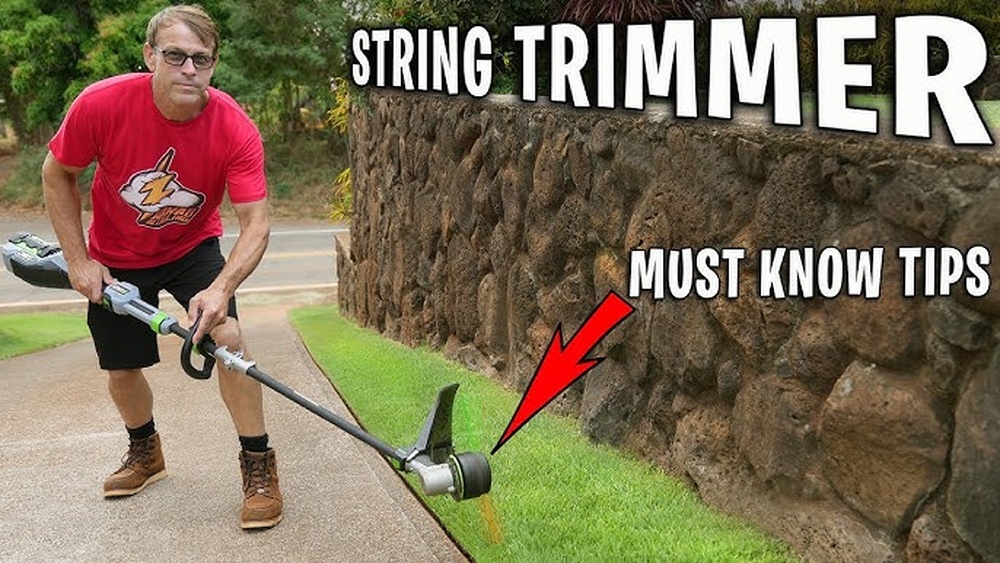
Hold the trimmer with both hands for balance. Keep one hand on the handle and the other on the shaft. Stand with feet shoulder-width apart. Position the trimmer head parallel to the ground. Keep your arms relaxed but firm. This stance reduces fatigue and improves accuracy.
Guiding The Cutting Head
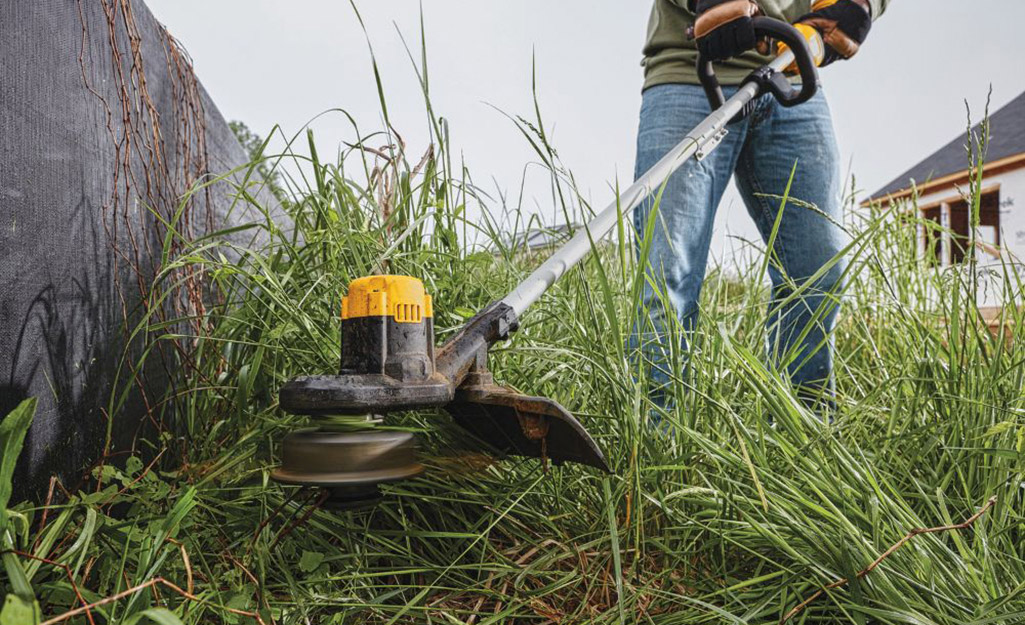
Move the cutting head smoothly over the grass. Sweep it side to side in a gentle arc. Avoid pushing the head too deep into the grass. Let the string do the cutting, not the motor. Keep the head at a consistent height to create even edges. This technique prevents damage to plants and surfaces.
Maintaining A Steady Pace
Trim at a slow, steady speed. Rushing can cause uneven cuts or missed spots. Take small steps as you move along. Pause briefly to check your work and adjust if needed. A steady pace reduces wear on the trimmer and helps you stay safe. Steady trimming results in a neat, professional look.
Edging And Detailing
Edging and detailing with a string trimmer give your lawn a neat, polished look. This step focuses on shaping the borders and cleaning up tight spots. Precision is key to enhance your yard’s appearance. Proper technique helps avoid mistakes and damage.
Creating Clean Edges
Hold the trimmer vertically along the edge of the lawn. Move the trimmer slowly and steadily to cut grass evenly. Keep a consistent height to avoid uneven lines. Small, controlled movements produce sharp, clean edges. Take breaks to check your progress and adjust as needed.
Trimming Around Obstacles
Approach obstacles like trees, flower beds, and fences carefully. Use a gentle, sweeping motion to trim grass close to these objects. Keep the trimmer head parallel to the surface. Avoid hitting the obstacles to prevent damage to both the trimmer and the object. Patience is important to handle tight areas well.
Avoiding Damage To Plants And Surfaces
Identify delicate plants near the trimming area before starting. Keep the trimmer line away from flowers and shrubs. Use a guard or shield on the trimmer if available. Avoid contact with hard surfaces like walls or sidewalks to prevent scratches. Slow and careful trimming protects your plants and property.
Managing String Length
Managing string length is key to using a string trimmer effectively and safely. The correct length keeps the trimmer cutting well and prevents damage. Too long or too short string can cause problems.
Keeping the right string length helps the trimmer work smoothly. It also protects the motor from strain and extends the tool’s life. Learning how to manage string length makes trimming easier and safer for beginners.
When To Replace The Line
Replace the line when it becomes too short or breaks often. A worn-out line won’t cut grass well. Check the line before each use to avoid interruptions. If the trimmer struggles or stops cutting, it’s time to add new line.
Adjusting String Length
Adjust the string length by tapping the trimmer head on the ground. This releases more line when needed. Do not let the string extend beyond the trimmer’s guard. Use the trimmer’s manual to find the correct length for your model. Proper string length improves cutting performance.
Avoiding Overloading The Trimmer
Do not use too long a string or thick line. This can overload the motor and cause it to stop. Overloading also wears out the line faster. Keep the string length within the recommended limit. This avoids damage and keeps the trimmer running smoothly.
Maintenance Tips
Proper maintenance keeps your string trimmer working well and lasting longer. Regular care prevents damage and ensures safe operation. Follow these simple steps after each use to keep your tool in top shape.
Cleaning After Use
Remove grass clippings and dirt from the trimmer head and shaft. Use a brush or cloth to wipe down all parts. Avoid water on the motor or engine. Clean the air vents to prevent overheating. Keeping the trimmer clean stops buildup that can cause problems.
Checking For Wear And Tear
Look over the cutting line and replace it if it is worn or broken. Inspect the guard and handle for cracks or damage. Check screws and bolts to make sure they are tight. Examine the spark plug for dirt or wear. Catching issues early helps avoid bigger repairs.
Storing The Trimmer Properly
Store the trimmer in a dry, sheltered place away from moisture. Hang it or place it on a rack to avoid damage. Remove the fuel if you will not use it for a long time. Store the battery separately if it is cordless. Proper storage protects your trimmer and keeps it ready for the next job.
Common Mistakes To Avoid
Using a string trimmer for the first time can be tricky. Avoiding common mistakes helps you work safely and efficiently. These errors can cause damage to the tool or harm to yourself. Keep these tips in mind for a smooth start with your trimmer.
Using Excessive Force
Pressing too hard on the trimmer head damages the line and motor. Let the tool do the work. Move it smoothly and steadily over grass and weeds. Pushing too hard can break the string or cause the engine to overheat. Use light, controlled motions for the best results.
Ignoring Safety Guards
The safety guard protects you from flying debris. Removing or ignoring it can lead to injuries. Always keep the guard in place while trimming. It also helps control the cutting area. Never try to trim without this important shield.
Neglecting Regular Maintenance
Cleaning and checking your trimmer keeps it running well. Remove grass clippings and dirt after each use. Check the string and replace it when worn out. Inspect the air filter and spark plug regularly. Proper maintenance saves money and extends tool life.

Credit: www.reddit.com
Frequently Asked Questions
How To Use String Trimmer For Beginners?
Hold the trimmer firmly, start it on a flat surface, and move slowly along edges. Keep the line straight and avoid cutting too deep. Wear safety gear and maintain a steady pace for best results.
How To Use A Trimmer For The First Time?
Charge the trimmer fully before use. Attach the correct guard and line. Hold it firmly and start at low speed. Trim slowly, moving side to side. Avoid digging the tip into surfaces. Clean after use and store safely.
Are You Supposed To Soak Trimmer String In Water?
No, soaking trimmer string in water is unnecessary. It does not improve performance or extend the string’s life. Keep the string dry for best results.
Why Do Landscapers Take The Guard Off String Trimmers?
Landscapers remove string trimmer guards for better visibility, easier access to tight spots, longer line use, and reduced weight. This improves precision and efficiency but increases safety risks and can damage the equipment.
Conclusion
Using a string trimmer for the first time can seem tricky. Start slow and keep your movements steady. Always wear safety gear to protect yourself. Practice on small areas before tackling bigger spots. With patience, you will get comfortable and improve.
Remember to maintain your trimmer for best results. Enjoy a neat and tidy lawn with ease. Keep these tips in mind, and trimming becomes simple.