
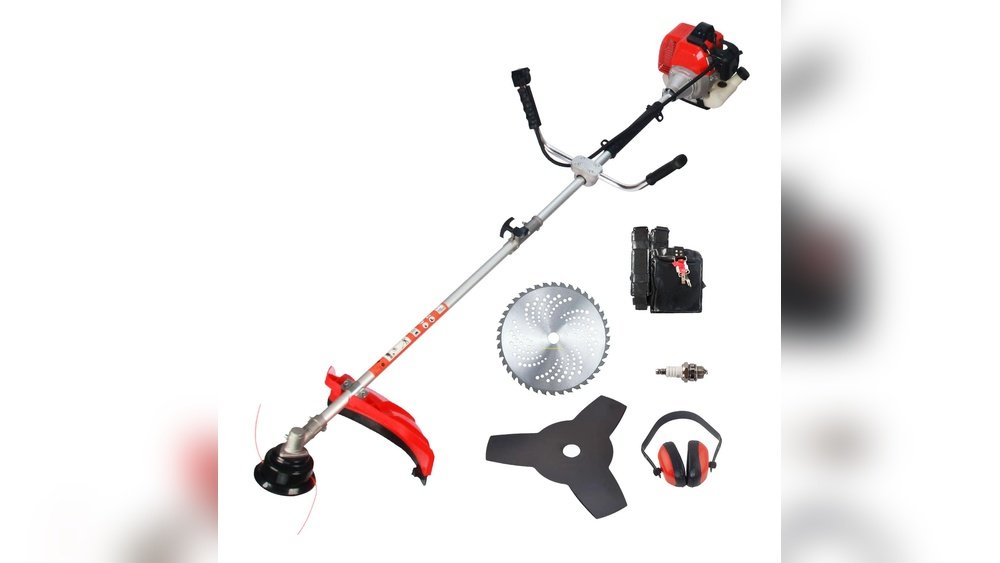
If your yard needs a fresh, clean look, mastering a gas-powered trimmer can make all the difference. You might wonder how to handle this powerful tool safely and effectively without wasting time or effort.
This guide will walk you through everything you need to know—from starting the engine to trimming edges like a pro. By the end, you’ll feel confident transforming your yard into the neat, beautiful space you want. Ready to get started and make your yard work easier?
Let’s dive in!

Credit: www.restaurant-mota.com
Choosing The Right Trimmer
Choosing the right trimmer is the first step to effective yard work. The right tool makes trimming faster and easier. It also helps you achieve a clean, neat finish. Consider the type of yard you have and the tasks you want to complete. Different trimmers fit different needs and environments.
Gas Vs Electric Models
Gas trimmers offer more power and longer run time. They work well in large yards or tough weeds. Electric trimmers are lighter and quieter. They need less maintenance and are good for small yards. Battery-powered models provide freedom of movement. Corded electric trimmers require a power source nearby.
Shaft Types And Their Uses
Trimmer shafts come in straight or curved designs. Straight shafts reach farther and work well in tall grass. They are easier to control for edging. Curved shafts are lighter and better for light trimming. They are good for small yards and close work. Choose a shaft based on comfort and yard size.
Selecting The Correct Trimmer Head
Trimmer heads hold the cutting line or blades. The most common type uses nylon string. It cuts grass and light weeds safely. Blade heads cut thicker brush and tougher plants. Some heads allow quick line replacement. Match the head to the type of vegetation you trim.
Safety Gear And Precautions
Using a gas-powered trimmer for yard work can make your tasks faster and easier. Safety is very important while operating this powerful tool. Wearing the right safety gear and following proper precautions reduces the risk of injury. This section covers the essential safety equipment and safe practices to follow. It also explains how to handle fuel carefully to avoid accidents.
Essential Protective Equipment
Always wear sturdy safety glasses to protect your eyes from flying debris. Use ear protection like earplugs or earmuffs to guard against loud noise. Wear long pants and a long-sleeve shirt to protect your skin from cuts and scratches. Gloves improve your grip and shield your hands. Choose closed-toe shoes or boots with good traction. A face shield can add extra protection for your face. Avoid loose clothing or jewelry that could get caught in the trimmer.
Safe Operating Practices
Read the trimmer’s manual before starting work. Clear the area of stones, sticks, and other objects that could fly up. Hold the trimmer firmly with both hands. Keep a steady stance to maintain balance. Do not operate the trimmer near people or pets. Always turn off the trimmer before making adjustments or cleaning. Avoid trimming in wet conditions to prevent slipping. Keep the cutting head away from your body and feet. Work slowly and carefully around plants and fences.
Handling Fuel Safely
Use fresh fuel and mix it correctly if your trimmer needs a gas-oil blend. Fill the tank outdoors or in a well-ventilated area. Avoid spilling fuel on the trimmer or the ground. Store fuel in an approved container, away from heat or sparks. Never smoke or use an open flame near fuel. Allow the engine to cool before refueling to prevent fire hazards. Clean up any fuel spills immediately. Dispose of old fuel safely according to local regulations.
Preparing The Trimmer
Preparing the gas-powered trimmer is essential before starting any yard work. Proper preparation ensures the trimmer runs smoothly and safely. It also helps avoid interruptions during trimming. Follow these simple steps to get your trimmer ready for use.
Fuel Mixing And Filling
Most gas trimmers need a fuel mix of gasoline and two-stroke oil. Check your trimmer’s manual for the correct ratio. Use fresh gasoline to avoid engine problems. Mix the gas and oil in a clean container. Shake the mixture well before filling the trimmer’s tank. Fill the tank slowly to prevent spills. Do not overfill to allow for fuel expansion.
Checking And Replacing Trimmer Line
Inspect the trimmer line before each use. The line should be strong and long enough to cut grass effectively. If the line is too short or worn out, replace it. Open the trimmer head and remove old line pieces. Cut a new length of line according to the manual. Wind the line tightly and evenly on the spool. Secure the line ends to avoid jams during operation.
Inspecting For Damage
Look over the trimmer for any visible damage. Check the handles, guard, and shaft for cracks or loose parts. Inspect the cutting head for wear or dents. Tighten all screws and bolts to keep parts secure. Replace any damaged components before use. A well-maintained trimmer runs better and keeps you safe.
Starting The Trimmer
Starting a gas-powered trimmer correctly ensures smooth operation and extends its life. Follow simple steps to get your trimmer ready for yard work. Proper startup helps avoid engine flooding and saves time.
Priming The Engine
Locate the primer bulb on the trimmer. It is usually a small, clear button near the carburetor. Press the primer bulb 3 to 5 times. This action pushes fuel into the carburetor. It makes starting easier, especially when the engine is cold.
Using The Choke And Throttle
Set the choke lever to the “closed” position to restrict air. This helps the engine start with a rich fuel mix. Hold the trimmer firmly on the ground. Pull the starter cord quickly until you hear the engine try to start. Move the choke to the “open” position when the engine fires. Use the throttle trigger to keep the engine running smoothly.
Troubleshooting Common Issues
If the engine does not start, check the fuel level first. Old or contaminated fuel can cause problems. Ensure the primer bulb is pressed enough times. A stuck choke can prevent ignition. Clean or replace the spark plug if the engine sputters. Clear any debris around the air filter for better airflow.
Trimming Techniques
Using a gas-powered trimmer well improves the look of your yard. Good trimming techniques help cut grass evenly and protect plants. They also make the job easier and safer. Below are key tips to handle your trimmer correctly and get clean results.
Holding And Positioning The Trimmer
Hold the trimmer firmly with both hands. Keep one hand on the throttle handle. Use the other hand to balance the front grip. Stand straight with feet shoulder-width apart. Keep the trimmer head near the ground but not touching it. Move the trimmer smoothly from side to side. Avoid forcing the trimmer into thick grass.
Cutting Around Edges And Obstacles
Trim carefully near sidewalks, flower beds, and trees. Use slow, controlled movements to avoid damage. Angle the trimmer head slightly away from plants. Keep a safe distance from hard surfaces to prevent wear. For obstacles, move around them slowly. Cut small sections at a time for better control.
Maintaining A Consistent Cutting Height
Set the cutting height before you start trimming. Keep the trimmer at the same level throughout the yard. Avoid cutting too low to protect grass roots. Check the height often to stay even. Use visual markers like the edge of your lawn mower path. Consistent height gives a neat, uniform look.
Trimming Specific Areas
Trimming specific areas with a gas-powered trimmer requires care and attention. Different parts of your yard need different techniques. Proper trimming keeps your garden neat and healthy. Use the right approach for garden beds, thick weeds, and delicate plants.
Edging Garden Beds
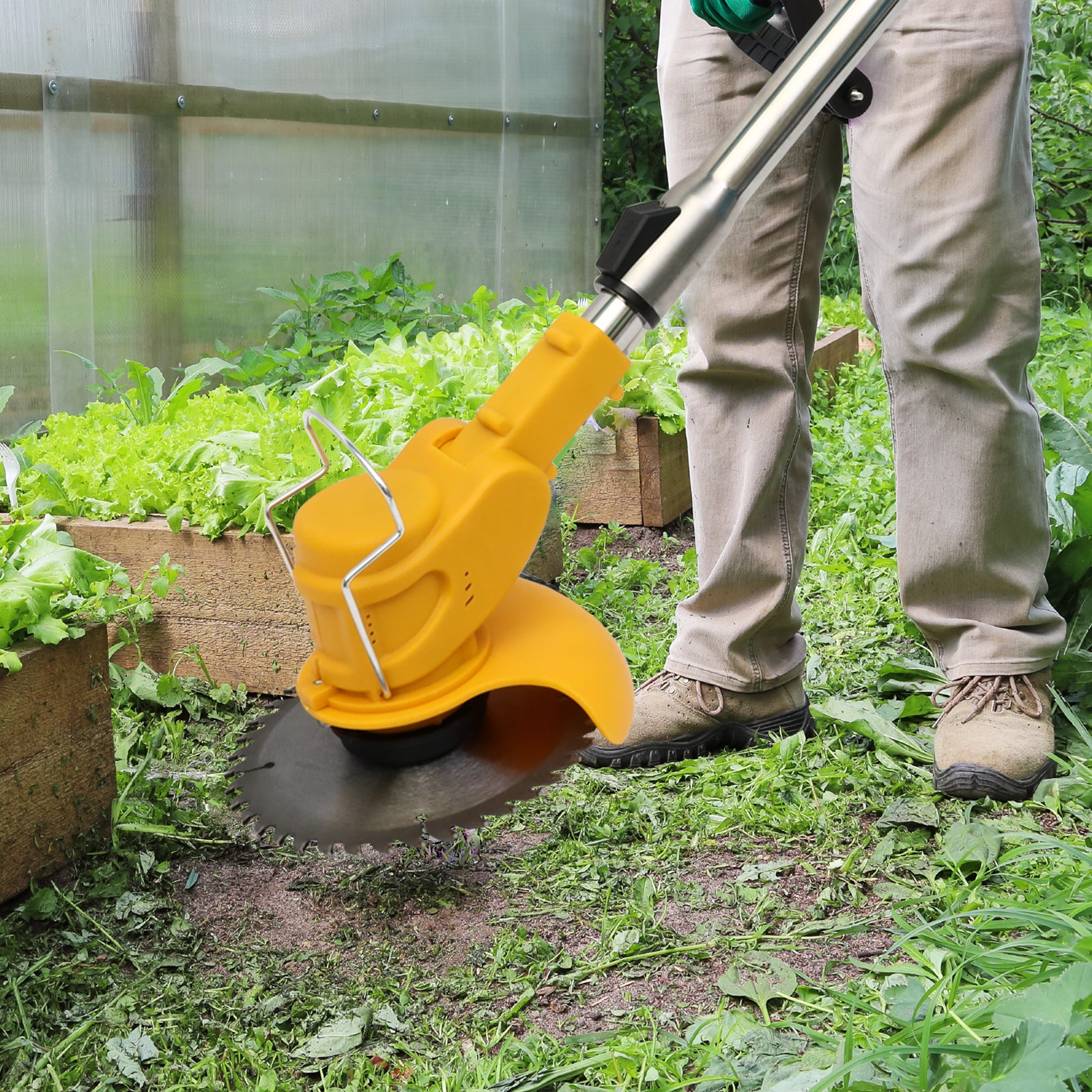
Hold the trimmer steady at the edge of the bed. Keep the cutting line vertical for a clean edge. Move slowly along the border to avoid cutting plants. Use gentle passes to shape the soil line. This creates a sharp, tidy edge that shows off your garden.
Clearing Thick Weeds
Use a stronger trimming line or blade for thick weeds. Cut weeds in small sections to control the trimmer better. Hold the trimmer at a slight angle to avoid damaging nearby grass. Work slowly and carefully for even clearing. This method clears tough weeds without harming your lawn.
Trimming Near Flowers And Delicate Plants
Lower the trimmer’s speed if it has that option. Keep a safe distance from flowers and delicate plants. Use a smaller cutting line for precision near blooms. Trim with short, light movements to avoid damage. This protects your plants while keeping the area neat.
Maintenance Tips
Proper maintenance keeps your gas-powered trimmer running smoothly. It extends the tool’s life and improves performance. Simple care steps prevent costly repairs and save time during yard work.
Follow these maintenance tips after each use and regularly for best results.
Cleaning After Use
Remove grass, dirt, and debris from the trimmer head and shaft. Use a brush or cloth to wipe off buildup. Clean the air filter by tapping it gently or replacing it if very dirty. Never use water to clean the engine area. Proper cleaning prevents clogs and overheating.
Replacing And Winding Line
Check the trimmer line often and replace it when short or broken. Remove the spool cap to access the line. Wind new line evenly and tightly around the spool. Follow the manufacturer’s instructions for correct line size and winding direction. Correct line replacement ensures efficient cutting and reduces jams.
Routine Engine Care
Use fresh fuel mixed correctly with two-stroke oil for your trimmer. Check the spark plug every month and clean or replace it if needed. Inspect the fuel filter and replace it if dirty. Always store the trimmer in a dry place. Regular engine care improves starting and power.

Credit: www.youtube.com
Troubleshooting Common Problems
Troubleshooting common problems with a gas-powered trimmer helps keep yard work smooth. Knowing simple fixes saves time and effort. It also extends the life of your tool. Below are common issues and easy solutions.
Engine Won’t Start
Check the fuel level first. Old or bad fuel can stop the engine. Replace with fresh gas mixed correctly with oil. Make sure the spark plug is clean and tight. Dirty plugs block ignition. Inspect the air filter for dirt or blockage. Clean or replace it as needed. Prime the engine by pressing the primer bulb several times. Pull the starter cord firmly and steadily. If the engine still won’t start, check the kill switch and throttle settings.
Line Feeding Issues
Line feeding problems often happen when the line is tangled or worn out. Remove the spool and rewind the line evenly. Use the correct size and type of line for your trimmer. Clear any debris from the spool and line housing. Make sure the bump feed mechanism is not jammed. If the line breaks too fast, avoid hitting hard surfaces like stones or fences. Replace the line regularly to maintain good performance.
Excessive Vibration Or Noise
Excessive vibration may indicate loose parts or damage. Check that all screws and bolts are tight. Inspect the cutting head for cracks or wear. Replace damaged parts immediately. Noise can come from an unbalanced or worn trimmer line. Trim the line evenly and replace it if needed. Also, clean the trimmer after use to prevent dirt build-up that increases noise and vibration. Regular maintenance keeps the trimmer running smoothly.
Credit: eckharttolle.com
Frequently Asked Questions
How To Use A Gas Grass Trimmer?
Start the gas trimmer by priming and choking the engine. Hold it upright and guide the cutting head along edges. Move slowly to trim grass evenly. Avoid hitting hard surfaces or plants. Always wear safety gear and clean the head after use.
How To Use A Strimmer For Beginners On A Lawn?
Hold the strimmer upright and wear safety gear. Walk slowly along edges, keeping the string vertical. Trim grass evenly, avoiding flowers. Clean the cutting head after use. Practice smooth, steady movements for best results.
How To Use A Trimmer For Beginners?
Hold the trimmer upright and wear safety gear. Start slowly, guiding the string near grass edges. Move steadily, avoiding thick chunks. Clean the head after use. Practice trimming small areas to build confidence.
How To Use String Trimmer For Beginners?
Hold the trimmer upright with the string vertical. Walk slowly, trimming grass edges evenly. Avoid cutting too deeply at once. Wear safety gear and clear debris before starting. Maintain a steady pace for a clean, neat finish.
Conclusion
Using a gas-powered trimmer makes yard work easier and faster. Always follow safety steps to avoid accidents. Keep the trimmer clean for better performance. Take your time trimming to get neat edges. Practice often to feel comfortable handling the tool.
With patience, your yard will look well-maintained and tidy. Enjoy the process and the results of your hard work.