
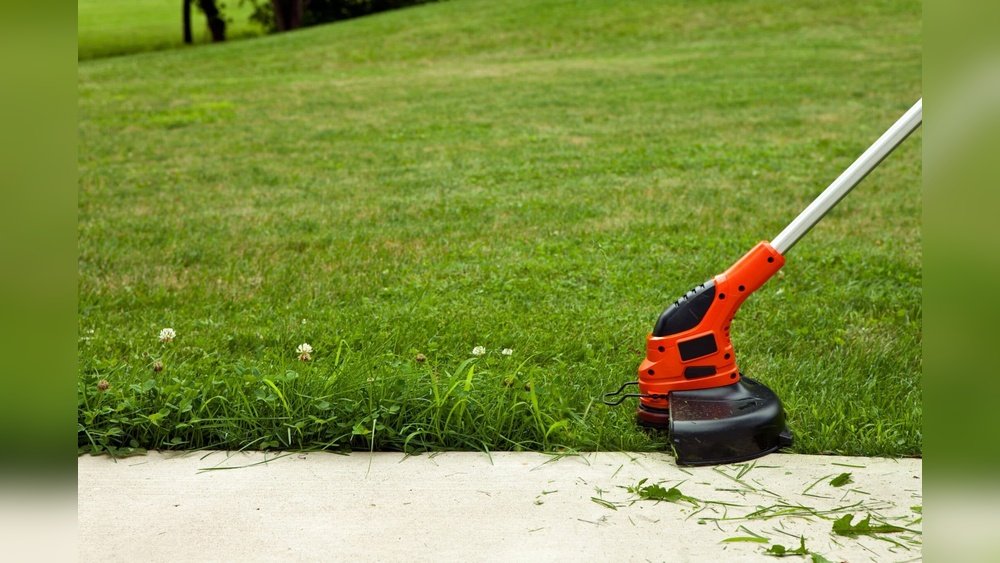
Trimming along sidewalks might seem simple, but using the right trimmer can make all the difference in achieving a clean, professional look. You want a tool that’s easy to handle, powerful enough to cut through tough grass, and precise enough to keep edges neat.
Choosing the best trimmer for sidewalks isn’t just about picking the first one you see—it’s about finding the perfect fit for your yard, your strength, and your budget. If you’ve ever struggled with uneven edges or bulky equipment, this guide will help you avoid those headaches and get your sidewalks looking sharp every time.
Keep reading to discover how to pick a trimmer that works for you and makes lawn care faster and more satisfying.

Credit: www.reddit.com
Types Of Trimmers
Choosing the right trimmer depends on understanding the types available. Each type offers different benefits for trimming sidewalks. Knowing these helps pick the best tool for your needs. Here are the main types of trimmers you can consider.
Gas-powered Models
Gas-powered trimmers deliver strong cutting power. They handle thick grass and tough weeds well. These models work great for large areas and heavy-duty trimming. They usually run longer than battery models. Expect more noise and maintenance with gas trimmers. Fuel and oil must be mixed or added regularly. They are heavier but very effective for demanding jobs.
Battery-powered Options
Battery-powered trimmers offer good portability and ease of use. They are lighter than gas models and quieter. These trimmers suit small to medium yards with light trimming. Batteries vary in power and runtime, so choose one with enough charge. They need recharging after use but require less maintenance. Battery trimmers are eco-friendly and simple to start.
Corded Electric Trimmers
Corded electric trimmers provide constant power through an outlet. They are lightweight and easy to handle. These trimmers are ideal for small yards near a power source. There is no worry about battery life or fuel. The main limit is the cord length, which restricts movement. They produce less noise and need minimal upkeep.

Credit: www.amazon.com
Key Features To Consider
Choosing the right trimmer for trimming along sidewalks depends on several important features. These features affect how easy and effective your trimming work will be. Understanding them helps you pick a trimmer that suits your needs and yard size.
Focus on power, weight, runtime, and shaft type. Each plays a key role in performance and comfort. This guide explains these features clearly so you can make the best choice.
Power And Torque
Power determines how well the trimmer cuts tough grass and weeds. Higher power means the trimmer can handle thicker and denser growth. Torque is the force that keeps the cutting line spinning steadily. Strong torque helps cut through stubborn plants without slowing down. Choose a trimmer with enough power for your yard size and plant types.
Weight And Maneuverability
A lightweight trimmer is easier to handle and reduces fatigue. This is important when trimming long edges along sidewalks. Maneuverability allows you to reach tight spots and tricky corners with ease. Look for a balanced trimmer that feels comfortable in your hands. Lightweight models often suit small to medium yards best.
Runtime And Battery Life
Battery-powered trimmers rely on runtime to finish the job. Longer battery life means you can trim more without stopping to recharge. Check the battery capacity and charging time before buying. For large areas, consider trimmers with interchangeable batteries or fast charging options. Corded models offer unlimited runtime but limit your movement.
Shaft Type: Straight Vs Curved
Straight shafts provide more reach and leverage. They are ideal for trimming edges along sidewalks and large areas. Curved shafts are lighter and better for close work and small yards. They are easier to control near flower beds and tight spaces. Choose the shaft type based on your yard layout and comfort preference.
Trimmer Strings And Blades
Choosing the right trimmer strings and blades is crucial for clean, precise edging along sidewalks. These parts determine how well your trimmer cuts through grass and weeds. The type of string or blade affects performance, durability, and ease of use. Understanding the options helps pick the best tool for your trimming needs.
Best String Types For Sidewalk Edging
Nylon strings are common for sidewalk trimming. They are flexible, lightweight, and cut grass cleanly. Round strings are basic and work well on soft grass. For thicker or tougher grass, square or twisted strings offer better cutting power.
Twisted strings last longer and reduce breakage. They provide a smoother edge and less string replacement. Choose string thickness based on your trimmer’s power. Thicker strings cut better but use more power. Thin strings save energy but wear out faster.
Blade Attachments For Tougher Growth
Blade attachments suit thick weeds and heavy brush near sidewalks. Metal blades cut through thick grass, vines, and small branches easily. They handle rough conditions where strings may break quickly.
Choose blades made from durable steel for long life. Some blades have teeth designed for clean cuts on tough plants. Use blade attachments only on trimmers that support them. Blades need more power and control during use.
Size Of Yard And Usage Frequency
Choosing the right trimmer depends greatly on the size of your yard and how often you use it. Small yards need different tools than large ones. Frequency of use also affects which trimmer suits your needs best. Picking the right size and power can save time and effort.
Small To Medium Lawns
For small to medium yards, lightweight trimmers work well. They are easy to handle and save your energy. Battery-powered models often provide enough power for light trimming and edging. These trimmers are cost-effective and perfect for occasional use. They offer good battery life for short jobs along sidewalks. A lighter tool means less strain during quick trimming sessions.
Large Yards And Heavy Use
Large yards need trimmers with more power and longer runtimes. Gas or high-end battery models handle thick grass and tough weeds. Heavy-duty trimmers are built for frequent use and demanding conditions. They are heavier but deliver strong torque for efficient cutting. Choosing a durable, powerful trimmer reduces the number of stops to recharge or refuel. These models are ideal for regular trimming along long sidewalks and large areas.
Ergonomics And Comfort
Choosing the right trimmer is not just about power and cutting ability. Ergonomics and comfort play a big role, especially when trimming along sidewalks. A comfortable trimmer reduces fatigue and allows longer work sessions. It also helps prevent injuries and strain. Paying attention to design details makes a difference in your trimming experience.
Handle Design
The handle should fit your hand well. Look for soft grips that prevent slipping. Adjustable handles help you find the best position. Some trimmers have loop handles, others have bicycle-style handles. Choose one that feels natural and easy to hold. Proper handle design improves control and reduces hand tiredness.
Weight Distribution
Even weight distribution makes the trimmer easier to move. A balanced trimmer feels lighter and less tiring. If the trimmer is front-heavy, your arms will tire faster. Look for models designed to spread weight evenly between the motor and cutting head. Good balance helps you trim sidewalks smoothly and with less effort.
Vibration Reduction
Vibrations cause discomfort and hand numbness over time. Trimmers with vibration reduction technology improve comfort. Look for anti-vibration handles or rubber dampeners. Lower vibration levels let you work longer without feeling sore. This feature is key for trimming hard surfaces like sidewalks safely and comfortably.
Safety And Maintenance
Safety and maintenance are key when choosing a trimmer for sidewalks. A safe trimmer protects you and others nearby. Proper maintenance keeps the tool working well and lasting longer.
Protective Features
Look for trimmers with shields to block flying debris. A guard helps prevent stones or sticks from hitting your legs. Some models have a safety switch to avoid accidental starts. Comfortable handles reduce strain and improve control. Bright colors can make the trimmer more visible to others. These features lower the risk of injury during use.
Ease Of Cleaning And Repairs
Choose a trimmer that is easy to clean after use. Removable covers allow quick access to the cutting head. This helps remove grass and dirt buildup fast. Check if replacement parts are easy to find and fit. Simple designs save time and money on repairs. Tools with clear instructions make maintenance less confusing. Regular cleaning and fixing keep the trimmer safe and efficient.
Budget And Brand Reliability
Choosing the best trimmer for trimming along sidewalks requires careful thought about budget and brand reliability. Your budget sets the limits on the features and quality you can afford. Brand reliability ensures the trimmer lasts and performs well over time. Both factors work together to help you find a trimmer that fits your needs and lasts through many seasons of use.
Spending wisely means balancing cost with the tool’s performance. A trusted brand can offer better customer support and parts availability. This reduces the risk of early breakdowns and keeps your yard looking neat.
Cost Vs Performance
Trimmers come in a wide price range. Low-cost models may be fine for light trimming and small yards. They often have less power and shorter battery life. Higher-priced models usually provide more power and longer run times. These are better for thick grass or frequent use. Consider how often you will use the trimmer and the type of work. Choose a model that matches your trimming needs without overspending.
Think about value, not just price. A cheaper trimmer may need replacement sooner. This can cost more over time. Spending a bit more upfront often means better performance and durability. Look for features like adjustable handles, lightweight design, and easy line replacement that improve your experience.
Top Brands To Consider
Choose brands known for quality and reliability. Brands with good reputations usually offer better warranties and customer service. They provide parts and accessories that fit perfectly. Popular brands include Stihl, Husqvarna, and Echo for gas models. For electric or battery trimmers, consider brands like Ryobi, Greenworks, and Black+Decker.
These brands have many positive reviews and proven performance. They make trimmers suited for different yard sizes and tasks. Picking a reliable brand lowers the chance of problems and keeps your sidewalk edges neat for longer. Check reviews and ask for advice to find the best fit for your budget and needs.
Trimming Techniques For Sidewalks
Trimming along sidewalks requires a careful approach to keep edges neat and prevent damage. Proper techniques help maintain a clean look and protect nearby plants and surfaces. Use the right methods to achieve smooth, sharp edges and handle tricky spots like curves and corners.
Effective Edging Methods
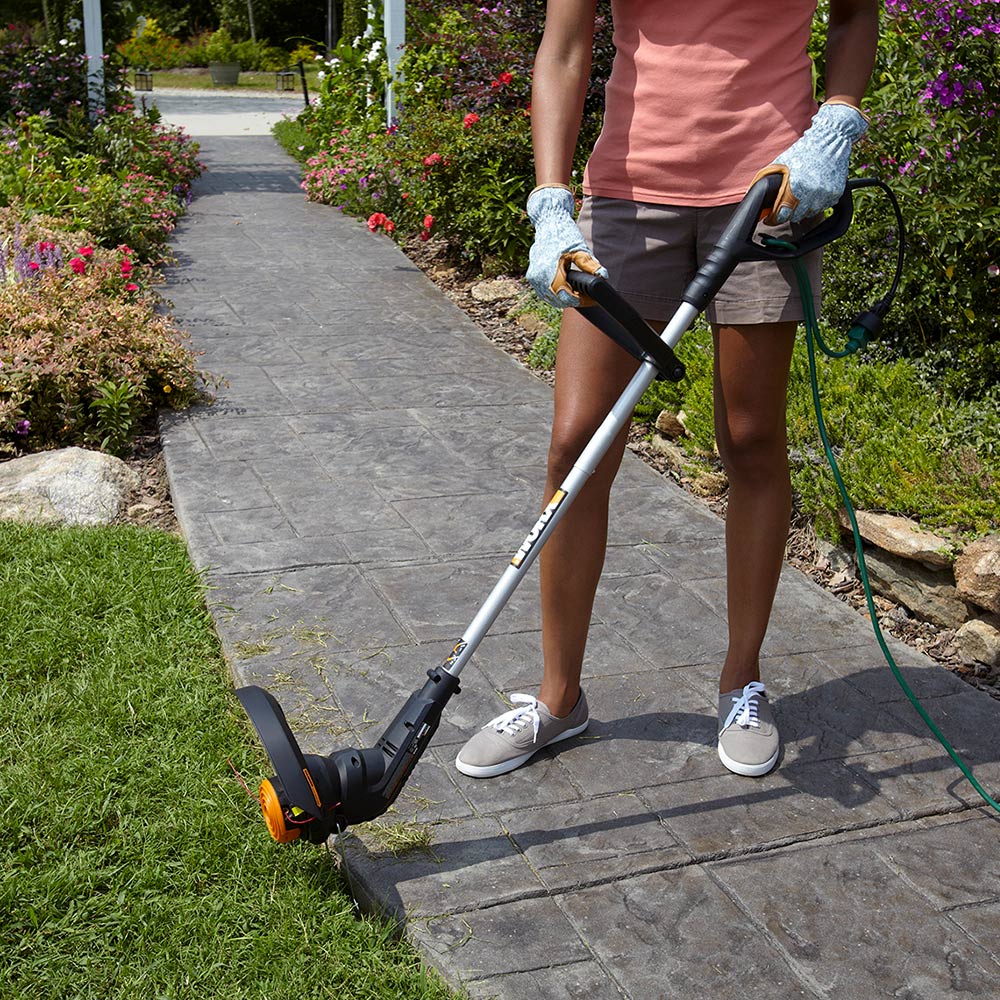
Hold the trimmer so the string runs parallel to the sidewalk edge. Move slowly and steadily to cut grass evenly. Use a sweeping motion away from the sidewalk to avoid throwing debris onto the surface. Keep the trimmer close to the ground for a clean cut.
Handling Curves And Corners
Slow down near curves to maintain control. Tilt the trimmer slightly to follow the sidewalk shape. Make short, gentle strokes instead of long ones for better accuracy. Take extra care around corners to avoid cutting too far into the lawn or sidewalk.
Avoiding Damage To Plants And Surfaces
Keep the trimmer a few inches away from flower beds and shrubs. Use a guard or shield on the trimmer if available. Watch for stones or concrete edges to prevent chipping or scratches. Stop frequently to check for any damage and adjust your technique as needed.
Credit: www.homedepot.com
Frequently Asked Questions
What Is The Best Tool For Edging Sidewalks?
The best tool for edging sidewalks is a string trimmer with an edging attachment. It offers precision and ease. Choose a lightweight, cordless model for maneuverability and efficiency along sidewalks and curbs.
How To Choose The Right String Trimmer?
Choose a string trimmer based on yard size, power needs, and weight preference. Opt for battery models for light tasks and gas-powered for heavy-duty trimming. Consider runtime, maneuverability, and comfort for best results.
Which Is Better, A 20 Volt Or 40 Volt Trimmer?
A 40-volt trimmer offers more power and longer runtime, ideal for larger yards and tough jobs. A 20-volt trimmer suits small to medium yards, light trimming, and better maneuverability. Choose based on yard size and trimming needs for best performance.
How To Trim Around Sidewalks?
Use a string trimmer to edge sidewalks by slowly trimming grass overhanging the edges. Work carefully near curves and borders. Lower speed helps control and prevents damage. Maintain a steady pace for clean, even trimming along sidewalks.
Conclusion
Choosing the right trimmer makes sidewalk trimming easier and neater. Focus on power, weight, and battery life. A lightweight model suits small yards and light work. For bigger areas, pick a stronger, heavier trimmer. Always consider your yard size and trimming needs first.
Use the trimmer carefully near edges and curves. With the right tool, your sidewalks will look clean and well-kept. Simple steps lead to a beautiful, tidy outdoor space.