

If you want fresh, fragrant herbs right at your fingertips, growing rosemary from seeds is a rewarding way to start your herb garden. While rosemary can take some patience to grow from seed, learning the right steps will set you up for success.
You’ll discover how to prepare your seeds, create the perfect environment, and care for your young plants so they thrive. By the end of this guide, you’ll be ready to nurture your own rosemary plants that will add flavor and aroma to your cooking and garden.
Let’s dive into how you can turn tiny seeds into a flourishing rosemary herb garden.

Credit: www.amazon.com
Choosing Rosemary Seeds
Choosing the right rosemary seeds is the first step to a thriving herb garden. Quality seeds increase your chances of healthy, robust plants. Consider the variety and source carefully. This ensures your rosemary grows well in your garden conditions.
Seed Varieties
Rosemary comes in several varieties. Common types include Tuscan Blue, Arp, and Salem. Tuscan Blue has dark green leaves and a strong aroma. Arp is hardy and can handle colder climates. Salem grows upright with narrow leaves. Pick a variety suited to your local weather and garden space. Each has a unique scent and flavor. Choose based on your cooking or craft needs.
Where To Buy Quality Seeds
Buy rosemary seeds from trusted garden centers or online seed stores. Check for fresh seeds with high germination rates. Avoid old or damaged seed packets. Look for sellers who specialize in herbs or organic seeds. Read reviews and ask for recommendations. Good seeds give you a better start and reduce planting failures. Store seeds in a cool, dry place until planting day.
Preparing For Planting
Preparing for planting rosemary seeds sets the stage for healthy growth. Proper preparation helps seeds sprout well and grow into strong plants. Taking time to select containers, choose the right soil, and plant at the right time improves success. Follow these simple steps to prepare your herb garden for rosemary seeds.
Selecting Containers
Choose containers with good drainage holes to prevent water buildup. Small pots or seed trays work well for starting rosemary seeds. Use containers at least 3 to 4 inches deep to allow root growth. Clean containers before use to avoid disease. Avoid containers that retain too much moisture.
Choosing The Right Soil
Rosemary prefers well-draining soil that is light and sandy. Use a seed-starting mix or a mix of potting soil and sand. Avoid heavy or clay soils that hold water. The soil should be slightly acidic to neutral, with a pH between 6.0 and 7.0. Moist soil helps seeds germinate but avoid waterlogging.
Ideal Planting Time
Plant rosemary seeds indoors in early spring to control temperature and light. This gives seedlings a strong start before moving outdoors. The soil temperature should be around 70°F (21°C) for best germination. Transplant seedlings outside after the last frost date in your area. Early planting helps plants grow well through the warm months.
Seed Sowing Steps
Planting rosemary seeds requires careful attention to sowing steps for better growth. Proper seed sowing helps young plants develop strong roots and healthy leaves. Follow these simple steps to give your rosemary seeds the best start.
How Many Seeds Per Hole
Place two to three seeds in each hole. This increases the chance of germination. After sprouting, thin to one strong seedling per spot. Avoid overcrowding to help plants grow well.
Planting Depth
Sow seeds about 1/4 inch (6 mm) deep. Cover them lightly with soil. Do not bury too deep, or seeds may fail to sprout. Keep soil moist for better germination.
Spacing Tips
Space holes about 12 inches (30 cm) apart. This allows rosemary to grow wide without crowding. Good airflow helps prevent diseases. Give plants room to spread and grow healthy.

Credit: survivalgardenseeds.com
Watering And Care
Proper watering and care are vital for growing healthy rosemary plants from seed. Rosemary prefers well-drained soil and moderate moisture. Giving it the right amount of water helps seeds sprout and young plants thrive. Too little water causes seeds to dry out, while too much leads to root rot. Understanding how to water rosemary seeds correctly supports strong growth and a bountiful herb garden.
Using A Spray Bottle
Use a spray bottle to water rosemary seeds gently. Mist the soil surface to avoid washing seeds away. Light, even moisture keeps the soil damp without flooding it. Spray twice daily or as needed to maintain a moist environment. This method prevents soil compaction and helps seeds absorb water slowly and evenly.
Maintaining Moisture Levels
Check the soil moisture daily to keep it consistent. The top inch of soil should feel slightly damp but not soggy. If soil dries out, mist it again to rehydrate. Covering the seed tray with plastic wrap helps retain moisture and warmth. Remove the cover once seedlings appear to avoid mold and allow air circulation.
Avoiding Overwatering
Do not let rosemary seeds sit in standing water. Overwatering causes root rot and fungal problems. Ensure pots or trays have drainage holes to release excess water. Water less frequently as seedlings grow stronger. Dry soil between watering encourages deep root development and healthy plants.
Germination And Growth
Germination and growth are crucial stages when planting rosemary seeds. Understanding these phases helps you nurture healthy plants. Rosemary seeds need specific conditions to sprout and thrive. Proper care during germination sets the foundation for strong growth. Follow simple steps to improve your success rate.
Expected Germination Time
Rosemary seeds usually take 2 to 4 weeks to germinate. The process can be slow and uneven. Patience is important. Some seeds may sprout earlier, while others take longer. Keep the soil moist but not wet. Avoid disturbing the seeds during this time to encourage growth.
Providing Adequate Light
Rosemary seedlings need plenty of light to grow well. Place them near a sunny window or under grow lights. Aim for 12 to 16 hours of light daily. Without enough light, seedlings become weak and leggy. Bright, indirect light works best to keep plants strong and healthy.
Temperature Requirements
Rosemary seeds germinate best in temperatures between 65°F and 75°F (18°C to 24°C). Cooler temperatures slow germination. Warmer temperatures speed it up but avoid overheating. Keep the seed trays away from drafts or sudden temperature changes. Stable warmth encourages steady growth during early stages.
Transplanting Seedlings
Transplanting rosemary seedlings is a key step in growing healthy herbs. This process moves young plants from indoor pots to their final outdoor location. Doing it right helps rosemary thrive and grow strong. Follow simple steps for best results.
When To Transplant
Transplant seedlings after they grow two to three sets of true leaves. This usually takes about 6 to 8 weeks from sowing. The outdoor temperature should stay above 50°F (10°C) during the day. Avoid transplanting in cold, wet, or windy weather. Check the soil moisture before moving seedlings. It should be moist but not soggy.
Hardening Off Process
Hardening off prepares seedlings for outdoor conditions. Start by placing plants outside for 1 to 2 hours daily in a shaded spot. Increase time outside by 1 to 2 hours each day. Gradually expose seedlings to direct sunlight and wind. This process lasts about 7 to 10 days. It helps seedlings adjust and reduces transplant shock.
Planting In The Garden
Choose a sunny spot with well-drained soil. Dig holes slightly larger than the seedling root balls. Space plants about 12 to 18 inches apart. Gently remove seedlings from pots without damaging roots. Place each seedling in a hole and cover roots with soil. Press soil lightly to remove air pockets. Water plants well after transplanting. Mulch around seedlings to keep soil moist and control weeds.
Companion Planting Tips
Companion planting can boost your rosemary’s growth and health. Choosing the right plants nearby helps rosemary thrive. Some plants support rosemary by attracting pollinators or repelling pests. Others can harm rosemary by competing for water or nutrients. Planting rosemary with good companions creates a balanced herb garden.
Best Plants To Grow With Rosemary
Rosemary grows well with plants that enjoy similar dry, sunny conditions. Lavender is a great companion because it shares the same soil and water needs. Sage and thyme also pair well with rosemary in herb gardens. These herbs create a fragrant, pest-resistant group. Marigolds help protect rosemary by repelling harmful insects. Carrots and beans benefit from rosemary’s pest-repelling properties too.
Plants To Avoid Nearby
Avoid planting rosemary near water-loving plants. Basil needs moist soil, which can cause rosemary roots to rot. Mint spreads quickly underground and may choke rosemary’s roots. Tomatoes, cucumbers, and pumpkins require rich, damp soil. They compete with rosemary for nutrients and water. Keeping these plants apart helps rosemary grow strong and healthy.
Common Challenges
Growing rosemary from seed presents several challenges that many gardeners face. Understanding these common issues can help you nurture healthy, thriving plants. Patience and proper care are essential for success in your herb garden.
Dealing With Slow Growth
Rosemary seeds often take a long time to sprout. Germination can take up to three weeks or more. Keep the soil moist but not wet to encourage growth. Use a warm spot with indirect sunlight. Avoid disturbing the seeds or seedlings during this period. Slow growth is normal, so be patient and consistent with care.
Preventing Root Rot
Rosemary prefers well-drained soil. Overwatering is the main cause of root rot. Make sure your pots have drainage holes. Use a sandy or gritty soil mix to improve drainage. Water only when the top inch of soil feels dry. Avoid letting water sit around the roots to keep them healthy.
Pest Management
Rosemary is generally pest-resistant, but some insects can attack it. Watch for aphids, spider mites, and whiteflies. Check leaves regularly for small bugs or sticky residue. Use gentle insecticidal soap or neem oil to control pests. Keep your plants clean and avoid overcrowding to reduce infestations.
Harvesting Rosemary
Harvesting rosemary is a key step in enjoying fresh herbs from your garden. Proper harvesting keeps the plant healthy and encourages new growth. It also ensures the best flavor and aroma from the leaves. Knowing when and how to harvest rosemary helps you get the most from your herb garden.
When To Harvest Leaves
Harvest rosemary leaves once the plant is at least six inches tall. Choose leaves that look fresh and healthy. The best time to pick is in the morning after the dew dries. This is when oils are strongest in the leaves. Avoid cutting too much at once; take no more than one-third of the plant. Regular harvesting helps the plant grow thicker and bushier.
Proper Pruning Techniques
Use clean, sharp scissors or garden shears for pruning. Cut just above a leaf node or branch junction. This encourages new shoots to grow. Avoid cutting into old, woody stems as they may not regrow well. Prune regularly during the growing season to keep rosemary compact. Remove any dead or yellowing leaves to keep the plant healthy. Proper pruning improves air circulation and sunlight exposure.
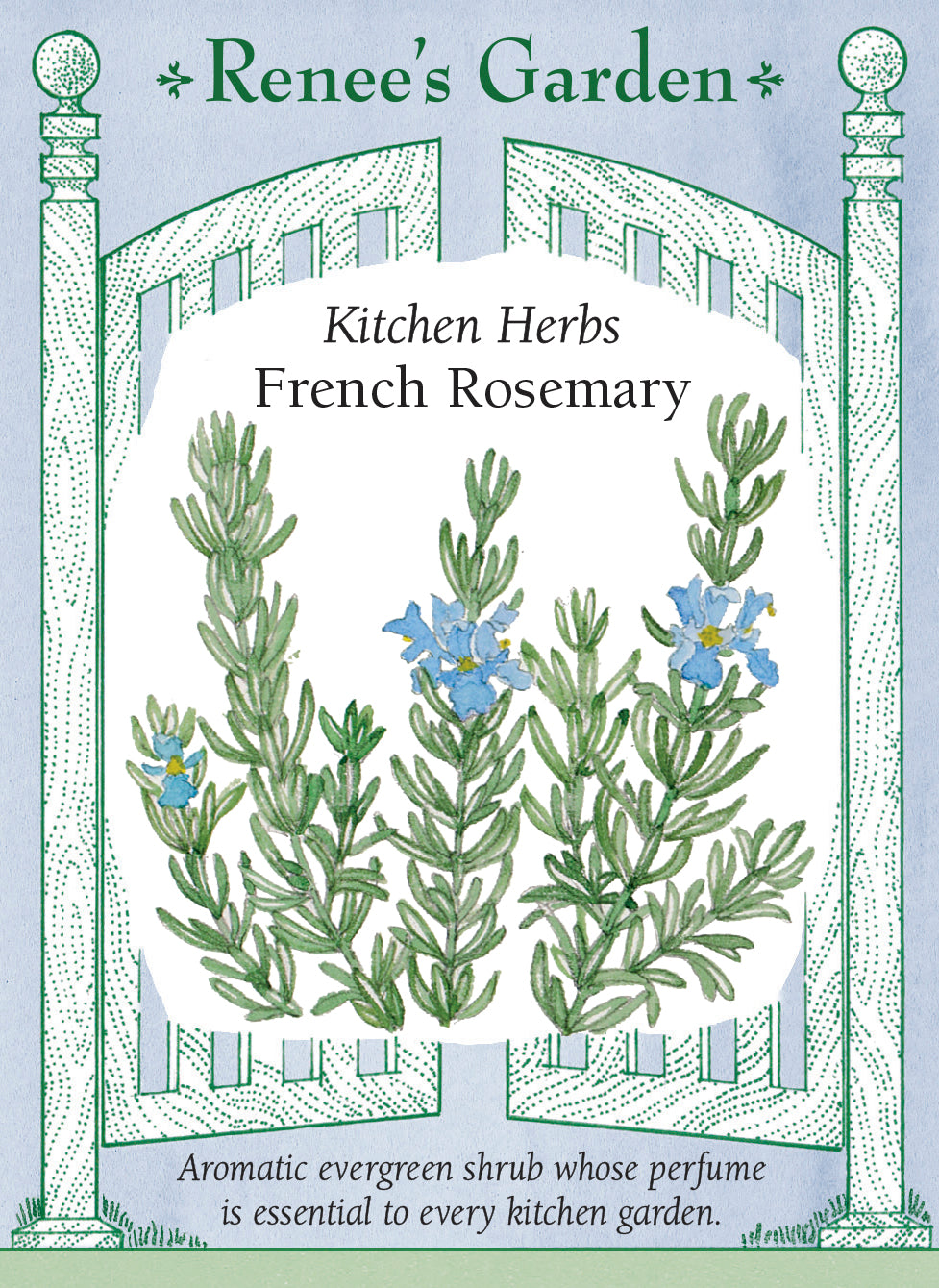
Credit: www.reneesgarden.com
Frequently Asked Questions
Is Rosemary Hard To Grow From Seed?
Rosemary seeds are slow to germinate and require patience. Starting indoors in spring improves success. Using cuttings or plants grows faster.
What Should Not Be Planted Near Rosemary?
Avoid planting basil, mint, tomatoes, cucumbers, pumpkins, carrots, and fennel near rosemary. These plants need moist, rich soil or spread aggressively, which harms rosemary’s growth. Rosemary prefers dry, well-draining soil and full sun to thrive.
What Is The Old Wives Tale About Rosemary?
The old wives’ tale says rosemary improves memory and protects against evil spirits. People often wear it for good luck.
How Many Rosemary Seeds To Plant Per Hole?
Plant 2 to 3 rosemary seeds per hole to ensure germination. Thin seedlings to one strong plant later.
Conclusion
Planting rosemary seeds takes patience but rewards you with fresh herbs. Start indoors with well-draining soil and keep the seeds moist. Place seedlings in a sunny spot once they grow stronger. Avoid planting rosemary near moisture-loving or fast-spreading plants. With care and the right conditions, your rosemary will thrive and add flavor to your garden.
Enjoy growing this fragrant herb step by step. Your herb garden will thank you for it.