
When it comes to grilling, you might find yourself wondering: gas or charcoal—which is better for your backyard cookouts? Both have passionate fans and unique benefits, but choosing the right grill can make a big difference in your cooking experience, flavor, and even health.
Are you looking for quick, easy flames or that classic smoky taste? Do you want a grill that’s simple to control or one that delivers deep, rich flavor? You’ll discover the key differences between gas and charcoal grills, so you can decide which one fits your style, your needs, and your taste buds perfectly.
Keep reading to find out how each grill stacks up and which might be your new best friend this grilling season!
Gas Grill Benefits
Gas grills offer many benefits that make them a popular choice for outdoor cooking. They provide convenience and control, which suit both beginners and experienced grillers. These grills heat up quickly, saving time and effort. Their clean fuel source also makes them better for the environment and health.
Below are some key advantages of gas grills that explain why many prefer them over charcoal.
Ease Of Use
Gas grills start with the push of a button or turn of a knob. No need to light charcoal or wait for ashes to form. They heat up fast, ready to cook in minutes. Cleanup is easier since there are no ashes or soot. This makes gas grills perfect for quick meals and busy days.
Temperature Control
Gas grills let you control the heat with precision. You can adjust the flame to low, medium, or high easily. This helps cook food evenly without burning it. Many models have built-in thermometers for monitoring. This control improves cooking results and reduces mistakes.
Health Advantages
Gas grills produce less smoke than charcoal grills. Less smoke means fewer harmful chemicals on your food. Gas grilling lowers exposure to carcinogens like HCAs and PAHs. It also reduces flare-ups that char meat and cause toxins. Cooking with gas is a healthier choice overall.
Cleaner Fuel
Gas grills use propane or natural gas, which burn cleanly. They release fewer pollutants and particulates into the air. This cleaner fuel means less environmental impact than charcoal. Gas grills also avoid the ash and residue left by charcoal. This makes gas grilling more eco-friendly and tidy.
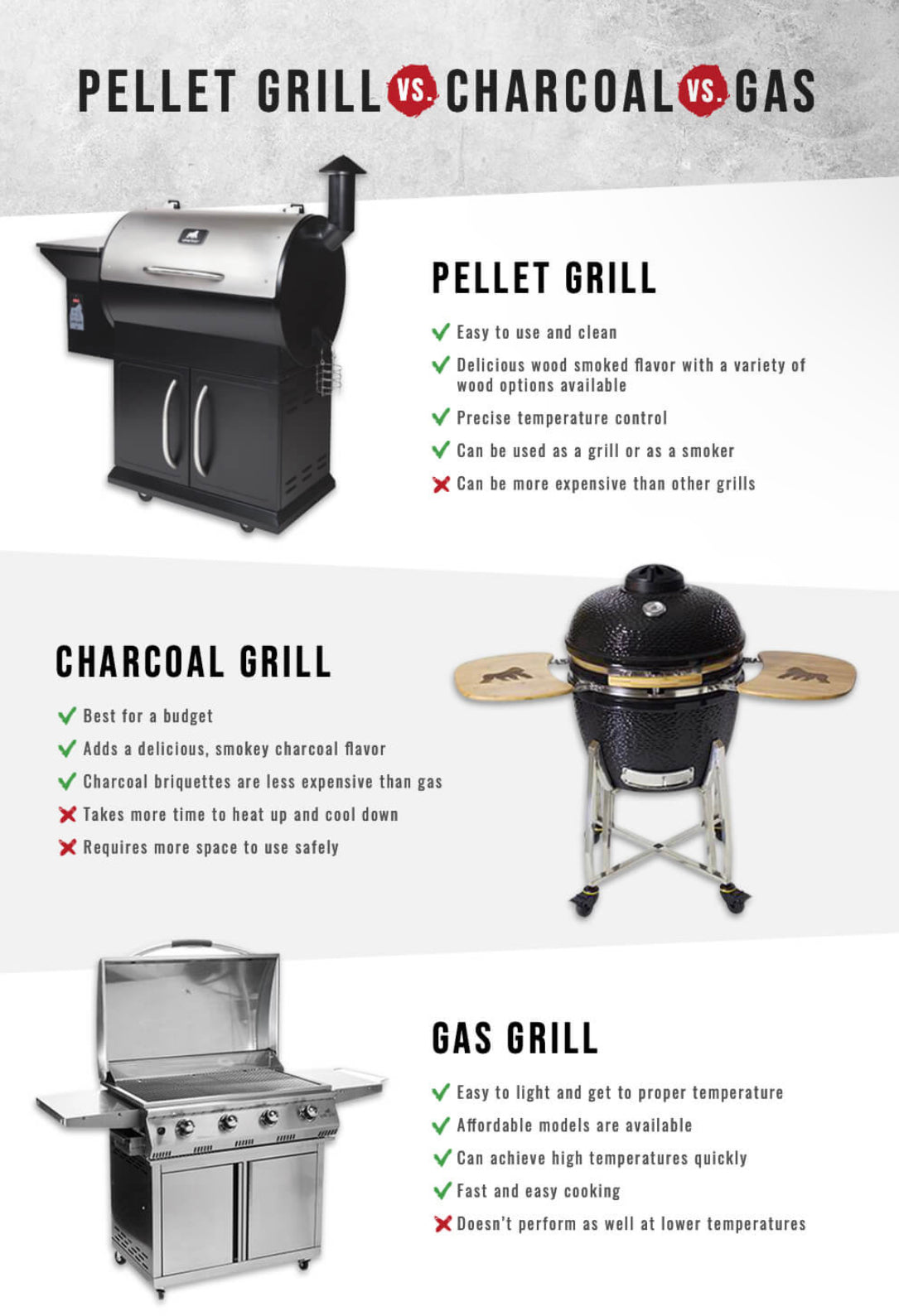
Credit: www.caribeque.com
Charcoal Grill Benefits
Charcoal grills offer several benefits that many grilling fans appreciate. The unique cooking style gives food a distinct taste and texture. Charcoal grills also provide great heat for searing and are often easy to move. These features make charcoal grills popular among many outdoor cooks.
Authentic Flavor
Charcoal grills produce a smoky flavor that gas grills cannot match. The burning charcoal adds a rich taste to meats and vegetables. This flavor is often described as traditional and more natural. Many grill lovers prefer charcoal for this reason alone.
High Heat Cooking
Charcoal grills reach higher temperatures than most gas grills. This intense heat helps to sear meat quickly, locking in juices. It creates a crispy, caramelized outer layer that enhances flavor. High heat is perfect for steaks and burgers.
Portability
Charcoal grills are usually lighter and simpler in design. They do not require a gas connection or fuel tanks. This makes them easy to carry to picnics, camping, or tailgate parties. Their compact size fits well in small outdoor spaces.
Cost Considerations
Charcoal grills often cost less upfront than gas grills. Charcoal fuel is affordable and widely available. Maintenance and repairs tend to be cheaper, too. This makes charcoal grills a budget-friendly choice for many people.
Health Risks Of Grilling
Grilling choices affect the environment in different ways. Understanding the impact helps make smarter decisions. Both gas and charcoal grills have unique effects on nature and air quality. Here’s a look at their environmental impact.
Charcoal Production Effects
Charcoal comes from wood burned in low oxygen. This process releases smoke and harmful gases. Many charcoal brands use hardwood from forests. This causes deforestation and loss of wildlife habitats. Charcoal production also emits carbon dioxide. This adds to global warming and air pollution. Some charcoal is made sustainably, but it is less common. Using charcoal means supporting a process with notable environmental costs.
Gas Fuel Emissions
Gas grills use propane or natural gas as fuel. Burning gas produces fewer pollutants than charcoal. Gas emits carbon dioxide but in smaller amounts. It releases less smoke and no ash waste. Gas grills do not contribute to deforestation. However, propane is a fossil fuel and not renewable. Natural gas leaks can release methane, a strong greenhouse gas. Overall, gas grilling produces cleaner emissions than charcoal.
Sustainability Factors
Sustainability depends on fuel source and production methods. Charcoal often comes from unsustainable forestry practices. Gas comes from fossil fuels but burns more efficiently. Using renewable energy or biogas for gas grills can improve sustainability. Charcoal grills create more solid waste like ash. Gas grills produce minimal waste. Choosing reusable fuel options and efficient grills reduces environmental harm. Proper grill maintenance also extends product life and lowers impact.

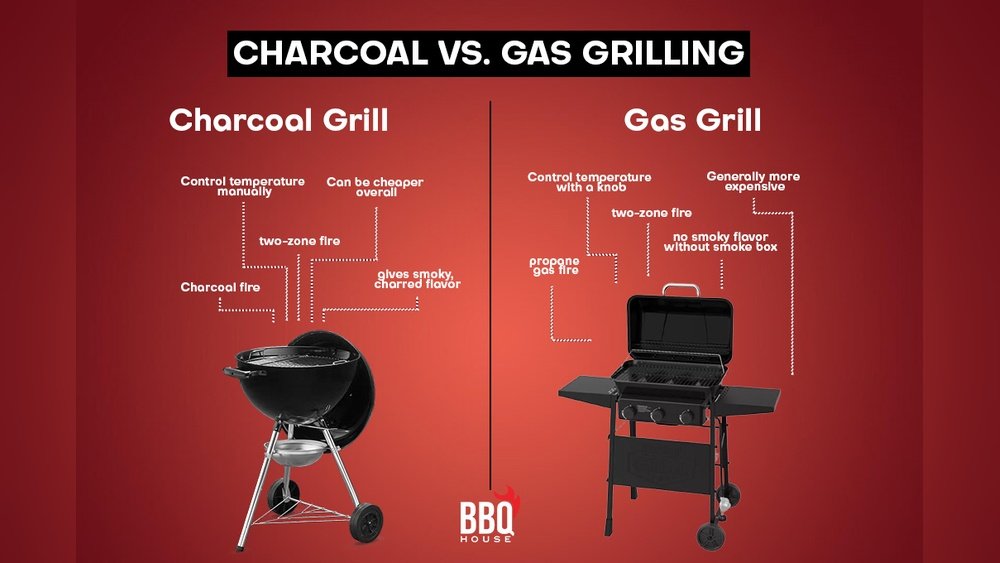
Credit: bbqhouse.shop
Environmental Impact
Maintenance and longevity are key factors when choosing between gas and charcoal grills. Regular upkeep keeps grills working well and safe to use. The lifespan of a grill depends on how you care for it and the materials used. Understanding cleaning methods and durability helps you make a smart choice.
Cleaning Gas Grills
Gas grills need cleaning after every use. Wipe down the grates with a grill brush to remove food bits. Empty the grease tray to prevent fires. Clean burners carefully to avoid blockages. Use mild soap and water for the exterior. Cover the grill when not in use to protect it from weather. Routine cleaning keeps the grill efficient and safe.
Cleaning Charcoal Grills
Charcoal grills require ash removal after each use. Let the ashes cool completely before disposal. Scrub the grates with a stiff brush to clear residue. Clean the interior to prevent rust buildup. Avoid water contact on metal parts to extend life. Using a grill cover helps guard against rain and dust. Regular cleaning prevents odors and improves cooking.
Durability Comparison
Gas grills often have parts made of stainless steel or cast iron. These materials resist rust and last longer with care. Charcoal grills usually have steel bodies that can rust faster without protection. Gas grills have complex parts like burners and valves that may need replacement. Charcoal grills are simpler and easier to repair. Both types last many years if cleaned and stored properly.
Maintenance And Longevity
Flavor and cooking performance play a key role in choosing between gas and charcoal grills. Both offer unique benefits that affect taste and how food cooks. Understanding these differences helps you pick the right grill for your needs.
Smoke Flavor Profiles
Charcoal grills create a rich, smoky flavor that many love. The burning charcoal and wood chips add a distinct aroma to food. Gas grills produce less smoke, so the flavor is cleaner but milder. Some gas grills allow using smoker boxes to add wood chips. This helps bring some smoky taste to gas grilling.
Heat Distribution
Charcoal grills often have uneven heat spots. This lets you cook food at different temperatures by moving it around. Gas grills offer steady, even heat across the surface. You can easily control the heat with knobs. This makes gas grills good for precise cooking and faster meals.
Versatility In Cooking Styles
Charcoal grills suit low and slow cooking well. They work great for smoking and searing. Gas grills heat up quickly and handle a variety of styles. You can grill, roast, or even bake with some models. Both grills support many cooking methods but differ in setup and control.
Flavor And Cooking Performance
Cost and value play a big role in choosing between a gas and charcoal grill. Understanding the expenses helps you decide which grill fits your budget and needs. Both types have upfront costs and ongoing expenses. The key is to balance initial spending with long-term savings. This section breaks down these costs clearly.
Initial Investment
Gas grills usually cost more to buy at first. They have complex parts like burners and ignition systems. Charcoal grills tend to be cheaper. The design is simpler and uses fewer materials. You can find charcoal grills for a low price. But high-end charcoal grills can cost as much as gas models. Think about how much you want to spend before buying.
Fuel Expenses
Charcoal fuel costs add up quickly. You need to buy bags regularly for each cookout. Charcoal burns faster and requires more frequent refilling. Gas grills use propane or natural gas, which costs less over time. A propane tank lasts longer than a bag of charcoal. Using natural gas is even cheaper if you have a line at home. Fuel cost depends on how often you grill.
Long-term Costs
Gas grills may need repairs for burners or ignition parts. These repairs can be pricey. Charcoal grills have fewer parts to fix. But you might replace the grate or ash catcher over time. Cleaning charcoal grills takes more effort, which means time costs. Gas grills are easier to clean and maintain. Think about how much time and money you want to spend on upkeep.
Cost And Value
Choosing the right grill is key to enjoying outdoor cooking. The decision affects your cooking style, convenience, and taste. Understanding your needs helps find the best fit between gas and charcoal grills.
Both types have strengths. Your daily habits and preferences will guide the choice. Consider how each grill matches your lifestyle and space.
Lifestyle Considerations
Think about how you like to cook and entertain. Gas grills heat quickly and offer easy temperature control. They suit fast meals and frequent use. Charcoal grills take longer but add smoky flavor to food. They fit those who enjoy the grilling process and flavor.
Cooking Frequency
How often you grill shapes your choice. Frequent grillers may prefer gas for speed and convenience. It lights instantly and cooks evenly. Charcoal grills need more time to start and clean. Casual users might enjoy charcoal’s traditional feel and taste.
Space And Portability Needs
Space availability matters. Gas grills usually need a stable spot and fuel hookup. They are less portable but great for patios. Charcoal grills are often smaller and lighter. They can be moved easily, ideal for picnics or camping. Choose what fits your outdoor space and travel plans.

Credit: www.tasteofhome.com
Frequently Asked Questions
Is It Healthier To Grill With Gas Or Charcoal?
Gas grilling is healthier than charcoal due to lower carcinogen levels and cleaner combustion. Gas produces fewer harmful compounds like HCAs and PAHs. Controlling heat reduces smoke and charring risks. Avoid burning food and trim fat to make either method safer.
Gas remains the better health choice.
What Is The Healthiest Grill?
The healthiest grill is an electric grill, offering low emissions and no carcinogens. Gas grills follow, with cleaner heat and fewer harmful compounds. Avoid charring and trim fat to reduce risks further.
What Are The Downsides Of Charcoal Grilling?
Charcoal grilling produces more smoke and carcinogens, increasing health risks. It takes longer to light and clean. Charcoal also harms the environment with higher emissions and deforestation concerns.
Does Food Taste Better On A Charcoal Grill?
Charcoal grills add a smoky flavor that many find richer and more authentic. This enhances food taste uniquely.
Conclusion
Choosing between gas and charcoal grills depends on your cooking style and needs. Gas grills offer quick startup and easier temperature control. Charcoal grills provide a smoky flavor many love but need more time and effort. Health-wise, gas grills produce fewer harmful compounds.
Charcoal grilling creates more smoke and carcinogens but can be managed with care. Both have pros and cons for taste, convenience, and safety. Your decision should match how you enjoy grilling and what matters most to you.