
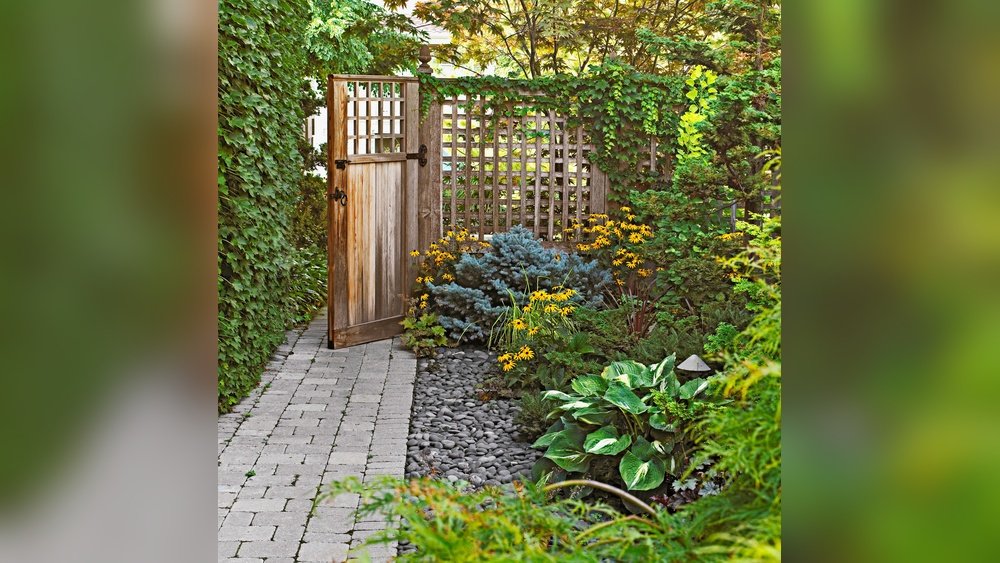
If you want to enjoy your garden without worrying about prying eyes, building a privacy fence is the perfect solution. Imagine relaxing in your outdoor space, knowing your privacy is protected and your garden feels like your own peaceful retreat.
You don’t need to spend a fortune or hire professionals to get this done. In this guide, you’ll discover easy, budget-friendly ways to build a fence that keeps your garden private and stylish. Whether you prefer natural materials or quick DIY options, you’ll learn practical tips that save money and time.
Keep reading to find out how you can transform your garden into a private sanctuary with a fence you build yourself.

Credit: www.youtube.com
Choosing Fence Materials
Choosing the right materials shapes your garden’s privacy fence. The material affects durability, style, and cost. Select one that fits your budget and garden look. Consider how much work you want and how long you want the fence to last. Some materials need more care than others. Here are some popular options to think about.
Pallet Wood Benefits
Pallet wood is cheap and easy to find. It gives a rustic, natural look to your garden. You can recycle old pallets to save money. Pallet wood is strong but may need sanding and sealing. It works well for DIY fence projects. Expect to spend time assembling and treating the wood. It offers good privacy when boards are placed close together.
Using Bamboo Rolls
Bamboo rolls add a tropical and light feel. They are affordable and simple to install. Attach bamboo rolls to an existing frame or fence. Bamboo is good for temporary or semi-permanent privacy. It resists some weather but may wear out faster than wood. Bamboo rolls let some light and air through, keeping the garden bright.
Chain Link With Privacy Slats
Chain link fences are strong and long-lasting. Add privacy slats or mesh to block views. This option is cost-effective and low maintenance. Privacy slats come in various colors and materials. The fence structure stays sturdy while gaining privacy. This choice suits modern or industrial garden styles well.
Reclaimed Wood Options
Reclaimed wood is eco-friendly and unique. Use wood from old barns, fences, or pallets. It adds character and history to your fence. Reclaimed wood may need treatment to prevent rot and insects. This material can be more expensive but looks charming. It offers good privacy with proper board placement.
Live Plant Fencing
Live plant fencing uses shrubs or tall plants. It creates natural privacy and blends with the garden. Plants need time to grow and regular care. Choose fast-growing, dense species for better coverage. Live fences improve air quality and attract wildlife. This option suits those who want a green, soft fence.
Planning Your Fence
Planning your fence is the first key step to creating garden privacy. It sets the foundation for a smooth building process. Careful planning helps avoid costly mistakes and ensures your fence meets your needs. Take time to measure, choose height, check rules, and design for privacy.
Measuring Your Garden
Start by measuring the length and width of your garden. Use a tape measure and mark corners clearly. Measure twice to ensure accuracy. Knowing exact dimensions helps estimate material needs and costs. It also guides fence placement to cover the right area.
Selecting Fence Height
Choose a fence height that blocks views but fits your garden style. Most privacy fences range from 6 to 8 feet tall. Taller fences offer more privacy but may need stronger support. Consider your garden’s layout and what feels comfortable for you.
Checking Local Regulations
Check local laws about fence height and placement. Some areas limit how tall fences can be near roads or neighbors. Obtain permits if required. Following rules avoids fines and neighbor disputes. Contact your city or homeowners association for details.
Designing For Privacy
Design your fence to block sightlines effectively. Use solid panels or closely spaced boards to prevent gaps. Add climbing plants or lattice for extra coverage. Think about the direction of sunlight and wind for comfort. Good design combines function with garden beauty.
Tools And Supplies
Building a garden privacy fence needs the right tools and supplies. This section explains the must-have tools, how to estimate materials, and tips on choosing fasteners and posts. Prepare well to make the process smoother and efficient.
Essential Tools List
- Measuring tape for precise measurements
- Post hole digger or auger for digging fence post holes
- Level to keep posts straight
- Hammer or nail gun for fastening boards
- Saw to cut wood panels or boards
- Drill with screwdriver bits for screws
- String line to mark fence line
- Shovel for leveling and filling holes
- Protective gloves and safety glasses
Material Quantity Estimates
Calculate the length of your fence first. This helps estimate how many boards or panels you need. Count one post every 6 to 8 feet for stability. Add extra materials for gates or repairs. Always buy about 10% more wood than the exact estimate. This covers mistakes or damaged pieces.
Choosing Fasteners And Posts
Pick durable posts like treated wood or metal to resist weather. Choose fasteners that match your fence material. Galvanized nails or screws prevent rusting. For wood fences, use wood screws for stronger hold. For metal posts, use bolts or metal brackets. Good fasteners keep your fence sturdy and long-lasting.
Credit: www.woodshopdiaries.com
Step-by-step Installation
Building a privacy fence in your garden can feel like a big task. Breaking it down into clear steps makes the job easier. This section guides you through the fence installation process. Follow each step carefully to ensure a strong, lasting fence that protects your space.
Preparing The Site
Clear the area where the fence will stand. Remove rocks, plants, and debris. Mark the fence line using stakes and string. Check for underground utilities before digging. Measure the length to know how many materials you need.
Setting Fence Posts
Dig holes for the fence posts deep enough for stability. Use a post hole digger or shovel. Place each post in a hole and fill it with concrete or soil. Make sure posts are straight and level. Space posts evenly for balanced support.
Attaching Panels Or Boards
Choose panels or individual boards for your fence style. Attach panels to posts using screws or nails. For boards, nail each board directly to horizontal rails between posts. Keep boards close to reduce gaps. Check alignment regularly for a neat finish.
Adding Privacy Enhancements
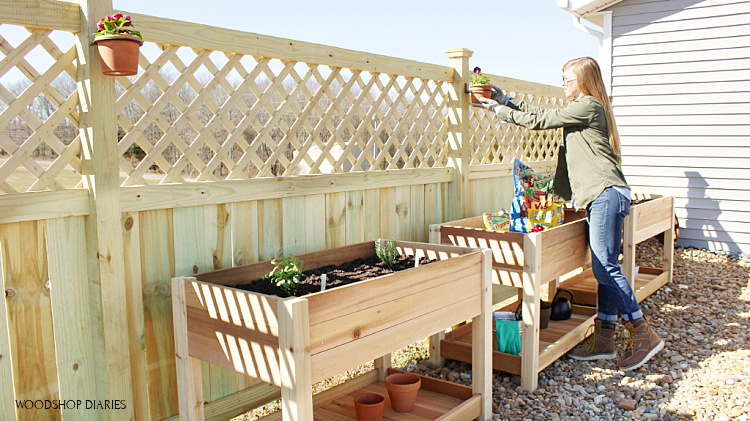
Add extra materials for better privacy. Use lattice, bamboo screens, or outdoor fabric. Attach these to the fence surface securely. Plant climbing vines or tall shrubs nearby. These natural additions soften the fence look and block views more effectively.
Cost-saving Tips
Building a garden fence for privacy does not have to be costly. Smart choices reduce expenses without lowering quality. Small steps save money and still create a beautiful, private space. Focus on labor, materials, plants, and upkeep to keep costs down.
Diy Labor Benefits
Doing the work yourself cuts labor fees. You control the pace and quality. Tools and materials cost less than hiring pros. Learning skills brings pride and long-term savings. Simple fence designs make DIY easier and cheaper.
Using Pre-made Panels
Pre-made panels save time and money. They come in standard sizes and styles. Installation is quicker than building from scratch. Buying in bulk often lowers prices. Choose durable materials for lasting privacy and fewer repairs.
Incorporating Plants For Privacy
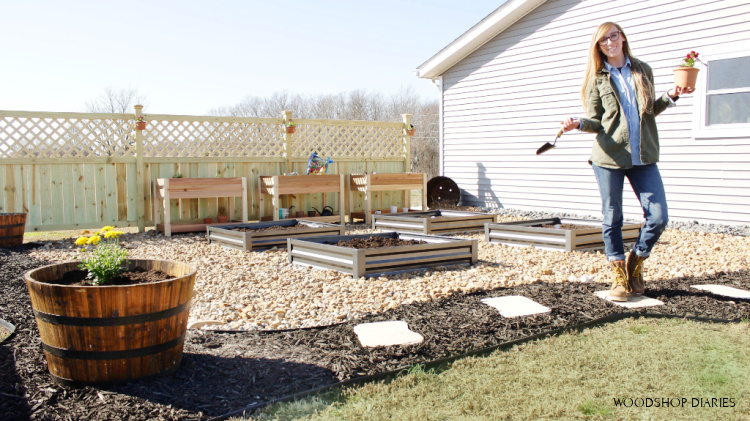
Plants add privacy naturally and cheaply. Fast-growing shrubs or tall grasses block views. Combine plants with fence panels for style and coverage. Plants soften the look and improve air quality. They need little investment beyond initial planting.
Maintenance To Extend Lifespan
Regular maintenance protects your fence investment. Clean and seal wood to prevent damage. Fix loose boards or panels quickly. Trim plants to avoid damage to the fence. Proper care keeps your fence strong and attractive for years.
Credit: www.woodshopdiaries.com
Maintaining Your Fence
Maintaining your garden fence keeps it strong and looking fresh. Regular care helps avoid costly repairs later. A well-kept fence lasts longer and protects your privacy better.
Sealing And Staining Wood
Wood fences face rain, sun, and bugs every day. Sealing wood stops water from soaking in. Staining adds color and extra protection. Apply sealant or stain every two years for best results. Use a brush or sprayer for even coverage. Let the wood dry fully before using the fence again.
Inspecting For Damage
Check your fence often for broken boards or loose nails. Look for signs of rot or insect damage. Early detection helps fix small problems fast. Walk along the fence line and examine each panel. Also, check posts for stability and alignment. Tighten any loose screws or hinges you find.
Repairing Common Issues
Fix cracks or holes with wood filler or patch kits. Replace boards that are too damaged to repair. Hammer back any loose nails or add new screws. For leaning posts, dig around them and add concrete if needed. Remove plants or vines growing on the fence to prevent damage. Small repairs keep your fence safe and neat.
Frequently Asked Questions
What Is The Cheapest Way To Make A Privacy Fence?
The cheapest privacy fence uses reclaimed wood pallets, bamboo rolls, or chain link with privacy slats. DIY installation saves labor costs. Opt for no-dig spikes and pre-made panels to reduce expenses. Using free or recycled materials cuts costs but may require more upkeep.
How Do I Block My Neighbor’s View Of My Backyard?
Plant tall shrubs or trees, install a privacy fence, or use lattice panels with climbing vines to block your neighbor’s backyard view.
What Is The Best Fencing For A Vegetable Garden?
The best fencing for a vegetable garden is sturdy wire mesh or hardware cloth. It keeps pests out and allows sunlight in. Wood or vinyl fences offer durability but may block light. Choose fencing based on garden size, local wildlife, and budget for effective protection.
Is It Cheaper To Buy Or Build A Privacy Fence?
Building a privacy fence yourself usually costs less than buying pre-made ones. DIY saves labor fees. Using budget materials like reclaimed wood or bamboo lowers expenses. Pre-made panels may cost more but save time. Overall, building offers more control over costs and materials.
Conclusion
Building a garden privacy fence takes planning and simple tools. Choose materials that fit your budget and style. Taking time to install the fence yourself saves money and adds personal touch. A well-built fence creates a quiet, private space for your garden.
Enjoy the comfort and peace it brings to your outdoor area. Start your project step by step, and watch your garden transform.