

Trimming grass along a fence can be tricky, especially if you want a clean, sharp edge without damaging your fence or wasting time. If you’ve ever struggled with uneven patches or grass sneaking under your fence, you’re not alone.
The good news is, with the right technique and a trimmer in your hands, you can easily tame those tough spots and make your lawn look flawless. In this guide, you’ll discover simple, effective steps to trim grass along your fence with precision and ease.
Keep reading, and you’ll master the skill that turns a frustrating chore into a satisfying part of your lawn care routine.

Credit: www.shutterstock.com
Choosing The Right Trimmer
Choosing the right trimmer makes trimming grass along a fence easier and cleaner. The right tool saves time and effort. It also protects your fence from damage. Picking the right trimmer depends on your yard size, grass type, and power needs.
Types Of Trimmers
There are two main types of trimmers: handheld and walk-behind. Handheld trimmers are light and easy to use for small areas. Walk-behind trimmers are best for large yards and heavy grass. Choose a trimmer that fits your yard size and your strength.
String Vs. Blade Options
String trimmers use nylon lines to cut grass. They are good for light to medium jobs. Blade trimmers have metal blades and work well on thick or tough grass. Blades can cut weeds and small brush better than strings. Pick a string trimmer for precision and a blade trimmer for power.
Power Sources And Battery Life
Trimmers run on gas, electricity, or batteries. Gas trimmers are strong but noisy and need fuel. Electric trimmers plug into an outlet but limit movement. Battery trimmers offer freedom and quiet operation. Check battery life before buying to ensure it lasts long enough for your job.
Preparing The Fence Line
Preparing the fence line is the first step to trim grass effectively along your fence. This step makes trimming easier and keeps the fence safe from damage. Proper preparation creates a clear path for your trimmer and helps maintain a neat edge. It also prevents grass from growing too close to the fence, which can cause problems later.
Clearing Debris And Obstacles
Remove leaves, sticks, and rocks along the fence line. These items can block your trimmer or cause damage. Check for toys, tools, or garden items that might be hidden in the grass. Clearing the area ensures smooth trimming and protects your equipment. It also helps you see the exact edge you need to cut.
Installing Metal Edging
Metal edging creates a strong barrier between the grass and the fence. It stops grass from growing under or over the fence line. Pound the metal edging into the soil along the fence, making sure it is straight. This edging guides your trimmer and keeps the cut clean. Metal edging lasts long and reduces future trimming work.
Creating A Trench Barrier
Dig a shallow trench along the fence to block grass roots. Make the trench about 3 to 4 inches deep and wide. This barrier stops grass from spreading through underground runners. Remove any grass or weeds inside the trench. Fill the trench with gravel or soil to keep it neat. The trench helps keep the fence line clear and tidy for longer.
Trimming Techniques
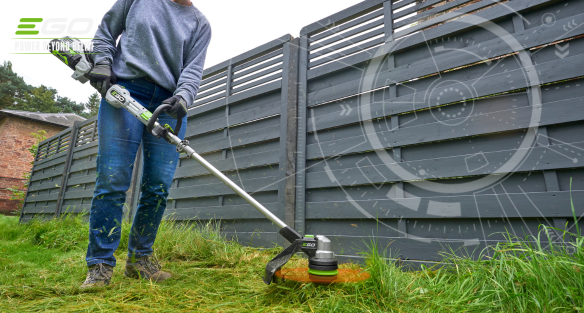
Trimming grass along a fence requires steady hands and slow movement for clean edges. Hold the trimmer close to the fence without hitting it. Avoid wide swings to protect both the fence and the trimmer line.
Trimming grass along a fence needs care and the right method. Using proper techniques helps keep the fence safe and the grass neat. It also makes the job faster and easier. Below are some key trimming techniques to follow.
Holding The Trimmer Steady
Hold the trimmer firmly with both hands. Keep your arms slightly bent for better control. Stand close to the fence but keep a safe distance. Move slowly to avoid mistakes. A steady hold gives a clean, even cut near the fence line.
Avoiding The U-motion Swing
Do not swing the trimmer in a wide U-shape. This motion can hit the fence and damage the trimmer line. Instead, use small, controlled movements. Cut the grass in short strokes along the fence edge. This avoids wear on your trimmer and protects the fence.
Trimming In Reverse Along The Fence
Try trimming while moving backward along the fence. This approach gives better visibility of the cutting line. It helps prevent missing spots or cutting too far. Walk slowly and keep the trimmer close to the ground. This method ensures a tidy finish along the fence.
Edging Tips For Clean Lines
Creating clean, sharp edges along your fence instantly improves your lawn’s look. Edging helps separate grass from flower beds or walkways. It gives a professional finish to your yard. Using a trimmer with the right technique makes edging easier. Follow simple tips to get neat lines without damaging the fence or plants.
Using The Trimmer For Edging
Hold the trimmer steady and parallel to the fence. Keep the cutting head close but avoid hitting the fence. Move slowly and smoothly along the edge. Let the trimmer do the work; don’t force it. Use a side-to-side motion to cut grass evenly. This method prevents uneven patches and gives a crisp edge.
Adjusting String Length
Set the string length to about 10 to 12 inches. Too long string may hit the fence or waste line. Too short string cuts poorly and wears out quickly. Check the string often and replace it when worn. Proper length helps control the cut and keeps edges clean. It also reduces the risk of damage to the fence.
Removing Or Adjusting The Guard
Remove or adjust the guard if it blocks the trimmer near the fence. Some guards prevent trimming close to hard surfaces. Adjust the guard to allow the string to reach the edge safely. Be careful not to expose the string too much, which may cause injury. A balanced guard setting protects you and improves trimming quality.
Handling Difficult Areas
Trimming grass along a fence can be tricky. Some spots are hard to reach with a trimmer. Handling these difficult areas well keeps your fence line clean and neat. It also protects your fence from damage. Here are some tips to tackle those tough spots easily.
Cutting Under Fence Lines
Grass often grows under fence lines where a mower cannot reach. Use a string trimmer with a narrow cutting head. Carefully slide the trimmer under the fence wire or board. Move slowly to avoid hitting the fence. Keep the trimmer head parallel to the ground. This ensures even cutting without damaging the fence.
Trimming Around Chain-link Fences
Chain-link fences have many small openings that trap grass. Trim by moving the trimmer in short, controlled strokes. Cut grass caught in the fence links with a small hand shears if needed. Avoid forcing the trimmer into tight spaces. This prevents bending or breaking the fence. Take your time to keep edges tidy.
Managing Creeping Grass
Creeping grass spreads under and along fences quickly. It sends out runners that grow underground. To control it, dig a shallow trench along the fence line. Remove runners and roots from the trench. This stops grass from crossing into your yard. Use a barrier like metal edging to block new growth. Regular trimming helps keep creeping grass in check.

Credit: www.youtube.com
Maintenance And Safety
Proper maintenance and safety are crucial when trimming grass along a fence with a trimmer. Taking care of your equipment and protecting yourself ensures a smooth and safe trimming experience. Neglecting these aspects can lead to damage or injury.
Follow simple steps to keep your trimmer working well and stay safe during use.
Protecting The Trimmer Line
Keep the trimmer line in good shape by avoiding hard surfaces. Hitting fences or rocks wears it down fast. Use a gentle, steady motion along the fence to reduce damage. Replace the line regularly to maintain cutting power. Choose the right line size for your trimmer model. This helps prevent breakage and saves time.
Wearing Safety Gear
Always wear safety gear before trimming. Use safety glasses to protect your eyes from flying debris. Gloves shield your hands from cuts and blisters. Wear long pants and sturdy shoes to protect your legs and feet. Ear protection reduces noise damage from the trimmer. Proper gear keeps you safe and comfortable while working.
Regular Trimmer Maintenance
Clean your trimmer after each use to remove grass and dirt. Check the air filter and clean or replace it if dirty. Inspect the spark plug and replace it yearly for easy starts. Tighten loose screws and bolts to avoid accidents. Lubricate moving parts to keep the trimmer running smoothly. Regular maintenance extends your trimmer’s life and improves performance.
Expert Hacks
Trimming grass along a fence can be tricky. Expert hacks help you save time and get clean edges. These tips improve your control and protect your fence. Use the right methods for better results.
Try different techniques and tools. Small changes make a big difference. Below are some effective hacks to try.
Using Reciprocating Attachments
Reciprocating attachments work like mini saws. They cut grass and weeds close to the fence. These attachments reduce damage to the fence. They give you more precision than standard trimmer heads.
Attach the reciprocating blade to your trimmer. Move it slowly along the fence line. This method handles thick or tough grass easily. It also prevents your trimmer line from wearing out fast.
Dragging The Trimmer Head
Drag the trimmer head gently along the grass base. Keep the head flat and steady. This technique cuts grass evenly without hitting the fence.
Walk slowly and avoid swinging the trimmer in wide arcs. Dragging helps control the cut height and direction. It also reduces the chance of damaging fence paint or wood.
Fine-tuning Your Technique
Adjust your grip for better control. Hold the trimmer firmly but not too tight. Use a steady pace instead of rushing through the job.
Check your work often. Trim small sections at a time. Stop and clear any debris caught in the trimmer head. These small steps keep your trimming neat and efficient.
Credit: egopowerplus.co.uk
Frequently Asked Questions
How To Trim Grass Close To A Fence?
Hold the trimmer steady and walk slowly along the fence line. Avoid swinging in wide arcs to prevent damage. Trim grass by moving the trimmer in reverse for better control and precision. Use metal edging or dig a trench to stop grass spreading near the fence.
How To Use A String Trimmer Along A Fence?
Hold the trimmer steady and move slowly along the fence line. Avoid swinging wide arcs to prevent damage. Trim by moving the trimmer in reverse along the fence for precision. Maintain a consistent distance to protect both the fence and trimmer line.
How To Deal With Grass Along A Fence?
Install metal edging or dig a trench along the fence to block grass spread. Regularly trim or remove grass to maintain a clean edge. Use a string trimmer slowly and steadily, avoiding swinging motions to protect the fence and ensure precise cutting.
How To Edge Grass With A String Trimmer?
Hold the string trimmer steady and walk slowly along the edge. Keep the trimmer line close to the ground and avoid swinging widely. Move in a straight line parallel to the edge for clean cuts. Trim in reverse if needed for better control near fences or obstacles.
Conclusion
Trimming grass along a fence keeps your yard neat and tidy. Use steady, slow movements for better control. Avoid hitting the fence to protect your trimmer line. Regular trimming stops grass from spreading under the fence. Adding an edge barrier can help reduce grass growth near fences.
Practice makes the task easier and faster over time. A well-maintained fence line improves your lawn’s overall look. Keep your trimmer clean and sharp for best results. Stay safe by wearing gloves and eye protection while trimming. Enjoy a cleaner, healthier lawn with simple, careful trimming.