
:max_bytes(150000):strip_icc()/sowing-seeds-for-new-lawn-1015992934-5c53827b46e0fb00013a1c46.jpg)
Credit: www.thespruce.com
Introduction
Fall is the best time to overseed your lawn. Overseeding helps keep your lawn green and healthy. This guide will show you how to overseed your lawn step-by-step.
Why Overseed Your Lawn?
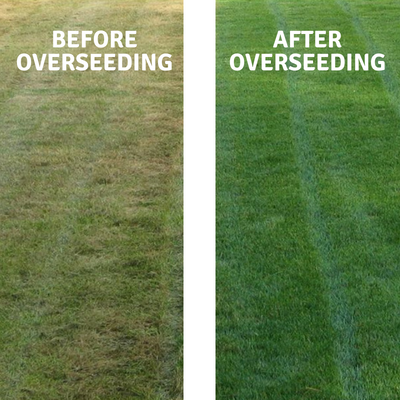
Overseeding is important for several reasons:
- Thicker grass fights off weeds.
- New grass fills in bare spots.
- It makes your lawn look lush and green.
- Overseeding helps grass survive the winter.
Credit: www.turfunlimited.com
Tools and Materials Needed
Before you start, gather these tools and materials:
- Grass seed
- Lawn mower
- Aerator
- Rake
- Seed spreader
- Watering can or hose
- Starter fertilizer
Step-by-Step Guide to Overseed Your Lawn
1. Choose The Right Grass Seed
Pick a grass seed that matches your lawn type. Cool-season grasses are best for fall overseeding. Some good options are Kentucky Bluegrass, Perennial Ryegrass, and Fine Fescue.
2. Mow Your Lawn
Mow your lawn to a shorter height. This helps the new seeds reach the soil.
3. Aerate The Lawn
Use an aerator to make small holes in the soil. Aeration helps seeds get into the soil.
4. Rake The Lawn
Rake up any debris and dead grass. This clears the way for new seeds.
5. Spread The Grass Seed
Use a seed spreader to evenly distribute the grass seed. Follow the instructions on the seed package.
6. Apply Starter Fertilizer
Apply a starter fertilizer to help the new grass grow. Follow the instructions on the fertilizer package.
7. Water The Lawn
Water the lawn immediately after seeding. Keep the soil moist until the new grass grows.
Post-Overseeding Care
After overseeding, follow these tips to care for your lawn:
- Water the lawn every day for the first week.
- Reduce watering to every other day for the second week.
- After the third week, water twice a week.
- Avoid heavy foot traffic on the lawn.
- Mow the lawn when the new grass is 3 inches tall.
Common Mistakes to Avoid
Here are some common mistakes to avoid when overseeding:
- Using too much or too little seed.
- Not watering enough.
- Skipping the aeration step.
- Not raking up debris.
Frequently Asked Questions
What Is Overseeding A Lawn?
Overseeding a lawn involves planting new grass seeds over existing turf to improve density and health.
When To Overseed Lawn In Fall?
The best time to overseed in fall is early September to mid-October for optimal growth.
Why Overseed Your Lawn In Fall?
Fall overseeding promotes stronger grass, fills in bare spots, and improves lawn resilience for the next year.
How To Prepare Lawn For Overseeding?
Mow the grass short, remove debris, and aerate the soil to prepare for overseeding.
Conclusion
Overseeding your lawn in fall is a great way to keep it healthy. Follow these steps to get a lush, green lawn. Happy gardening!