
Last updated: October 2026 · Written by the LawnVibe editorial team.
Pruning is one of the most important garden tasks, and pruning shears are the most-used cutting tool in any garden. They shape shrubs, deadhead flowers, harvest vegetables, cut back perennials and remove damaged growth. A sharp, comfortable pair makes clean cuts that heal quickly, while a dull or poorly designed pair crushes stems, invites disease and leaves your hands aching. Choosing the best pruning shears means picking the right cutting style, blade quality, size and grip for the plants you grow, and knowing when to step up to loppers. This guide compares bypass pruners, deadheading snips and loppers, and explains how to prune and care for your tools.
Our picks are based on published product information and established pruning practice, not on hands-on testing. For high branches, see our guide to the best long-reach pruner, and for larger limbs, the best pruning saw.
Our Top Picks
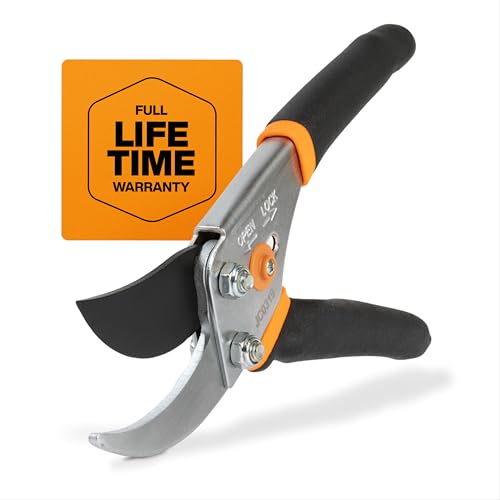
Fiskars Bypass Pruning Shears (5/8")
Best for: Everyday pruning of stems and small branches
A classic bypass pruner with steel blades that cuts live stems and branches up to about 5/8 inch. Bypass blades slide past each other like scissors for clean cuts that heal well.
- Clean bypass cut
- Trusted, widely available
- Comfortable everyday size
- Not for thick branches
- Basic grips
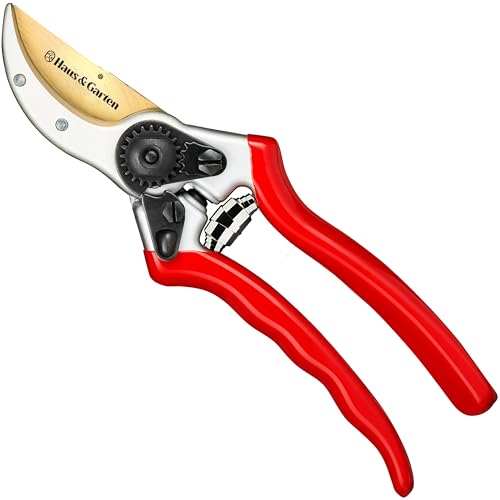
Haus & Garten ClassicPRO 8.5" Bypass Pruners
Best for: Gardeners who prune often
Bypass pruners with high-carbon Japanese-grade steel blades designed to hold a sharp edge for clean, precise cuts on roses, shrubs and fruit trees.
- High-carbon steel blades
- Precise clean cuts
- Good for frequent use
- Carbon steel needs drying to avoid rust
- Higher price
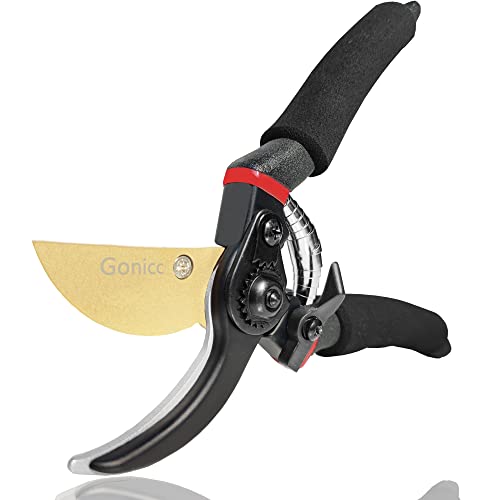
gonicc 8" Professional Titanium Pruning Shears
Best for: Tough woody stems
Drop-forged pruning shears with titanium-coated blades built for heavier garden use and tougher woody growth.
- Drop-forged durability
- Coated blades resist sap
- Strong for woody stems
- Heavier in the hand
- Large for small hands

DECERK Professional Pruning Shears
Best for: Long pruning sessions
Professional-style shears with sharp Japanese steel blades and an ergonomic design aimed at reducing hand fatigue during long sessions.
- Sharp steel blades
- Ergonomic grips
- Smooth action
- Check blade capacity
- Newer brand

Stainless Steel Gardening Scissors (2-Pack)
Best for: Flowers, herbs and harvesting
Narrow-tip garden snips for deadheading flowers, harvesting herbs and cutting stems in tight spaces where full pruners are clumsy.
- Precise narrow tips
- Two pairs included
- Great for flowers and herbs
- Only for soft stems
- Not for branches

Fiskars 28" Bypass Loppers
Best for: Branches too thick for hand pruners
When branches outgrow hand pruners, long-handled loppers give leverage to cut branches up to about 1.5 inches thick with a clean bypass cut.
- Cuts up to about 1.5" branches
- Long handles for leverage
- Bypass blade for live wood
- Two-handed tool
- Bulkier to store
Comparison Table
| # | Product | Best for | Link |
|---|---|---|---|
| 1 | Fiskars Bypass Pruning Shears (5/8″) | Everyday pruning of stems and small branches | Check price |
| 2 | Haus & Garten ClassicPRO 8.5″ Bypass Pruners | Gardeners who prune often | Check price |
| 3 | gonicc 8″ Professional Titanium Pruning Shears | Tough woody stems | Check price |
| 4 | DECERK Professional Pruning Shears | Long pruning sessions | Check price |
| 5 | Stainless Steel Gardening Scissors (2-Pack) | Flowers, herbs and harvesting | Check price |
| 6 | Fiskars 28″ Bypass Loppers | Branches too thick for hand pruners | Check price |
A Closer Look at Each Pick
Fiskars bypass pruning shears, best overall. A dependable, everyday bypass pruner that handles the majority of garden jobs, from cutting flower stems to trimming small shrub branches.
Haus & Garten ClassicPRO. High-carbon steel blades take and hold a very sharp edge, rewarding gardeners who prune often, though carbon steel should be wiped dry to prevent rust.
gonicc titanium shears. Drop-forged construction and coated blades suit tougher woody stems and heavier use.
DECERK professional shears. An ergonomic design focused on comfort for long pruning sessions.
Stainless gardening scissors. Narrow-tip snips are ideal for deadheading, harvesting herbs and cutting flowers for arrangements.
Fiskars 28-inch loppers. When branches are too thick for hand pruners, loppers give the leverage to cut cleanly without straining your hands or damaging the plant.
Bypass vs Anvil vs Ratchet Pruners
Bypass pruners have a sharp upper blade that slides past a lower hook, like scissors. They make clean, precise cuts on live, green growth and are the best choice for most gardeners.
Anvil pruners press a single sharp blade onto a flat surface. They require less force on dry, dead wood but can crush live stems, so they are better for clearing deadwood.
Ratchet pruners cut in stages with several squeezes, multiplying force. They help gardeners with limited hand strength cut thicker stems.
How to Choose the Best Pruning Shears
Consider blade material first. High-carbon steel takes the sharpest edge but needs care to avoid rust; stainless steel resists rust but may dull faster; coated blades reduce sap buildup and friction. Next, check cutting capacity, which most manufacturers list; buy pruners rated for the stems you cut most often and use loppers for anything bigger. Fit and comfort matter more than many people expect: the open handles should fit your hand span comfortably, and grips should be cushioned without being bulky. Look for a secure, easy-to-use locking catch, and replaceable blades and springs, which extend a pruner's life by years. Left-handed gardeners should look for left-handed models or symmetrical designs.
When to Use Loppers Instead
Hand pruners are designed for stems up to roughly half to three quarters of an inch. Forcing them through thicker wood strains your hand, damages the blade and leaves ragged cuts. Loppers, with handles typically 15 to 32 inches long, multiply force and reach into shrubs. Bypass loppers suit live branches up to about 1.5 to 2 inches. For thicker limbs, switch to a pruning saw.
How to Make a Good Pruning Cut
Cut just above a bud or side branch, angled slightly away from the bud, so water runs off. When removing a branch, cut just outside the branch collar, the slightly swollen area where the branch meets the trunk, rather than flush against the trunk. Avoid leaving stubs, which die back and invite decay. Position the bypass blade closest to the part of the plant you are keeping, so the cleanest side of the cut stays on the plant.
What to Prune and When
Timing matters as much as the tool. Most deciduous shrubs that flower on new growth, such as many hydrangeas, butterfly bush and potentilla, are pruned in late winter or early spring before growth starts. Shrubs that flower on old wood, such as lilac, forsythia and many azaleas, are best pruned right after they finish blooming, so you do not cut off next year's flower buds. Roses are typically pruned in late winter or early spring, depending on type. Fruit trees are often pruned while dormant. Dead, damaged and diseased wood can be removed at any time of year. Avoid heavy pruning in late summer and fall, which can stimulate tender growth that is damaged by frost.
Pruning Roses
Roses are one of the most common reasons gardeners buy quality pruners. Use sharp bypass pruners and wear thick gloves. Remove dead, damaged and crossing canes first, then thin the center to improve airflow, which reduces disease. Cut about a quarter inch above an outward-facing bud at a slight angle. Deadhead spent blooms through the season with snips to encourage more flowers.
Deadheading Flowers
Deadheading, removing faded flowers, keeps plants tidy and encourages many annuals and perennials to bloom longer. Narrow-tip snips make it easy to reach into dense plants without damaging buds. Cut the spent flower stem back to a set of healthy leaves or the next bud. Leave seed heads on plants such as coneflowers late in the season if you want to feed birds.
Pruning Tools for Different Jobs
Hand pruners handle stems up to about three quarters of an inch. Loppers handle branches up to about two inches. Pole pruners reach branches overhead without a ladder. Pruning saws cut larger limbs. Hedge shears shape formal hedges. Choosing the right tool for each cut protects both the plant and your hands.
Ergonomics and Hand Health
Pruning involves thousands of repetitive squeezes. To reduce strain, choose pruners sized for your hand, keep blades sharp so less force is needed, use ratchet pruners or loppers for thicker stems rather than forcing hand pruners, and take regular breaks. Gardeners with arthritis or reduced grip strength often find ratchet pruners and models with rotating handles much more comfortable.
How to Make a Clean Pruning Cut
A good cut heals quickly and leaves no stub for disease to enter. Position the thin cutting blade of a bypass pruner on the side of the stem that stays on the plant, so the hook crushes only the piece you are removing. Cut about a quarter inch above a healthy bud or side shoot, sloping the cut slightly away from the bud so water runs off. When removing a whole branch, cut just outside the branch collar, the slightly swollen ring where the branch meets the trunk, rather than flush with the trunk. Leaving the collar intact helps the wound close naturally. Never leave long stubs, which die back and invite rot.
If a stem is too thick to cut in one smooth squeeze, stop. Twisting or levering the pruners to force a cut damages the blade, bends the pivot and leaves a ragged wound. Switch to loppers or a pruning saw instead.
Bypass, Anvil and Ratchet Pruners Compared
Bypass pruners work like scissors, with a sharp curved blade sliding past a thicker hook. They make the cleanest cuts on live, green growth and are the right choice for most shrubs, roses, perennials and fruit trees. Anvil pruners press a straight blade down onto a flat metal or plastic anvil. They cut dry, dead wood with less effort but tend to crush living stems, so they are better for cleanup than for shaping. Ratchet pruners are usually anvil-style tools with a mechanism that lets you cut a thick stem in several smaller squeezes. They suit gardeners with limited grip strength or anyone tackling a lot of hard, dead wood.
Most gardeners are best served by a good bypass pruner as the everyday tool, plus a pair of loppers for thicker branches. Add an anvil or ratchet pruner only if you regularly cut dead wood or have hand strength concerns.
Choosing the Right Size and Grip
Pruners come in small, medium and large sizes, and comfort matters as much as cutting power. With the pruner closed, the handles should sit comfortably in your palm without your fingers stretching to reach. When fully open, your hand should not have to spread uncomfortably wide. Gardeners with smaller hands often find compact models far easier to use for long sessions, while larger hands benefit from longer handles that give more leverage. Left-handed gardeners should look for true left-handed models, because a right-handed bypass pruner places the blade on the wrong side for a left-handed cut. Cushioned or rubberized grips reduce slipping when hands are wet, and a sturdy, easy-to-operate lock keeps the blades closed safely in a pocket or holster.
Blade Materials and Coatings
Most quality pruners use high-carbon steel, which takes and holds a sharp edge well but can rust if left wet. Stainless steel resists rust but is often slightly softer, so it may need sharpening more often. Non-stick coatings, often seen as a dark finish on the blade, reduce sap buildup and friction, which makes cutting easier on sticky plants such as conifers and fruit trees. Replaceable blades are a valuable feature on higher-end tools, because you can restore a pruner to like-new cutting performance without buying a new tool.
Preventing the Spread of Plant Disease
Pruners can carry fungal and bacterial diseases from one plant to the next. When cutting out cankers, blight or other diseased wood, clean the blades between cuts and between plants. A wipe with 70 percent isopropyl alcohol is a common, practical choice because it works quickly and is less corrosive to steel than household bleach. Dispose of diseased clippings in the trash rather than the compost pile, and finish the day by cleaning, drying and lightly oiling the blades.
Safety Tips for Pruning
Wear sturdy gloves, especially around roses and other thorny plants, and wear eye protection when cutting overhead or working in dense shrubs where twigs can spring back. Keep your free hand well away from the blade path. Always engage the lock and store pruners closed, out of reach of children. Avoid working from an unstable ladder; for high branches, use a long-reach or pole pruner from the ground instead. If a branch is large, heavy or near power lines, leave the job to a qualified arborist.
Keeping Pruners Clean and Sharp
Wipe sap off blades after each use. When pruning diseased plants, disinfect blades between cuts or between plants with rubbing alcohol. Sharpen the beveled edge of the cutting blade with a small diamond file or whetstone, following its original angle, and remove burrs from the flat side. Oil the pivot and spring regularly. Store pruners dry, ideally hanging on a wall organizer; see our guide to the best garden tool organizer.
The Bottom Line
The best pruning shears for most gardeners are sharp, comfortable bypass pruners sized for their hands, paired with narrow snips for deadheading and loppers for thicker branches. Choose quality blades, keep them clean and sharp, make cuts just above buds and outside branch collars, and your plants will heal faster and grow healthier.
Frequently Asked Questions
What is the best type of pruning shears?
Bypass pruners are best for most garden pruning because their blades slide past each other like scissors, making clean cuts on live stems that heal quickly. Anvil pruners are better for dead, dry wood.
What size branch can pruning shears cut?
Most hand pruners cut stems up to about 1/2 to 3/4 inch. For thicker branches, use loppers, which handle roughly 1 to 2 inches, or a pruning saw for larger limbs.
How do I clean pruning shears between plants?
Wipe blades with rubbing alcohol or a household disinfectant between plants, especially when cutting diseased growth, to avoid spreading disease.
How often should I sharpen pruning shears?
Sharpen whenever cuts start to crush or tear stems, often a few times a season with regular use. A small sharpening stone or file restores the edge.
Are loppers the same as pruning shears?
Loppers are long-handled pruners for thicker branches. They use the same bypass or anvil cutting styles but give much more leverage.