
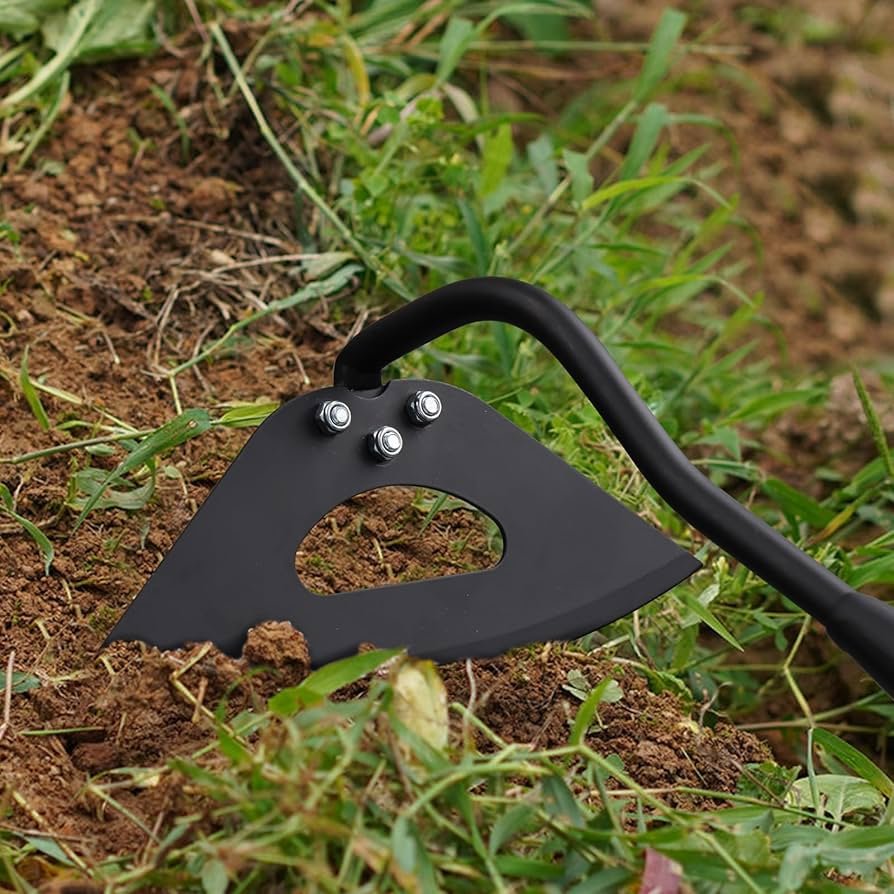
A stirrup hoe is used correctly by pulling it back and forth to cut weeds at the root. Mastering the use of a stirrup hoe can transform your gardening experience by making weed control more efficient and less labor-intensive. Whether you're an experienced gardener or a novice, understanding the right techniques can save you time and energy. In this guide, we'll delve into practical tips, common mistakes to avoid, and insights from seasoned gardeners to help you make the most of this invaluable tool.
Understanding the Stirrup Hoe
A stirrup hoe, named for its stirrup-like shape, is a versatile tool essential for any avid gardener. It's specifically designed for easy and effective weed removal. Its unique design allows for a back-and-forth motion that slices through weeds just below the soil, preventing regrowth.
Benefits of Using a Stirrup Hoe
- Efficiency: Quickly removes weeds without disturbing the soil structure.
- Ease of Use: Lightweight and easy to maneuver.
- Sustainability: Reduces the need for chemical herbicides.
How to Use a Stirrup Hoe Correctly
-
Hold the Hoe Properly: Stand upright and hold the tool with both hands. Your dominant hand should grip the handle at the top, while the other steadies it halfway down.
-
Position Yourself Strategically: Stand close to the weeds you wish to remove, ensuring you have stable footing for balance and leverage.
-
Use Proper Technique:
- Back-and-Forth Motion: Move the hoe back and forth just under the soil surface.
- Maintain Consistent Pressure: Apply consistent pressure to cut the roots effectively.
- Angle the Blade Correctly: Keep the blade parallel to the ground for maximum efficiency.
-
Regular Maintenance:
- Clean After Use: Wipe the blade to prevent rust and remove soil build-up.
- Sharpen the Blade: Regular sharpening ensures optimal performance.
Mistakes to Avoid
- Skipping Sharpening: Dull blades make the tool inefficient.
- Incorrect Positioning: Standing too far can strain your back and reduce effectiveness.
- Over-tilling: Going too deep can disturb the soil structure and harm beneficial organisms.
Personal Insights and Tips
From my gardening experience, the right timing is crucial. Using the stirrup hoe after a light rain can be more effective since the soil is softer, making weed removal easier. Additionally, incorporating this tool into a regular routine can greatly reduce the weed population over time, requiring less effort and maintaining a healthier garden.
Frequently Asked Questions of How to Use a Stirrup Hoe Correctly Tips
How does a stirrup hoe differ from a regular hoe?
A stirrup hoe features a stirrup-shaped blade that moves back and forth, cutting weeds below the soil surface, whereas a traditional hoe typically requires downward chopping motions.
Can a stirrup hoe be used in all types of soil?
Yes, but it works best in looser, well-drained soils. Heavy clay or compacted soil may need prior tilling for optimal results.
How often should I use a stirrup hoe?
Regular use, such as once a week during the growing season, helps prevent weed reestablishment.
Is it necessary to use a stirrup hoe after rain?
While not mandatory, using it after rain can make the job easier because the soil is softer.
What should I do if my stirrup hoe's blade becomes dull?
Sharpen the blade using a file or sharpening stone to maintain its effectiveness and efficiency.
Conclusion
Mastering the use of a stirrup hoe can significantly enhance your gardening efforts by providing a practical, eco-friendly way to manage weeds. By adopting the correct techniques and maintaining your tool, you'll enjoy a thriving garden with minimal effort. Embrace these tips and see the difference in your gardening routine. Ready to take control of your garden? Start today by applying these insights and share your progress with fellow gardeners.