
A healthy, green lawn is a source of pride for many homeowners. But nothing ruins that look faster than brown, patchy spots that seem to appear overnight. One common culprit is dollar spot fungus, a lawn disease that can quickly turn lush grass into a blotchy mess. If you want to protect your lawn and keep it looking its best, understanding how to treat dollar spot fungus is essential. With the right steps, you can not only stop the disease but also prevent it from returning.
What Is Dollar Spot Fungus?
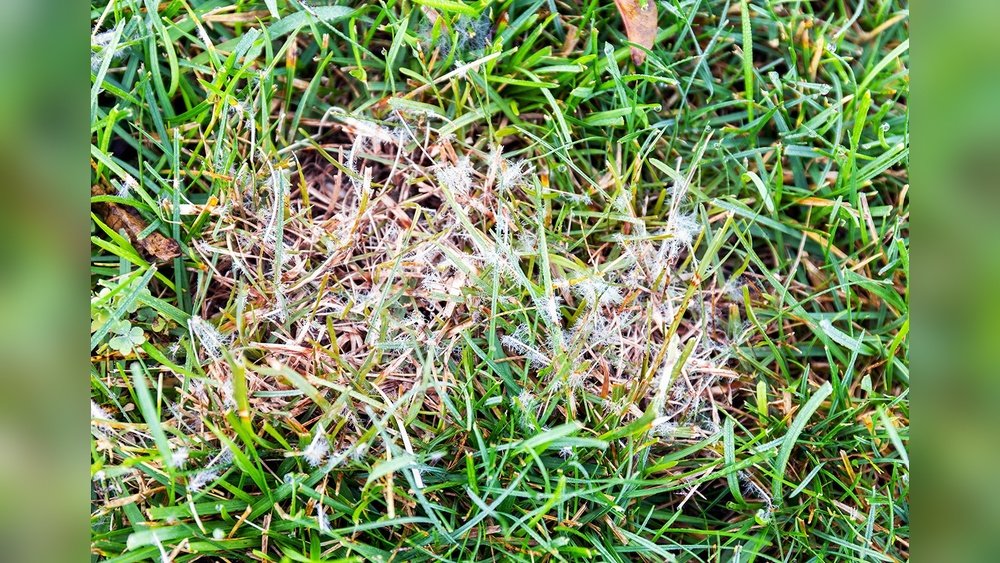
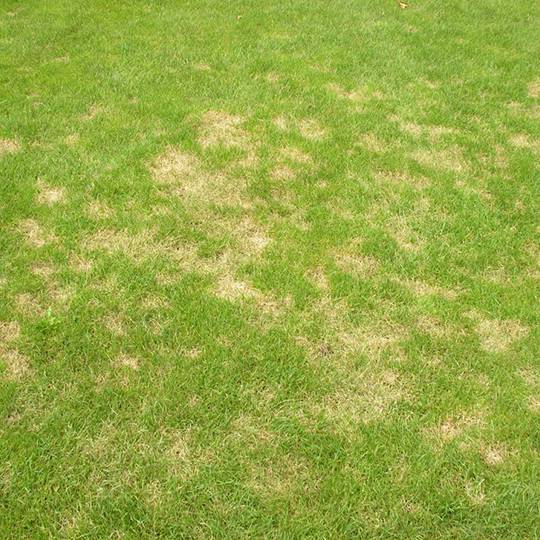
Dollar spot is a turfgrass disease caused by the fungus Clarireedia jacksonii. It gets its name from the small, silver-dollar-sized patches it creates on grass blades. These spots start out as pale, straw-colored circles and can quickly merge, forming larger irregular brown areas.
This fungus thrives in warm, humid conditions, typically when temperatures range from 60–85°F (15–29°C) and moisture is present. It can affect many types of grass, including:
- Bentgrass
- Bermudagrass
- Kentucky bluegrass
- Fescue
Dollar spot is not just a cosmetic problem—it weakens the grass, making it more vulnerable to other diseases and stress.
How To Identify Dollar Spot Fungus
Early identification is key to controlling dollar spot before it spreads. Here’s what to look for:
- Small, round patches: Spots are about the size of a silver dollar (2–6 cm wide).
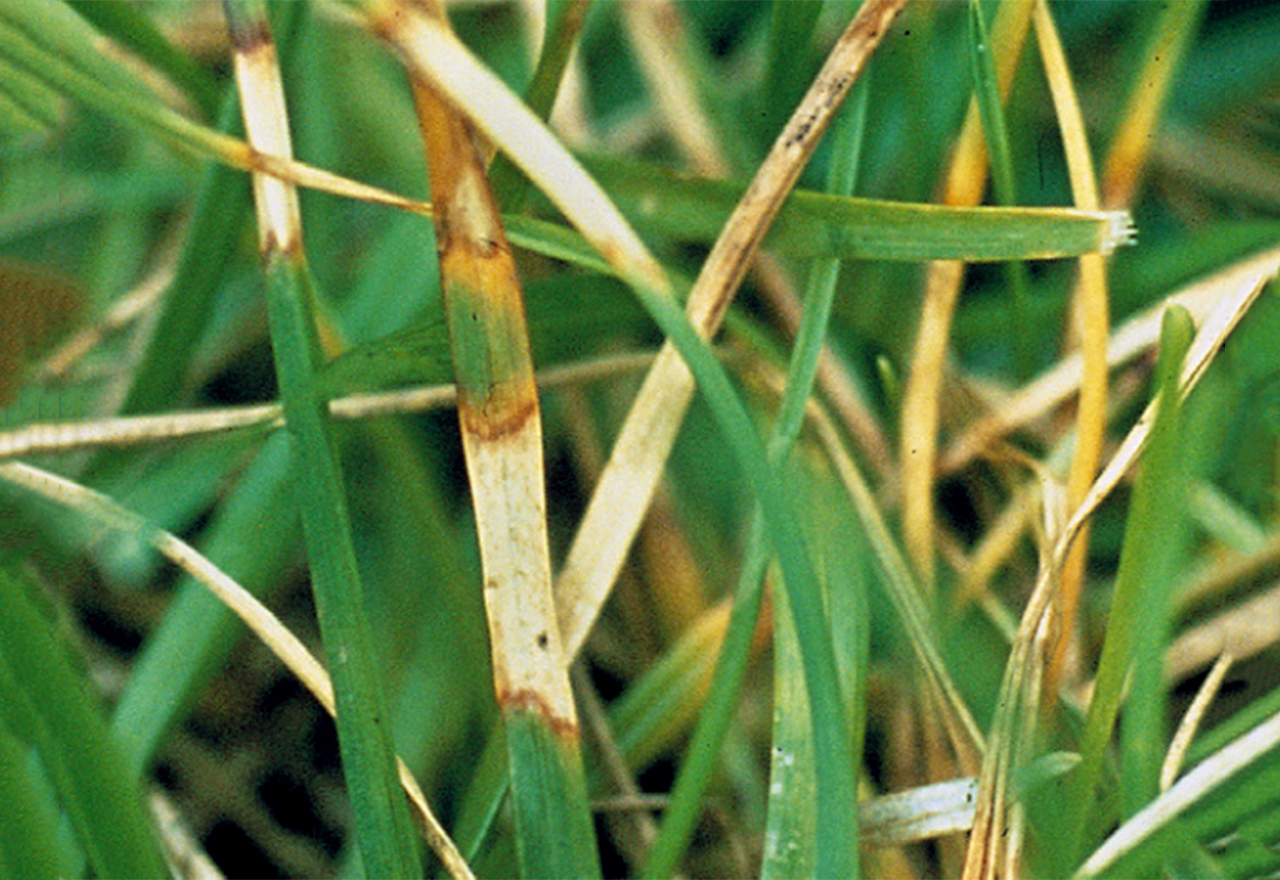
- Straw-colored lesions: Grass blades have hourglass-shaped tan lesions with reddish-brown edges.
- Web-like growth: In the morning, you may see a white, cobweb-like substance (mycelium) on the grass.
- Patch expansion: Over time, small spots can join together, creating large, irregular brown areas.
Misidentifying dollar spot is a common mistake—other lawn problems like drought or fertilizer burn can look similar. Always check for the unique lesions and morning mycelium.
Why Dollar Spot Fungus Happens
Dollar spot often appears when lawns are stressed or conditions favor fungal growth. Here are the main causes:
- Low nitrogen levels: Underfed grass is more vulnerable.
- Excess moisture: Overwatering or frequent light irrigation keeps grass wet.
- Poor air circulation: Dense thatch or crowded plants trap humidity.
- Mowing too short: Scalped lawns are more at risk.
- Warm, humid weather: The fungus thrives in these conditions.
Understanding these triggers helps you plan your treatment and prevention strategy.
Step-by-step: How To Treat Dollar Spot Fungus
There’s no single solution—effective treatment means combining several approaches. Here’s how to get dollar spot under control.
1. Adjust Lawn Care Practices
Start by improving your lawn’s overall health. Healthy grass fights off disease better.
- Fertilize properly: Apply a balanced fertilizer with enough nitrogen to support growth. Most lawns need 1–4 lbs of nitrogen per 1,000 sq ft per year, depending on grass type.
- Water deeply but less often: Water in the early morning, giving the soil a good soak. Avoid frequent, shallow watering.
- Raise mowing height: Set your mower at the recommended height for your grass. Never cut more than one-third of the blade at a time.
- Remove thatch: Thatch over 0.5 inches thick should be removed. Use a dethatching rake or machine.
These steps help the grass recover and make the environment less friendly for the fungus.
2. Use Fungicides (when Needed)
If cultural methods aren’t enough, you may need a fungicide. Choose a product labeled for dollar spot and your grass type.
Common fungicides for dollar spot include:
- Propiconazole
- Chlorothalonil
- Azoxystrobin
- Myclobutanil
Apply fungicides as directed, usually every 14–28 days during active disease. Rotate products to avoid resistance.
Sample Fungicide Comparison
| Fungicide Name | Mode of Action | Reapplication Interval | Notes |
|---|---|---|---|
| Propiconazole | Sterol biosynthesis inhibitor | 21–28 days | Systemic, long-lasting |
| Chlorothalonil | Multi-site contact | 7–14 days | Protectant, wash off can reduce effect |
| Azoxystrobin | QoI inhibitor | 14–21 days | Systemic, rotate to prevent resistance |
Always follow label instructions for safety and best results. Overuse of one fungicide can create resistant strains, so rotating products is essential.
3. Improve Lawn Drainage And Airflow
Dollar spot loves wet, stagnant conditions. Improve drainage by:
- Aerating compacted soil: Use a core aerator to create holes for air and water.
- Leveling low spots: Fill in areas where water collects.
- Pruning nearby plants: Trim shrubs or trees that shade the grass and block airflow.
Better drainage and airflow help grass dry quickly after watering or rain.
4. Reseed Damaged Areas
Badly affected spots may need reseeding. Choose a grass variety that resists dollar spot if possible.
Steps to reseed:
- Remove dead grass and loosen soil.
- Apply quality grass seed.
- Cover with a thin layer of soil or compost.
- Water gently but keep the area moist until seeds sprout.
This helps your lawn recover faster and look even again.
5. Monitor And Repeat As Needed
After treatment, watch your lawn closely. If dollar spot returns, repeat fungicide applications and adjust care as needed. Fast action prevents major outbreaks.

Credit: www.youtube.com
Preventing Dollar Spot Fungus
Prevention is easier than cure. Focus on these strategies:
- Balanced fertilization: Keep your lawn well-fed but not over-fertilized.
- Proper watering: Water early in the day so grass dries before nightfall.
- Correct mowing: Maintain the right height and mow with sharp blades.
- Reduce thatch: Regular dethatching keeps fungus from hiding in old plant material.
- Increase sunlight and airflow: Trim plants and remove debris.
Some lawn owners also use preventive fungicide treatments during high-risk periods (late spring and early fall), especially on expensive or high-maintenance lawns.
Prevention Vs. Cure Comparison
| Method | Prevention | Treatment |
|---|---|---|
| Proper Fertilization | Essential | Helps recovery |
| Water Management | Critical | Supports treatment |
| Fungicide Application | Optional (high risk lawns) | Often necessary |
| Thatch Removal | Highly recommended | Speeds up healing |
Common Mistakes When Treating Dollar Spot
Even experienced lawn owners can make errors. Avoid these pitfalls:
- Misdiagnosis: Many brown patches are not dollar spot. Confirm with symptoms or consult a local expert.
- Overwatering: Trying to “wash away” fungus just makes it worse.
- Using the wrong fungicide: Not all products work for dollar spot. Always check the label.
- Skipping follow-up: One treatment is often not enough. Monitor and repeat as needed.
- Ignoring soil health: Poor soil can keep grass weak and disease-prone.
Two insights beginners often miss:
- Nitrogen deficiency is a key trigger for dollar spot. A simple fertilizer application can sometimes stop the disease without fungicides.
- Morning watering is much better than evening. Wet grass overnight is the perfect fungus environment.
Credit: www.whygoodnature.com
Real-world Example: Dollar Spot On Kentucky Bluegrass
Imagine a homeowner with a Kentucky bluegrass lawn in the Midwest. In early summer, small brown spots appear. They water every evening, mow short, and haven’t fertilized in months.
They test the soil and find low nitrogen. By switching to early morning watering, raising the mowing height, and applying a balanced fertilizer, the dollar spot stops spreading. A single fungicide application is enough, and reseeding fills in the worst patches.
The lawn recovers fully by mid-summer.
When To Call A Professional
Most homeowners can manage dollar spot with the steps above. But if you see:
- Large, spreading patches
- Disease that returns despite treatment
- Expensive or sensitive turf (like golf greens)
…it’s wise to call a lawn care professional. They can diagnose the disease, recommend the right fungicide, and offer a tailored management plan.
Credit: cardinallawns.com
Frequently Asked Questions
What Does Dollar Spot Fungus Look Like?
Dollar spot fungus creates small, straw-colored spots about the size of a silver dollar. Look for tan, hourglass-shaped lesions on grass blades and sometimes a white, cobweb-like growth in the morning.
Can Dollar Spot Fungus Kill My Lawn?
While dollar spot rarely kills the entire lawn, it can weaken grass and cause large, ugly brown areas. Weak grass is more likely to suffer from other stresses.
Is Dollar Spot Fungus Harmful To Pets Or People?
No, dollar spot only affects grass. It does not harm humans or animals, so pets and children can safely use the lawn.
How Long Does It Take To Cure Dollar Spot Fungus?
Recovery time depends on lawn health and weather. With proper treatment, visible improvement often appears in 1–2 weeks. Severe cases may take a month or longer to fully recover.
Where Can I Find More Detailed Information About Turfgrass Diseases?
For in-depth guidance, visit the American Phytopathological Society, which offers science-based resources about turfgrass fungi and management.
A beautiful lawn takes effort, but understanding and treating dollar spot fungus means you can enjoy thick, green grass year-round. Early action, good care habits, and smart prevention are your best tools for success.