
Winter is coming. It’s time to prepare your lawn for the cold months. Winterizing your lawn helps it stay healthy. Follow these steps to keep your grass green and strong.
Why Winterize Your Lawn?
Winter can be tough on grass. Snow, ice, and cold temperatures can damage your lawn. Winterizing helps protect it. Your lawn will look better in spring if you prepare it now.
Steps to Winterize Your Lawn
Follow these easy steps to winterize your lawn:
- Clean Your Lawn
- Mow Your Lawn
- Aerate the Soil
- Fertilize Your Lawn
- Water Your Lawn
- Seed Bare Spots
- Apply Mulch
- Protect Your Lawn from Traffic
- Check Your Equipment
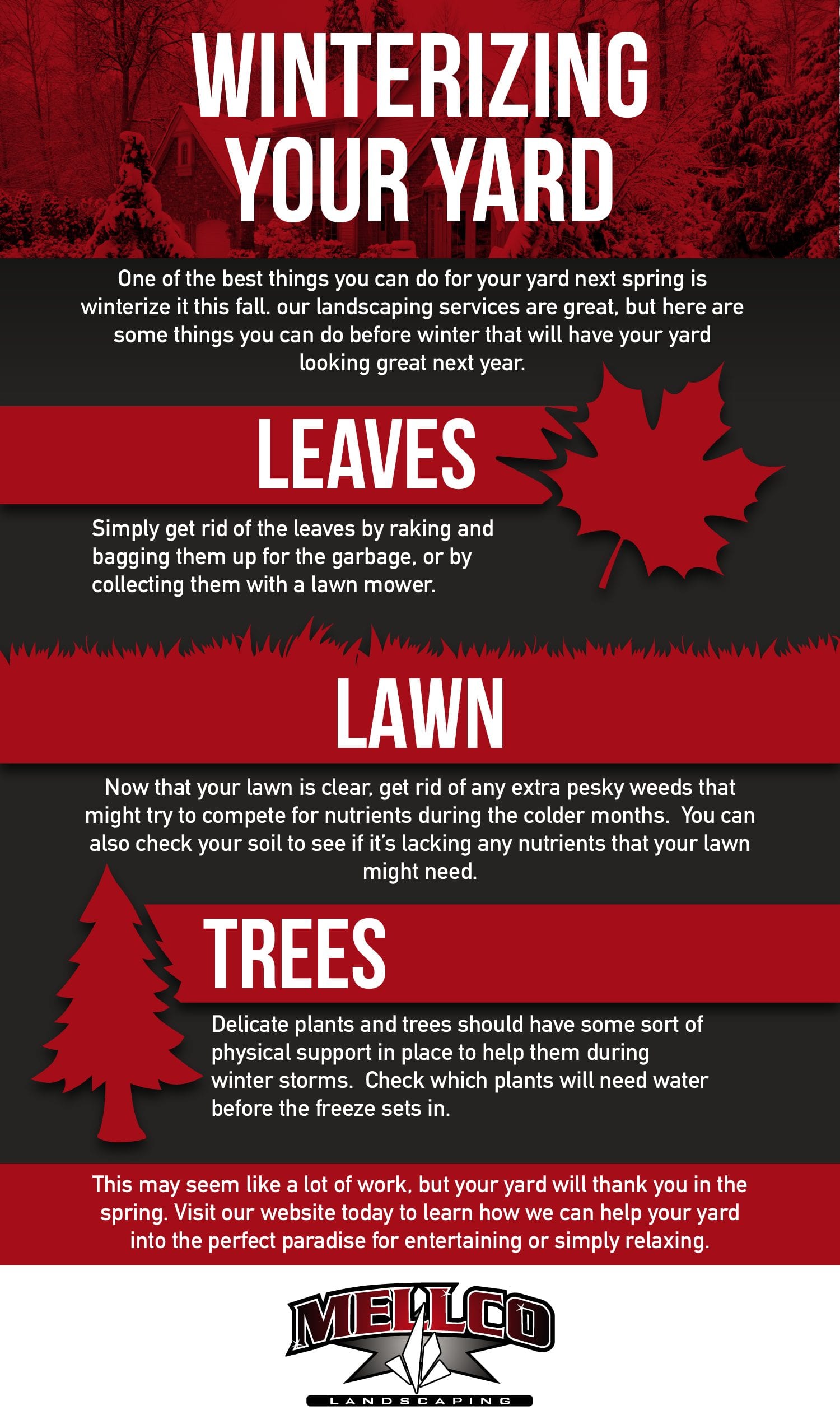
Remove leaves, twigs, and debris. A clean lawn helps grass breathe. It also prevents mold and disease.
Keep your grass short. Cut it to about 2-3 inches high. Short grass prevents snow mold. It also reduces hiding spots for pests.
Aerating helps air, water, and nutrients reach the roots. Use a garden fork or aerator tool. This step is important for soil health.
Use a winter-specific fertilizer. It gives grass the nutrients it needs. Fertilizing now helps grass grow strong roots.
Water your lawn deeply. This helps grass store moisture. Don’t water too much, though. Overwatering can cause problems.
Check for bare spots in your lawn. Use grass seed to fill them. This helps prevent weeds from growing.
Mulch protects grass roots from the cold. Spread a thin layer over your lawn. It also helps retain moisture.
Try to keep foot traffic off your lawn. Heavy traffic can damage grass. Use walkways and paths instead.
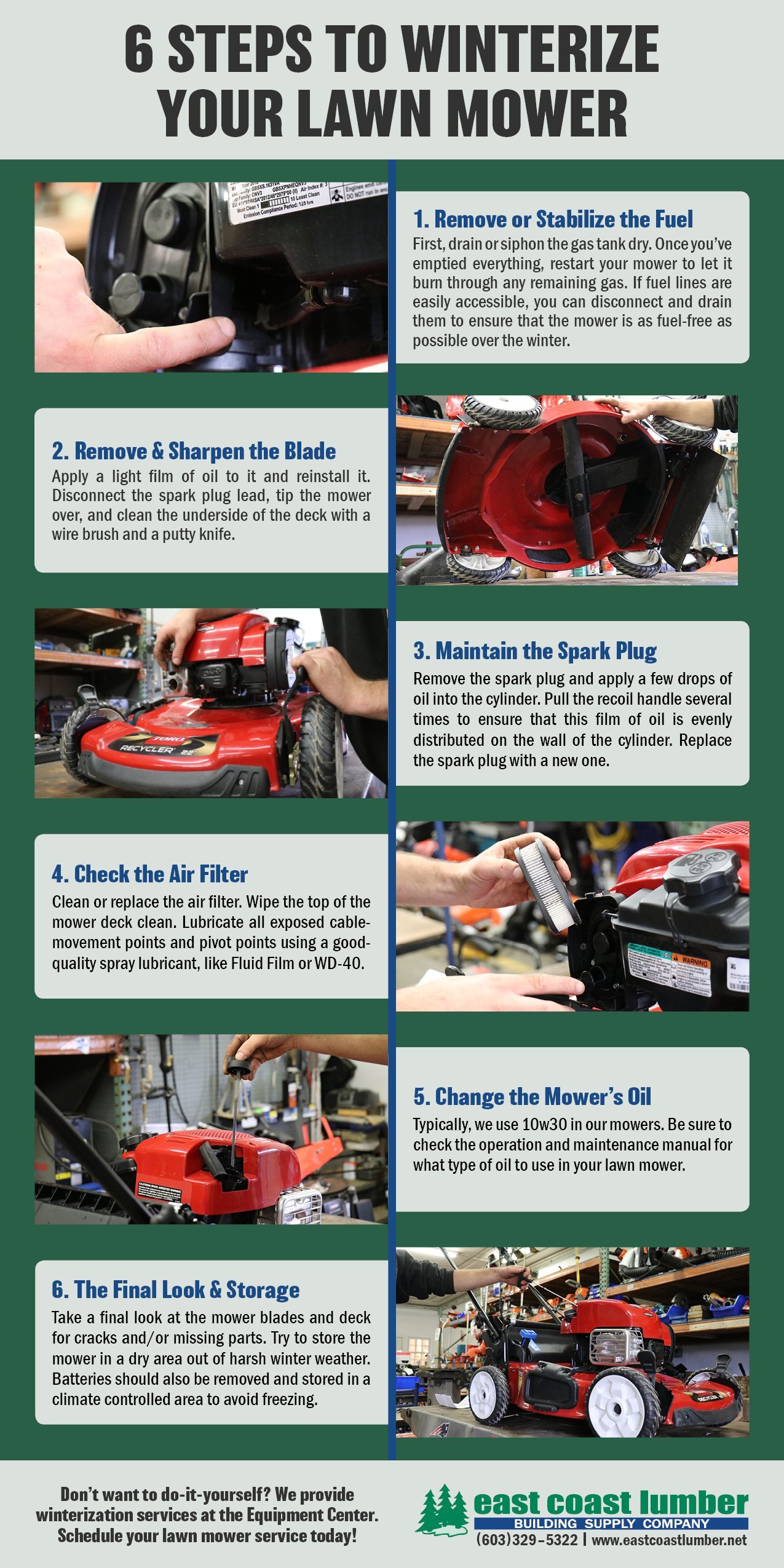
Make sure your lawn tools are in good shape. Clean and store them properly. This helps you be ready for spring.
Winter Lawn Care Tips
Here are some extra tips for winter lawn care:
- Monitor Snow and Ice
- Avoid Using Salt
- Keep an Eye on Pests
Too much snow can suffocate grass. Use a shovel to remove heavy snow. Be careful not to damage the grass.
Salt can harm your lawn. Use sand or kitty litter for traction instead. These options are safer for grass.
Some pests stay active in winter. Check for signs of damage. Treat any problems right away.
Credit: mellcolandscaping.com
Benefits of Winterizing Your Lawn
| Benefit | Description |
|---|---|
| Healthier Grass | Your grass will be strong and healthy. It can resist disease better. |
| Better Appearance | Your lawn will look green and lush. It will be more attractive in spring. |
| Less Maintenance | Winterizing reduces the need for repairs. You’ll spend less time fixing your lawn in spring. |
| Cost Savings | Healthy grass needs fewer treatments. You’ll save money on lawn care products. |
Credit: www.eastcoastlumber.net
Common Mistakes to Avoid
Avoid these common mistakes when winterizing your lawn:
- Skipping Aeration
- Overwatering
- Using the Wrong Fertilizer
- Ignoring Bare Spots
Aeration is crucial for soil health. Don’t skip this step.
Too much water can cause problems. Water your lawn deeply but not too often.
Use a winter-specific fertilizer. It has the nutrients your grass needs.
Bare spots can lead to weed growth. Seed them to keep your lawn healthy.
Frequently Asked Questions
How Do I Prepare My Lawn For Winter?
Properly mowing, fertilizing, and aerating your lawn ensures it remains healthy throughout the winter months.
When Should I Start Winterizing My Lawn?
Begin winterizing your lawn in late fall, before the first frost hits.
What Type Of Fertilizer Is Best For Winter?
Use a slow-release, high-potassium fertilizer to strengthen your grass for the cold months.
Should I Aerate My Lawn Before Winter?
Yes, aerating helps improve soil drainage and allows nutrients to reach the roots.
Conclusion
Winterizing your lawn is easy and important. Follow these steps to keep your grass healthy and green. Your lawn will thank you in the spring.