
Seeding your lawn can give you a lush, green yard. But, you need to prepare the ground first. This guide will help you get your lawn ready for seeding.
Why Prepare Your Lawn for Seeding?
Preparation is key for a healthy lawn. Proper preparation allows seeds to grow well. It also prevents weeds and other problems.
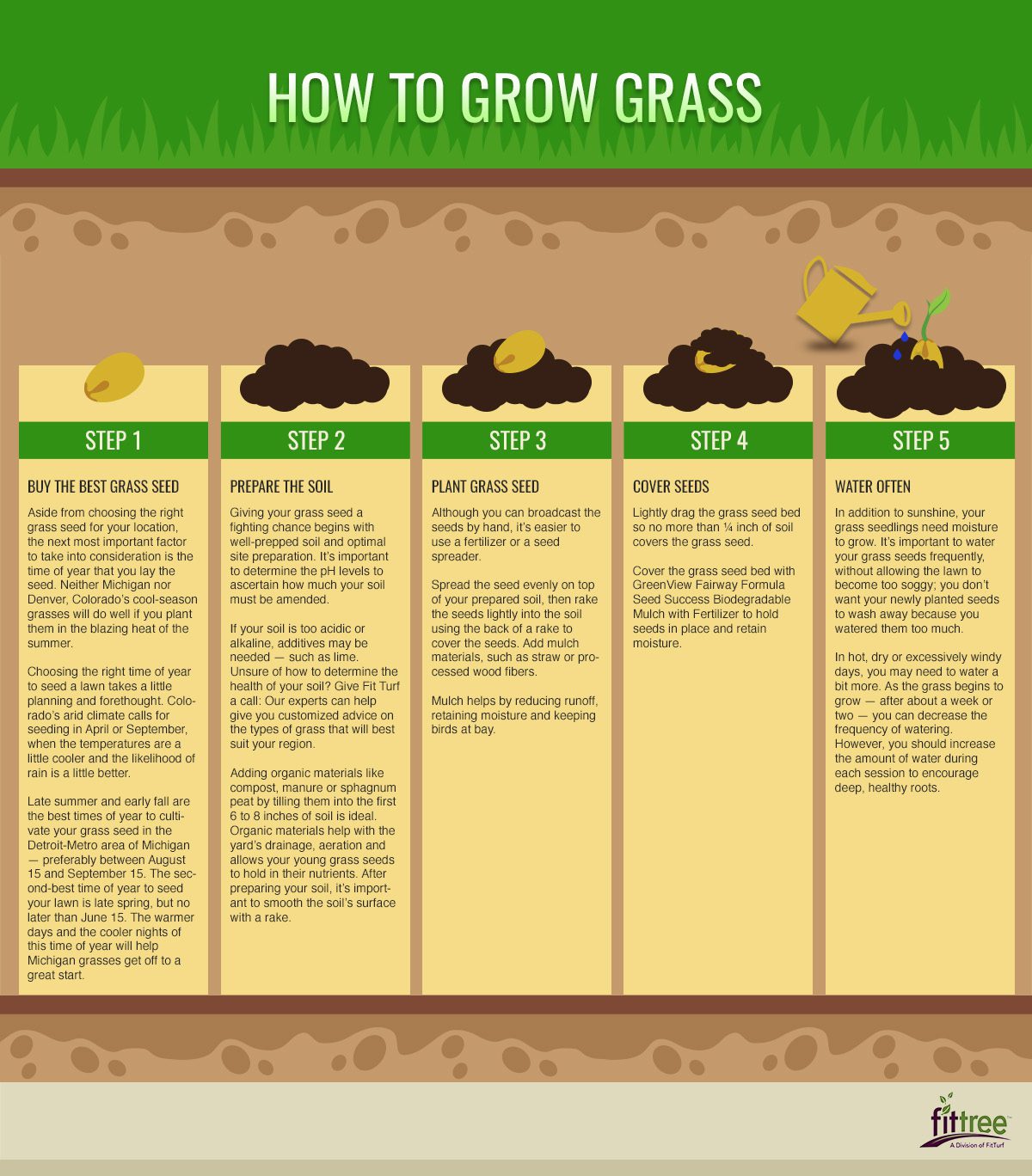
Credit: fitturf.com
Step-by-Step Guide to Prepare Your Lawn
1. Test The Soil
First, you need to test your soil. Soil tests tell you what nutrients are lacking. You can get a soil test kit from a garden center. Follow the instructions on the kit. The test will show if you need to add lime or fertilizer.
2. Clear The Area
Remove any debris from the lawn. This includes rocks, sticks, and old grass. You can use a rake to do this. Clearing the area helps seeds make good contact with the soil.
3. Mow The Lawn
Next, mow your lawn. Set your mower to a low setting. Cut the grass short, but do not scalp it. Short grass allows more sunlight to reach the soil.
4. Aerate The Soil
Aerating the soil makes it easier for seeds to grow. You can rent an aerator or use a hand tool. Aerate the soil by making small holes all over the lawn. This helps air, water, and nutrients reach the roots.
5. Add Compost
Compost improves soil health. Spread a thin layer of compost over the lawn. Use a rake to mix it into the soil. Compost adds nutrients and helps soil retain moisture.
6. Level The Soil
Level the soil to create a smooth surface. Use a rake to even out any bumps or dips. A level surface helps seeds germinate evenly.
7. Apply Starter Fertilizer
Starter fertilizer helps seeds grow quickly. Apply the fertilizer according to the package instructions. Make sure to choose a fertilizer designed for new grass.
8. Choose The Right Seed
Select the right type of grass seed for your lawn. Consider your climate and soil type. There are different seeds for sunny and shady areas. Make sure to buy high-quality seeds.
9. Spread The Seed
Spread the seed evenly over the lawn. You can use a broadcast spreader for this. Follow the seeding rate on the seed package. Make sure to overlap each pass with the spreader.
10. Cover The Seed
Lightly cover the seed with soil. You can use a rake to do this. Covering the seed helps protect it from birds and wind. It also keeps the seed moist.
11. Water The Lawn
Watering is very important. Water the lawn right after seeding. Keep the soil moist until the grass grows. This may mean watering several times a day.
12. Protect The New Grass
Protect the new grass from heavy foot traffic. You can put up signs or barriers. This gives the grass time to establish roots.
Maintenance Tips
Once your grass starts to grow, you need to take care of it. Here are some tips:
- Water deeply but less often.
- Mow the grass when it reaches 3 inches tall.
- Fertilize the lawn every 6-8 weeks.
- Avoid using weed killers for the first few months.
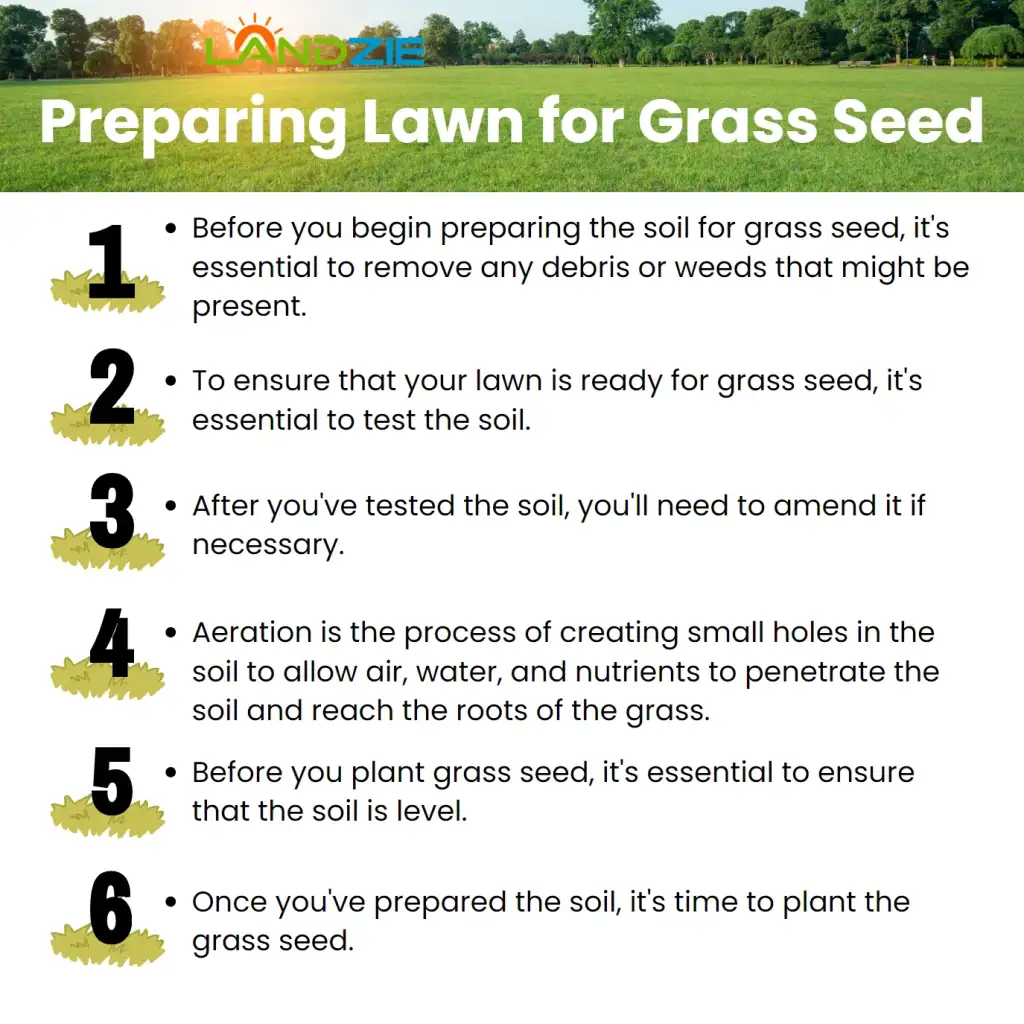
Credit: landzie.com
Frequently Asked Questions
What Is The Best Time To Seed A Lawn?
Early fall or spring is ideal for seeding.
How Do I Prepare Soil For Seeding?
Remove debris, aerate, and level the soil before seeding.
Should I Fertilize Before Or After Seeding?
Fertilize before seeding to provide essential nutrients.
How Often Should I Water New Seeds?
Water daily to keep the soil consistently moist.
Conclusion
Preparing your lawn for seeding takes time and effort. But, the results are worth it. Follow these steps for a lush, green lawn. Happy gardening!