
Having a beautiful lawn is a dream for many homeowners. However, lawn pests can ruin this dream. They can damage the grass, causing brown patches and thinning. This article will guide you on how to deal with lawn pests effectively.
Credit: lawnhiro.com
Identifying Common Lawn Pests
First, you need to identify which pests are causing the problem. Here are some common lawn pests:
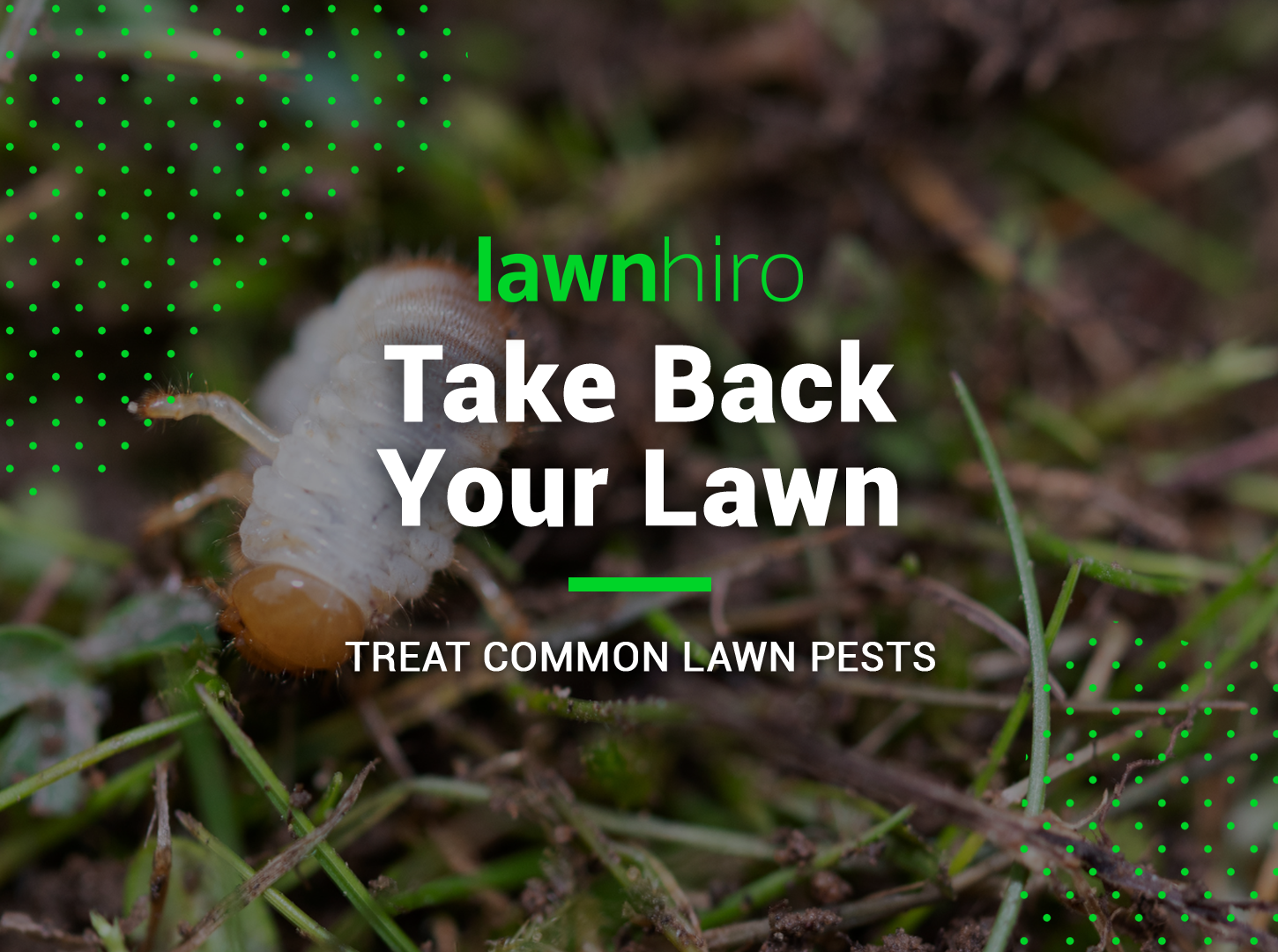
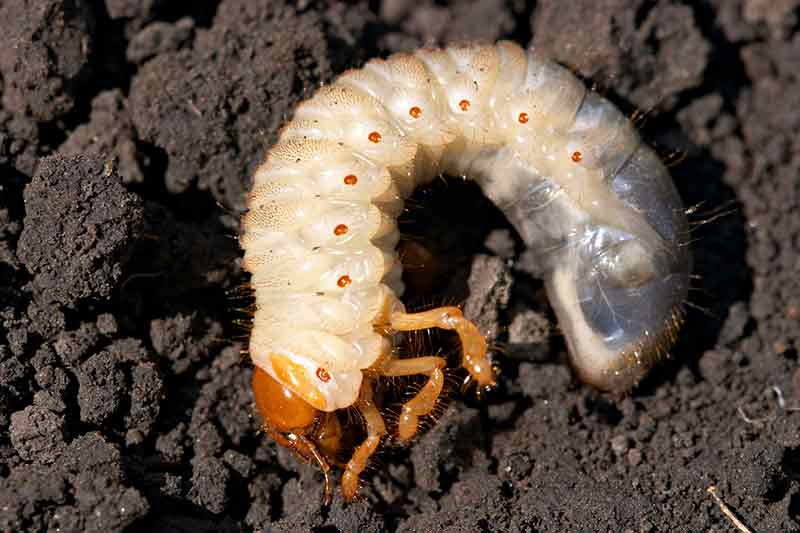
- Grubs: These are the larvae of beetles. They feed on grass roots, causing the grass to die.
- Chinch Bugs: These small bugs suck the sap from grass blades. They cause yellowish patches on the lawn.
- Armyworms: These caterpillars eat grass blades and can cause extensive damage.
- Billbugs: These pests feed on grass stems and roots, causing the grass to wilt and die.
Preventing Lawn Pests
Prevention is better than cure. Here are some tips to prevent lawn pests:
- Maintain Healthy Grass: Healthy grass is less prone to pests. Water your lawn regularly and mow it properly.
- Aerate the Soil: Aerating helps the roots grow deeper and stronger. This makes the lawn more resilient.
- Use Natural Predators: Birds and beneficial insects can help control pests. Encourage them to visit your lawn.
- Apply Organic Fertilizers: Organic fertilizers improve soil health. They make the grass stronger and less attractive to pests.
Credit: www.gardentech.com
Treating Lawn Pests
If you already have pests, you need to treat them. Here are some treatment methods:
Natural Treatments
Natural treatments are safe and eco-friendly. Here are some options:
- Neem Oil: Neem oil is effective against many pests. Mix it with water and spray it on the lawn.
- Diatomaceous Earth: This powder is made from fossilized algae. Sprinkle it on the lawn to kill pests.
- Beneficial Nematodes: These microscopic worms kill grubs and other pests. Apply them to the soil.
Chemical Treatments
Chemical treatments can be effective but should be used carefully. Here are some options:
- Insecticides: These chemicals kill pests. Follow the instructions carefully to avoid harming beneficial insects.
- Herbicides: Some pests are attracted to weeds. Use herbicides to control weeds and reduce pest problems.
Dealing with Specific Lawn Pests
Different pests require different treatments. Here are some specific tips:
Grubs
Grubs can be very destructive. Here’s how to deal with them:
- Use Milky Spore: This natural treatment targets grubs specifically. Apply it to the soil in spring and fall.
- Apply Beneficial Nematodes: These tiny worms kill grubs. Apply them when the soil is moist.
- Use Insecticides: If the infestation is severe, use an insecticide. Follow the instructions carefully.
Chinch Bugs
Chinch bugs can cause yellow patches on your lawn. Here’s how to control them:
- Water the Lawn: Chinch bugs thrive in dry conditions. Water your lawn regularly to keep it moist.
- Use Insecticidal Soap: This is a natural treatment. Spray it on the affected areas to kill chinch bugs.
- Apply Insecticides: For severe infestations, use an insecticide. Follow the label instructions.
Armyworms
Armyworms can cause extensive damage. Here’s how to deal with them:
- Handpicking: If the infestation is small, you can handpick the armyworms. Dispose of them in soapy water.
- Use Bacillus Thuringiensis (Bt): This natural treatment kills caterpillars. Spray it on the affected areas.
- Apply Insecticides: For large infestations, use an insecticide. Follow the instructions carefully.
Billbugs
Billbugs can damage grass stems and roots. Here’s how to control them:
- Apply Beneficial Nematodes: These worms kill billbug larvae. Apply them to the soil when it’s moist.
- Use Insecticides: For severe infestations, use an insecticide. Follow the label instructions carefully.
- Maintain Healthy Grass: Healthy grass is less prone to billbugs. Water and fertilize your lawn regularly.
Frequently Asked Questions
What Are Common Lawn Pests?
Common lawn pests include grubs, chinch bugs, armyworms, and sod webworms.
How Can I Identify Lawn Pests?
Look for signs like brown patches, chewed grass, and increased bird activity.
What Attracts Pests To Lawns?
Overwatering, poor drainage, and excess thatch can attract pests to your lawn.
Are Natural Pest Controls Effective?
Yes, natural controls like nematodes and beneficial insects can be very effective.
Conclusion
Dealing with lawn pests can be challenging. However, with the right knowledge and tools, you can keep your lawn healthy and beautiful. Identify the pests, prevent infestations, and treat problems promptly. Follow these tips, and you’ll have a lush, green lawn in no time.