
Your lawn is a part of your home. It adds beauty and value. But pests can ruin it. Managing lawn pests is important. Let’s learn how to do it effectively.
Why Managing Lawn Pests is Important
Lawn pests can harm your grass. They can also affect other plants. Here are some reasons why you should manage lawn pests:
- Pests can eat your grass.
- They can spread diseases.
- Pests can attract other unwanted animals.
- Your lawn will look bad.
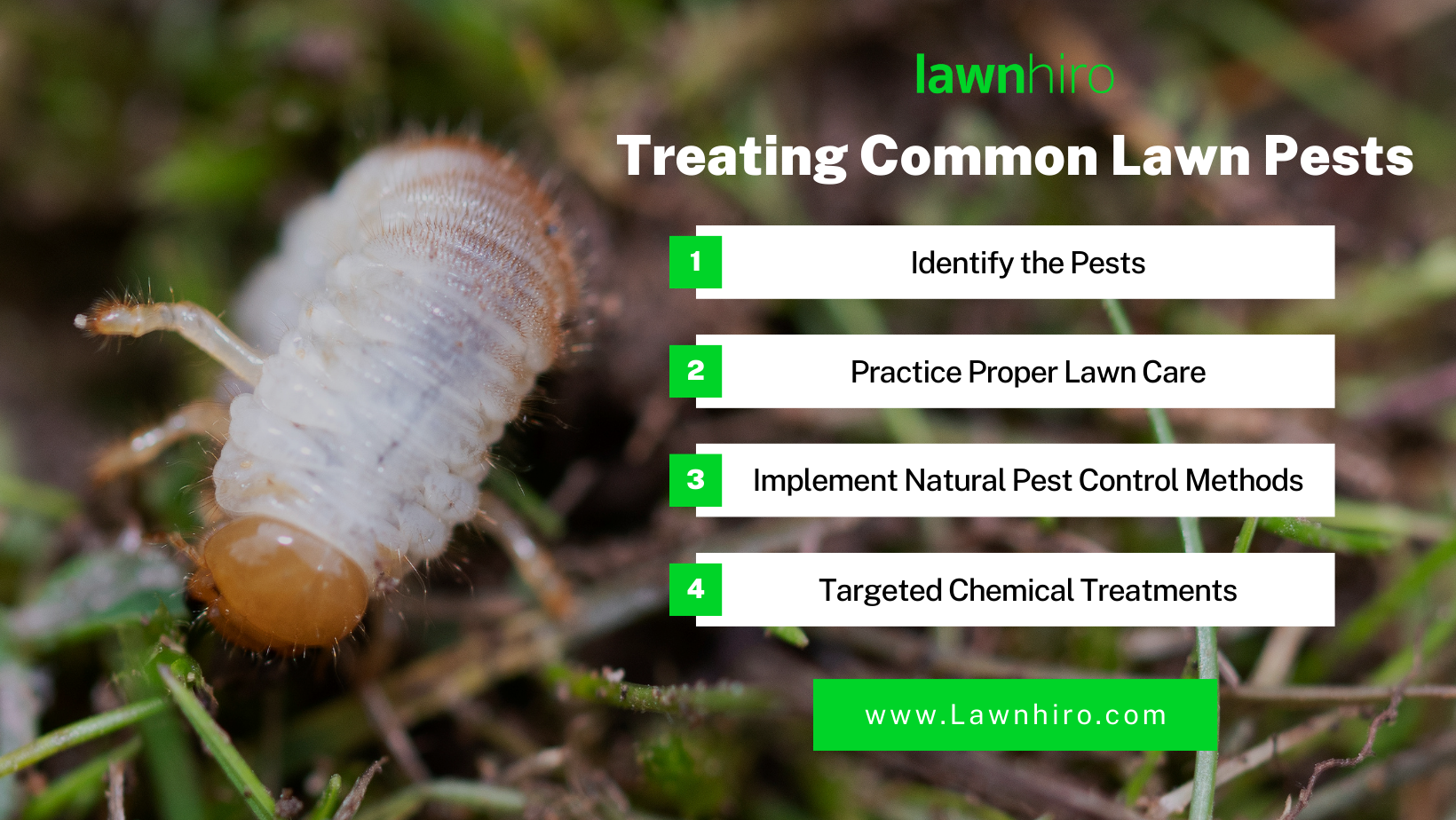
Credit: lawnhiro.com
Common Lawn Pests
There are many types of lawn pests. Knowing them helps you manage them. Here are some common lawn pests:
| Pest | Description |
|---|---|
| Grubs | These are beetle larvae. They eat grass roots. |
| Chinch Bugs | These bugs suck sap from grass. They cause yellow patches. |
| Armyworms | These are caterpillars. They eat grass blades. |
| Sod Webworms | These are moth larvae. They chew grass leaves. |
| Moles | These animals dig tunnels. They damage grass roots. |

Credit: myallgreen.com
How to Identify Lawn Pests
Identifying pests is the first step. Here are some signs to look for:
- Brown or yellow patches on your lawn.
- Grass that feels spongy when you walk on it.
- Holes or tunnels in the lawn.
- Seeing the pests themselves.
Natural Ways to Manage Lawn Pests
Using natural methods is safe. It is also good for the environment. Here are some natural ways to manage lawn pests:
1. Keep Your Lawn Healthy
A healthy lawn can resist pests. Here are some tips to keep your lawn healthy:
- Water your lawn regularly.
- Mow your grass to the right height.
- Fertilize your lawn.
- Aerate your lawn.
2. Use Beneficial Insects
Some insects are good for your lawn. They eat the bad pests. Here are some beneficial insects:
- Lacewings
- Ladybugs
- Ground beetles
3. Apply Natural Pesticides
Natural pesticides are safe to use. Here are some options:
- Neem oil
- Insecticidal soap
- Diatomaceous earth
Chemical Methods to Manage Lawn Pests
Sometimes natural methods are not enough. You may need to use chemicals. Here are some tips:
1. Choose The Right Pesticide
Not all pesticides are the same. Choose one that targets your pest. Read the label carefully.
2. Follow Instructions
Always follow the instructions. This ensures safety and effectiveness. Do not use more than recommended.
3. Apply At The Right Time
Timing is important. Apply pesticides when pests are active. This increases effectiveness.
Preventing Lawn Pests
Prevention is better than cure. Here are some tips to prevent lawn pests:
- Keep your lawn clean.
- Remove debris and fallen leaves.
- Do not overwater your lawn.
- Use pest-resistant grass varieties.
Frequently Asked Questions
What Are Common Lawn Pests?
Common lawn pests include grubs, chinch bugs, armyworms, and sod webworms. These pests can damage your lawn significantly.
How Do I Identify Lawn Pests?
Identify lawn pests by checking for yellow patches, chewed grass blades, and visible insects. Look for signs of damage.
What Is The Best Time To Treat Lawn Pests?
The best time to treat lawn pests is early spring or late summer. This targets them before they cause damage.
Can Natural Remedies Control Lawn Pests?
Yes, natural remedies like neem oil, diatomaceous earth, and beneficial nematodes can effectively control lawn pests.
Conclusion
Managing lawn pests is important. It keeps your lawn healthy and beautiful. Use natural methods first. If needed, use chemicals carefully. Prevent pests by keeping your lawn clean. Follow these tips to enjoy a pest-free lawn.