
Taking care of your lawn is very important. Your lawn needs special care when seasons change. This guide will help you transition your lawn between seasons.

Credit: www.youtube.com
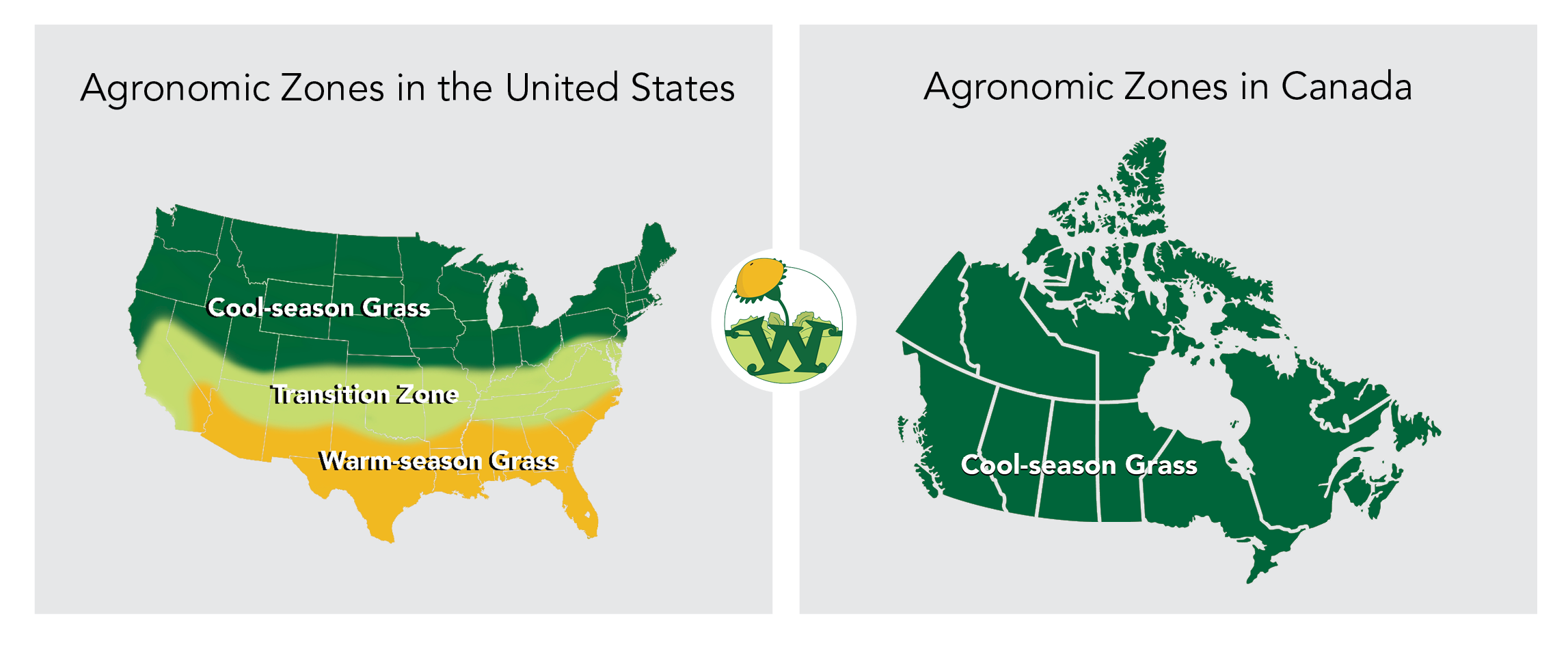
Credit: weedman.com
Why Seasonal Lawn Care Matters
Each season brings different weather. These changes affect your lawn. Proper care keeps your lawn healthy and green. Let’s look at how each season impacts your lawn.
Spring: Time For Growth
Spring is when your lawn wakes up. The grass starts to grow again. It’s important to give it a good start.
- Rake away dead leaves and debris.
- Aerate the soil to let air and water in.
- Apply a slow-release fertilizer.
- Water your lawn regularly.
- Check for weeds and remove them.
Summer: Hot And Dry
Summer can be tough on your lawn. The heat and dry weather stress the grass. Here are some tips to help your lawn survive the summer.
- Water early in the morning to reduce evaporation.
- Set your mower blade higher to keep grass longer.
- Avoid cutting more than one-third of the grass height.
- Check for pests and treat them quickly.
- Don’t fertilize in the heat of summer.
Fall: Preparing For Winter
Fall is a great time to prepare your lawn for winter. Cooler temperatures and more rain help the grass recover from summer. Here’s what you should do.
- Rake leaves to prevent mold.
- Aerate the soil again if needed.
- Apply a fall fertilizer to strengthen roots.
- Overseed to fill in bare spots.
- Keep mowing until the grass stops growing.
Winter: Resting Period
Winter is a resting time for your lawn. It may look dead, but it’s just dormant. Here are some tips to help your lawn during winter.
- Avoid walking on frozen grass.
- Clear away heavy snow to prevent damage.
- Don’t use too much salt on walkways.
- Keep an eye out for mold or fungus.
- Plan for spring care.
Tools and Supplies You Need
Having the right tools makes lawn care easier. Here are some tools and supplies you’ll need.
| Tool/Supply | Why You Need It |
|---|---|
| Lawn Mower | To keep your grass at the right height. |
| Rake | To remove leaves and debris. |
| Aerator | To let air and water into the soil. |
| Fertilizer | To feed your grass nutrients. |
| Watering Can or Sprinkler | To keep your lawn hydrated. |
| Weed Puller | To remove unwanted plants. |
Common Lawn Problems and Solutions
Sometimes, problems happen even if you take good care of your lawn. Here are some common problems and how to fix them.
Brown Spots
Brown spots can be caused by many things. It could be pets, pests, or lack of water. Water your lawn deeply and regularly. Check for pests and treat them. Keep pets off the lawn if possible.
Weeds
Weeds compete with grass for nutrients. Pull weeds by hand or use a weed killer. Don’t let weeds go to seed.
Thin Grass
Thin grass can be due to poor soil or not enough light. Aerate the soil and overseed in the fall. Ensure your lawn gets enough sunlight.
Frequently Asked Questions
How To Prepare Lawn For Winter?
Aerate the soil and fertilize. Remove debris and apply winterizing fertilizer to strengthen grass roots.
When To Fertilize Lawn In Fall?
Early autumn is ideal. Fertilizing in early fall helps grass recover from summer stress and promotes healthy growth.
Best Time To Overseed Lawn?
Late summer to early fall. Cooler temperatures and consistent rainfall create optimal conditions for seed germination.
How To Prevent Lawn Diseases In Fall?
Maintain proper mowing height. Avoid overwatering and remove fallen leaves promptly to prevent fungal growth.
Conclusion
Transitioning your lawn between seasons is easy with these steps. Take care of your lawn and it will stay healthy and green all year round. Happy gardening!